
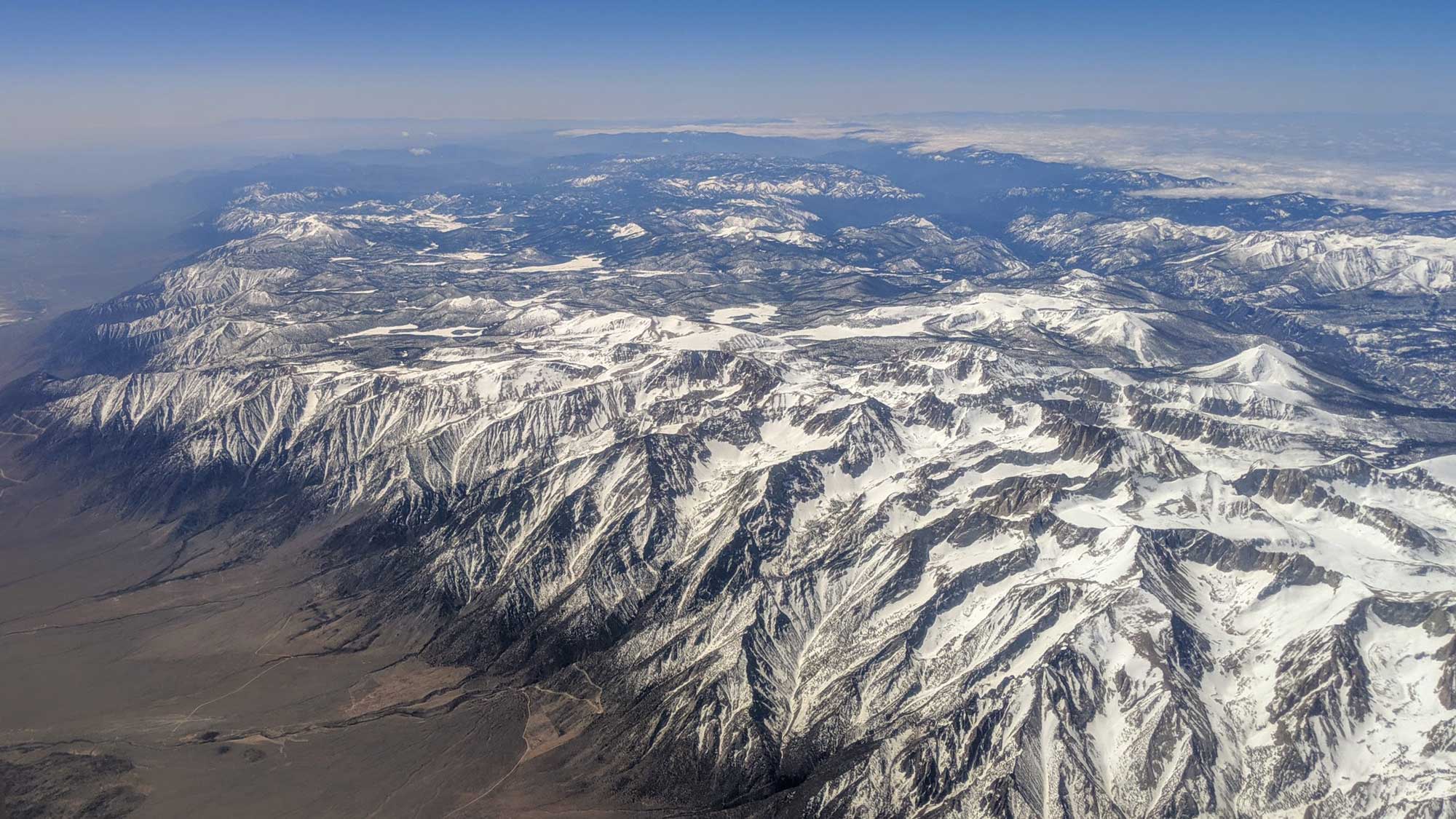
The Sierra Nevada mountain range, a majestic spine of granite and snow stretching across eastern California and western Nevada, is more than just a geological feature; it’s a realm of breathtaking natural beauty, profound ecological significance, and a gateway to unparalleled outdoor adventures. Its name, meaning “snowy mountain range” in Spanish, perfectly encapsulates its iconic visual and climatic characteristics, with its highest peaks often perpetually capped in snow. This vast and varied landscape offers a compelling tapestry of towering summits, pristine alpine lakes, ancient sequoia groves, and vibrant wilderness, making it a premier destination for those seeking to connect with nature’s grandeur.

A Crown Jewel of Natural Splendor
The Sierra Nevada is renowned for its dramatic topography, sculpted over millennia by glacial forces. The range boasts some of the highest peaks in the contiguous United States, including the formidable Mount Whitney, standing at 14,505 feet, a beacon for mountaineers and a testament to the raw power of the earth. This elevation gradient gives rise to a remarkable diversity of ecosystems, from the arid foothills dotted with sagebrush and pinyon pines to the subalpine meadows bursting with wildflowers and the harsh, rocky alpine environments that host tenacious, wind-swept flora.
Iconic Peaks and Volcanic Majesty
While the granite core of the Sierra Nevada defines much of its character, the range also includes areas influenced by volcanic activity. The southeastern part of the range, for instance, features volcanic landscapes that add another layer to its geological diversity. However, it is the colossal granite formations, like those found in Yosemite National Park, that truly capture the imagination. Half Dome, with its distinctive sheer face, and El Capitan, a granite monolith beloved by rock climbers worldwide, are iconic landmarks that symbolize the Sierra Nevada’s sheer verticality and monumental scale. These formations are not merely rocks; they are geological masterpieces that tell a story of immense geological forces at play.
The Serene Beauty of Alpine Lakes
Scattered throughout the Sierra Nevada are countless alpine lakes, their waters a dazzling mosaic of blues and greens. These glacial jewels, often nestled in cirques carved by ancient ice, offer havens of tranquility. From the vast, shimmering expanse of Lake Tahoe, straddling the border of California and Nevada and renowned for its crystal-clear waters and year-round recreational opportunities, to the myriad of smaller, more secluded tarns accessible only by trail, these lakes are integral to the Sierra Nevada’s allure. They serve as vital water sources for the state and provide stunning reflections of the surrounding peaks, creating postcard-perfect vistas that draw visitors from across the globe.
A Sanctuary for Biodiversity
The Sierra Nevada is a critical ecological hotspot, supporting an astonishing array of plant and animal life. Its diverse elevations and varied microclimates create a mosaic of habitats, from montane forests dominated by towering pines and firs to the unique ecosystems found in the high alpine zone. This biodiversity is not only essential for the health of the range but also contributes significantly to the ecological well-being of California.
The Majestic Giant Sequoias
Perhaps the most iconic inhabitants of the Sierra Nevada are the giant sequoias (Sequoiadendron giganteum). These ancient, colossal trees, found primarily in groves on the western slopes of the range, are among the largest living organisms on Earth. Standing beneath the towering canopies of trees like General Sherman in Sequoia National Park or General Grant in Kings Canyon National Park is a humbling experience. These living giants, some dating back thousands of years, represent a profound connection to the past and a vital part of the Sierra Nevada’s natural heritage. Their resilience and longevity are a powerful reminder of nature’s enduring strength.
Wildlife of the High Country
The Sierra Nevada is home to a rich tapestry of wildlife. Black bears roam the forests, mule deer graze in meadows, and elusive mountain lions stalk the more remote territories. Birdlife is abundant, with species ranging from soaring eagles and peregrine falcons to smaller songbirds that fill the air with their melodies. In the higher elevations, marmots and pikas adapt to the harsh conditions, while various species of trout inhabit the pristine lakes and rivers. The preservation of these wild inhabitants and their habitats is a central focus of conservation efforts within the Sierra Nevada.
A Playground for Outdoor Enthusiasts
The Sierra Nevada is synonymous with outdoor recreation. Its vast wilderness areas, national parks, and national forests offer an almost endless array of activities for every level of adventurer, from casual hikers to seasoned mountaineers. The range serves as a natural playground, inviting exploration and immersion in its stunning landscapes.
Hiking and Backpacking Trails
The Sierra Nevada is crisscrossed by an extensive network of hiking and backpacking trails, catering to all abilities. The most famous of these is arguably the John Muir Trail, a 211-mile trek that winds through some of the most spectacular scenery in the Sierra Nevada, including Yosemite, Kings Canyon, and Sequoia National Parks. Shorter day hikes abound, leading to hidden waterfalls, panoramic viewpoints, and secluded lakes. Trails like the Mist Trail in Yosemite, with its dramatic cascades, and the trails around Lake Tahoe, offering stunning lake vistas, are perennial favorites. For those seeking a more remote experience, the national forests provide opportunities for off-trail exploration and multi-day backpacking trips.
Climbing and Mountaineering Challenges
The sheer granite faces and towering peaks of the Sierra Nevada have long drawn climbers and mountaineers. Yosemite Valley is a world-renowned climbing destination, offering iconic routes on El Capitan and Half Dome. Beyond Yosemite, the range presents numerous opportunities for technical ascents, from challenging rock climbs to high-altitude mountaineering on peaks like Mount Shasta and Mount Humphreys. The Mount Whitney Trail is a popular, though strenuous, route to the highest point in the range, offering a rewarding challenge for hikers and amateur climbers alike.
Winter Sports and Alpine Adventures
During the winter months, the Sierra Nevada transforms into a snowy wonderland, attracting winter sports enthusiasts. The range is home to numerous ski resorts, most notably around Lake Tahoe, which offers a vast array of skiing and snowboarding opportunities, from challenging steeps to gentle beginner slopes. Resorts like Palisades Tahoe (formerly Squaw Valley and Alpine Meadows), Heavenly Mountain Resort, and Mammoth Mountain are internationally recognized. Beyond downhill skiing, the Sierra Nevada offers exceptional opportunities for cross-country skiing, snowshoeing, and backcountry touring, allowing visitors to experience the quiet beauty of the snow-covered landscape.
Preserving a Natural Treasure
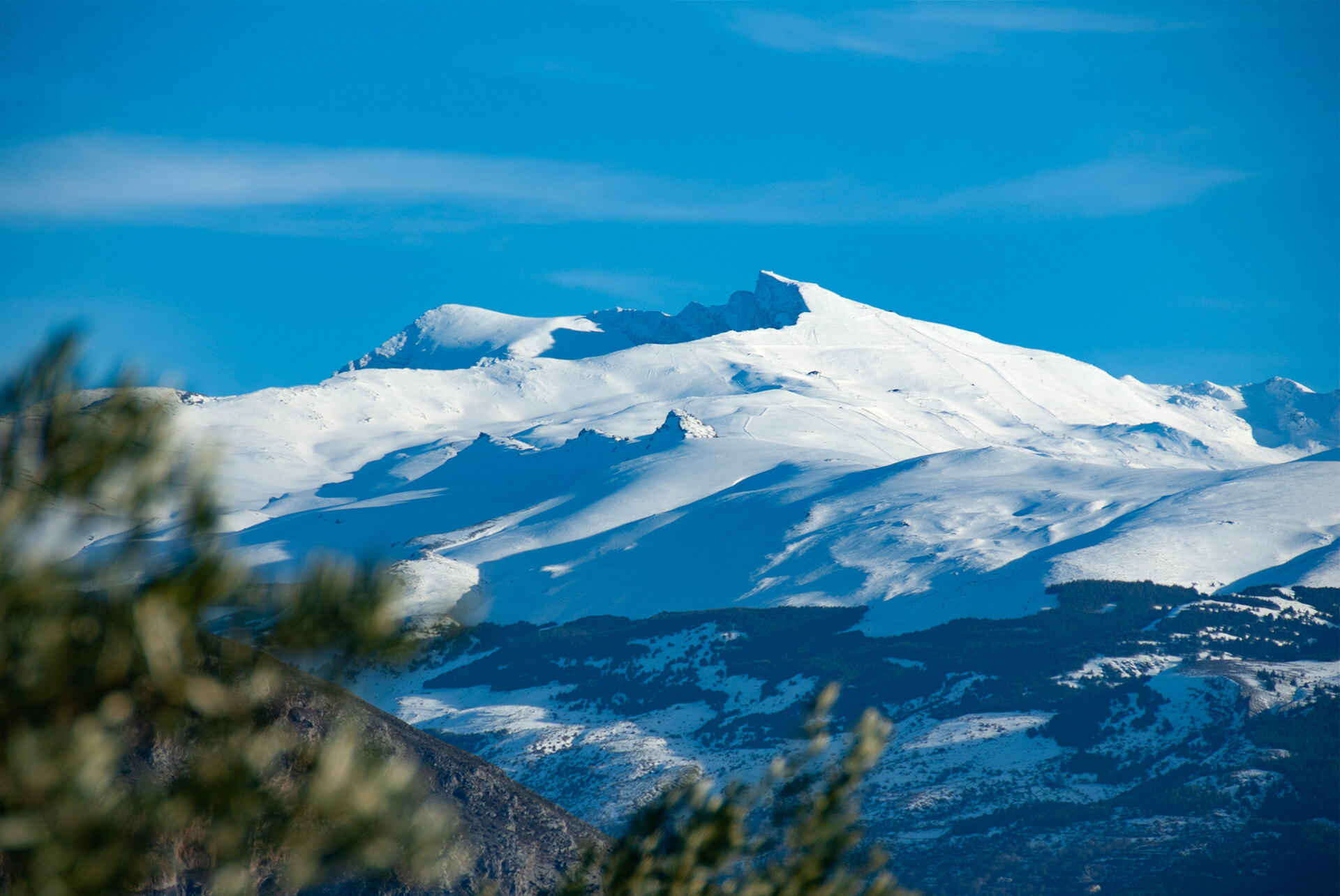
The ecological and recreational significance of the Sierra Nevada has led to significant conservation efforts. Large portions of the range are protected within national parks and national forests, safeguarding its natural beauty and biodiversity for future generations.
National Parks and Wilderness Areas
The Sierra Nevada is home to several iconic national parks, including Yosemite National Park, Sequoia National Park, Kings Canyon National Park, and Lassen Volcanic National Park. These parks are managed to preserve their natural and cultural resources, offering visitors opportunities to experience their wonders while ensuring their long-term protection. Beyond the parks, vast wilderness areas, such as the Ansel Adams Wilderness and the John Muir Wilderness, are managed to maintain their primitive character and offer unparalleled opportunities for solitude and self-reliance.
Challenges and Conservation
Despite these protections, the Sierra Nevada faces environmental challenges, including the impacts of climate change, increasing wildfire frequency and intensity, and pressures from human visitation. Organizations and government agencies work collaboratively to address these issues through research, habitat restoration, and sustainable management practices. The ongoing effort to preserve the Sierra Nevada is a crucial undertaking, ensuring that this magnificent mountain range continues to inspire awe and provide vital ecological services for years to come. The Sierra Nevada remains a testament to the power and beauty of the natural world, a destination that promises adventure, tranquility, and a profound connection to the wild.
LifeOutOfTheBox is a participant in the Amazon Services LLC Associates Program, an affiliate advertising program designed to provide a means for sites to earn advertising fees by advertising and linking to Amazon.com. Amazon, the Amazon logo, AmazonSupply, and the AmazonSupply logo are trademarks of Amazon.com, Inc. or its affiliates. As an Amazon Associate we earn affiliate commissions from qualifying purchases.