
Nevada, a land of dramatic contrasts, from the glittering lights of Las Vegas to the stark beauty of the Great Basin, holds a rich and fascinating history. Its journey to statehood was a pivotal moment, shaped by the ambitions of a young nation and the unique resources of the American West. Understanding when Nevada officially joined the Union provides a crucial lens through which to appreciate its development, its cultural identity, and its enduring appeal as a destination.
The Road to Statehood: A Nation’s Expanding Horizon
The story of Nevada becoming a state is inextricably linked to the westward expansion of the United States. As pioneers ventured across the continent, seeking new opportunities and resources, territories were organized and eventually groomed for statehood. Nevada’s unique geographical position and its burgeoning economic potential, particularly after the discovery of silver, placed it on a trajectory towards full admission into the Union.

Manifest Destiny and Territorial Ambitions
The mid-19th century was a period of fervent national growth, often fueled by the ideology of “Manifest Destiny.” This belief suggested that the United States was divinely ordained to expand its dominion and spread democracy across the North American continent. In this context, the organization of new territories and their subsequent admission as states was a natural progression. Nevada, though sparsely populated, was recognized for its strategic importance and its potential wealth.
The Role of the Comstock Lode
No discussion of Nevada’s path to statehood is complete without acknowledging the profound impact of the Comstock Lode. Discovered in 1859 near present-day Virginia City, this massive silver and gold deposit ignited a mining boom that transformed the region. The influx of prospectors, entrepreneurs, and laborers dramatically increased the population and economic activity in the area, demonstrating its viability as a self-sustaining entity. The wealth generated by the Comstock Lode not only fueled local development but also contributed significantly to the national economy, making the territory an increasingly attractive prospect for statehood.
The Act of Admission: A Crucial Political Maneuver
The process of becoming a state is formalized through an act of Congress. For Nevada, this involved a complex interplay of political considerations, congressional debates, and the fulfillment of specific requirements. The timing of its admission was also strategically significant, reflecting the political climate of the era.
Congressional Approval and Presidential Signature
After a period as a territory, Nevada began the formal process of petitioning for statehood. This involved drafting a constitution and demonstrating sufficient population and economic stability. The application was then submitted to the United States Congress, where it faced debate and scrutiny. Ultimately, the congressional act authorizing Nevada’s admission required a presidential signature to become law. This legislative process marked the culmination of years of effort and aspiration.
Strategic Timing: The Civil War Context
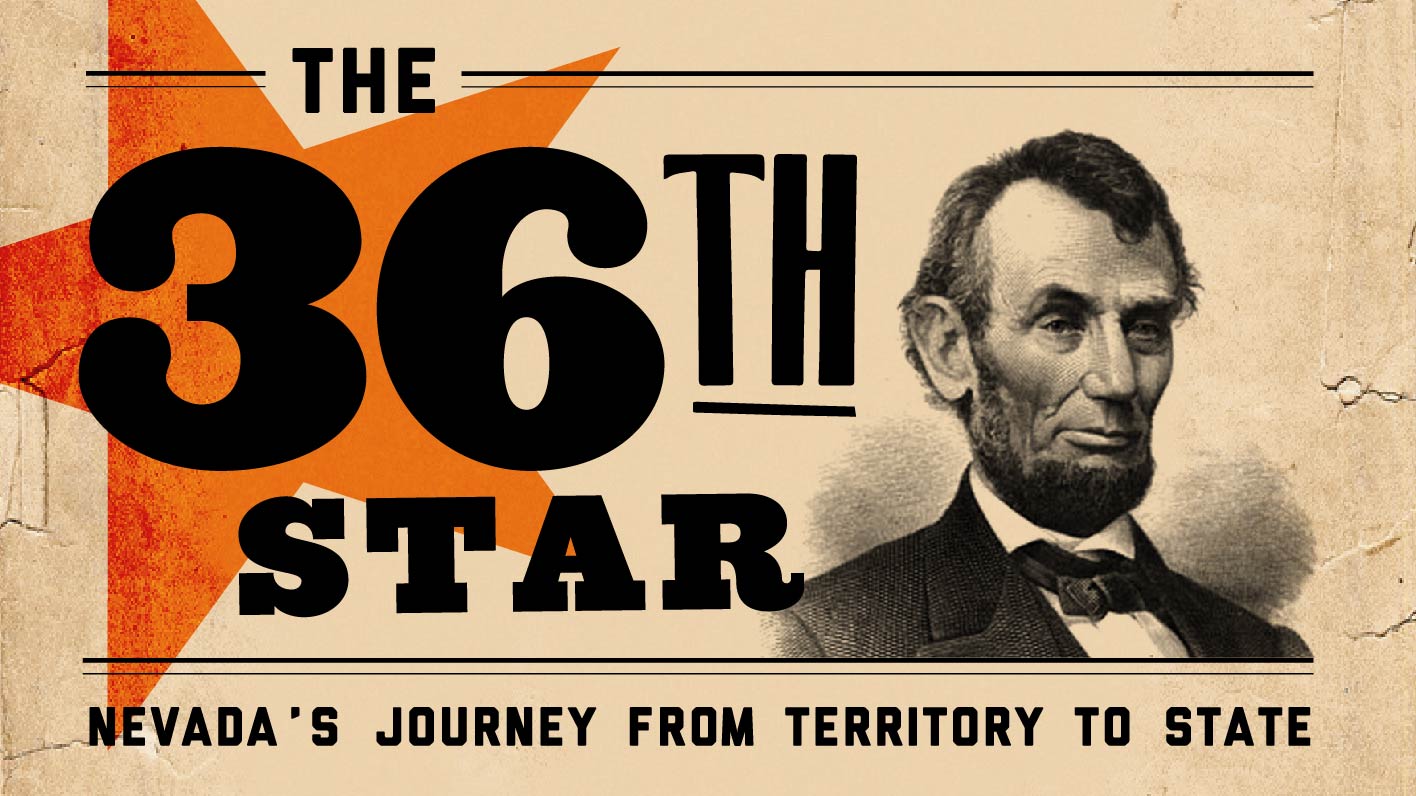
The year Nevada became a state, 1864, is particularly noteworthy due to its overlap with the American Civil War. The admission of new states could significantly influence the balance of power in Congress. Nevada, with its likely alignment with the Union, was seen as a valuable addition by President Abraham Lincoln and the Republican Party. Its senators and representatives could bolster support for the Union cause and provide crucial votes for constitutional amendments, such as the 13th Amendment. This strategic political consideration played a vital role in accelerating Nevada’s admission.
The Year of Statehood: A Milestone for the Silver State
The definitive answer to the question of when Nevada became a state is rooted in a specific historical date. This event marked a significant turning point, transforming the territory into an equal partner within the United States.
October 31, 1864: The Silver State Joins the Union
On October 31, 1864, Nevada officially became the 36th state admitted to the Union. This proclamation by President Abraham Lincoln was a momentous occasion, celebrated across the fledgling state. The “Silver State,” as it would come to be known, had earned its place among the confederation of states, its future now intrinsically linked to the broader narrative of the nation. The speed of its admission, from territory to statehood in just over a year after its constitution was ratified, underscores the political urgency of the era.
The Proclamation and its Significance
The presidential proclamation officially recognized Nevada as a state, granting it all the rights, responsibilities, and representation afforded to other states. This act symbolized the maturation of the region and its integration into the American political and economic fabric. For the residents of Nevada, it represented the culmination of their efforts and a promise of continued growth and influence. This pivotal moment in history continues to shape the identity and aspirations of the state, a testament to its unique journey.
Exploring Nevada: Landmarks and Legacy
Since its admission as a state in 1864, Nevada has evolved dramatically, yet its historical foundations remain a compelling aspect for visitors and residents alike. From the ghost towns that echo the mining boom to the modern marvels of its cities, the state’s past is deeply woven into its present landscape.
Historic Mining Towns and Ghost Towns
The legacy of the Comstock Lode and other mining discoveries is vividly preserved in Nevada’s historic towns. Virginia City, a National Historic Landmark, offers a tangible glimpse into the lives of those who sought their fortune in the mines. Walking its wooden boardwalks, exploring the preserved saloons and mines, and learning about the rough-and-tumble era provides an immersive historical experience. Beyond Virginia City, numerous ghost towns, like Belmont and Rhyolite, stand as silent testaments to the boom-and-bust cycles of the mining industry, their weathered structures a poignant reminder of ambitious dreams and forgotten settlements. These locations are not just ruins; they are integral landmarks that tell the story of Nevada’s formative years and its journey to statehood.

Modern Nevada: A Landscape of Innovation and Entertainment
While its historical roots are significant, Nevada is also synonymous with innovation and world-class entertainment. Las Vegas, a global epicenter of tourism and entertainment, showcases a different facet of the state’s development. From its iconic Strip to its diverse culinary scene and world-renowned shows, Las Vegas represents a modern manifestation of the state’s capacity for growth and ambition. Beyond the allure of the city, Nevada also boasts breathtaking natural landscapes, including Lake Tahoe, the Mojave National Preserve, and the vast, open expanses of its desert terrain. These attractions offer opportunities for outdoor adventure, from hiking and water sports to stargazing in some of the darkest skies in the continental United States. The state’s ability to blend its rich historical narrative with cutting-edge modernity makes it a captivating destination, a testament to the enduring spirit that guided its path to statehood in 1864.
LifeOutOfTheBox is a participant in the Amazon Services LLC Associates Program, an affiliate advertising program designed to provide a means for sites to earn advertising fees by advertising and linking to Amazon.com. Amazon, the Amazon logo, AmazonSupply, and the AmazonSupply logo are trademarks of Amazon.com, Inc. or its affiliates. As an Amazon Associate we earn affiliate commissions from qualifying purchases.