
Understanding the climate of Reno, Nevada is crucial for planning any visit, whether you’re looking to hit the slopes, explore the arid landscape, or enjoy a vibrant city experience. Nestled in the high desert of the Sierra Nevada foothills, Reno boasts a semi-arid climate characterized by four distinct seasons, each offering unique opportunities and challenges for travelers.
Reno’s Seasonal Climate: A Comprehensive Overview
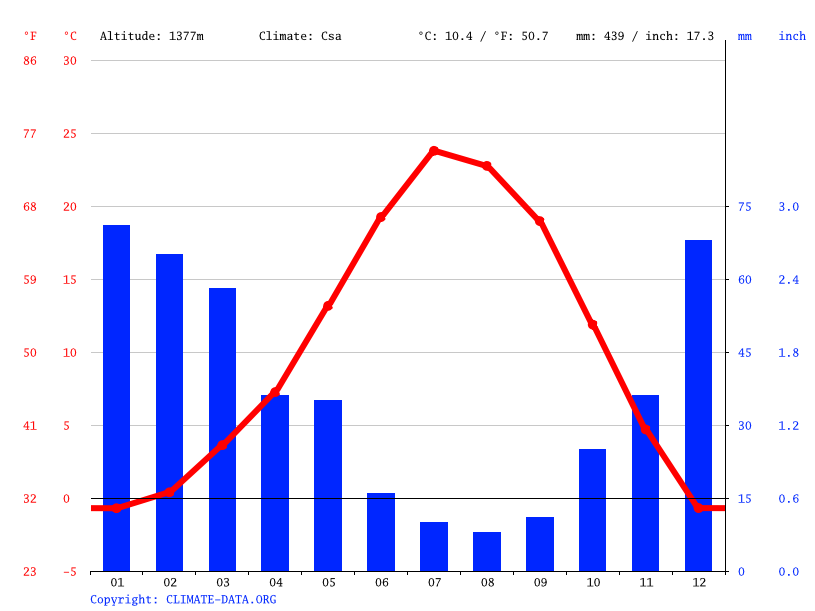
Reno’s weather is largely influenced by its elevation and proximity to the Sierra Nevada mountains. This geographical positioning results in a climate that is generally dry, with significant temperature variations between day and night, and between summer and winter. The city receives ample sunshine year-round, but precipitation is most common during the winter months, often in the form of snow.

Spring (March – May): Transition and Renewal
Spring in Reno is a period of transition, with winter’s chill gradually giving way to warmer temperatures. March can still see significant snowfall, but by April, daytime temperatures begin to rise, often reaching into the 50s and 60s Fahrenheit. May is typically pleasant, with average highs in the 70s. However, spring weather can be unpredictable. Cold snaps are not uncommon, and the transition can be marked by windy conditions and occasional rain showers.
The beauty of Reno in spring lies in the awakening of the natural landscape. Wildflowers begin to bloom in the surrounding desert areas, and the mountains, still capped with snow, provide a dramatic backdrop. This is an excellent time for outdoor activities like hiking and biking, especially in the later part of the season, as long as visitors are prepared for variable conditions. Layering clothing is key, with lighter options for sunny afternoons and warmer layers for cooler mornings and evenings.
Summer (June – August): Dry Heat and Sunny Skies
Summers in Reno are hot and dry, with very little humidity. Daytime temperatures frequently soar into the 80s and 90s Fahrenheit, and heatwaves can push temperatures above 100°F. Despite the heat, evenings offer welcome relief, often cooling down significantly, making outdoor dining and evening strolls enjoyable. The low humidity means that even higher temperatures can feel more manageable than in more humid climates.
The long, sunny days of summer are perfect for exploring Reno’s many attractions. The Truckee River becomes a popular spot for tubing and kayaking, offering a refreshing escape from the heat. Nearby destinations like Lake Tahoe are also at their most inviting, with crystal-clear waters perfect for swimming, boating, and other water sports. It’s essential to stay hydrated and use sun protection during the summer months. Lightweight, breathable clothing is recommended, along with hats and sunglasses.
Autumn (September – November): Crisp Air and Vibrant Colors
Autumn in Reno is a highlight for many, with crisp, cool air and a stunning display of fall foliage in the surrounding areas. September typically offers warm, sunny days, often reminiscent of summer, with average highs in the 70s and 80s. As October progresses, temperatures begin to drop, with daytime highs in the 50s and 60s. By November, the weather becomes noticeably cooler, with highs in the 40s and 50s, and the first snows of the season are often possible.
The fall colors in the surrounding mountains and along the river corridors are breathtaking. This is an ideal time for scenic drives, hiking, and exploring the region’s vineyards, which are preparing for harvest. The cooler, drier air makes for comfortable exploration of the city’s cultural attractions as well. Packing layers is still a wise strategy, as the temperature can fluctuate throughout the day.
Winter (December – February): Snow, Sun, and Outdoor Pursuits
Reno experiences cold winters, with average daytime temperatures typically ranging from the high 30s to the low 40s Fahrenheit. Freezing temperatures are common overnight. While Reno itself may receive moderate snowfall, the nearby Sierra Nevada mountains are known for their abundant snowfall, making the region a prime destination for winter sports enthusiasts.
Ski resorts such as Mt. Rose Ski Tahoe and others a short drive away offer world-class skiing and snowboarding. Even if you’re not hitting the slopes, the snowy landscapes can be picturesque. Despite the cold, Reno also enjoys a good amount of sunshine in the winter, often referred to as “California’s sunshine” due to the dry, clear conditions. Visitors should pack warm, waterproof clothing, including insulated jackets, hats, gloves, and sturdy footwear.
Understanding Reno’s Microclimates and Weather Patterns
While the general seasonal overview provides a good framework, it’s important to note that Reno’s weather can be dynamic. Factors like elevation, wind, and proximity to the mountains can create microclimates. For instance, areas at higher elevations just outside the city will experience colder temperatures and more snow than downtown Reno.
The wind is another notable feature of Reno’s climate. The city is often referred to as the “Biggest Little City in the World,” and it’s also known for being windy, particularly in the spring and fall. These winds can sometimes carry dust from the surrounding desert but also help to clear the air and bring refreshing breezes.
Daily Temperature Fluctuations
A key characteristic of Reno’s high desert climate is the significant diurnal temperature range, meaning there can be a substantial difference between the daytime high and the nighttime low. This is particularly pronounced during the warmer months. A summer day might reach 95°F, only to drop to a comfortable 50°F after sunset. This effect is due to the dry air and clear skies, which allow heat to radiate away from the surface more quickly at night. Travelers should always be prepared for this temperature swing, even on seemingly warm days.
Precipitation Patterns
Reno receives most of its precipitation in the form of snow during the winter months. While snowfall within the city can vary from year to year, the surrounding mountain ranges are a reliable source of snow, attracting skiers and snowboarders. Rain is more common in the spring and fall, but it is generally not heavy or prolonged. Summers are exceptionally dry, with very little rainfall.
Preparing for Your Reno Visit: Packing and Planning
Knowing the temperature in Reno, Nevada is just the first step in ensuring a comfortable and enjoyable trip. Careful packing and flexible planning are essential to accommodate the region’s varied climate.
Layering is Key
Regardless of the season, dressing in layers is the most effective strategy for adapting to Reno’s fluctuating temperatures. This allows you to add or remove clothing as needed throughout the day. For spring and fall, consider base layers, insulating mid-layers (like fleece or a sweater), and a windproof or water-resistant outer shell. In the summer, light, moisture-wicking fabrics are best, with a light jacket or cardigan for cooler evenings. Winter requires substantial insulation, including thermal base layers, a warm mid-layer, and a heavy, waterproof outer coat.
Footwear Considerations
Comfortable and practical footwear is paramount. For spring and fall, sturdy walking shoes or hiking boots are ideal, especially if you plan to explore the natural areas around Reno. In the summer, sandals or breathable sneakers are suitable for city exploration, while water shoes might be useful for river activities. Winter necessitates waterproof, insulated boots to keep your feet warm and dry in snow or on cold, icy surfaces.
Sun Protection
Even during the cooler months, the high desert sun can be intense due to the elevation and low humidity. Always pack sunscreen, a wide-brimmed hat, and sunglasses. This is especially important during summer months when UV radiation is at its peak.
Hydration
The dry air in Reno, particularly during summer, can lead to dehydration. Make it a priority to drink plenty of water, even if you don’t feel thirsty. Carrying a reusable water bottle is a good habit to adopt.
Beyond the Temperature: Reno’s Climate and Activities
The temperature in Reno, Nevada directly influences the types of activities available and the best times to experience them.
Winter Sports Hub
The consistent snowfall in the nearby Sierra Nevada mountains transforms Reno into a gateway for winter sports. Resorts like Palisades Tahoe (formerly Squaw Valley and Alpine Meadows) and Heavenly Mountain Resort are within a relatively short drive and offer unparalleled skiing and snowboarding experiences. The crisp winter air, combined with sunny days, creates ideal conditions for hitting the slopes.
Spring and Fall Exploration
As the snow melts and the temperatures become more moderate, spring and fall offer excellent opportunities for outdoor exploration. Hiking trails in the Reno Tahoe Area come alive with wildflowers in the spring and vibrant foliage in the autumn. The Virginia City Historic District and nearby ghost towns are particularly pleasant to explore during these shoulder seasons, avoiding the harsh heat of summer.

Summer Adventures on the Water
When the summer heat arrives, the Truckee River becomes a focal point for recreation. Tubing, rafting, and kayaking offer a fun way to cool off. Lake Tahoe, a short drive away, provides a vast playground for all sorts of water sports, from swimming and paddleboarding to sailing and jet skiing. The warm, dry climate makes these activities particularly appealing.
In conclusion, understanding the temperature in Reno, Nevada is fundamental to appreciating its unique climate and planning your visit effectively. From the snowy peaks of winter to the sun-drenched days of summer, Reno offers a diverse range of experiences, all shaped by its high desert environment.
LifeOutOfTheBox is a participant in the Amazon Services LLC Associates Program, an affiliate advertising program designed to provide a means for sites to earn advertising fees by advertising and linking to Amazon.com. Amazon, the Amazon logo, AmazonSupply, and the AmazonSupply logo are trademarks of Amazon.com, Inc. or its affiliates. As an Amazon Associate we earn affiliate commissions from qualifying purchases.