
While often celebrated for its dazzling entertainment and iconic landscapes, a deeper exploration of Nevada reveals a state with a complex and evolving educational landscape. Beyond the bright lights of Las Vegas and the stark beauty of the Great Basin, understanding Nevada’s position in education requires looking at various metrics and the unique challenges and opportunities it faces. This analysis delves into how Nevada performs nationally, examines key indicators, and highlights ongoing efforts to foster educational excellence within the Silver State.
Educational Performance Metrics: A National Snapshot
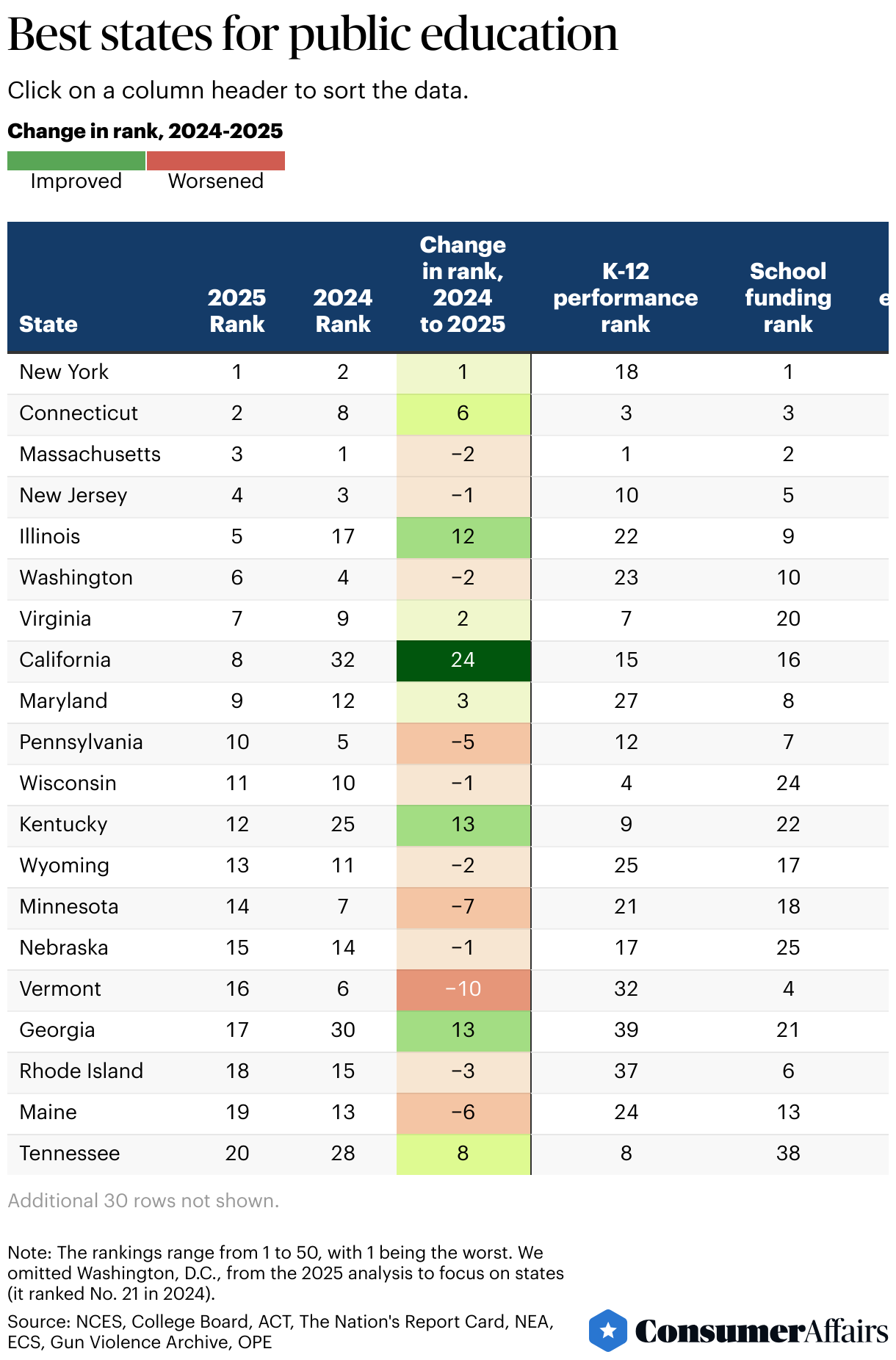
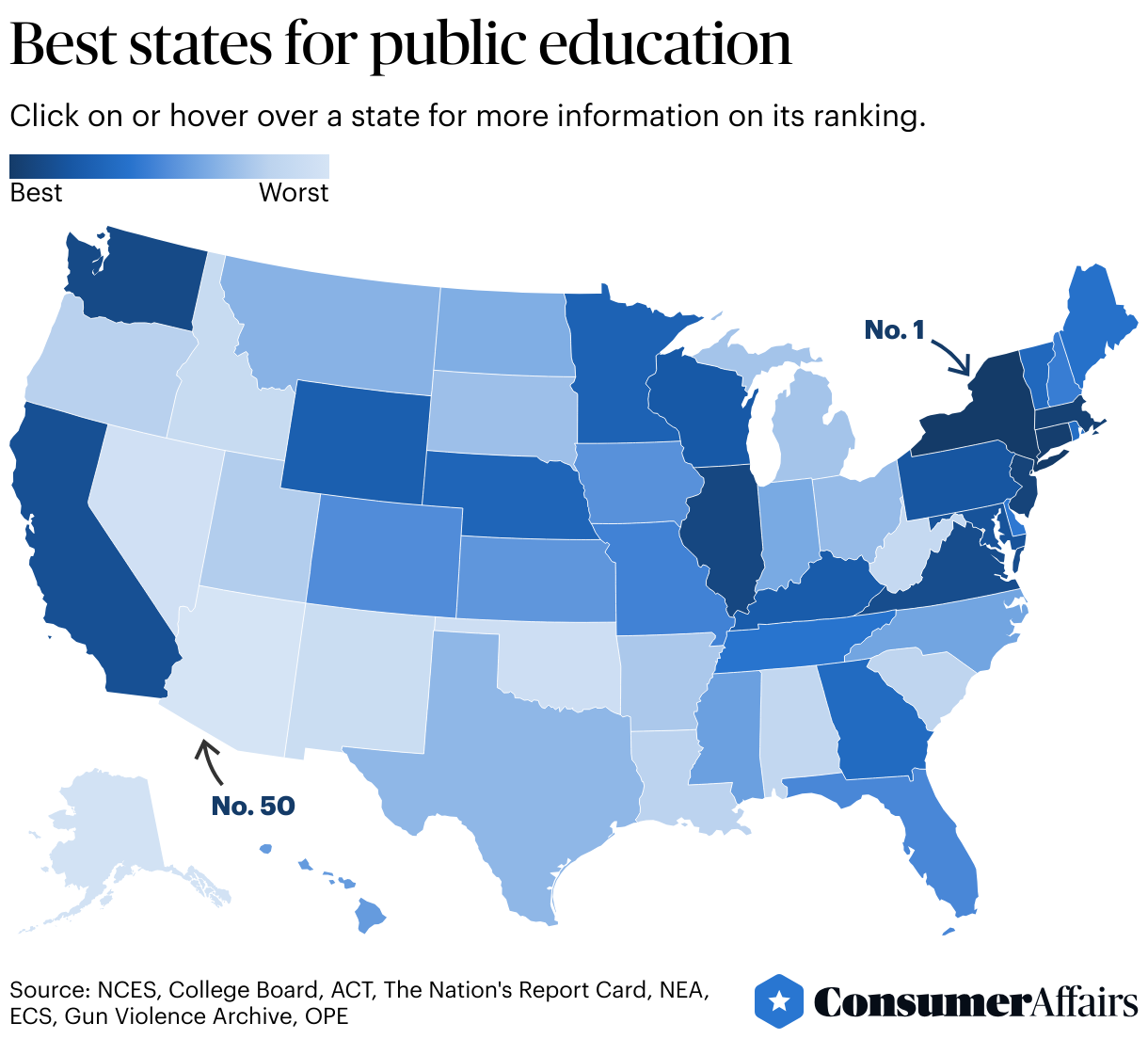
Assessing a state’s educational standing involves a multifaceted approach, considering factors such as graduation rates, standardized test scores, per-pupil spending, and post-secondary attainment. When Nevada is placed under this analytical lens, it consistently appears in the middle to lower half of national rankings. This doesn’t diminish the dedication of educators or the potential of its students, but rather points to systemic factors that influence outcomes.

Graduation Rates
Nevada’s high school graduation rates have shown improvement over the past decade, a testament to targeted interventions and increased focus on student retention. However, the state often hovers around the national average, with some demographic subgroups experiencing lower rates. This disparity underscores the need for continued investment in support systems for at-risk students and the development of more engaging and relevant curricula that cater to diverse learning needs. Initiatives aimed at reducing dropout rates, such as early warning systems and alternative education pathways, are crucial components of Nevada’s strategy to uplift its overall educational standing.
Standardized Test Scores
Performance on standardized assessments, such as the NAEP (National Assessment of Educational Progress), often places Nevada below the national average in subjects like reading and mathematics. This trend is not unique to Nevada and is a concern shared by many states grappling with the complexities of improving foundational academic skills. Factors contributing to these scores are numerous, including socioeconomic challenges, teacher retention in underserved areas, and the adequacy of resources allocated to public schools. Efforts to boost these scores typically involve curriculum reform, professional development for teachers, and the implementation of evidence-based instructional strategies.
Per-Pupil Spending
The financial investment in public education is a critical determinant of educational quality. Nevada’s per-pupil spending has historically lagged behind many other states. While recent legislative sessions have seen increased allocations for education, the state continues to work towards reaching the national average. This disparity in funding can impact class sizes, availability of resources and technology, teacher salaries, and the overall learning environment. Advocates for education in Nevada frequently highlight the need for sustained and equitable funding to ensure that all students have access to the resources they need to succeed.
Post-Secondary Attainment
The percentage of Nevada residents holding a bachelor’s degree or higher also places the state in the lower half of national comparisons. This metric is vital as it reflects the preparedness of the workforce and the state’s capacity for innovation and economic growth. Factors influencing post-secondary attainment include the accessibility and affordability of higher education, the effectiveness of K-12 college preparatory programs, and the availability of vocational training and alternative pathways to career success. The push to increase post-secondary attainment in Nevada involves expanding scholarships, strengthening partnerships between K-12 schools and colleges, and promoting lifelong learning opportunities.
Key Factors Influencing Nevada’s Educational Landscape
Nevada’s educational outcomes are shaped by a unique interplay of demographic, economic, and geographical factors. Understanding these influences provides a more nuanced perspective on the state’s educational rankings.
Demographic Shifts and Growth
Nevada has experienced rapid population growth over the past few decades, driven largely by migration. This influx of new residents, particularly in urban centers like Las Vegas and Reno, places significant strain on existing educational infrastructure. Rapid growth can lead to overcrowded classrooms, a higher demand for qualified teachers, and the need for continuous expansion of school facilities. The state’s demographic diversity also presents both opportunities and challenges, requiring educational systems to be adaptable and responsive to the needs of a multicultural student population.
Economic Influences and Diversification
The state’s economy has traditionally been heavily reliant on tourism and mining. While these sectors provide significant revenue, they can also lead to economic volatility. Educational initiatives in Nevada are increasingly focused on diversifying the economy and preparing students for emerging industries, such as technology, advanced manufacturing, and healthcare. The development of robust STEM (Science, Technology, Engineering, and Mathematics) education programs and partnerships with local businesses are critical to ensuring that Nevada’s graduates are equipped for the jobs of the future. The success of economic diversification is intrinsically linked to the quality of its human capital, making education a central pillar of this strategy.
Rural vs. Urban Disparities
As a state with vast rural areas, Nevada faces distinct challenges in its rural school districts compared to its urban counterparts. Access to resources, qualified educators, and specialized programs can be significantly limited in remote communities. Addressing these disparities often involves innovative approaches, such as distance learning technologies, shared services between districts, and incentives to attract and retain teachers in rural areas. Ensuring equitable educational opportunities across all geographical regions of Nevada is a persistent goal.
Initiatives and Reforms Driving Educational Improvement
Despite the challenges, Nevada is actively engaged in various reforms and initiatives aimed at elevating its educational standing. These efforts reflect a commitment to continuous improvement and a recognition of the vital role education plays in the state’s future prosperity.
The Nevada Promise Scholarship and Higher Education Access
Recognizing the importance of post-secondary education, Nevada has implemented programs designed to make college more accessible and affordable. The Nevada Promise Scholarship, for instance, aims to provide tuition-free community college for eligible students. Such initiatives are crucial for increasing college enrollment and completion rates, thereby bolstering the state’s educated workforce. Furthermore, partnerships with institutions like the University of Nevada, Reno and the University of Nevada, Las Vegas are vital for research, innovation, and the development of specialized programs aligned with the state’s economic goals.
Early Childhood Education Focus
There is a growing understanding in Nevada of the foundational importance of early childhood education. Investments in programs like Head Start and the expansion of publicly funded preschools are designed to give children a strong start, which has a long-term positive impact on academic achievement and reduces the need for remedial interventions later. These programs are critical for leveling the playing field and ensuring that all children, regardless of their socioeconomic background, have the opportunity to develop essential cognitive and social-emotional skills.
Teacher Recruitment and Retention Strategies
Attracting and retaining high-quality educators is a perennial challenge for many states, including Nevada. Efforts are underway to improve teacher compensation, provide robust professional development opportunities, and create supportive work environments. Initiatives focused on diversifying the teacher workforce and encouraging individuals from Nevada’s diverse communities to enter the profession are also gaining traction. Loan forgiveness programs and Grow Your Own initiatives are among the strategies being employed to address teacher shortages, particularly in critical subject areas and in rural or underserved districts.
Innovation in Curriculum and Technology Integration
Nevada is embracing innovative approaches to curriculum development and the integration of technology in classrooms. This includes a focus on project-based learning, personalized learning pathways, and the use of digital tools to enhance instruction and engagement. The state’s commitment to modernizing its educational offerings aims to equip students with the critical thinking, problem-solving, and digital literacy skills necessary for success in the 21st century. This proactive approach to educational reform is a key factor in Nevada’s ongoing journey to improve its national educational standing.
The Road Ahead: Continued Progress and Aspirations
While Nevada’s current educational rankings may present a mixed picture, the state’s forward-looking approach and dedication to reform are undeniable. By addressing systemic challenges, fostering innovation, and investing strategically in its students and educators, Nevada is steadily working towards a future where its educational system not only meets but exceeds national benchmarks. The journey is ongoing, marked by a commitment to equity, excellence, and the belief that a strong educational foundation is paramount to the state’s continued growth and prosperity, both for its residents and for the vibrant communities that define the Silver State. The progress made in Nevada serves as a compelling example of how a state can proactively engage with its educational landscape to build a brighter future.
LifeOutOfTheBox is a participant in the Amazon Services LLC Associates Program, an affiliate advertising program designed to provide a means for sites to earn advertising fees by advertising and linking to Amazon.com. Amazon, the Amazon logo, AmazonSupply, and the AmazonSupply logo are trademarks of Amazon.com, Inc. or its affiliates. As an Amazon Associate we earn affiliate commissions from qualifying purchases.