
Fallon, Nevada, a place that might not immediately spring to mind for the average traveler, is a captivating destination that offers a unique blend of outdoor adventure, rich history, and burgeoning agricultural charm. Nestled in the heart of Churchill County, in the western United States, Fallon is far more than just a dot on the map; it’s a gateway to experiences that resonate with those seeking authenticity and a departure from the ordinary. Its strategic location, approximately 60 miles east of Reno, positions it as an accessible yet secluded escape, offering a respite from the hustle and bustle of larger metropolitan areas while still providing convenient access to amenities and services.
The Allure of the Oasis: Understanding Fallon’s Geography and Appeal
Fallon’s very existence is a testament to human ingenuity and the natural resilience of life in arid landscapes. Situated in the Lahontan Valley, the area was once part of ancient Lake Lahontan, a vast prehistoric lake whose remnants now shape the region’s topography. This unique geological history has blessed Fallon with fertile land, particularly around the Carson River, which has been a lifeline for agriculture for generations. The city is often referred to as the “Oasis of Nevada,” a fitting moniker given its verdant fields and the surprising abundance of water resources that sustain its economy and way of life.
A Tapestry of Landscapes
The surrounding environment is a significant draw for visitors. The proximity to vast stretches of desert, mountain ranges, and the unique geological formations of western Nevada opens up a world of exploration. From the stark beauty of the high desert to the rugged allure of the nearby Sand Mountain Recreation Area, the landscape invites a sense of adventure and discovery. The Carson River itself provides opportunities for water-based activities, though often in its more controlled canal systems for irrigation, a testament to the region’s agricultural roots.
The Agricultural Heartbeat
Fallon’s economy and identity are deeply intertwined with its agricultural heritage. For decades, the Fallon Paiute-Shoshone Tribe and subsequent settlers have cultivated this land, transforming it into a productive agricultural hub. The region is particularly known for its alfalfa, cantaloupe, and other diverse crops, reflecting a commitment to sustainable farming practices. This agrarian backbone lends a distinct character to the city, offering visitors a glimpse into a way of life that is both traditional and forward-thinking in its approach to land management.
Uncovering Fallon’s Rich Past: A Glimpse into History
Fallon’s story is one of resilience, innovation, and strategic importance. Its history is deeply rooted in the westward expansion of the United States and the development of arid lands for human habitation and commerce. The establishment of irrigation projects, notably the Newlands Project, was a pivotal moment, transforming the valley into a viable agricultural community and fundamentally shaping the region’s destiny.
The Legacy of the Newlands Project
The Newlands Project, initiated in the early 20th century, stands as a monumental feat of engineering and a defining chapter in Fallon’s history. This ambitious undertaking aimed to harness the waters of the Carson and Truckee Rivers to irrigate arid lands in the Lahontan Valley. The construction of the Lahontan Dam and a vast network of canals brought life to the desert, fostering the growth of agriculture and attracting settlers. The project’s impact is still evident today, underpinning the region’s agricultural productivity and influencing its socio-economic development. Understanding the Newlands Project is key to appreciating how Fallon transformed from a sparsely populated desert outpost into a thriving community.
Military Presence and Innovation
Fallon also holds a significant place in military history, particularly with the presence of Naval Air Station Fallon. This facility serves as the premier training ground for naval aircrews, earning it the designation of “Top Gun” school. The advanced training conducted here has played a crucial role in shaping the capabilities of the U.S. Navy’s fighter pilots. Beyond its military significance, the base has also become a hub for technological innovation and research in aviation. The visible presence of military aircraft often adds a dynamic element to the skies above Fallon, a constant reminder of its strategic importance.
Indigenous Heritage
The land on which Fallon now stands has been home to indigenous peoples for millennia. The Fallon Paiute-Shoshone Tribe has a deep and enduring connection to this region, with a history that predates European settlement by thousands of years. Their cultural traditions, knowledge of the land, and ongoing contributions are an integral part of Fallon’s story. Visitors can learn more about their heritage through various cultural events and local historical sites, offering a richer understanding of the area’s ancestral roots.
Exploring the Outdoors: Adventures Await in and Around Fallon
For the adventurous traveler, Fallon and its surroundings offer a diverse range of outdoor activities. The unique desert environment, coupled with the presence of water resources, creates a compelling landscape for exploration, from the thrill of dune buggying to the tranquility of birdwatching.
Sand Mountain Recreation Area: A Playground for Thrill-Seekers
Perhaps the most iconic natural landmark near Fallon is the Sand Mountain Recreation Area. This colossal sand dune, stretching over 4 miles long and rising hundreds of feet, is a mecca for off-road enthusiasts. Visitors flock to Sand Mountain for activities like sandboarding, dune buggying, and ATV riding, experiencing the exhilaration of navigating its steep slopes and vast expanses. The sheer scale and unique geological formation of Sand Mountain make it a must-visit for anyone seeking adrenaline-pumping adventures in a dramatic desert setting. Even for those who prefer to spectate, the sight of countless vehicles and riders enjoying the sandy terrain is an experience in itself.

Lahontan Reservoir and Fort Churchill State Historic Park
A short drive from Fallon, Lahontan Reservoir offers a more serene aquatic experience. While not as developed as some larger reservoirs, it provides opportunities for boating, fishing, and camping. The surrounding areas are also home to diverse wildlife, making it a pleasant spot for nature observation.
Adjacent to the reservoir lies Fort Churchill State Historic Park. This park preserves the remnants of an important 19th-century U.S. Army fort that played a crucial role in protecting travelers along the Pony Express and the Overland Trail. Exploring the well-preserved adobe ruins offers a tangible connection to the region’s frontier past and the challenges faced by early settlers. The park also provides excellent stargazing opportunities due to its remote location and minimal light pollution.
Wildlife Viewing and Birdwatching
The combination of desert ecosystems and water sources makes the Fallon area a surprisingly rich habitat for various wildlife. Birdwatchers will find the Carson Lake Wetlands Management Area particularly rewarding. This vital wetland provides a critical stopover point for migratory birds along the Pacific Flyway. During peak migration seasons, the area teems with a diverse array of waterfowl, shorebirds, and other avian species, making it a paradise for photographers and nature enthusiasts alike. Beyond birds, the wider desert landscape is home to desert tortoises, various reptiles, and desert mammals.
Experiencing Local Culture and Cuisine
Fallon offers a genuine slice of Nevadan life, characterized by a strong sense of community and a culinary scene influenced by its agricultural bounty. The city provides a welcoming atmosphere for visitors to immerse themselves in the local way of life.
The Heart of the Community: Downtown Fallon
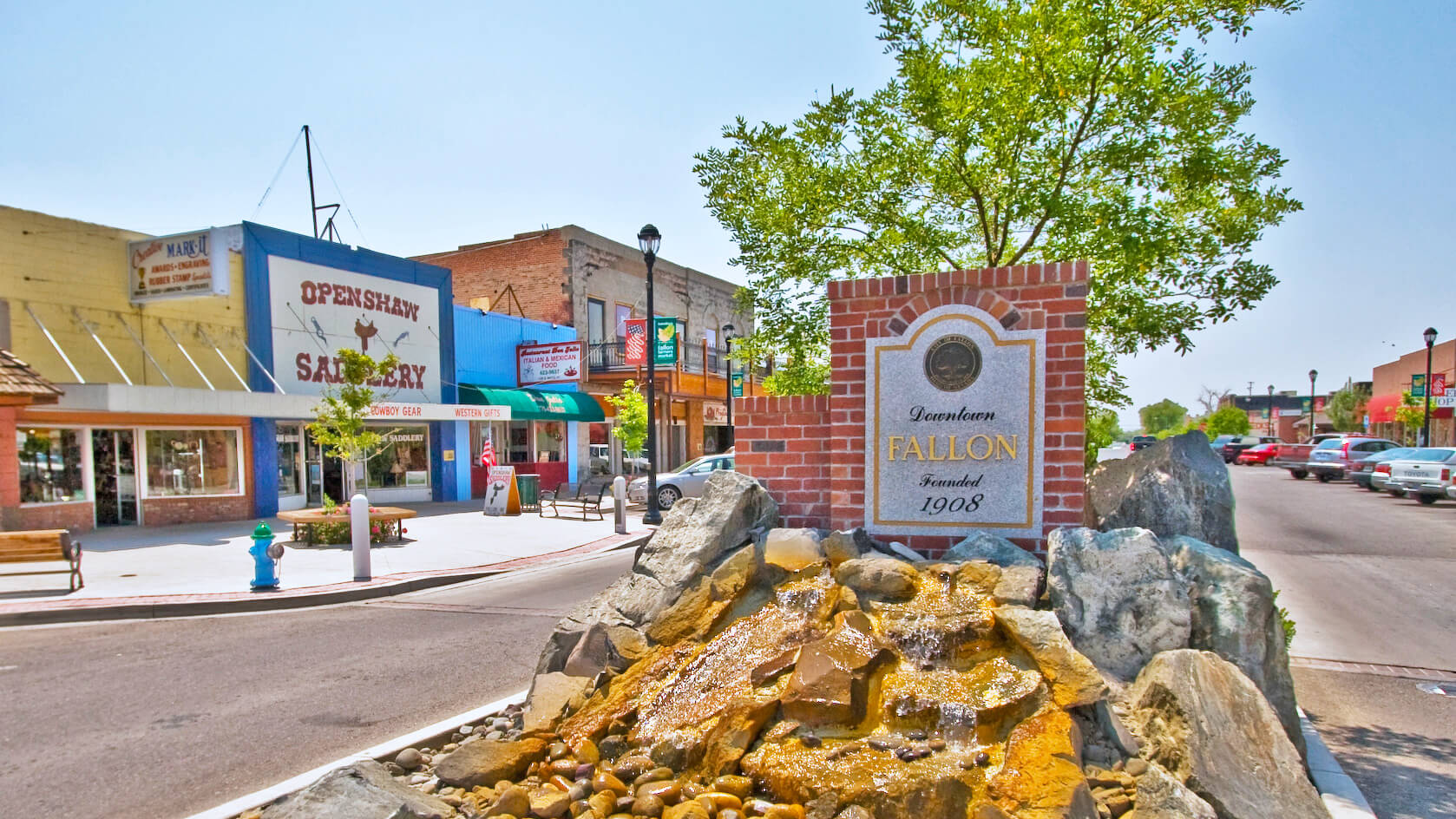
The heart of Fallon beats in its charming downtown area. Here, visitors can explore local shops, art galleries, and the Churchill County Museum. The museum offers a deep dive into the region’s history, from its indigenous roots and pioneer days to the development of the Newlands Project and its military significance. Strolling through downtown provides an opportunity to connect with the local culture and appreciate the town’s unique heritage. The annual Neveda Day Parade and the Fallon Cantaloupe Festival are highlights that showcase community spirit and local pride.
Culinary Delights: From Farm to Table
Fallon’s agricultural prominence translates directly into its food scene. Visitors can savor fresh, locally grown produce, particularly during the summer months. The city’s restaurants often feature seasonal ingredients, offering a taste of the valley’s bounty. While the culinary landscape might not boast Michelin-starred establishments, it excels in providing hearty, authentic meals with a local flair. Don’t miss the chance to try Fallon’s famous cantaloupes, renowned for their exceptional sweetness and flavor. Local diners and cafes offer classic American fare, often with a regional twist, providing a comforting and satisfying dining experience. For those interested in a true farm-to-table experience, seeking out local farmers’ markets or roadside stands can yield the freshest and most flavorful produce.
Planning Your Visit to Fallon
For those intrigued by Fallon’s unique blend of history, adventure, and rural charm, planning a visit is straightforward. Its accessibility and the variety of experiences it offers make it an ideal destination for a weekend getaway or a more extended exploration of western Nevada.
Getting to Fallon
Fallon is most easily accessed by car. It lies approximately 60 miles east of Reno, Nevada, via Interstate 80 and then U.S. Route 50. For those flying into the region, Reno-Tahoe International Airport is the closest major airport. From Reno, renting a car is highly recommended for exploring Fallon and its surrounding attractions, as public transportation options within Fallon and to nearby sites are limited.
Where to Stay
While Fallon may not have the vast array of luxury resorts found in major cities, it offers comfortable and practical accommodation options to suit various needs. Visitors can find well-maintained hotels and motels within the city, providing easy access to local amenities and attractions. These establishments often reflect the town’s friendly, down-to-earth atmosphere, offering a warm welcome to travelers. For those seeking a more rustic experience, camping options are available in the vicinity, particularly near Lahontan Reservoir and within some of the state parks, allowing for a closer connection to the natural environment.

Best Time to Visit
The best time to visit Fallon depends on your interests. Spring (April to May) and fall (September to October) generally offer pleasant weather, ideal for outdoor activities like hiking and exploring historical sites. The temperatures are milder, and the desert landscape is often at its most beautiful. Summer (June to August) can be quite hot, with temperatures frequently exceeding 90°F (32°C), but it is also the peak season for enjoying water activities at Lahontan Reservoir and experiencing the agricultural harvest, including the famous cantaloupes. Winter (November to March) is cooler and can bring occasional snow, offering a different, quieter perspective on the desert landscape, with opportunities for stargazing remaining excellent.
Fallon, Nevada, is a destination that rewards the curious traveler. It’s a place where history whispers from ancient fort ruins, adventure calls from towering sand dunes, and the enduring spirit of the land is cultivated by its people. Discovering Fallon is about uncovering a piece of authentic America, a testament to the resilience and beauty found far from the beaten path.
LifeOutOfTheBox is a participant in the Amazon Services LLC Associates Program, an affiliate advertising program designed to provide a means for sites to earn advertising fees by advertising and linking to Amazon.com. Amazon, the Amazon logo, AmazonSupply, and the AmazonSupply logo are trademarks of Amazon.com, Inc. or its affiliates. As an Amazon Associate we earn affiliate commissions from qualifying purchases.