
The intricate process of electing a President of the United States often involves detailed discussions about electoral votes, and for many, understanding the allocation for each state is crucial. Among the fifty states, New Hampshire holds a unique position, not only for its historical significance and picturesque landscapes but also for its representation in the Electoral College. This Granite State, known for its early presidential primary, consistently plays a vital role in shaping the national political conversation. When considering the electoral vote count for New Hampshire, it’s essential to delve into the mechanics of how these votes are determined and what factors influence their number.
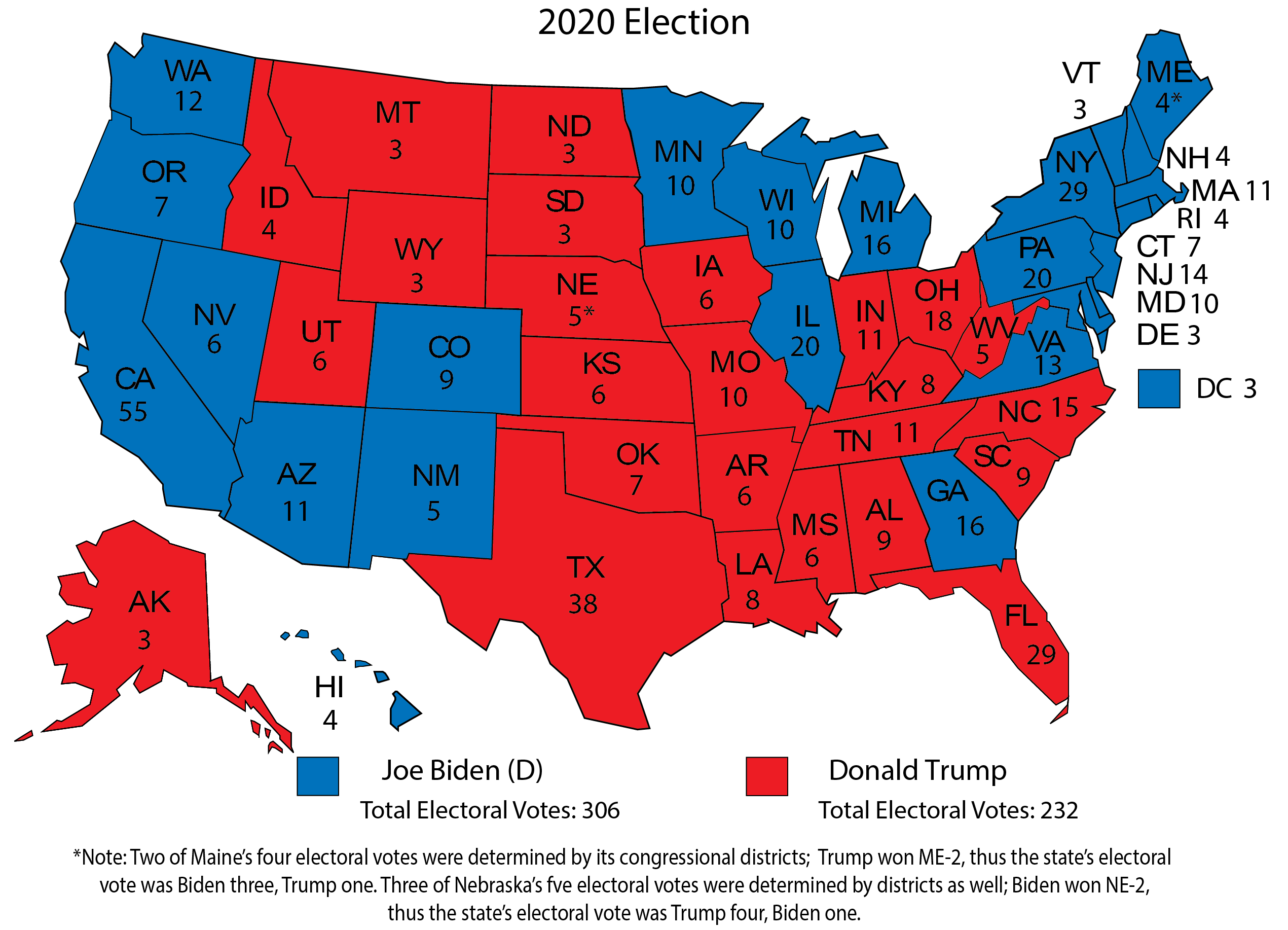
The Electoral College: A Primer
The Electoral College is the system established by the U.S. Constitution, charged with electing the President and Vice President. It is not a physical place but rather a process. When American citizens vote in a presidential election, they are technically casting a ballot for a slate of electors who have pledged to support a particular candidate. These electors then formally cast their votes for President and Vice President.
How Electoral Votes Are Allocated
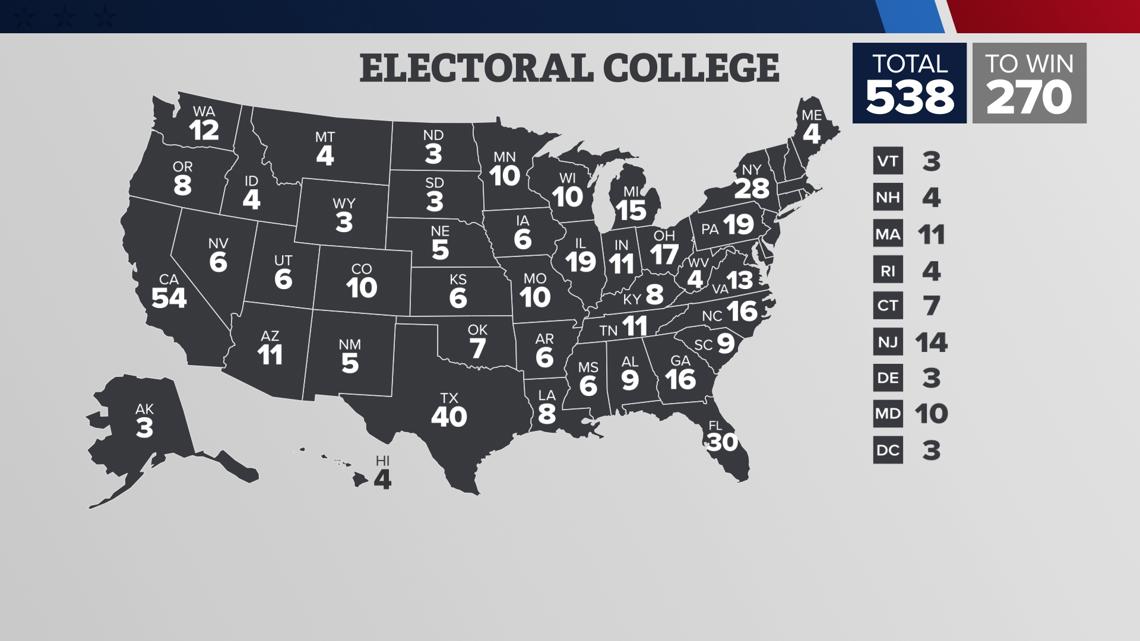
The total number of electoral votes is 538. This number is derived from the sum of the 435 members of the House of Representatives, the 100 members of the Senate, and three electoral votes for the District of Columbia.
Each state is allocated a number of electoral votes equal to the sum of its representation in Congress:
- House Representatives: The number of representatives a state has in the House is based on its population, as determined by the decennial U.S. Census. States with larger populations have more representatives and, consequently, more electoral votes.
- Senators: Every state, regardless of population, is guaranteed two senators. This ensures that smaller states have a voice in the Senate and contribute at least three electoral votes to the Electoral College.
This system means that smaller states, proportionally, have more electoral power per capita than larger states, as the two Senate-based electoral votes are a more significant portion of their total allocation.
New Hampshire’s Congressional Representation
To determine New Hampshire’s electoral votes, we must first examine its congressional delegation. As of the most recent reapportionment following the 2020 U.S. Census:
- House of Representatives: New Hampshire has two representatives in the U.S. House of Representatives. This number has remained consistent for several decades, reflecting a relatively stable population growth compared to some other states.
- Senate: Like all other states, New Hampshire has two senators in the U.S. Senate.
Therefore, the total number of electoral votes for New Hampshire is the sum of its House representatives and its senators: 2 (House) + 2 (Senate) = 4 electoral votes.
The Significance of New Hampshire’s Electoral Votes
While New Hampshire might not possess the largest bloc of electoral votes compared to populous states like California or Texas, its four electoral votes are far from insignificant. The state’s political landscape is often closely divided, making it a frequent battleground in presidential elections. Historically, the outcome in New Hampshire has sometimes tipped the scales in tightly contested races.
The Early Primary Influence
Beyond its direct electoral vote count, New Hampshire holds a unique and influential position due to its status as the host of the nation’s first-in-the-nation presidential primary. This early contest often serves as a crucial testing ground for candidates, shaping public perception, influencing media coverage, and providing momentum for aspiring nominees. The performance of candidates in the New Hampshire primary can significantly impact their fundraising capabilities, delegate counts in subsequent primaries, and overall campaign trajectory. Therefore, while the state’s four electoral votes are its direct contribution to the Electoral College, its early primary role amplifies its political importance far beyond that number.
Swing State Dynamics

New Hampshire is often characterized as a “swing state” or “purple state,” meaning its electoral votes can plausibly go to either the Democratic or Republican candidate. This characteristic makes it a target for extensive campaigning by both parties. Presidential candidates and their surrogates frequently visit New Hampshire in the months leading up to the general election, holding rallies, town halls, and engaging in media appearances to win over voters. The intense focus on New Hampshire by national campaigns underscores the value placed on its four electoral votes, as they can be decisive in reaching the 270 electoral votes needed to win the presidency. The state’s electorate is known for its independent streak and a tendency to scrutinize candidates closely, making the campaign efforts there particularly impactful.
Factors Influencing Electoral Vote Allocation
The number of electoral votes a state holds is not static. It is subject to reapportionment every ten years following the U.S. Census. This process ensures that congressional representation, and therefore electoral vote allocation, reflects the changing demographics of the nation.
The Decennial Census and Reapportionment
The U.S. Constitution mandates a census every ten years. The data collected from this census is used to reapportion the 435 seats in the House of Representatives among the states. If a state’s population grows significantly relative to other states, it may gain seats in the House, and thus increase its electoral vote count. Conversely, if a state’s population grows slower than the national average, it may lose seats and electoral votes.
New Hampshire’s experience with reapportionment has seen its congressional delegation, and consequently its electoral vote count, remain stable in recent decades. While there have been periods where states gained or lost House seats, New Hampshire has maintained its two representatives. This stability in representation is a key factor in why its electoral vote count has remained at four since the 1990s reapportionment.
The Impact of Population Trends
Population shifts are the primary driver of changes in electoral vote distribution. States in the South and West have generally seen significant population growth in recent decades, leading to an increase in their congressional representation and electoral votes. Conversely, some states in the Northeast and Midwest have experienced slower population growth or even population decline, resulting in a loss of representation.
For New Hampshire, its steady population growth, though not as rapid as in some Sun Belt states, has been sufficient to maintain its current level of representation. This demographic trend has prevented the state from losing any electoral votes during recent reapportionment cycles. Understanding these broader population dynamics provides context for why New Hampshire’s electoral vote count has remained consistent.
Voting in New Hampshire: A Closer Look
The act of voting in New Hampshire is a direct reflection of the state’s political engagement. Residents participate in both the early presidential primary and the general election, casting their ballots with the knowledge that their votes contribute to the state’s four electoral votes.
The General Election Process
In the general election, New Hampshire voters cast their ballots for a presidential candidate. The winner of the popular vote in New Hampshire receives all four of the state’s electoral votes. This “winner-take-all” system, employed by almost all states, means that the candidate who secures the most individual votes in the state claims all of its electoral power. This rule intensifies the focus on the state by presidential campaigns, as even a narrow victory can yield a significant number of electoral votes.
Voter Demographics and Political Leanings
The political leanings of New Hampshire voters are a subject of constant analysis. While often considered a swing state, its electorate has distinct characteristics. The state tends to be fiscally conservative but socially liberal on many issues. Its voters are known for their independent thinking and a deep distrust of government, famously enshrined in its state motto, “Live Free or Die.” These traits can make the state’s political allegiance less predictable than in states with more firmly established partisan identities. This independent spirit, combined with a relatively engaged citizenry, makes New Hampshire a state where both major parties must work diligently to earn support. The outcomes of elections in New Hampshire are closely watched, as they can offer insights into broader national trends and the potential for shifts in voter sentiment.
In conclusion, New Hampshire currently holds four electoral votes. This number is determined by its representation in Congress – two representatives in the House and two senators. Beyond this direct contribution, the state’s role as the host of the first presidential primary and its status as a crucial swing state amplify its political importance in the quadrennial quest for the U.S. presidency. The consistent allocation of four electoral votes reflects the state’s demographic stability relative to national population shifts, while its dynamic electorate ensures its continued significance in the American political landscape.
LifeOutOfTheBox is a participant in the Amazon Services LLC Associates Program, an affiliate advertising program designed to provide a means for sites to earn advertising fees by advertising and linking to Amazon.com. Amazon, the Amazon logo, AmazonSupply, and the AmazonSupply logo are trademarks of Amazon.com, Inc. or its affiliates. As an Amazon Associate we earn affiliate commissions from qualifying purchases.