
Navigating the complexities of trust administration after the passing of a loved one in New Hampshire requires careful attention to legal procedures and fiduciary duties. A trust, established during a person’s lifetime, is a legal arrangement where a trustee holds and manages assets for the benefit of designated beneficiaries. When the grantor (the person who created the trust) dies, the trustee’s responsibilities shift to winding down the trust according to its terms and applicable state law. This guide aims to provide a comprehensive overview of the process for administering a trust in New Hampshire, focusing on the essential steps and considerations for trustees.
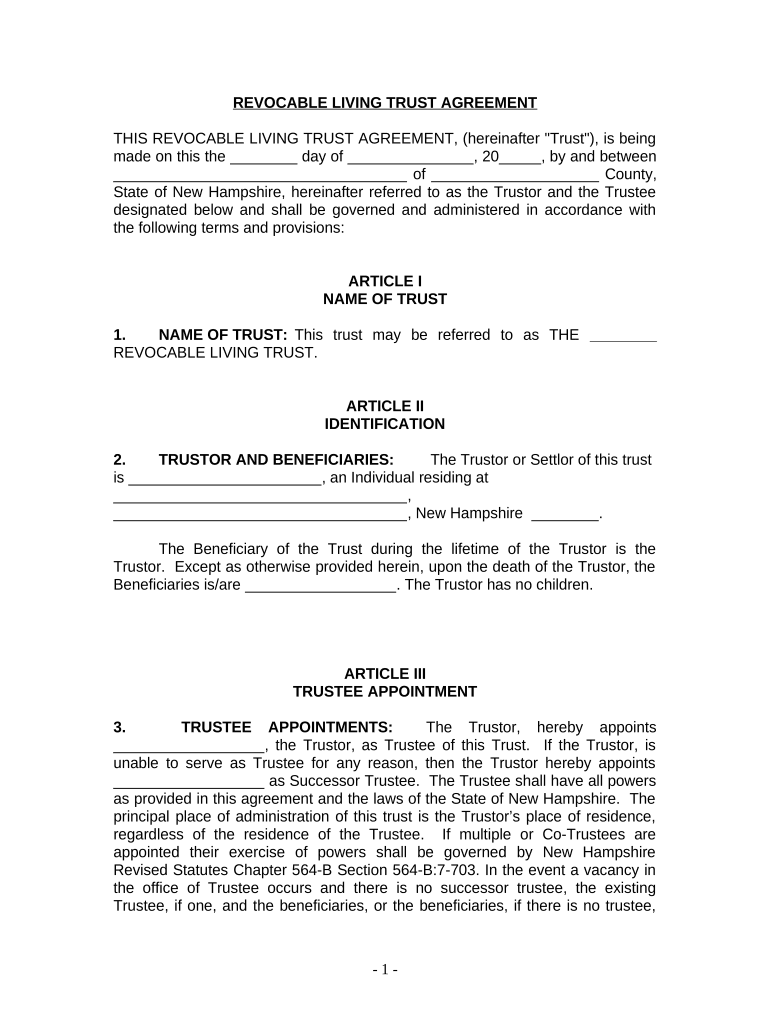
Understanding Your Role as Trustee in New Hampshire
Upon the death of the grantor, the trustee assumes a critical legal and ethical role. This fiduciary duty is paramount and involves acting in the best interests of the beneficiaries with utmost good faith, loyalty, and prudence. In New Hampshire, the administration of a trust is governed by the New Hampshire Revised Statutes Annotated (RSA), particularly Chapter 564-A, the New Hampshire Trust Code.
Initial Steps After Grantor’s Death
The immediate actions taken by the trustee can significantly impact the efficiency and legality of the trust administration process.
Notification and Verification
- Obtain a Certified Death Certificate: This is the foundational document required to formally initiate trust administration. Multiple certified copies will be needed for various institutions.
- Review the Trust Document: Thoroughly read and understand all provisions of the trust agreement, including the grantor’s intentions, specific distribution instructions, and any named successor trustees.
- Identify Successor Trustee: If you are named as the successor trustee, confirm your willingness and ability to serve. If the named trustee is unable or unwilling, the trust document should outline how a new trustee will be appointed, potentially involving court intervention.
- Notify Beneficiaries: Inform all beneficiaries of the grantor’s passing and your role as trustee. Provide them with essential information about the trust’s existence and your responsibilities.
Securing Trust Assets
- Inventory and Appraisal: Create a detailed inventory of all assets held within the trust. This includes real estate, bank accounts, investment portfolios, personal property, and any other valuables. Obtaining appraisals for significant assets is often necessary for valuation and tax purposes.
- Secure Assets: Take immediate steps to secure all trust assets. This may involve changing the titles of real estate, transferring control of bank accounts and investment accounts to your name as trustee, and safeguarding tangible personal property.
- Insurance: Ensure that all insurable trust assets, such as real estate and vehicles, are adequately insured under your name as trustee.
Trust Administration Procedures in New Hampshire
The administration phase involves carrying out the terms of the trust, which typically includes paying debts, taxes, and distributing assets to beneficiaries.
Paying Debts and Taxes
- Creditor Claims: In New Hampshire, the trustee must identify and pay legitimate debts of the grantor and the trust. This often involves publishing a notice to creditors, as per New Hampshire law, to inform potential creditors of the grantor’s death and provide a deadline for submitting claims. Unpaid debts can become a liability for the trust.
- Estate and Income Taxes:
- Final Income Tax Return: Prepare and file the grantor’s final federal and state income tax returns.
- Trust Income Tax: If the trust continues to generate income after the grantor’s death, you will need to obtain a federal Employer Identification Number (EIN) for the trust and file annual income tax returns for the trust.
- Estate Tax: While New Hampshire does not have a state estate tax, federal estate tax may apply if the grantor’s gross estate exceeds a certain threshold. Consult with a tax professional to determine if estate tax filings are required.
Distributing Trust Assets
The ultimate goal of trust administration is to distribute the remaining assets to the beneficiaries according to the trust document.

- Review Distribution Provisions: Carefully examine the trust’s instructions regarding asset distribution. This may involve specific bequests of property, lump-sum distributions, or ongoing income payments.
- Valuation for Distribution: Ensure that assets being distributed in kind (as opposed to cash) are valued accurately. This is crucial for ensuring equitable distribution among beneficiaries and for any potential tax implications.
- Documentation of Distributions: Maintain meticulous records of all asset distributions, including dates, descriptions of assets, values, and recipient acknowledgments. This documentation is vital for your own protection and for accounting purposes.
- Release and Refunding Agreements: It is often advisable to have beneficiaries sign a Release and Refunding Agreement upon receiving their distribution. This agreement acknowledges receipt of their inheritance and, in some cases, requires them to refund a portion of the distribution if unforeseen debts or taxes arise later.
Accounting and Reporting to Beneficiaries
Transparency and accountability are key components of a trustee’s duties.
Trust Accounting
- Record Keeping: Maintain comprehensive and accurate records of all financial transactions related to the trust from the date of the grantor’s death. This includes all income received, expenses paid, and asset values.
- Annual Accounting: In New Hampshire, trustees are generally required to provide an accounting to the beneficiaries at least annually, or upon termination of the trust. This accounting should detail the trust’s financial activity over the reporting period.
- Content of Accounting: A trust accounting typically includes:
- A statement of all trust property on hand at the beginning of the accounting period.
- A statement of all property received during the period.
- A statement of all disbursements made during the period.
- A statement of all property on hand at the end of the accounting period.
- A statement of the trustee’s compensation, if any.
Reporting to Beneficiaries
- Regular Updates: Keep beneficiaries informed about the progress of the trust administration. Provide them with copies of accountings and any significant developments.
- Responding to Inquiries: Be prepared to answer beneficiaries’ reasonable questions about the trust and its administration.
Seeking Professional Assistance
While this guide provides an overview, trust administration can be complex. Seeking professional guidance is often essential.
Legal Counsel
- Trustee’s Attorney: Engaging an experienced estate planning or trust administration attorney in New Hampshire is highly recommended. An attorney can provide legal advice, assist with document review, ensure compliance with New Hampshire law, and help navigate any disputes that may arise.
- Probate Avoidance: Trusts are often used to avoid the probate process, which is the court-supervised distribution of an estate. However, certain aspects of trust administration, such as handling complex assets or resolving creditor claims, may benefit from legal expertise akin to that found in probate proceedings.
Tax Professionals
- CPAs and Tax Advisors: For tax-related matters, consult with a Certified Public Accountant (CPA) or a qualified tax advisor. They can assist with the preparation of tax returns, advise on tax implications of distributions, and ensure compliance with all tax laws.

Financial Advisors
- Investment Management: If the trust holds significant investment assets, a financial advisor can help manage and grow these assets according to the trust’s terms and the trustee’s fiduciary responsibilities.
By understanding your duties and diligently following the steps outlined above, you can effectively administer a trust in New Hampshire and fulfill the grantor’s wishes with integrity and competence.
LifeOutOfTheBox is a participant in the Amazon Services LLC Associates Program, an affiliate advertising program designed to provide a means for sites to earn advertising fees by advertising and linking to Amazon.com. Amazon, the Amazon logo, AmazonSupply, and the AmazonSupply logo are trademarks of Amazon.com, Inc. or its affiliates. As an Amazon Associate we earn affiliate commissions from qualifying purchases.