
The origins of the New Hampshire Colony are less about a single, definitive founder and more about a series of overlapping claims, entrepreneurial ventures, and evolving political landscapes in early 17th-century England and its burgeoning North American territories. Unlike colonies with singular, well-documented founding figures like William Penn for Pennsylvania or John Winthrop for the Massachusetts Bay Colony, the establishment of New Hampshire was a more complex process involving multiple individuals and groups with distinct motivations.
Early Ventures and Proprietary Claims
The story begins with the broader English ambition to establish settlements along the eastern coast of what is now the United States. In 1623, a full two years before the Pilgrims landed at Plymouth, English patentees were granted lands by the Council for New England, an organization chartered by King James I to colonize and govern North America.
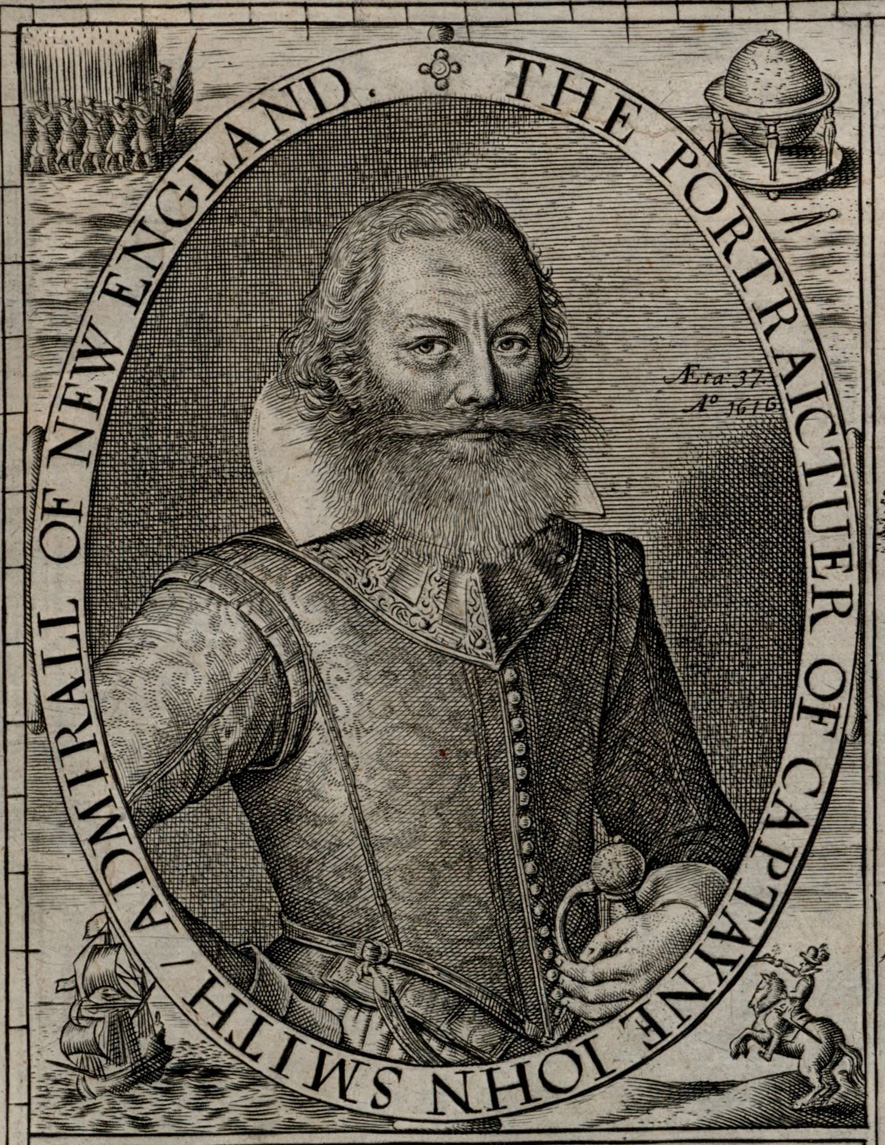
Captain John Mason and Ferdinando Gorges
Two of the most significant early figures in the establishment of what would become New Hampshire were Captain John Mason and Sir Ferdinando Gorges. These men were ambitious entrepreneurs and former military officers who had been involved in earlier attempts to explore and colonize the region.
- John Mason’s Vision: Captain John Mason, a former governor of Newfoundland, held a particular interest in the lands around the Piscataqua River. He secured a land grant from the Council for New England in 1629, which he named the Province of New Hampshire, after his home county of Hampshire in England. Mason’s primary motivation was economic, aiming to establish a profitable fishing and trading enterprise, and potentially to discover mineral resources. He envisioned a well-organized colony with a focus on commerce and agriculture.
- Ferdinando Gorges’ Influence: Sir Ferdinando Gorges, a fellow member of the Council for New England, was also instrumental. He held extensive land grants in the same general area, often overlapping or adjacent to Mason’s. Gorges was a more military-minded individual, interested in establishing a strong presence and potentially a strategic outpost for England. He envisioned his grant, the Province of Maine, as a separate entity, but the two grants and their respective settlers often interacted and eventually merged under different administrations.
Initial Settlements and Exploration
Mason and Gorges dispatched settlers and agents to their granted lands. In 1623, settlements were established at Dover and shortly thereafter at Portsmouth and Exeter. These early settlements were not immediately unified under a single governing authority. They were more akin to independent outposts, each with its own leadership and specific economic activities, primarily focused on fishing, fur trading, and timber harvesting.
The initial efforts were ambitious but faced challenges. Mason himself never visited his colony, and his financial resources were stretched. Gorges also encountered difficulties in fully realizing his grand vision for the region. Nevertheless, these early grants and the subsequent establishment of settlements laid the groundwork for future political and territorial developments.
The Influence of the Massachusetts Bay Colony
The development of the New Hampshire Colony became inextricably linked with its more powerful and populous neighbor, the Massachusetts Bay Colony. As Massachusetts grew, its colonists began to expand their influence and claims northward.
Overlapping Claims and Political Ambiguity
The proprietary grants given to individuals like Mason and Gorges, while seemingly clear on paper, led to considerable confusion and disputes. Massachusetts Bay Colony also received its own broad land grant from the Crown, which the Massachusetts government interpreted as extending far to the north, encompassing much of the territory claimed by Mason and Gorges.
- Early Governance by Massachusetts: For much of the period between the 1640s and the 1670s, the settlements in New Hampshire were effectively governed by Massachusetts Bay Colony. This was partly due to the lack of strong proprietary leadership and the desire of the settlers for a more stable governing structure. Massachusetts provided a degree of order, legal framework, and defense, which was appealing to the frontier settlements.
- Royal Intervention and the Establishment of a Royal Colony: However, the Crown and the heirs of the original patentees were not content with Massachusetts absorbing these northern territories. After years of legal and political wrangling, the English Crown intervened. In 1679, King Charles II formally separated the Province of New Hampshire from Massachusetts and established it as a royal colony. This meant it would be directly under the jurisdiction of the King, with a governor appointed by the Crown.
This act effectively solidified New Hampshire as a distinct political entity, though the proprietary claims of Mason’s heirs continued to be a source of contention for some time.
The Role of John Wheelwright and Religious Dissenters
While Mason and Gorges are credited with the initial proprietary claims, the actual settlement and the character of early New Hampshire were also shaped by individuals who sought refuge from religious and political pressures in Massachusetts.
Founding of Exeter and Religious Freedom
John Wheelwright, a Puritan minister and brother-in-law of Anne Hutchinson, was one such figure. Banished from Massachusetts in 1638 for his theological views and his support of Hutchinson, Wheelwright and his followers migrated to the area north of the Piscataqua River.
- The Exeter Compact: In 1639, Wheelwright and his companions established the settlement of Exeter. To govern themselves, they drafted the Exeter Compact, a document that established a form of self-government based on civil and religious liberty. This compact predated the famous Mayflower Compact and demonstrated an early commitment to consensual governance among the settlers.
- Seeking Separate Identity: While initially seeking to be free from the strictures of the Puritan leadership in Massachusetts Bay Colony, these settlers eventually found themselves drawn back into the larger colonial framework, often aligning with or being absorbed by the governance of Massachusetts for pragmatic reasons, before New Hampshire was officially designated a royal colony.
Wheelwright’s role highlights that the “founding” of New Hampshire was not solely an economic or political endeavor but also a quest for religious sanctuary and autonomy for dissenting groups.

Conclusion: A Patchwork Founding
In answer to “Who Founded New Hampshire Colony?”, there isn’t a single founder. Instead, it was a confluence of individuals and circumstances:
- Proprietary Visionaries: Captain John Mason and Sir Ferdinando Gorges provided the initial land grants and envisioned commercial and territorial expansion.
- Early Settlers and Entrepreneurs: The fishermen, traders, and farmers who established the first permanent settlements at Dover, Portsmouth, and Exeter.
- Religious Dissidents: John Wheelwright and his followers, who sought spiritual freedom and established communities based on self-governance.
- The Crown: Ultimately, King Charles II solidified the identity of New Hampshire as a distinct royal colony, separating it from the pervasive influence of Massachusetts Bay Colony.
The legacy of these varied contributors has shaped New Hampshire into a state with a rich history, marked by its independent spirit and a complex, yet fascinating, origin story that emphasizes collective endeavor and the pursuit of opportunity and freedom in the early American landscape.
LifeOutOfTheBox is a participant in the Amazon Services LLC Associates Program, an affiliate advertising program designed to provide a means for sites to earn advertising fees by advertising and linking to Amazon.com. Amazon, the Amazon logo, AmazonSupply, and the AmazonSupply logo are trademarks of Amazon.com, Inc. or its affiliates. As an Amazon Associate we earn affiliate commissions from qualifying purchases.