
Hawaii proudly stands as the 50th state to join the United States of America, a fact that might surprise some given its unique geographical position and rich, distinct cultural heritage. Admitted to the Union on August 21, 1959, this archipelago in the central Pacific Ocean represents the newest star on the American flag. More than just a number, Hawaii’s statehood symbolizes a fascinating journey from an ancient Polynesian kingdom to a modern American state, all while retaining its unparalleled charm and identity. For travelers and enthusiasts of culture, history, and breathtaking natural beauty, understanding Hawaii’s journey to statehood adds another layer of appreciation for this truly one-of-a-kind destination. It’s a place where history meets contemporary allure, inviting visitors to delve into its deep cultural roots, explore its iconic landmarks, and indulge in world-class travel experiences.
The Aloha State’s Place in the Union: A Historical Perspective
The story of Hawaii becoming the 50th state is a complex tapestry woven with threads of exploration, monarchy, political maneuvering, and the aspirations of its diverse population. From its initial settlement by Polynesian voyagers over a thousand years ago to its pivotal role in 20th-century global events, Hawaii’s path to statehood is as captivating as its pristine beaches.
A Brief History of Hawaiian Statehood
For centuries, the Hawaiian Islands flourished as an independent kingdom, unified under the leadership of King Kamehameha I in 1810. This period saw the development of a unique Hawaiian culture, governance, and societal structure. However, the arrival of Western explorers, traders, and missionaries, notably Captain James Cook in 1778, gradually began to reshape the islands’ destiny. The kingdom faced increasing pressure from foreign powers and commercial interests, leading to the overthrow of the monarchy in 1893, primarily by American and European businessmen.
Following the overthrow, Hawaii briefly existed as the Republic of Hawaii before being annexed by the United States in 1898, becoming a US Territory. For over six decades, Hawaii operated under territorial status, undergoing significant economic development, particularly in sugar and pineapple plantations. Its strategic location became even more critical during World War II, tragically highlighted by the attack on Pearl Harbor in 1941 by the Japanese Empire, which propelled the United States into the war. This event, while devastating, underscored Hawaii’s indispensable role in American defense and solidified its bond with the mainland.
The push for statehood gained momentum after World War II, fueled by returning veterans and a growing desire for full representation and equality with other American citizens. Despite some initial resistance, mainly due to racial prejudice and concerns about Hawaii’s non-contiguous location, the tide eventually turned. On March 12, 1959, the United States Congress passed the Hawaii Admission Act, which was then signed into law by President Dwight D. Eisenhower. A plebiscite was held in Hawaii on June 27, 1959, where the residents overwhelmingly voted in favor of statehood. Finally, on August 21, 1959, Hawaii officially became the 50th state, a momentous occasion celebrated across the islands and the nation. This marked a new chapter for Hawaii, integrating its unique cultural identity and strategic importance fully into the American fabric while preserving its distinct heritage.
Unveiling Hawaii’s Allure: A Traveler’s Paradise
Hawaii’s magnetic charm lies not just in its statehood history but in its breathtaking natural landscapes, vibrant culture, and an endless array of activities that cater to every type of traveler. From the bustling urban energy of Honolulu to the serene, untouched beauty of its more remote corners, the islands offer a mosaic of experiences.
Iconic Islands and Their Charms
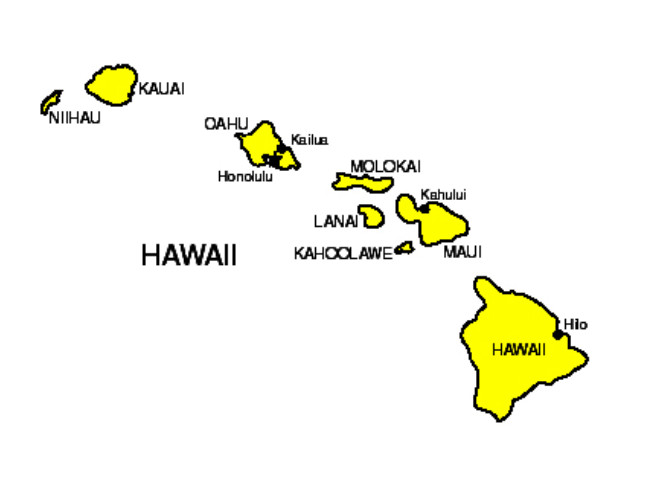
Each of Hawaii’s main islands possesses its own distinct personality and attractions, making island hopping a popular choice for those wanting to experience the full spectrum of the Aloha State.
-
Oahu: Known as “The Gathering Place,” Oahu is home to the state capital, Honolulu, and the world-famous Waikiki Beach. Beyond its iconic crescent of sand and surf, Oahu offers historical significance at Pearl Harbor, where visitors can pay their respects at the USS Arizona Memorial. For stunning panoramic views, a hike up Diamond Head crater is a must. Cultural immersion awaits at the Polynesian Cultural Center or through explorations of the historic Iolani Palace, the only official residence of royalty in the United States. Adventure seekers can find thrilling activities at Kualoa Ranch, famed for its movie backdrops, or catch world-class surfing waves on the North Shore at spots like Waimea Bay. The vibrant Kalakaua Avenue in Waikiki is perfect for shopping and dining.
-
Maui: Often called “The Valley Isle,” Maui is synonymous with luxury, romance, and diverse landscapes. Its most celebrated drive, the Road to Hana, winds through lush rainforests, past cascading waterfalls, and breathtaking coastal views. Witnessing the sunrise from the summit of Haleakala National Park is an unforgettable, almost spiritual experience. The historic whaling town of Lahaina offers charming shops, art galleries, and waterfront dining. Maui also boasts world-renowned beaches like Makena Beach and the vibrant resort areas of Wailea and Ka’anapali. Snorkeling and diving at Molokini Crater or whale watching during winter months are popular activities. The scenic West Maui Mountains provide a dramatic backdrop to the island’s coastal beauty, and the Pipiwai Trail offers a stunning hike through a bamboo forest to waterfalls.
-
Kauai: “The Garden Isle,” Kauai, lives up to its name with verdant rainforests, dramatic cliffs, and cascading waterfalls. The majestic Na Pali Coast is arguably its most iconic feature, best experienced by boat, helicopter, or a challenging hike. The “Grand Canyon of the Pacific,” Waimea Canyon, offers awe-inspiring vistas and numerous hiking trails. Visitors can explore charming towns like Princeville and Poipu, enjoy kayaking on the Wailua River to the enchanting Fern Grotto, or relax on beautiful beaches like Hanalei Bay. Kauai’s Garden Isle moniker truly encapsulates its natural splendor, inviting those who seek peace and adventure amidst unspoiled beauty.
-
Big Island (Hawaii Island): The largest and youngest of the islands, Hawaii Island (or the Big Island) is a land of dramatic contrasts, from active volcanoes to snow-capped peaks. Hawaii Volcanoes National Park, home to Kilauea and Mauna Loa, offers a rare opportunity to witness active volcanic landscapes and learn about geological forces shaping the planet. The charming towns of Kona on the west coast and Hilo on the east provide different vibes, with Kona known for its coffee farms and sunny beaches, and Hilo for its lush rainforests and waterfalls like Akaka Falls State Park. The island is also home to Mauna Kea, the world’s tallest sea mountain from base to summit, offering incredible stargazing opportunities. Discover ancient Hawaiian history at Pu’uhonua o Honaunau National Historical Park or explore the stunning Waipio Valley and the scenic Hamakua Coast.
Experiencing Hawaiian Culture and Cuisine
Beyond its natural wonders, Hawaii’s true soul lies in its vibrant culture, which is deeply rooted in the Aloha Spirit – a philosophy of kindness, respect, and compassion.
-
Cultural Immersion: Participating in a traditional Luau is a quintessential Hawaiian experience, offering a feast of local delicacies, enchanting hula dancing, and storytelling that brings ancient legends to life. Learning a few Hawaiian phrases, understanding the significance of lei greetings, and visiting historical sites like the Dole Plantation further enrich the cultural journey. Local artists and craftsmen showcase their talents in galleries and markets across the islands, offering unique souvenirs and insights into traditional practices. The legacy of surfing, pioneered by legendary Hawaiian waterman Duke Kahanamoku, is palpable throughout the islands.
-
Culinary Delights: Hawaiian cuisine is a delicious fusion of Polynesian, Asian, and American influences. Must-try dishes include fresh poke, kalua pork cooked in an imu (underground oven), loco moco, and the refreshing shaved ice. Fresh seafood is abundant, and farm-to-table dining experiences highlight local produce. Exploring local farmers’ markets provides a taste of the islands’ agricultural bounty and a chance to interact with local communities. From casual food trucks to upscale dining, Hawaii offers a culinary adventure for every palate. Don’t miss the chance to try a specific regional specialty like Kona coffee.
Finding Your Perfect Hawaiian Retreat: Accommodation and Hospitality
Hawaii’s allure as a top travel destination is amplified by its diverse range of accommodation options, ensuring that every visitor, whether seeking lavish luxury, family-friendly comforts, or budget-conscious stays, finds their ideal home away from home. The islands are renowned for their exceptional hospitality, making every stay an integral part of the overall Hawaiian experience.
Diverse Accommodation Options for Every Traveler
The archipelago offers a spectrum of lodging choices, each catering to different preferences and travel styles.
-
Luxury Resorts: For those seeking unparalleled indulgence, Hawaii boasts some of the world’s most exquisite luxury resorts. Properties like the Four Seasons Resort Maui at Wailea, The Ritz-Carlton, Kapalua, and the Grand Wailea, A Waldorf Astoria Resort, offer lavish suites, exclusive amenities, and impeccable service. These resorts often feature private beaches, championship golf courses, world-class spas, and multiple fine dining establishments, providing an all-encompassing opulent escape. They are perfect for honeymoons, special celebrations, or simply for travelers who desire the very best in comfort and service.
-
Boutique Hotels and Vacation Rentals: For a more intimate and localized experience, numerous boutique hotels offer unique charm and personalized service. These often reflect the local culture and design, providing a distinct atmosphere away from the larger resorts. Vacation rentals, including apartments, villas, and beachfront homes, are an excellent option for families or groups seeking more space, privacy, and the convenience of a kitchen. Websites specializing in accommodation booking and reviews make it easy to compare options and find properties that suit specific needs, whether it’s a cozy cottage in Hana or a modern apartment in Honolulu. Long-term stay options are also increasingly popular for those looking to immerse themselves more deeply in island life.
-
Budget-Friendly Options and Family Resorts: Traveling to Hawaii doesn’t always have to break the bank. There are plenty of budget-friendly hotels, guesthouses, and hostels, especially in larger cities and towns, offering comfortable stays without the luxury price tag. Many resorts are also designed with families in mind, featuring kids’ clubs, large pools with waterslides, and activity programs that keep children entertained while parents relax. These family-friendly accommodations often provide suites or connecting rooms to comfortably house larger groups, making a Hawaiian family trip both enjoyable and manageable. When considering accommodation, it’s wise to consult various booking platforms and review sites to ensure you’re getting the best value and amenities for your stay.
Amenities and Experiences Beyond the Room
Hawaiian accommodations are not just places to sleep; they are integral to the vacation experience, often serving as gateways to unique activities and relaxation.
-
Resort Amenities: Beyond luxurious rooms, many high-end resorts offer an impressive array of amenities. Imagine starting your day with a yoga session overlooking the ocean, followed by a rejuvenating treatment at a full-service spa. Infinity pools blend seamlessly with the horizon, while swim-up bars offer tropical cocktails. Private lanais (balconies) provide stunning views, and gourmet dining options range from casual beachside cafes to Michelin-starred restaurants. Direct beach access, water sports centers offering surfing lessons, snorkeling gear, and paddleboarding, and fitness centers are standard. Many resorts also have dedicated concierge services that can arrange excursions, dinner reservations, and local tours, ensuring every aspect of your stay is meticulously handled.
-
Unique Experiences: Some accommodations go a step further, offering cultural programs such as lei making classes, hula lessons, or Hawaiian storytelling. Others might host stargazing events, particularly on the Big Island near Mauna Kea, or offer exclusive access to hiking trails. The goal is to provide guests with an authentic and memorable Hawaiian experience that extends far beyond the four walls of their room, blending comfort with cultural immersion and adventure. Whether it’s a cozy bed and breakfast providing local insights or a sprawling resort offering every conceivable luxury, Hawaiian hospitality aims to make every guest feel the warmth of the Aloha Spirit.
Planning Your Hawaiian Escape: Essential Travel Tips
Embarking on a journey to Hawaii requires thoughtful planning to maximize the experience. From choosing the best time to visit to understanding inter-island travel and budgeting, a few key considerations can ensure a seamless and unforgettable trip.
-
Best Time to Visit: Hawaii enjoys pleasant weather year-round, but specific seasons offer different advantages. The peak season runs from mid-December to mid-April, with ideal weather but higher prices and larger crowds. May and September are often considered the sweet spot – good weather, fewer crowds, and slightly lower rates. June to August is also popular, especially for families. Winter months (November to May) are best for whale watching, particularly off the coast of Maui, and for catching big waves on Oahu’s North Shore.
-
Packing Essentials: Light, breathable clothing is key, along with swimwear, sunscreen (reef-safe varieties are highly encouraged to protect marine life), a wide-brimmed hat, and sunglasses. Comfortable walking shoes are a must for exploring, and hiking boots if you plan on tackling trails like the Pipiwai Trail or those in Hawaii Volcanoes National Park. A light jacket or sweater can be useful for cooler evenings or higher elevations like Haleakala. Don’t forget a reusable water bottle and a waterproof bag for beach days.
-
Inter-Island Travel: If you plan to visit multiple islands, inter-island flights are the primary mode of transportation. Hawaiian Airlines and Southwest Airlines offer frequent flights between the major airports: Daniel K. Inouye International Airport (Oahu), Kahului Airport (Maui), Lihue Airport (Kauai), and Ellison Onizuka Kona International Airport and Hilo International Airport (Big Island). Booking these flights in advance is advisable, especially during peak seasons. While some islands like Oahu have decent public transportation, renting a car is highly recommended for exploring most islands at your own pace.
-
Budgeting for a Hawaiian Trip: Hawaii can be an expensive destination, but smart planning can help manage costs. Flights and accommodation typically account for the largest portion of the budget. Look for package deals, consider traveling during the shoulder seasons, and explore diverse accommodation options from luxury resorts to more budget-friendly vacation rentals. Eating out can add up, so consider self-catering for some meals if staying in accommodation with a kitchen. There are also many free activities, such as beach days, hiking, and exploring local parks. For those on a tighter budget, focusing on one island can also be more economical.
-
Sustainable Tourism Practices: As responsible travelers, it’s crucial to practice sustainable tourism. This includes using reef-safe sunscreen, minimizing plastic waste, staying on marked trails, respecting local customs and sacred sites, and supporting local businesses. The Aloha Spirit extends to caring for the land and sea, and visitors are encouraged to contribute to preserving Hawaii’s unique environment for future generations.
In conclusion, Hawaii’s journey to becoming the 50th state of the United States is a narrative of resilience, cultural preservation, and strategic importance. It’s a land of unparalleled beauty, offering a vibrant tapestry of experiences that blend historical depth with modern luxury and adventure. From the moment you step onto its shores, whether to explore the active volcanoes of the Big Island, surf the legendary waves of Oahu, hike the breathtaking cliffs of Kauai, or relax on the pristine beaches of Maui, Hawaii promises an unforgettable journey. It stands as a testament to the fact that while it may be the newest star on the flag, its spirit is as ancient and profound as the ocean that surrounds it, continually inviting the world to experience its unique magic.
LifeOutOfTheBox is a participant in the Amazon Services LLC Associates Program, an affiliate advertising program designed to provide a means for sites to earn advertising fees by advertising and linking to Amazon.com. Amazon, the Amazon logo, AmazonSupply, and the AmazonSupply logo are trademarks of Amazon.com, Inc. or its affiliates. As an Amazon Associate we earn affiliate commissions from qualifying purchases.