
Understanding Gross Receipts Tax (GRT) in New Mexico
New Mexico’s Gross Receipts Tax (GRT) is a cornerstone of its tax system, impacting businesses operating within the state. Unlike sales taxes that are levied on the consumer at the point of sale, GRT is a broad-based tax imposed on the total amount of gross receipts of most businesses. This means that businesses are responsible for collecting and remitting the tax on the sales of tangible goods and services. For businesses involved in the tourism and hospitality sector, understanding how to accurately calculate and remit this tax is crucial for compliance and financial stability. This guide focuses specifically on the New Mexico GRT for the year 2021, providing insights relevant to entities such as hotels, resorts, and other accommodation providers.
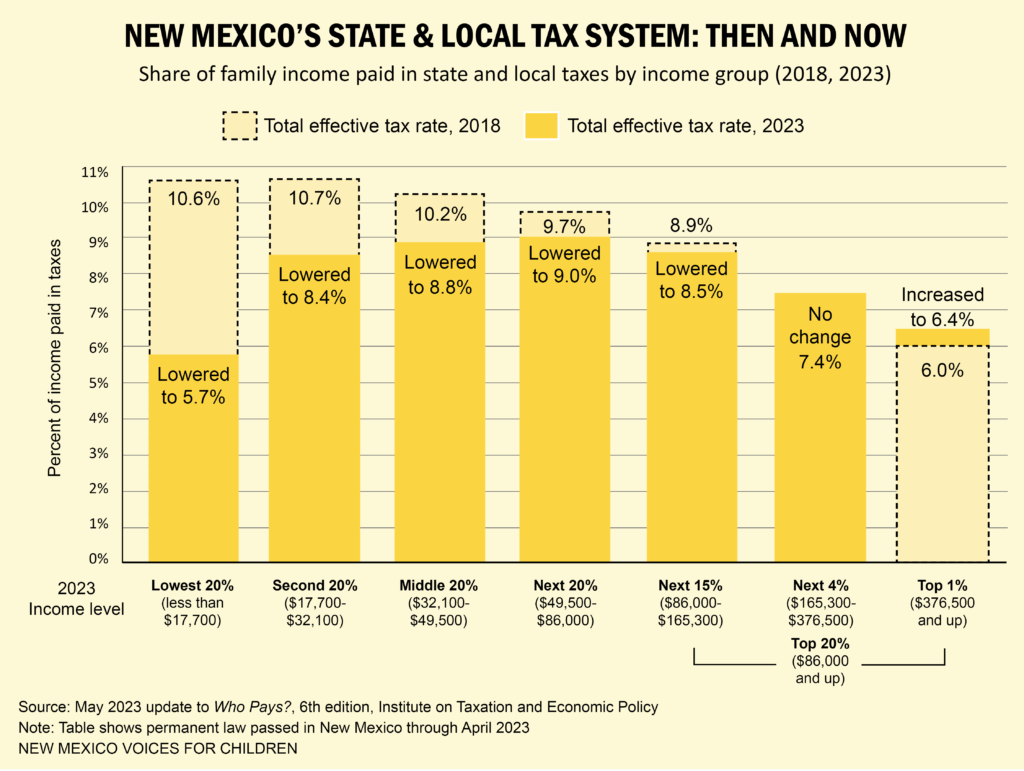
The GRT is administered by the New Mexico Taxation and Revenue Department. It’s important to note that while the state has a general GRT rate, many cities and counties within New Mexico also impose their own local GRT rates. These local rates can vary significantly, leading to a combined GRT rate that differs depending on the specific location of the business. For a hotel situated in Santa Fe, for example, the applicable rate will be the sum of the state GRT and the Santa Fe city GRT, and potentially any county GRT if applicable. This intricate layering of tax rates necessitates careful attention to detail when calculating the final tax liability.
The GRT applies to virtually all business activities within New Mexico, including the provision of lodging services, food and beverage sales, and other amenities offered by hospitality businesses. The “gross receipts” are generally defined as the total amount of money or other consideration received from selling or leasing tangible property, or from performing services, within New Mexico. This broad definition underscores the comprehensive nature of the tax.
Key Components of GRT Calculation
Calculating GRT involves several key components that businesses must consider. These include understanding the applicable tax rates, identifying taxable receipts, and correctly applying any allowable deductions or exemptions.
Tax Rates: State and Local
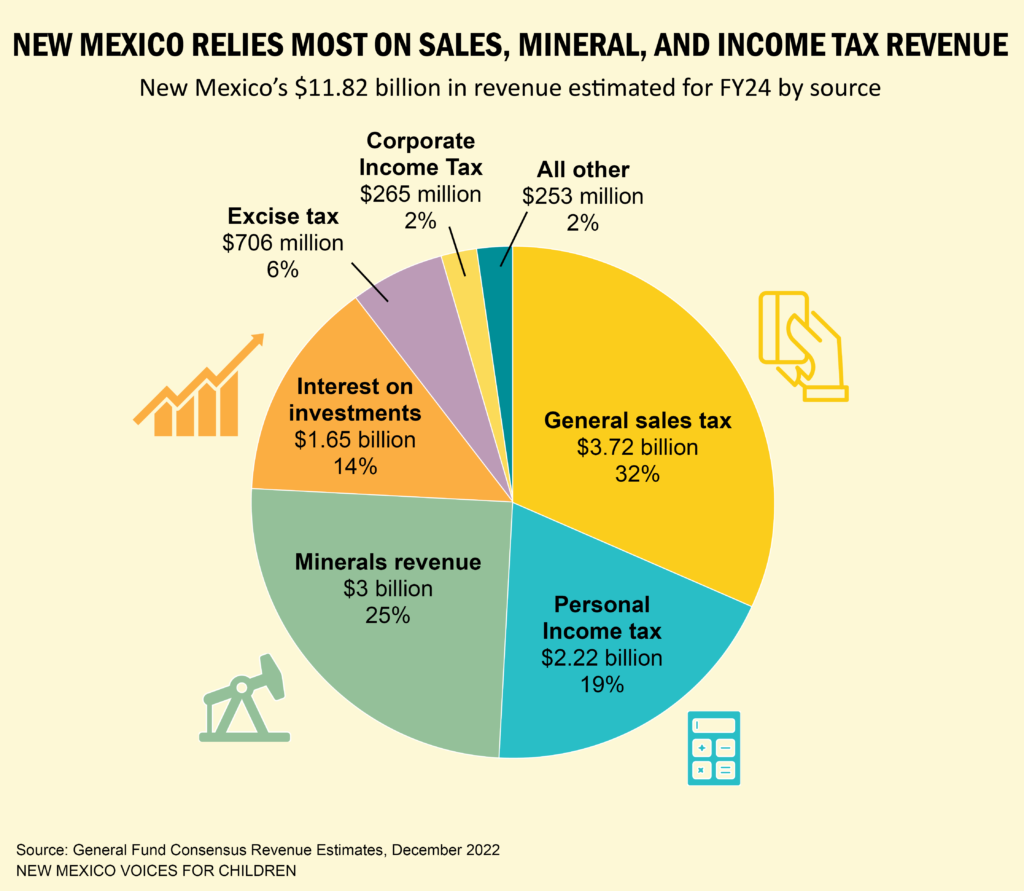
The first step in calculating GRT is to determine the correct tax rates. In 2021, the state GRT rate in New Mexico was 5.125%. However, this is rarely the total rate a business will pay. Localities, including municipalities and counties, impose their own GRT rates, which are added to the state rate. For instance, a hotel in Albuquerque would need to consider the state rate, the Albuquerque city GRT, and any relevant county GRT. These local rates can change, so it is imperative to consult the most current information from the New Mexico Taxation and Revenue Department or local government websites.
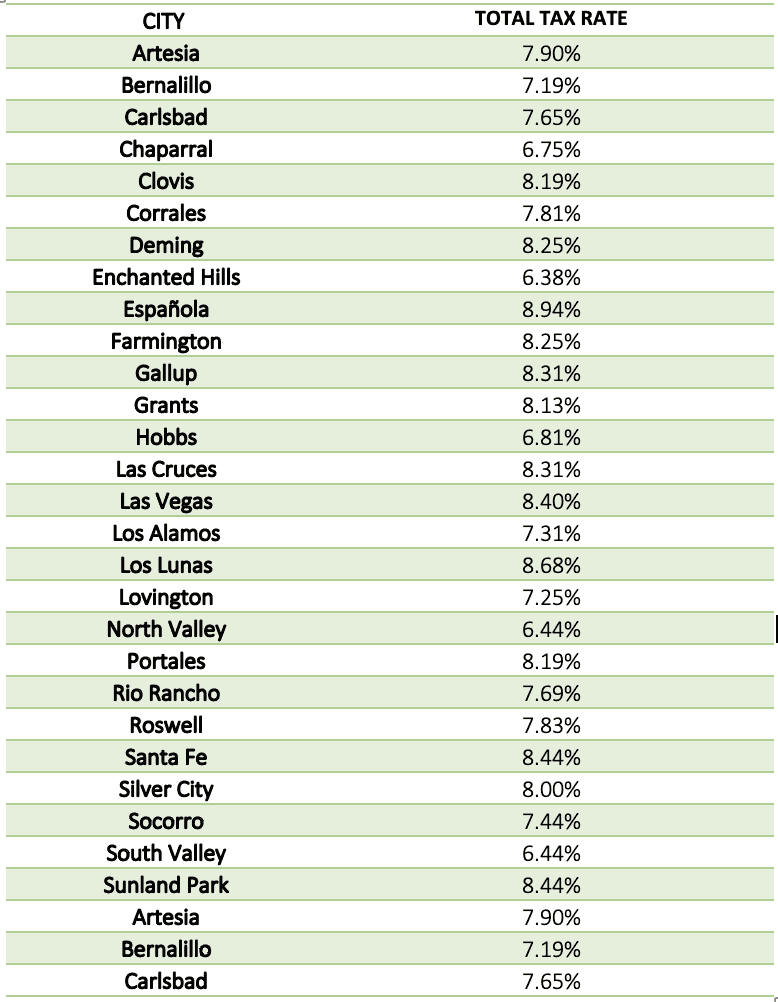
The combined rate can range from below 7% to over 8.5% in some areas. For hospitality businesses, this means that the price of a room or a meal is not simply the base cost; a significant percentage will be added as GRT. Accurate knowledge of the combined rate for the specific business location is non-negotiable.
Taxable Receipts
Identifying what constitutes “taxable receipts” is crucial. For hotels and resorts, this primarily includes revenue generated from:
- Lodging: Rent or fees charged for occupying rooms, suites, apartments, villas, or any other form of temporary accommodation.
- Food and Beverage Sales: Revenue from restaurants, bars, room service, and catering services.
- Ancillary Services: Fees for services like laundry, Wi-Fi, parking, spa treatments, and conference room rentals.
- Event Rentals: Income from renting out event spaces for meetings, weddings, or other gatherings.
It is important to distinguish between gross receipts and net receipts. GRT is levied on the former, before any business expenses are deducted, unless a specific deduction or exemption applies.
Deductions and Exemptions
While GRT is broad, certain deductions and exemptions may be available to reduce the tax liability. These are typically narrowly defined and require strict adherence to the regulations. For the hospitality sector, common areas of consideration might include:
- Resold Services: If a hotel purchases a service from a third party (e.g., a specialized cleaning service) and then resells that service to a guest as part of a package, the receipts from that resale might be deductible if properly documented.
- Services Performed Out of State: If a service is contracted for within New Mexico but performed entirely outside the state, the receipts from that service may be exempt. This is less common for core hotel operations but could apply to specific business-to-business services.
- Sales for Resale: This is a critical deduction. If a hotel purchases goods for the purpose of reselling them to customers (e.g., gift shop items, packaged snacks), the cost of those goods to the hotel is generally not subject to GRT when purchased. However, the sale of those goods to the customer is subject to GRT. The deduction applies to the “cost” of the item when the hotel is buying it to resell.
It’s vital for businesses to maintain meticulous records to substantiate any claimed deductions or exemptions. The New Mexico Taxation and Revenue Department has specific requirements for documentation.
The Calculation Process: Step-by-Step
Calculating GRT involves a straightforward, albeit detailed, process that can be broken down into manageable steps.
Step 1: Identify All Gross Receipts
The first and most fundamental step is to aggregate all revenue generated by the business during the reporting period (typically monthly or quarterly). This includes revenue from all sources, such as room charges, food and beverage sales, amenity fees, and any other services provided to customers. For a hotel like the La Fonda on the Plaza in Santa Fe, this would encompass everything from room nights booked by leisure travelers to corporate event catering.
Step 2: Determine Applicable Tax Rates
As discussed, the applicable tax rate is a combination of the state GRT rate and the local GRT rates for the specific business location. It’s crucial to stay updated on these rates, as they can be amended. For a business operating in multiple locations, the GRT must be calculated separately for each location based on its unique tax rate.
For example, if a hotel in Las Cruces has a state GRT of 5.125% and a city GRT of 3.125%, the total applicable rate is 8.25%.
Step 3: Apply Deductions and Exemptions
Review all gross receipts to identify any that qualify for specific deductions or exemptions. This requires a thorough understanding of New Mexico GRT law and the business’s specific operations.
- Example: A hotel might purchase $1,000 worth of bottled water from a wholesaler to sell in its gift shop. The hotel pays GRT on that $1,000 purchase, but it is purchasing for resale. When it sells the bottled water to guests, it collects GRT on the selling price of that water. The initial purchase is not a deduction from its own GRT calculation, but rather the item is being acquired for resale. However, if the hotel provides complimentary water in rooms, that cost is part of its operational expense and not directly subject to a resale deduction.
Careful record-keeping is paramount. If a hotel has a contract to manage a restaurant within its premises that is a separate legal entity, the revenue from that restaurant might be handled differently, and it’s essential to understand the contractual and legal structures involved.
Step 4: Calculate Taxable Receipts
Subtract the value of any allowable deductions and exemptions from the total gross receipts. The remaining amount is the net taxable receipts.
- Formula: Total Gross Receipts – Applicable Deductions/Exemptions = Net Taxable Receipts
Step 5: Calculate the Gross Receipts Tax Due
Multiply the net taxable receipts by the combined GRT rate for the business’s location.
-
Formula: Net Taxable Receipts * Combined GRT Rate = GRT Due
-
Example: A hotel in Santa Fe has total gross receipts of $100,000 for the month. After reviewing its operations, it determines it has $5,000 in receipts from services performed entirely out of state and $1,000 in receipts from sales of goods purchased specifically for resale (this latter part is often misconstrued; the deduction is more about not taxing the purchase of goods for resale, rather than a direct deduction from receipts unless specific conditions apply). For simplicity, let’s assume only the out-of-state service receipts are a direct deductible item.
- Net Taxable Receipts = $100,000 – $5,000 = $95,000
- Assume the combined GRT rate in Santa Fe in 2021 was 7.875%.
- GRT Due = $95,000 * 0.07875 = $7,481.25
Step 6: Remit the Tax
The calculated GRT is due to the New Mexico Taxation and Revenue Department by the filing deadline, typically the 25th of the month following the reporting period. Businesses can file and pay electronically through the department’s online portal.
Special Considerations for Hospitality Businesses
The hospitality sector, encompassing hotels, resorts, and vacation rentals, faces unique challenges and opportunities when it comes to GRT.
Transient Guest vs. Long-Term Occupancy
New Mexico law generally treats transient guests (those staying for less than a continuous period of 30 days) as taxable for lodging. However, provisions exist for long-term occupancy. For stays exceeding 30 consecutive days, the gross receipts from lodging are typically exempt from GRT. This distinction is crucial for hotels offering extended stay options or apartment-style units. Detailed record-keeping is necessary to track the duration of each guest’s stay to correctly apply this exemption.
Food and Beverage Operations
Hotels often operate extensive food and beverage services, from casual dining to fine dining restaurants and bars. All receipts from these operations are generally subject to GRT, just like any other restaurant in New Mexico. This includes revenue from dine-in, take-out, delivery, and catering services. The sale of alcoholic beverages is also subject to GRT, in addition to any other applicable excise taxes.
Event and Convention Services
Venues that host conventions, conferences, weddings, and other events must account for GRT on all revenue generated from these services. This includes room rental fees, catering, audio-visual equipment rentals, and any other charges associated with event planning and execution. These can often be complex transactions involving multiple components, requiring careful itemization and application of the correct GRT rates.
Online Travel Agencies (OTAs) and Third-Party Bookings
When bookings are made through Online Travel Agencies (OTAs) such as Expedia or Booking.com, determining who is responsible for remitting the GRT can be complex. Generally, the hotel is responsible for the GRT on the retail price of the room. However, the agreement between the hotel and the OTA dictates how the payment flows and who remits the tax. Often, the OTA collects the full amount from the guest and then remits a portion to the hotel, less their commission. The hotel must ensure that the GRT is calculated and remitted on the full amount paid by the guest for the room, not just the net amount received from the OTA. Understanding these contractual agreements is vital to avoid underpayment of taxes.
Compliance and Best Practices
Adhering to GRT regulations is paramount for any business, especially those in the dynamic hospitality industry. Non-compliance can lead to penalties, interest, and significant financial strain.
Accurate Record-Keeping
The foundation of accurate GRT calculation and compliance is meticulous record-keeping. This includes maintaining detailed records of all sales, receipts, invoices, and expenses. For hospitality businesses, this means tracking individual room charges, food and beverage sales, service fees, and the duration of guest stays. Records should be organized and easily accessible for audits. Digital record-keeping systems are highly recommended.
Regular Review and Updates
Tax laws and rates are subject to change. Businesses should commit to regularly reviewing updates from the New Mexico Taxation and Revenue Department and local authorities. This proactive approach ensures that calculations are always based on the most current information. For example, changes in local ordinances could alter the GRT rate in a specific city, impacting a hotel’s tax liability immediately.
Seeking Professional Advice
The complexities of the GRT, particularly with varying local rates and specific exemptions, can be overwhelming. Engaging with a qualified tax professional or CPA specializing in New Mexico business taxes is often a wise investment. They can provide expert guidance on calculation, compliance, and identifying potential tax savings.
Utilizing Online Filing Systems
The New Mexico Taxation and Revenue Department offers online portals for filing tax returns and making payments. Utilizing these systems can streamline the process, reduce errors, and ensure timely submissions. Familiarizing oneself with the functionality of these portals is essential for efficient tax management.
By understanding the nuances of New Mexico’s Gross Receipts Tax and implementing robust compliance strategies, hospitality businesses can navigate this essential tax obligation effectively, ensuring their operations remain both profitable and legally sound.
LifeOutOfTheBox is a participant in the Amazon Services LLC Associates Program, an affiliate advertising program designed to provide a means for sites to earn advertising fees by advertising and linking to Amazon.com. Amazon, the Amazon logo, AmazonSupply, and the AmazonSupply logo are trademarks of Amazon.com, Inc. or its affiliates. As an Amazon Associate we earn affiliate commissions from qualifying purchases.