
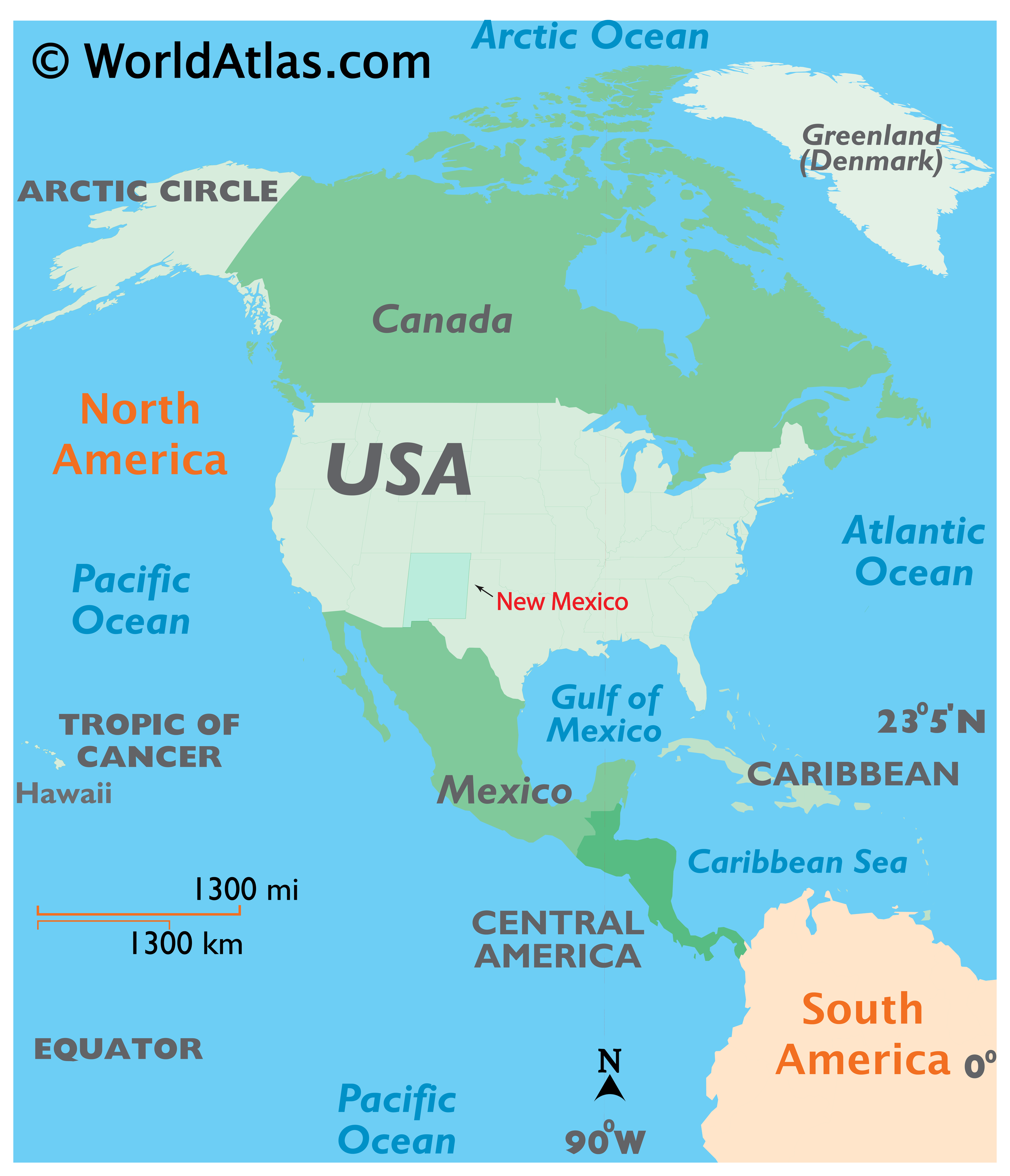
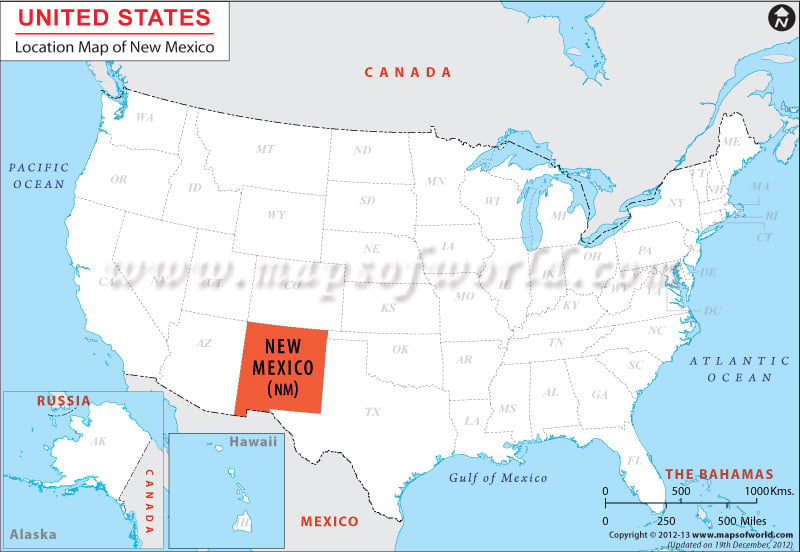
The question, “Is New Mexico in Mexico?” often sparks curiosity, particularly for those unfamiliar with the geography and history of the North American continent. While the name might suggest a direct connection, the reality is that New Mexico is a state within the United States of America. Its rich history, however, is deeply intertwined with Mexico, a legacy that continues to shape its vibrant culture and unique identity today. Understanding this historical relationship is key to appreciating the distinct allure of New Mexico as a travel destination.
A Tale of Two Names: Historical Roots and Political Boundaries
The origin of the name “New Mexico” dates back to the 16th century when Spanish conquistadors, led by figures like Francisco Vásquez de Coronado, explored the vast territories north of New Spain (which would eventually become Mexico). Inspired by tales of a wealthy empire to the north, similar to the Aztec capital of Tenochtitlan (modern-day Mexico City), they bestowed the name “Nuevo México” upon the lands they explored. This nomenclature was a reflection of their aspirations and their perception of the region’s potential riches, rather than an indication of direct political affiliation with the existing indigenous societies or later colonial administration of Mexico.
Colonial Encounters and Shifting Borders
For centuries, the region that is now New Mexico was under Spanish colonial rule. This period laid the foundation for much of the state’s architectural style, religious practices, and linguistic influences. Following Mexico’s independence from Spain in 1821, the territory of New Mexico became part of the newly formed Mexican Republic. During this relatively brief period of Mexican governance, the territory experienced further cultural exchange and administrative development.
However, the geopolitical landscape of North America was in constant flux. The Mexican-American War (1846-1848) led to the cession of vast territories, including New Mexico, to the United States under the Treaty of Guadalupe Hidalgo. This marked a significant turning point, officially transferring sovereignty and integrating the region into the fabric of the United States. New Mexico officially became the 47th state of the United States on January 6, 1912.
The Enduring Mexican Influence: Culture and Heritage
Despite its current political status, the historical ties to Mexico are indelibly etched into the identity of New Mexico. This influence is most palpable in its rich and diverse culture, which is a captivating blend of Native American, Spanish, and Mexican traditions.
Culinary Delights: A Taste of Tradition
The cuisine of New Mexico is a prime example of this fusion. Influenced by both indigenous ingredients and Spanish culinary techniques brought by early settlers, and further enriched by waves of Mexican immigration, it stands as a distinct culinary tradition. Dishes like enchiladas, tamales, and chiles rellenos, while found throughout Mexico, have evolved in New Mexico into unique regional variations. The ubiquitous use of New Mexican red and green chile, often referred to as “Christmas” when both are served, is a hallmark of this distinct gastronomic landscape. The annual State Fair in Albuquerque often features a wide array of food vendors celebrating this heritage.
Architectural Echoes: Spanish Colonial Charm
The architectural landscape of New Mexico is a visual testament to its past. The dominant style, known as Pueblo Revival, draws heavily from traditional Native American Pueblo dwellings and incorporates elements of Spanish Colonial architecture. Buildings constructed with adobe, featuring flat roofs, rounded corners, and vigas (exposed wooden beams), are characteristic of towns like Santa Fe and Taos. Churches such as the Loretto Chapel in Santa Fe and the San Miguel Mission, believed to be the oldest church in the continental United States, showcase the enduring Spanish architectural influence.

Linguistic Legacies: A Bilingual Landscape
The Spanish language remains a vibrant and integral part of New Mexico. While English is the primary language of government and commerce, Spanish is widely spoken, particularly in communities with deep historical roots. Many place names across the state, from Las Cruces to Río Rancho, are of Spanish origin, a constant reminder of the state’s historical narrative. This linguistic duality contributes to the unique cultural tapestry that attracts travelers from around the globe.
Exploring New Mexico: A Journey Through History and Culture
For the discerning traveler, New Mexico offers an immersive experience that transcends typical tourist destinations. Its unique blend of history, culture, and natural beauty provides a journey into a land where past and present converge.
Santa Fe: The City Different
Santa Fe, the capital of New Mexico, is renowned for its artistic community, rich history, and stunning architecture. The historic Santa Fe Plaza is the heart of the city, surrounded by art galleries, museums, and historic adobe buildings. Visitors can explore the Georgia O’Keeffe Museum, dedicated to the iconic American artist who found inspiration in the desert landscapes of New Mexico. The city’s culinary scene is a major draw, with numerous restaurants offering authentic New Mexican cuisine. For those seeking a luxurious stay, hotels like the La Fonda on the Plaza offer a glimpse into the region’s historic charm.
Taos: Art and Ancient Pueblos
Further north lies Taos, a town steeped in artistic legacy and home to the ancient Taos Pueblo, a UNESCO World Heritage Site. This continuously inhabited Native American community offers a profound connection to the region’s indigenous heritage. Taos has long been a magnet for artists and writers, and its numerous galleries and studios reflect this vibrant creative spirit. The stunning natural beauty surrounding Taos, including the [Rio Grande Gorge Bridge], provides ample opportunities for outdoor adventures.
Albuquerque: A Blend of Modernity and Tradition
Albuquerque, the largest city in New Mexico, offers a dynamic mix of modern amenities and historical charm. The historic Old Town Albuquerque is a hub of activity, featuring centuries-old adobe buildings, shops, and restaurants. The city is also famous for the annual International Balloon Fiesta, a spectacular event that draws hot air balloons from around the world. For a unique perspective, a ride on the Sandia Peak Tramway offers breathtaking panoramic views of the surrounding landscape. Hotels ranging from boutique establishments in Old Town to modern accommodations in the city center cater to every traveler’s needs.
Beyond the Cities: Natural Wonders and Cultural Immersion
New Mexico is also a treasure trove of natural wonders and opportunities for deep cultural immersion. The otherworldly landscapes of White Sands National Park, with its vast expanses of gypsum dunes, offer a unique recreational experience. The ancient cliff dwellings of Mesa Verde National Park (though technically in neighboring Colorado, its influence and accessibility from New Mexico are notable) and the many other archaeological sites scattered across the state provide a glimpse into the lives of its earliest inhabitants. Experiencing a traditional Native American dance performance or attending a local fiesta offers a chance to connect with the living heritage of the region.
In conclusion, while New Mexico is an integral part of the United States, its name, history, and enduring cultural influences are deeply rooted in its past associations with Mexico. This complex and fascinating relationship has created a destination unlike any other, offering travelers a rich tapestry of experiences that celebrate the convergence of cultures and the enduring spirit of the Southwest.
LifeOutOfTheBox is a participant in the Amazon Services LLC Associates Program, an affiliate advertising program designed to provide a means for sites to earn advertising fees by advertising and linking to Amazon.com. Amazon, the Amazon logo, AmazonSupply, and the AmazonSupply logo are trademarks of Amazon.com, Inc. or its affiliates. As an Amazon Associate we earn affiliate commissions from qualifying purchases.