
For anyone embarking on a journey to the verdant shores of Hilo, Hawaii, the simple question “What time is it?” carries more weight than mere curiosity. Beyond its immediate answer, understanding the local time is the first step in seamlessly integrating into the island’s rhythm, whether you’re coordinating travel plans, booking tours, or simply adjusting your internal clock to fully embrace the aloha spirit. Hilo, nestled on the eastern side of Hawaii’s Big Island, operates on Hawaii Standard Time (HST), a unique time zone that distinguishes it from much of the rest of the United States. This article delves into the specifics of Hilo’s time, unraveling its implications for travelers, and then expands into a comprehensive guide to experiencing this captivating destination. From its lush natural landscapes and vibrant culture to diverse accommodation options and unforgettable lifestyle experiences, we’ll help you synchronize your watch and your soul with the enchanting pace of Hilo.

Understanding Hawaii Standard Time: Your Hilo Time Zone Primer
At any given moment, the time in Hilo reflects Hawaii Standard Time (HST). This time zone is consistently UTC-10, meaning it is 10 hours behind Coordinated Universal Time. What makes HST particularly distinct is its steadfast refusal to partake in Daylight Saving Time. While many regions “spring forward” and “fall back,” Hawaii maintains a constant clock, simplifying calculations for residents and often bringing a sigh of relief to visitors who appreciate the stability.
The No-Daylight Saving Time Advantage
The absence of Daylight Saving Time in Hawaii means that the time difference between Hilo and other parts of the world remains constant throughout the year. For instance, when it’s 12:00 PM (HST) in Hilo:
- It’s 2:00 PM Pacific Standard Time (PST) / 3:00 PM Pacific Daylight Time (PDT) in Los Angeles.
- It’s 3:00 PM Mountain Standard Time (MST) / 4:00 PM Mountain Daylight Time (MDT) in Denver.
- It’s 4:00 PM Central Standard Time (CST) / 5:00 PM Central Daylight Time (CDT) in Chicago.
- It’s 5:00 PM Eastern Standard Time (EST) / 6:00 PM Eastern Daylight Time (EDT) in New York City.
This consistency simplifies planning for international travelers, allowing them to calculate time differences with ease, regardless of the season. It’s one less thing to worry about when you’re dreaming of volcanic landscapes and pristine beaches.
Navigating Time Differences for a Smooth Arrival
Adjusting to Hilo’s time can be a significant part of a successful trip, especially for those arriving from the mainland United States or further afield. Jet lag is a common hurdle, but with a few strategic tips, you can minimize its impact and maximize your enjoyment from day one. Start shifting your sleep schedule a few days before departure, hydrate well during your flight, and upon arrival, expose yourself to natural daylight as much as possible. Resist the urge to nap immediately if it’s daytime in Hilo, and try to stay awake until the local bedtime.
Knowing the exact time is critical for managing your travel itinerary. Flight arrivals and departures from Hilo International Airport are always in HST. Similarly, check-in times for hotels, scheduled tours to Hawaii Volcanoes National Park, sunset cruises from Hilo Bay, and dinner reservations at local eateries will all adhere to the local clock. Being mindful of the time ensures you won’t miss out on any of the incredible experiences Hilo has to offer, from watching the sunrise over the Pacific Ocean to stargazing near Mauna Kea.
Discovering Hilo: A Big Island Gem Beyond the Clock
Once you’ve set your watch to Hilo time, a world of travel and tourism unfolds. Unlike the drier, more resort-centric Kona side of the Big Island, Hilo is known for its lush rainforests, spectacular waterfalls, and a vibrant, authentic Hawaiian atmosphere. It’s a destination for those who appreciate natural beauty, rich history, and genuine local culture.
Natural Wonders and Iconic Landmarks
Hilo’s landscape is dominated by awe-inspiring natural landmarks that are a testament to the Big Island’s volcanic origins. No visit to Hilo is complete without exploring Hawaii Volcanoes National Park, home to two of the world’s most active volcanoes, Kilauea and Mauna Loa. The park offers unparalleled opportunities for hiking, witnessing dramatic lava flows (when conditions permit), and learning about the powerful geological forces that shaped Hawaii.
Closer to Hilo town, you’ll find the majestic Rainbow Falls within Wailuku River State Park. Often graced by rainbows in the morning mist, these 80-foot cascades are easily accessible and offer stunning photo opportunities. Just upstream are the Peepeekeo Scenic Drive and Boiling Pots, a series of turbulent pools and waterfalls. For adventurers, the ancient lava tubes of Kaumana Caves provide a fascinating glimpse into the island’s subterranean world.
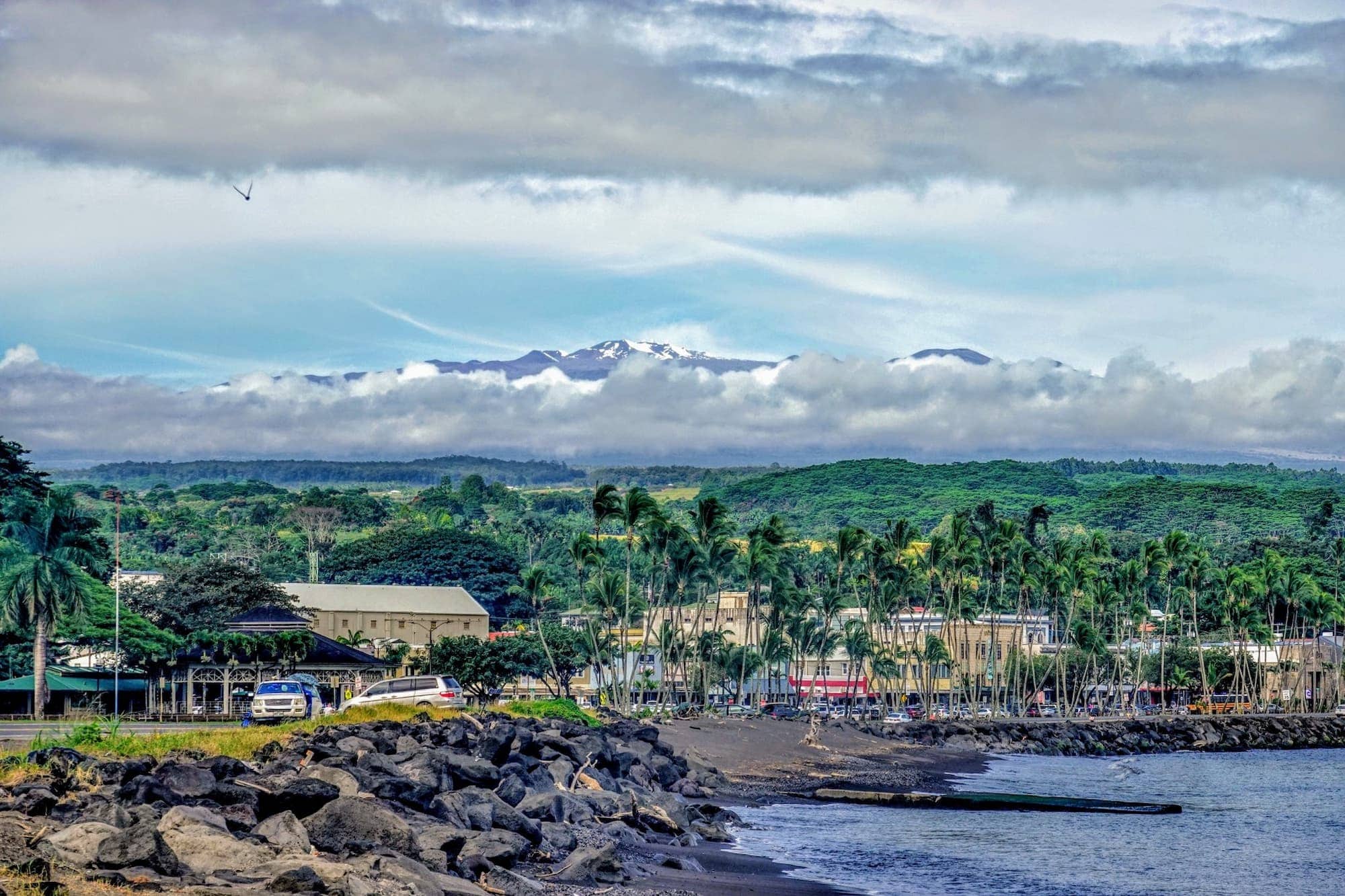
Beyond its volcanic and waterfall attractions, Hilo boasts serene Liliʻuokalani Park and Gardens, the largest authentic ornamental Japanese gardens outside of Japan. Spanning 30 acres along Hilo Bay, these tranquil gardens offer picturesque pathways, stone lanterns, pagodas, and ponds, providing a peaceful retreat. Adjacent to the gardens is Coconut Island, a small island park popular for picnics, swimming, and jump rock diving, offering panoramic views of the bay and Mauna Kea.
Immersing in Local Culture and Gastronomy
Hilo’s charm lies in its strong connection to Hawaiian traditions and diverse cultural influences. The Imiloa Astronomy Center of the University of Hawaii at Hilo is a fantastic place to explore the intersection of Hawaiian culture and modern astronomy, celebrating both ancient navigation techniques and cutting-edge scientific research. For a taste of everyday island life, the Hilo Farmers Market is a must-visit, offering a vibrant array of fresh produce, tropical flowers, local crafts, and prepared foods. It’s an ideal spot to sample exotic fruits, indulge in a delicious poke bowl, or find unique souvenirs.
Gastronomy in Hilo is a delightful blend of fresh island ingredients and diverse culinary traditions. From traditional Hawaiian plate lunches at local favorites like Cafe 100 (famous for its loco moco) to farm-to-table dining experiences showcasing fresh seafood and tropical produce, there’s something for every palate. Don’t miss the opportunity to try freshly caught fish, taro, sweet potatoes, and, of course, authentic Hawaiian coffee from the nearby Kaʻu region. Food tours can be an excellent way to discover hidden culinary gems and learn about the origins of local ingredients.
Beyond the major attractions, explore downtown Hilo’s charming shops, art galleries, and historic architecture. The Mokupāpapa Discovery Center offers insights into the Papahānaumokuākea Marine National Monument, a vast marine conservation area. For families, the Panaʻewa Rainforest Zoo & Gardens provides a unique opportunity to see rare animals like white tigers amidst a tropical rainforest setting.
Accommodation and Lifestyle in Hilo: Where to Stay and How to Live It Up
Hilo offers a range of accommodation options to suit every budget and lifestyle, from luxurious resorts with stunning bay views to cozy vacation rentals that immerse you in the local community. Choosing where to stay significantly impacts your Hilo experience, so it’s essential to consider your priorities.
Finding Your Perfect Hilo Stay: From Luxury Resorts to Cozy Stays
For those seeking full-service amenities and prime waterfront locations, Hilo offers several reputable hotels. The Grand Naniloa Hotel Hilo – a DoubleTree by Hilton and the Hilo Hawaiian Hotel are popular choices, boasting pools, restaurants, and often stunning views of Hilo Bay and Mauna Kea. These resorts cater to luxury travel and those who appreciate convenience and comfort. Amenities often include spas, fitness centers, and concierge services to assist with tour bookings and local recommendations.
If you prefer a more boutique or budget-friendly option, consider places like SCP Hilo Hotel, which emphasizes wellness and sustainability, or Arnott’s Lodge, a popular choice for backpackers and those looking for an authentic, communal atmosphere near the airport. For families, longer stays, or those desiring more privacy and a “home away from home” feel, vacation rentals through platforms like Airbnb and Vrbo are abundant. These range from charming cottages nestled in the rainforest to spacious apartments in downtown Hilo, often equipped with kitchens and multiple bedrooms, ideal for family trips or group travel. When booking, always check reviews and location to ensure it aligns with your travel style and preferences.
Crafting Your Ideal Hilo Lifestyle Experience
Hilo offers a versatile lifestyle for visitors. You can indulge in luxury by staying at a premier resort, enjoying fine dining, and perhaps even taking a scenic helicopter tour over active volcanoes. Alternatively, budget travel is entirely feasible, with affordable guesthouses, local eateries, and a plethora of free or low-cost natural attractions.
For family trips, Hilo provides a safe and engaging environment. Children will love exploring the Panaʻewa Rainforest Zoo & Gardens, swimming at Coconut Island, or learning about stars at the Imiloa Astronomy Center. For those on a business stay, Hilo provides a more relaxed pace than the bustling cities, with comfortable accommodations and good connectivity, allowing for productive work alongside opportunities for unwinding amidst nature. Shopping opportunities range from unique local boutiques to the Prince Kuhio Plaza, the largest enclosed shopping mall on the Big Island.
No matter your preference, Hilo encourages a slower, more mindful approach to travel. Embrace the rain, which nourishes its vibrant ecosystem, and take the time to connect with the land and its people. This relaxed pace is part of the allure, allowing you to truly immerse yourself in the island’s unique charm.
Planning Your Hilo Adventure: Tips for an Unforgettable Journey
A well-planned trip to Hilo can transform a good vacation into an unforgettable adventure. Beyond understanding the time, a few practical tips will ensure your journey is smooth, enjoyable, and respectful of the local environment and culture.
Essential Travel Tips and What to Pack
Given Hilo’s tropical rainforest climate, expect warm temperatures and frequent, though often brief, rain showers. This means packing layers is crucial. Lightweight, breathable clothing for warm days, a rain jacket or umbrella for sudden downpours, and comfortable walking shoes for exploring trails and town are essential. If you plan to hike in Hawaii Volcanoes National Park, bring sturdy, closed-toe shoes. Swimsuits are a must for beach days and waterfall dips. Don’t forget reef-safe sunscreen to protect both your skin and the delicate marine ecosystem. Insect repellent is also advisable, especially if you plan to venture into lush, forested areas.
Transportation around the Big Island is best managed with a rental car. While Hilo itself is walkable in parts, a car provides the flexibility to explore Hawaii Volcanoes National Park, the Hamakua Coast, and other distant attractions at your own pace. Book your rental car in advance, especially during peak travel seasons. Inter-island flights typically land at Hilo International Airport (ITO), with direct flights also available from some mainland United States cities via airlines like Hawaiian Airlines, Alaska Airlines, and United Airlines. Major connecting hubs like Daniel K. Inouye International Airport in Honolulu (Oahu) and Kahului Airport in Kahului (Maui) offer frequent flights to Hilo.
Making the Most of Your Time in Hilo
Beyond ticking off popular sights, truly experiencing Hilo involves embracing its unique pace and warmth. Engage with locals, try the diverse food scene, and allow yourself to wander off the beaten path. Mornings are often the clearest, making them ideal for waterfall visits, while afternoons might bring refreshing rain showers perfect for visiting museums or enjoying a cozy coffee shop. Evenings offer spectacular stargazing opportunities, especially near the higher elevations or away from city lights.
Consider dedicating specific days to different regions: one for Hawaii Volcanoes National Park, another for the Hamakua Coast and its botanical gardens, and a day or two for exploring Hilo town and its immediate surroundings. Remember that the Big Island is truly “big,” so factor in driving times between attractions. Respect local customs and the natural environment by staying on marked trails, not disturbing wildlife, and leaving no trace behind. The phrase “mālama ʻāina” (to care for the land) is deeply ingrained in Hawaiian culture, and visitors are encouraged to adopt this ethos.
In conclusion, knowing “What time is it in Hilo, Hawaii?” is more than just a factual query; it’s an invitation to align with a new rhythm. Hilo’s unchanging Hawaii Standard Time simplifies your stay, allowing you to focus on the myriad of experiences awaiting. From exploring active volcanoes and chasing rainbows to savoring authentic Hawaiian cuisine and finding your perfect accommodation amidst lush landscapes, Hilo promises a journey filled with natural wonders, cultural immersion, and cherished memories. Set your watch, relax, and let the magic of the Big Island unfold.
LifeOutOfTheBox is a participant in the Amazon Services LLC Associates Program, an affiliate advertising program designed to provide a means for sites to earn advertising fees by advertising and linking to Amazon.com. Amazon, the Amazon logo, AmazonSupply, and the AmazonSupply logo are trademarks of Amazon.com, Inc. or its affiliates. As an Amazon Associate we earn affiliate commissions from qualifying purchases.