
New Mexico, often dubbed the “Land of Enchantment,” presents a visual tapestry woven from diverse landscapes, rich cultural heritage, and a unique architectural aesthetic. This southwestern state is a realm where ancient traditions meet modern vibrancy, creating a visual experience that is both timeless and captivating. From the stark beauty of its deserts to the majestic peaks of its mountains, and the vibrant hues of its art scene, New Mexico offers a singular panorama to any traveler.
A Canvas of Natural Wonders
The iconic imagery of New Mexico is inextricably linked to its dramatic natural environments. The state’s topography is a study in contrasts, offering a breathtaking array of geological formations and ecological zones.
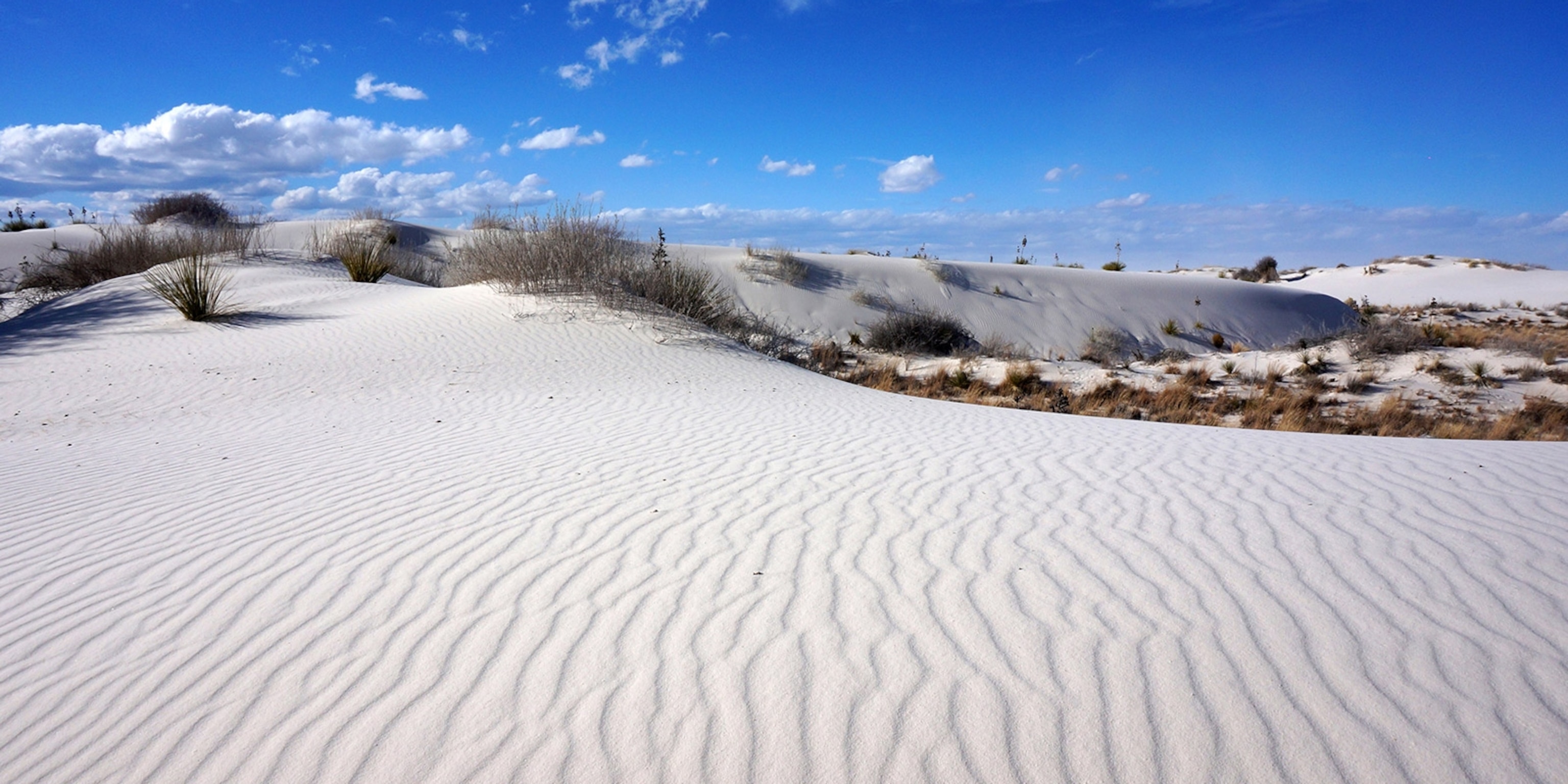
Desert Vistas and Red Rock Formations
Dominating much of the southern and western regions are expansive desert landscapes. These are not barren, empty expanses, but rather living ecosystems teeming with resilient flora and fauna. The characteristic ochre and sienna tones of the earth are punctuated by the vibrant green of yucca and cholla cacti, and the occasional splash of color from desert wildflowers after a rare rain.
The White Sands National Park is perhaps one of the most visually arresting examples of this desert beauty. Here, miles of undulating gypsum dunes create an otherworldly landscape, shimmering under the vast southwestern sky. The stark white sand against the deep blue of the heavens provides a surreal and unforgettable sight, a true testament to the unique geological processes at play.
Further north, areas like the Bisti/De-Na-Zin Wilderness offer a more rugged and fantastical terrain. Wind and water erosion have sculpted sandstone into bizarre hoodoos, arches, and abstract shapes, resembling a landscape from another planet. These formations, often in shades of grey, brown, and red, create a playground for photographers and hikers seeking a truly unique natural spectacle.
Mountain Majesty and Ponderosa Forests
Contrastingly, New Mexico is also home to significant mountain ranges, most notably the southern end of the Rocky Mountains. The Sangre de Cristo Mountains form a dramatic backdrop to many of the state’s northern communities, including the historic city of Santa Fe. These peaks are often snow-capped for much of the year, providing a striking visual counterpoint to the arid lowlands.
The higher elevations are characterized by dense forests of ponderosa pine, Douglas fir, and aspen. In the autumn, the aspens turn brilliant shades of gold and yellow, painting the mountainsides with a vibrant, fleeting beauty. Hiking trails wind through these forests, offering opportunities to experience the crisp mountain air and the scent of pine, leading to panoramic viewpoints that showcase the sprawling vistas below.
Unique Waterways and Canyons
While water might seem scarce in much of the state, New Mexico boasts several significant rivers and canyons that carve through its landscapes. The Rio Grande is the lifeblood of many communities, flowing from the mountains of Colorado through the heart of the state, eventually reaching the Gulf of Mexico. Its banks support riparian ecosystems, providing a verdant contrast to the surrounding drylands.
The Gila Cliff Dwellings National Monument showcases the dramatic carving power of water, with ancient cliff dwellings nestled within natural caves in steep canyon walls. These structures, built by the Mogollon people centuries ago, are a powerful reminder of the state’s deep historical roots and its harmonious integration with the natural environment.
Architectural Echoes of History and Culture
New Mexico’s visual identity is deeply intertwined with its distinctive architectural styles, a direct reflection of its multi-cultural history and the materials readily available from its environment.
Pueblo Revival and Territorial Styles
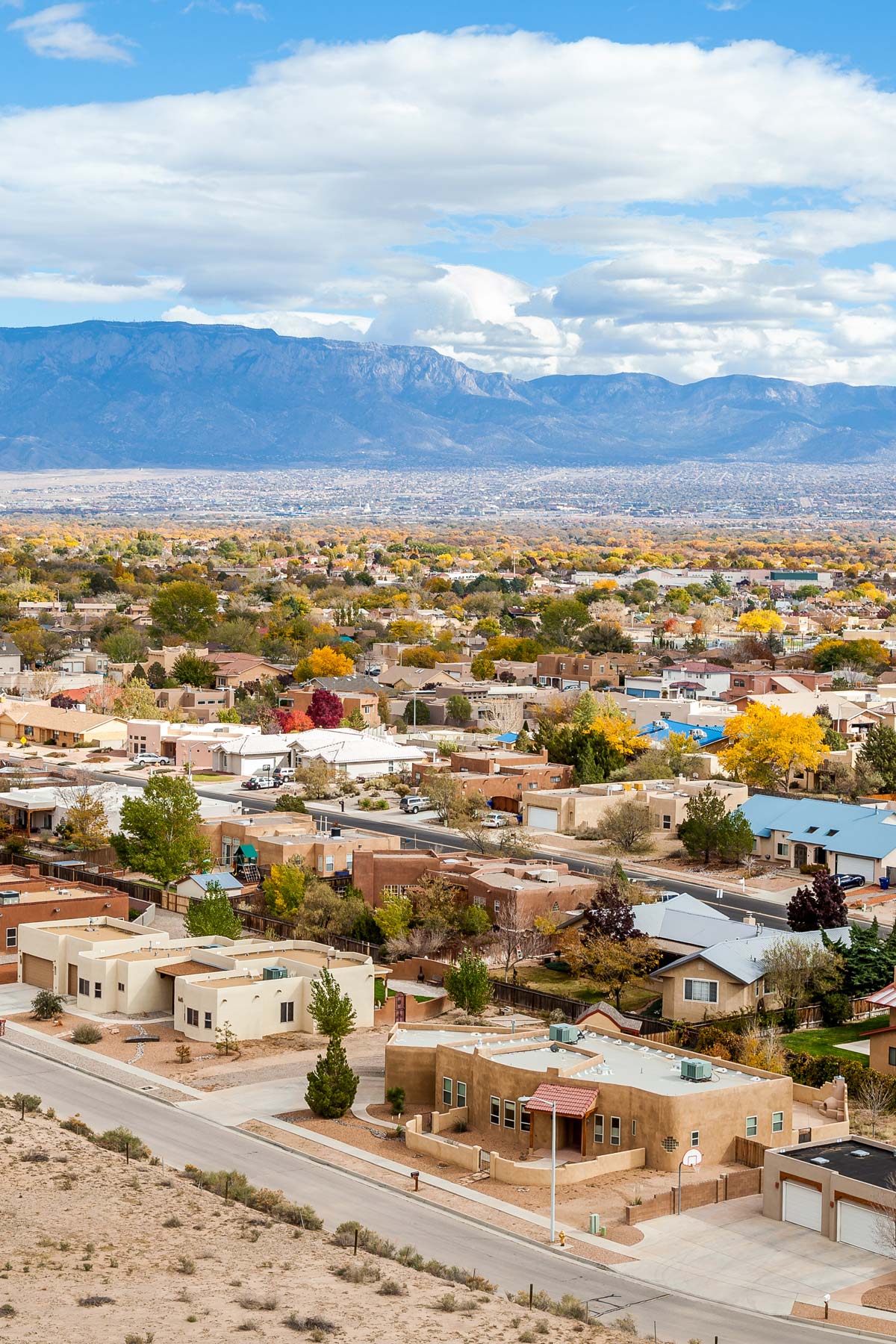
The most iconic architectural style found throughout New Mexico is the Pueblo Revival style. This aesthetic draws heavily from the indigenous Pueblo cultures that have inhabited the region for millennia. Characterized by adobe construction, flat roofs, rounded corners, and deep-set windows, these buildings blend seamlessly into the landscape. The natural earth tones of adobe – ranging from pale beige to deep reddish-brown – are a hallmark of this style. Buildings often feature vigas (exposed wooden beams) and latillas (smaller branches laid across vigas) as decorative elements.
Closely related is the Territorial style, which emerged during the American territorial period. It often incorporates elements of Pueblo architecture but with additional features like brick or stone accents, more angular forms, and sometimes Victorian-era embellishments.
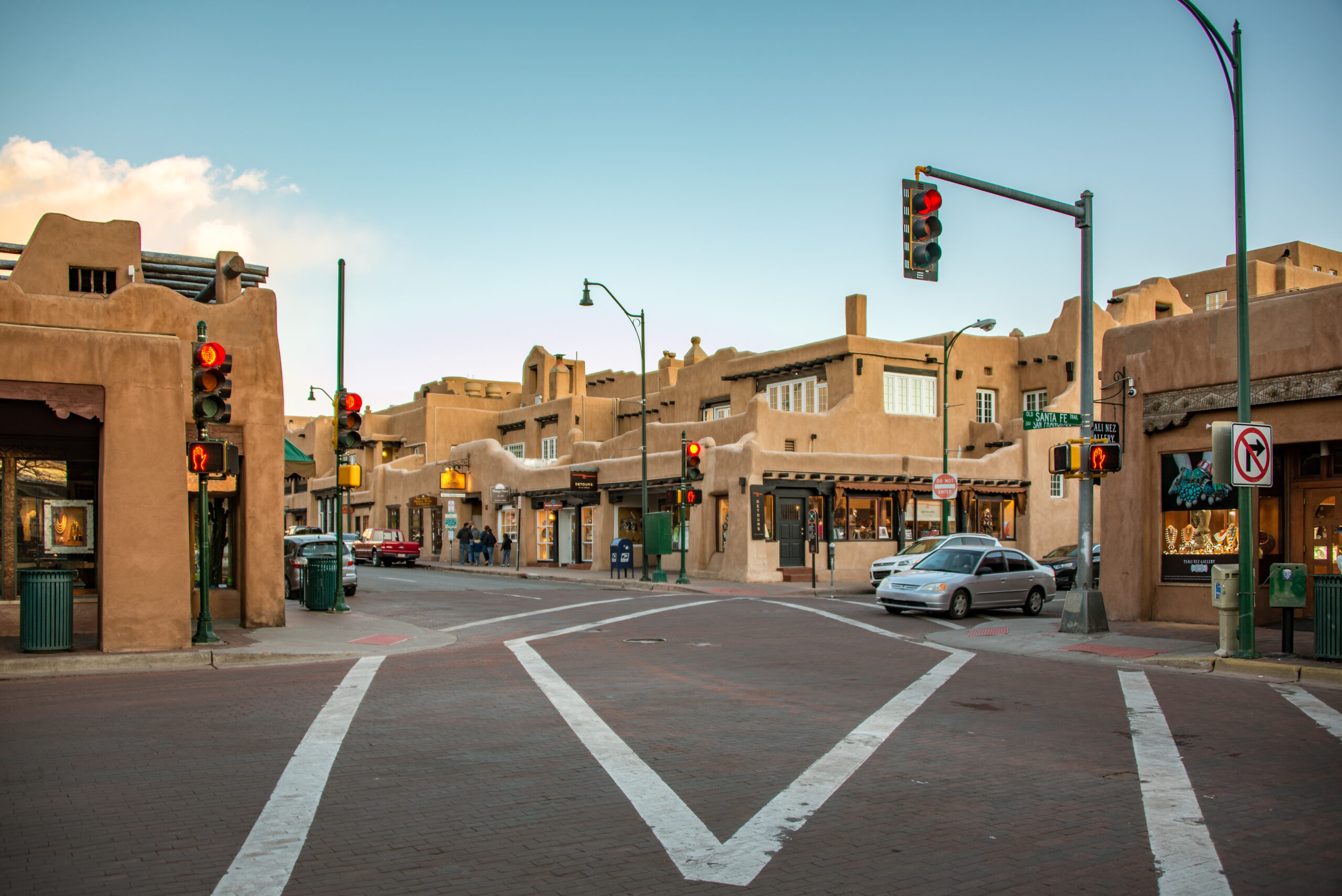
Cities like Santa Fe, Taos, and Albuquerque are replete with examples of these styles. The historic plazas and downtown areas are particularly evocative, with centuries-old buildings housing art galleries, shops, and restaurants. The gentle curves and earthy textures create an atmosphere of timelessness and authenticity.
Spanish Colonial Influence
The Spanish colonial period has also left an indelible mark on New Mexico’s architecture. Churches and mission buildings, such as the historic Loretto Chapel in Santa Fe with its famed spiral staircase, or the San Miguel Mission, the oldest church in the continental United States, exhibit robust stone or adobe construction, arched doorways, and bell towers. These structures often possess a solemn grandeur, reflecting the deep religious history of the region.
Modern Adaptations and Artistic Expressions
While traditional styles remain dominant, contemporary architecture in New Mexico often pays homage to these historical forms while embracing modern design principles. Many artists and architects incorporate local materials and incorporate passive solar design principles, reflecting a deep respect for the environment. The vibrant arts scene in New Mexico also manifests visually, with colorful murals adorning buildings and public spaces, adding another layer of visual dynamism to the urban and rural landscapes.
The Vibrant Palette of Culture and Art
New Mexico’s visual landscape extends beyond its natural beauty and architecture to encompass a rich and dynamic cultural and artistic expression. This is a state where art is not confined to galleries but is woven into the fabric of daily life.
Indigenous Art and Traditions
The enduring legacy of the Pueblo, Navajo, and Apache tribes is a vital component of New Mexico’s visual identity. Traditional pottery, weaving, jewelry making, and painting are celebrated and practiced by contemporary Native American artists. The intricate geometric patterns on Navajo rugs, the delicate designs on Pueblo pottery, and the vibrant colors used in paintings all contribute to a unique artistic heritage. Experiencing these art forms, whether through museum exhibits, cultural centers, or direct purchases from artists, offers profound insight into the spiritual and aesthetic sensibilities of indigenous peoples.
The Enchantment of Santa Fe and Taos
Santa Fe stands as a global hub for art and culture. Its compact downtown is filled with hundreds of art galleries, showcasing everything from traditional Native American crafts to contemporary fine art. Canyon Road, in particular, is a renowned street lined with historic adobe buildings that house an astonishing array of artistic expression. The city’s architecture, with its pervasive Pueblo Revival style, acts as a beautiful canvas for this vibrant art scene.
Similarly, Taos possesses a bohemian artistic spirit, famously attracting artists in the early 20th century. The Taos Pueblo, a UNESCO World Heritage Site, is one of the oldest continuously inhabited communities in North America, offering a living testament to ancient architectural and cultural practices. The surrounding landscape and the artistic community have inspired generations of painters and writers.
Culinary Visuals and Festival Colors
The visual appeal of New Mexico is also experienced through its renowned cuisine. The rich, earthy flavors of chili – both red and green – are not just culinary delights but visual signatures. The vibrant red of roasted red chilis and the bright green of roasted green chilis are prominent in dishes like enchiladas, tamales, and stews. The act of roasting chilis itself, with plumes of fragrant smoke rising, is a quintessential New Mexican sight and smell.
Festivals and celebrations throughout the year add another dimension of visual splendor. From the elaborate displays during the Santa Fe Indian Market and the Spanish Market to the dazzling lanterns of El Rancho de las Golondrinas’ Harvest Festival, these events are visual feasts, filled with colorful costumes, music, dance, and handcrafted artistry. The famous International Balloon Fiesta in Albuquerque, where hundreds of hot air balloons fill the sky in a breathtaking spectacle of color and light, is perhaps one of the most globally recognized visual events in the state.
In essence, New Mexico looks like a masterpiece painted with the earth’s own palette, sculpted by time and wind, and brought to life by the enduring spirit of its people and their artistic endeavors. It is a land that consistently surprises and delights the eye, inviting exploration and contemplation at every turn.
LifeOutOfTheBox is a participant in the Amazon Services LLC Associates Program, an affiliate advertising program designed to provide a means for sites to earn advertising fees by advertising and linking to Amazon.com. Amazon, the Amazon logo, AmazonSupply, and the AmazonSupply logo are trademarks of Amazon.com, Inc. or its affiliates. As an Amazon Associate we earn affiliate commissions from qualifying purchases.