
Navigating the temporal landscape of any destination is a crucial element of planning a successful trip. For those venturing to the captivating New Mexico, understanding its time zone is not just a matter of convenience, but also a key to unlocking a seamless travel experience. This guide delves into the specifics of New Mexico‘s time zone, its historical context, and practical implications for travelers, ensuring you arrive and depart on schedule, and can fully immerse yourself in the Land of Enchantment‘s unique allure.
Understanding Mountain Time
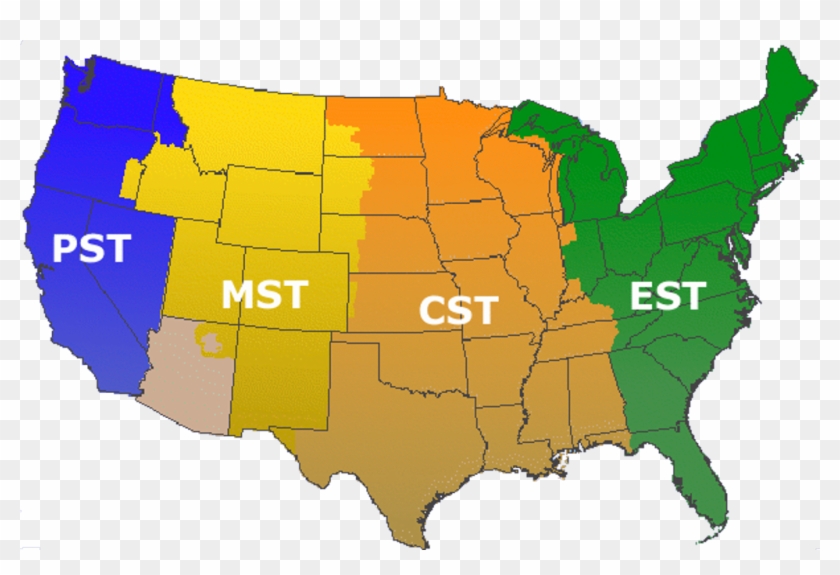
New Mexico observes Mountain Time. This designation places it within a specific time zone that spans a significant portion of the western and central United States. The primary characteristic of Mountain Time is its standard time offset from Coordinated Universal Time (UTC), which is UTC-7. During daylight saving time, the zone shifts to Mountain Daylight Time (MDT), becoming UTC-6. This twice-yearly adjustment is a common practice across many North American time zones and is meticulously followed throughout New Mexico.
Standard Time vs. Daylight Saving Time
The distinction between Mountain Standard Time (MST) and Mountain Daylight Time (MDT) is a fundamental aspect of understanding New Mexico‘s temporal alignment.
-
Mountain Standard Time (MST): This is the standard time observed in New Mexico for the majority of the year, typically from the first Sunday in November until the second Sunday in March. During MST, clocks are set to UTC-7. This means that when it is noon UTC, it is 5:00 AM in New Mexico.
-
Mountain Daylight Time (MDT): From the second Sunday in March to the first Sunday in November, New Mexico observes Mountain Daylight Time (MDT). Clocks are advanced by one hour, setting the offset to UTC-6. During MDT, when it is noon UTC, it is 6:00 AM in New Mexico. This practice of “springing forward” and “falling back” is designed to maximize the use of natural daylight.
The dates for the commencement and cessation of daylight saving time are federally mandated in the United States, though individual states can opt out. New Mexico, however, participates fully in this system.
Geographic Context of Mountain Time
The Mountain Time Zone encompasses a vast geographical area. In the United States, it stretches from the Canadian border to the Mexican border, covering states like Montana, Idaho (partially), Wyoming, Colorado, Utah, Arizona (mostly), New Mexico, and Texas (partially). New Mexico‘s position within this zone means its time is generally aligned with its neighboring states to the north and east, and two hours behind Eastern Time.
Historical Roots of New Mexico’s Time Zone Designation
The establishment of time zones in the United States, including the Mountain Time Zone, is rooted in the need for standardization, particularly with the advent of railroads in the late 19th century. Before the 1880s, each town and city largely kept its own local time, often based on solar noon. This created significant confusion and logistical challenges for train schedules.
The Railroad Standard and Beyond
In 1883, the major railroad companies in the United States, in conjunction with telegraph companies, agreed to divide the country into four standard time zones: Eastern Time, Central Time, Mountain Time, and Pacific Time. These zones were based on specific lines of longitude. While this was initially a voluntary agreement by the railroads, the Standard Time Act of 1918, and subsequent amendments, officially established these time zones and the concept of daylight saving time for the United States.
New Mexico, with its vast geographical expanse and its role in facilitating cross-country travel and commerce, was naturally integrated into this new temporal system. The Mountain Time Zone, and thus New Mexico‘s adherence to it, became a fundamental aspect of the state’s operational infrastructure.
The Role of Arizona
A notable exception within the Mountain Time Zone is Arizona. Most of Arizona, with the exception of the Navajo Nation, does not observe daylight saving time. This means that for much of the year, Arizona remains on Mountain Standard Time (MST) even when its neighboring states, including New Mexico, have switched to Mountain Daylight Time (MDT). This can lead to a one-hour difference between New Mexico and much of Arizona during the spring, summer, and fall months. Travelers should be aware of this distinction when planning trips that might involve crossing into Arizona.

Practical Implications for Travelers
Understanding New Mexico‘s time zone is essential for a smooth travel experience, impacting everything from flight schedules to dining reservations and the timing of popular attractions.
Planning Your Itinerary
When booking flights or train tickets to destinations within New Mexico, such as Albuquerque or Santa Fe, always verify that the times listed are local Mountain Time. This is particularly important if you are traveling from a different time zone. A simple check can prevent missed connections or unnecessary early arrivals.
For those planning to visit national parks like Carlsbad Caverns National Park or White Sands National Park, or explore historical sites such as the Pueblo of Taos, it is advisable to confirm their operating hours in local time. Many attractions have specific opening and closing times that are crucial for maximizing your exploration.
Connecting with Locals and Experiencing Culture
New Mexico boasts a rich cultural tapestry, and understanding the local rhythm of life can enhance your visit. Whether you’re attending a traditional Pueblo feast day, a vibrant Santa Fe art market, or a quiet evening gazing at the stars in the Gila National Forest, being mindful of the time will allow you to participate more fully and respectfully. For example, many cultural events may commence at specific times, and punctuality is often appreciated.
Navigating Business and Communication
For business travelers, adherence to Mountain Time is paramount. Schedule meetings with colleagues or clients in New Mexico with careful consideration of the time difference, especially if they are located in zones like Eastern Time or Pacific Time. Utilizing online time zone converters or simply being aware of the UTC offset will ensure smooth communication and avoid misunderstandings.
Embracing the Rhythm of New Mexico Time
The time zone of a place is more than just a number on a clock; it’s an intrinsic part of its identity and a guide to its pace of life. In New Mexico, the observance of Mountain Time, with its seasonal shifts to Mountain Daylight Time, sets a rhythm that is distinct yet interconnected with the broader continental schedule.
A Land of Stunning Landscapes and Timeless Experiences
New Mexico is a state renowned for its breathtaking natural beauty, from the dramatic desert landscapes of White Sands to the majestic peaks of the Sangre de Cristo Mountains. Understanding the local time allows you to plan your explorations of these natural wonders effectively. Imagine watching the sunrise paint the sky over Taos Pueblo or enjoying a leisurely evening under a canopy of stars at an observatory near Las Cruces. Your temporal awareness will ensure you don’t miss these magical moments.
Cultural Immersion and Local Delights
The cultural landscape of New Mexico is as rich and varied as its scenery. From the ancient traditions of the Native American pueblos to the Spanish colonial heritage and the modern art scene in Santa Fe, there are countless experiences to savor. Local festivals, art openings, and culinary events often have precise start times. Knowing New Mexico Time ensures you can fully participate in these cultural offerings, whether it’s enjoying a plate of authentic New Mexican cuisine at a renowned restaurant in Santa Fe or attending a performance at the Lensic Performing Arts Center.

Practical Tips for Time Zone Transitions
When traveling to New Mexico from a different time zone, a few practical steps can ease the transition:
- Adjust Your Devices: Ensure your phone, watch, and other electronic devices automatically update to the local Mountain Time. This is typically a seamless process for most modern devices.
- Communicate Your Arrival: Inform your accommodation and any pre-arranged appointments of your estimated arrival time, keeping in mind the local time zone.
- Be Mindful of Business Hours: Many businesses, especially smaller local establishments, may have hours that are specific to the local pace. Confirming these hours in advance can prevent disappointment.
- Embrace the Local Pace: While time zones are important for logistics, remember that New Mexico is also a place to slow down and appreciate the moment. Don’t let strict adherence to the clock overshadow the opportunity to truly experience the Land of Enchantment.
By understanding and respecting New Mexico Time, travelers can fully immerse themselves in the unique atmosphere and abundant opportunities that await them in this captivating corner of the United States. Whether you’re here for adventure, culture, or relaxation, a clear understanding of the clock will enhance every aspect of your journey.
LifeOutOfTheBox is a participant in the Amazon Services LLC Associates Program, an affiliate advertising program designed to provide a means for sites to earn advertising fees by advertising and linking to Amazon.com. Amazon, the Amazon logo, AmazonSupply, and the AmazonSupply logo are trademarks of Amazon.com, Inc. or its affiliates. As an Amazon Associate we earn affiliate commissions from qualifying purchases.