
For many visitors arriving on the beautiful shores of Hawaii, the sight of Spam prominently featured on menus from five-star resorts to humble food trucks can be a bewildering culinary surprise. This iconic canned meat product, often associated with budget-conscious meals or wartime rations in the mainland United States, holds a place of profound affection and cultural significance in the Aloha State. Far from being a mere novelty, Spam is woven into the very fabric of Hawaiian life, influencing local cuisine, community events, and even the daily routines of residents. Understanding this unique phenomenon offers a fascinating glimpse into Hawaii’s rich history, diverse cultural tapestry, and resilient lifestyle. For anyone planning a trip to these islands, delving into the story of Spam’s popularity is as essential as packing sunscreen, providing a deeper connection to the local experience that transcends typical tourist attractions.
A Taste of History: How Wartime Necessities Shaped a Culinary Staple
The journey of Spam from a processed meat product to a beloved Hawaiian icon is deeply rooted in the historical context of World War II and its profound impact on the islands. Prior to the war, fresh meat was a luxury in Hawaii, given its remote location and the challenges of refrigeration and transportation across the vast Pacific Ocean. When the United States entered World War II, Hawaii became a crucial military hub, especially after the attack on Pearl Harbor. With thousands of American servicemen stationed on islands like Oahu, the demand for non-perishable, easily transportable food skyrocketed. This is where Spam, a product of Hormel Foods, entered the scene with unparalleled practicality.
Spam’s ability to withstand tropical climates without refrigeration, coupled with its long shelf life and caloric density, made it an ideal ration for soldiers. It was readily available and provided a much-needed source of protein when fresh alternatives were scarce or impossible to acquire. As servicemen consumed Spam, they often shared it with local Hawaiians, fostering an early introduction to the product. Beyond the military, wartime rationing also meant that imported fresh meats for civilians were severely restricted. Spam quickly filled this void, becoming a readily accessible and affordable protein source for local families facing economic hardships and supply chain disruptions. This period marked a pivotal shift in Hawaiian dietary habits, where what began as a wartime necessity gradually transformed into an accepted and even comforting part of everyday meals.
The legacy of this era extended far beyond the war’s end. Many servicemen who had grown accustomed to Spam during their deployment returned to the mainland, but the local Hawaiian population, having embraced its practicality and taste, continued to integrate it into their daily lives. The post-war economic boom in the United States didn’t immediately translate to an abundance of fresh, affordable meat in Hawaii, making Spam’s continued presence economically logical. This historical foundation laid the groundwork for Spam to not just survive but thrive in the Hawaiian culinary landscape, establishing itself as a comfort food passed down through generations. For visitors interested in the rich history of the islands, exploring locations like Pearl Harbor or museums in Honolulu can provide deeper context on the wartime environment that inadvertently cemented Spam’s place in Hawaiian culture.
A Culinary Canvas: Spam’s Integration into Hawaiian Cuisine
What truly cemented Spam’s popularity wasn’t just its historical introduction, but its remarkable adaptability and seamless integration into the diverse culinary traditions of Hawaii. The islands are a melting pot of cultures, with strong influences from Polynesian, Japanese, Chinese, Korean, and Filipino immigrants who brought their own cooking styles and ingredients. Spam, with its distinct salty flavor and versatile texture, proved to be an excellent canvas for fusion cuisine.
-
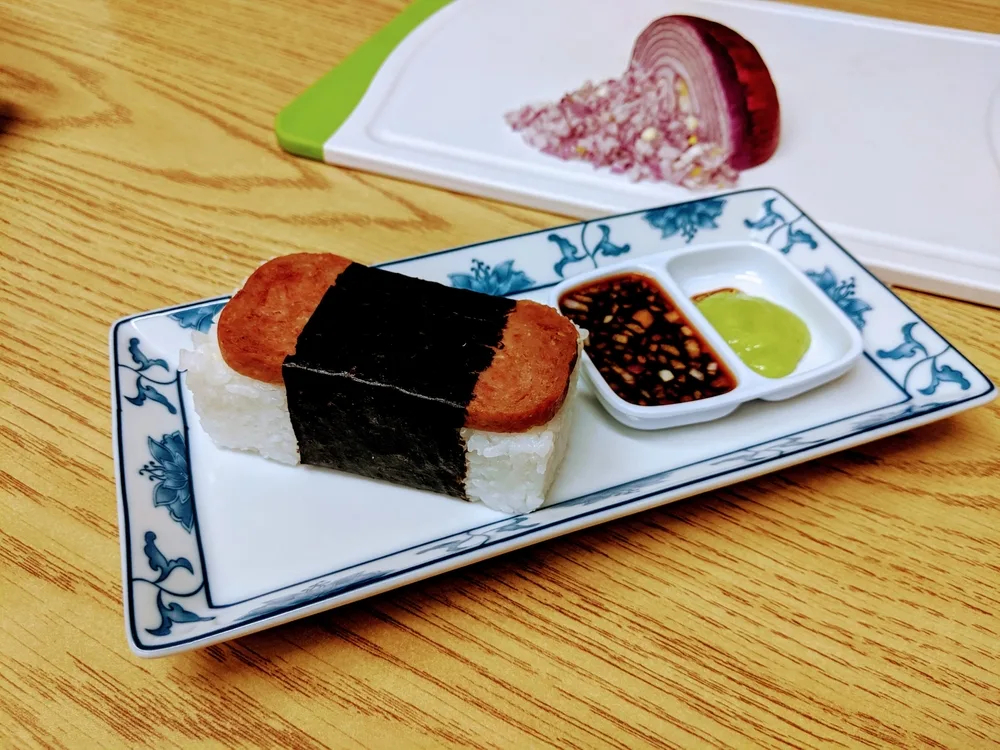
The Ubiquitous Spam Musubi: Perhaps the most iconic Spam dish is the Spam Musubi. Inspired by Japanese onigiri (rice balls), this simple yet satisfying snack features a slice of grilled or fried Spam, often glazed with a savory soy sauce mixture, placed atop a block of sticky rice and wrapped with a strip of nori seaweed. It’s the quintessential grab-and-go item, found everywhere from convenience stores and gas stations to farmers’ markets and even high-end resort cafes. For travelers seeking authentic local food experiences, trying a Spam Musubi is a must, offering a taste of Hawaiian ingenuity and cultural blending that fits perfectly into any travel itinerary, whether you’re exploring Honolulu’s vibrant streets or heading to a secluded beach on Maui.
-
Hearty Plate Lunches and Breakfast Staples: Spam also became a cornerstone of the traditional Hawaiian “plate lunch,” a beloved local custom featuring a main protein, two scoops of rice, and macaroni salad. Fried Spam frequently serves as the protein, offering an affordable and filling meal option. Beyond lunch, Spam has integrated into breakfast routines, commonly pan-fried and served alongside eggs and rice, much like bacon or sausage. It’s also a key ingredient in local comfort foods like Loco Moco, where it can occasionally substitute or accompany hamburger patties, adding another layer of salty richness to the gravy-smothered rice and egg dish. These local food experiences are fundamental to understanding Hawaiian culture and are easily accessible, no matter your accommodation type, from luxury hotels in Waikiki to cozy guesthouses on Kauai.
-
Beyond the Basics: The versatility of Spam extends to countless other dishes. It’s diced into fried rice, crumbled into omelets, used as a topping for ramen, or even baked into casseroles. Chefs across the islands, from casual diners to upscale restaurants, embrace Spam, creating innovative dishes that pay homage to its local prominence while elevating it to new culinary heights. This creative adaptation showcases the dynamic nature of Hawaiian cuisine and its ability to transform simple ingredients into celebrated local delicacies. For tourists, this means that sampling Spam dishes isn’t just about trying something “weird”; it’s about engaging with the local culture and food activities that define the Hawaiian lifestyle.
Practicality and Lifestyle: Why Spam Remains Relevant Today
Beyond its historical and cultural significance, the enduring popularity of Spam in Hawaii can be attributed to several practical and lifestyle factors that continue to resonate with residents. These reasons are especially pertinent in an island environment where logistics and economics play a significant role in daily life.
-
Shelf Stability and Accessibility: Hawaii’s tropical climate, with its high humidity and warm temperatures, historically posed challenges for preserving fresh meats without reliable refrigeration. Spam, being canned, is perfectly suited for these conditions. It requires no refrigeration until opened, making it an ideal pantry staple for homes, especially in more rural or remote areas across islands like the Big Island where grocery stores might not be as frequent. This inherent shelf stability also makes it perfect for outdoor activities, camping trips, or emergency preparedness kits, fitting seamlessly into an active, island-based lifestyle.
-
Affordability: Despite Hawaii’s reputation for being an expensive destination, Spam remains a relatively affordable source of protein compared to fresh meat options, which often incur significant shipping costs. This economic advantage makes it accessible to a wide range of budgets, from families looking for cost-effective meal solutions to students and residents seeking delicious yet economical sustenance. For travelers exploring Hawaii on a budget, embracing local food traditions like Spam-centric dishes can be a smart way to enjoy authentic flavors without breaking the bank, offering a glimpse into the local “budget travel” lifestyle.
-
Ease of Preparation: In a busy world, convenience is king. Spam is incredibly easy to prepare – it can be sliced, diced, fried, grilled, or baked with minimal effort and cooking skill. This simplicity makes it a go-to ingredient for quick meals, family gatherings, and impromptu barbecues. Its versatility means it can be incorporated into a wide variety of dishes without requiring extensive culinary expertise, fitting perfectly into the relaxed, yet often busy, pace of Hawaiian life. Whether you’re staying in an apartment rental with a kitchen or a resort suite, preparing a quick Spam snack is always an option.
-
Comfort and Nostalgia: For many Hawaiians, Spam isn’t just food; it’s a taste of home, a connection to childhood memories, and a symbol of resilience. It evokes a sense of comfort and nostalgia, much like other regional comfort foods do across the globe. This emotional attachment ensures its continued popularity, as families pass down recipes and traditions involving Spam from one generation to the next. This aspect is key to understanding the deeper cultural ties of Hawaiian food.
Spam in the Modern Age: Festivals, Tourism, and Continued Evolution
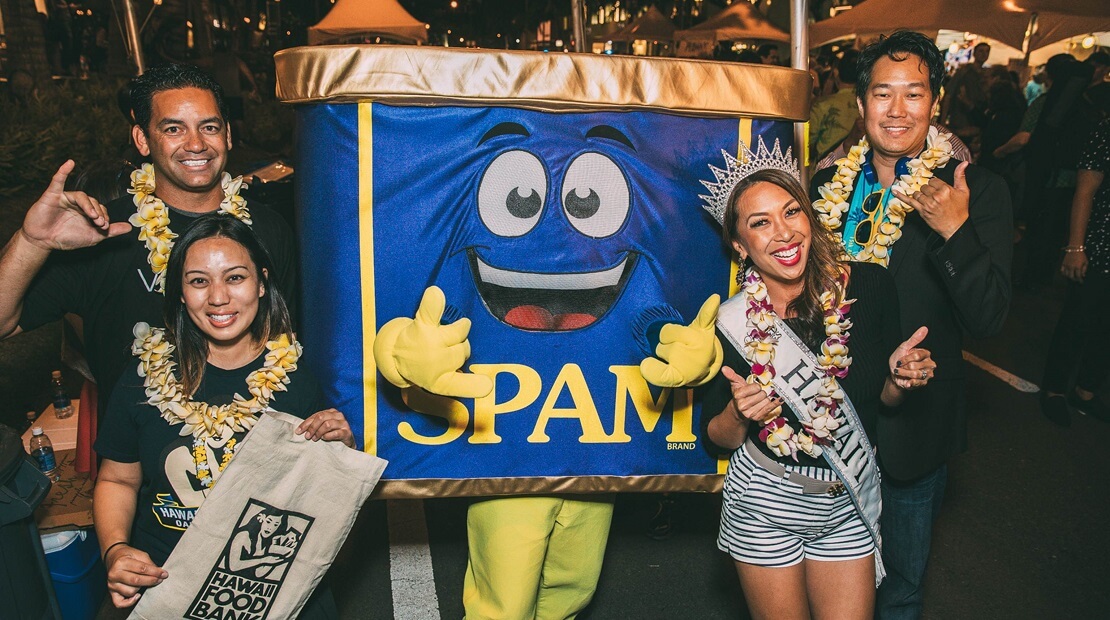
Today, Spam’s popularity in Hawaii is not just maintained but celebrated. It has transcended its humble origins to become a significant cultural marker, drawing attention from both locals and tourists alike. The annual Waikiki Spam Jam festival in Honolulu is a testament to this enduring affection. This lively street festival, typically held along Kalakaua Avenue, transforms Waikiki into a vibrant celebration of all things Spam. Local restaurants and chefs create innovative, gourmet Spam dishes, ranging from Spam cheeseburgers and Spam tacos to Spam-infused desserts. The festival draws thousands of attendees, offering live entertainment, craft vendors, and, of course, a plethora of unique Spam culinary creations. It’s a fantastic example of local tourism, showcasing distinct food activities and local culture, and offering an unforgettable experience for visitors.
The tourism industry has also embraced Spam’s unique appeal. Many hotels and resorts, particularly those aiming to offer an authentic Hawaiian experience, include Spam dishes on their breakfast buffets or room service menus. Local tour guides often highlight Spam’s cultural significance, encouraging visitors to try Spam Musubi or a Spam plate lunch as an essential part of their Hawaiian culinary adventure. Souvenir shops even sell Spam-branded merchandise, further cementing its status as a quirky yet beloved symbol of the islands. This integration into the tourist experience bridges the gap between local lifestyle and visitor expectations, allowing travelers to genuinely connect with the distinct character of Hawaii.
The story of Spam in Hawaii is a remarkable journey of an unexpected food item transforming into a cultural staple. From its origins as a wartime necessity to its current status as a culinary icon, Spam embodies resilience, adaptability, and the spirit of aloha. It reflects the islands’ diverse heritage, economic realities, and the unique way Hawaiians have embraced and adapted external influences into their distinct lifestyle. For travelers, understanding and experiencing Spam’s popularity offers a deeper, more authentic connection to the local culture, food, and people, enriching any Hawaiian adventure beyond the pristine beaches and luxurious resorts. So, on your next visit to Hawaii, don’t shy away from that slice of grilled Spam; instead, embrace it as a delicious bite of history and a taste of true Hawaiian living.
LifeOutOfTheBox is a participant in the Amazon Services LLC Associates Program, an affiliate advertising program designed to provide a means for sites to earn advertising fees by advertising and linking to Amazon.com. Amazon, the Amazon logo, AmazonSupply, and the AmazonSupply logo are trademarks of Amazon.com, Inc. or its affiliates. As an Amazon Associate we earn affiliate commissions from qualifying purchases.