
The allure of a grand hotel lobby, with its plush seating, sophisticated ambiance, and often a gentle hum of activity, can be quite captivating. For travelers exploring a new city, business professionals seeking a quiet spot to work, or simply someone waiting for an appointment, the question often arises: can I simply walk into a hotel like a Doubletree Hotel and sit down, even without a reservation? The short answer is, more often than not, yes – but with important nuances, unspoken etiquette, and a clear understanding of boundaries. Hotels, by their very nature, often serve as public-facing establishments, aiming to offer hospitality not just to their registered guests but also to the broader community. However, navigating these spaces as a non-guest requires a degree of discretion and respect for the establishment’s primary purpose.
The hospitality industry, encompassing a vast array of hotels, resorts, and accommodations, thrives on creating inviting atmospheres. From boutique hotels in bustling urban centers like New York City to expansive luxury resorts nestled in tranquil destinations, the lobby often acts as the welcoming heart of the property. Understanding the unwritten rules for non-guests is key to enjoying these spaces without incident. This guide will delve into the intricacies of accessing a Doubletree Hotel or similar establishments without a booking, offering insights into hotel policies, proper etiquette, and how to make the most of these public yet private spaces. We’ll explore why hotels tolerate, and sometimes even encourage, non-guest presence, and what distinguishes a welcome visitor from one who overstays their welcome.
The Open Door Policy: Understanding Hotel Lobbies
Hotel lobbies are unique spaces in the urban landscape. Unlike purely private residences or exclusive clubs, they bridge the gap between public accessibility and private exclusivity. This dual nature means that while the core purpose of a hotel is to provide accommodation for paying guests, its ground-floor common areas often function as public squares, meeting points, and even temporary workspaces.
More Than Just a Check-in Desk
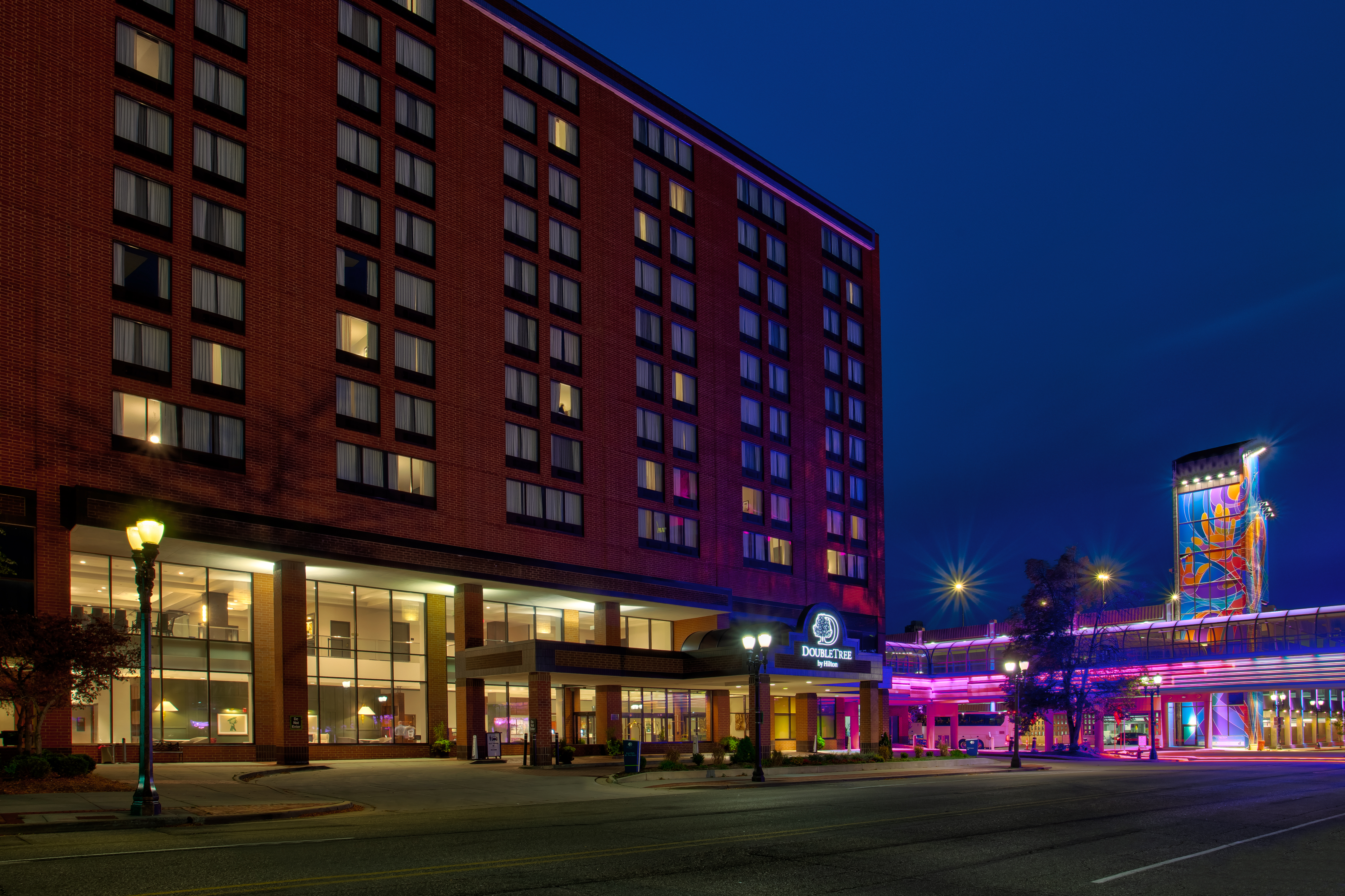
A hotel lobby is far more than just the place where you check in and out. It’s often a microcosm of the entire hospitality experience, designed to impress and comfort from the moment you step through the doors. Many modern hotels invest heavily in their lobby aesthetics and functionality, transforming them into vibrant social hubs. You might find a lobby bar, a café, a co-working space, or even small retail outlets. These amenities are frequently designed to attract not only hotel guests but also local residents and visitors who might not be staying overnight. For instance, a Doubletree Hotel, part of the larger Hilton Worldwide family, is renowned for its welcoming atmosphere, often featuring comfortable seating areas perfect for casual meetings or simply relaxing. The architecture and interior design are often chosen to reflect the local culture or a specific luxury lifestyle, making them popular spots for tourists to pause and soak in the ambiance, or for business travelers to conduct informal meetings.
Beyond aesthetics, lobbies serve practical functions for non-guests. They are convenient places to wait for someone, to escape inclement weather, or to use a restroom when other public facilities are scarce. In a busy city like London or Paris, finding a comfortable, clean, and safe spot to take a break can be a challenge, and a hotel lobby often fits the bill perfectly. Hotels understand this dynamic; their business model often relies on attracting foot traffic to their restaurants, bars, and event spaces, which means making the lobby accessible is a strategic decision.
The Unwritten Rules of Non-Guest Access
While hotels generally adopt an “open door” policy for their lobbies, there are unwritten rules and expectations that non-guests are tacitly expected to follow. The primary principle is to not disrupt the experience of paying guests or interfere with the hotel’s operations. Brief visits for legitimate purposes are usually tolerated, if not welcomed. These purposes might include meeting a hotel guest, waiting for transportation, conducting a quick business discussion, or patronizing a hotel-affiliated food and beverage outlet.
The key differentiator is your intent and behavior. Someone quietly reading a book in a corner, or having a coffee at the lobby café, is unlikely to draw attention. However, someone attempting to use the hotel’s amenities (like the pool or gym) without permission, causing a disturbance, or appearing to loiter without a clear purpose, will quickly be identified as a potential issue. Most hotels, including the Doubletree Hotel brand, have security personnel or staff who are trained to observe and address such situations discreetly. The unspoken agreement is that you are welcome to enjoy the public space, but you must respect its boundaries and not impose on its primary function.
Navigating Doubletree Hotel Spaces as a Non-Guest
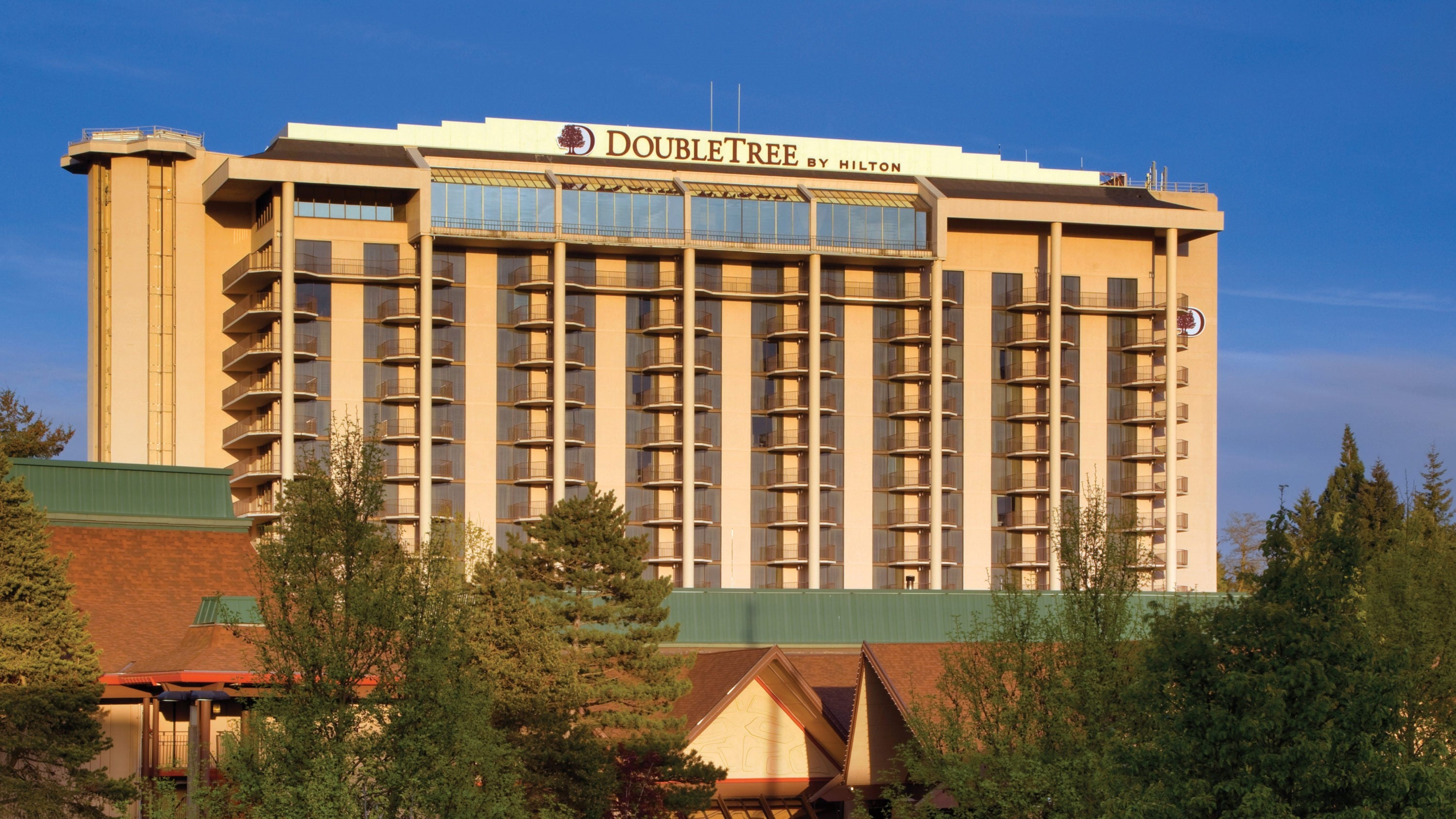
When you decide to visit a Doubletree Hotel without a reservation, it’s helpful to know exactly what areas are typically accessible and which are strictly for guests. This knowledge will help you feel more comfortable and ensure you don’t inadvertently overstep boundaries.
What You Can Typically Access
Generally, the ground-floor common areas of a Doubletree Hotel are fair game for non-guests. This includes the main lobby seating areas, which are often furnished with comfortable chairs, sofas, and tables. These spaces are ideal for waiting, reading, or having an informal conversation. If the hotel has a lobby bar or café, these establishments are almost always open to the public, and purchasing a drink or a snack is an excellent way to legitimize your presence and show appreciation for the hotel’s hospitality. Many hotels strategically place these food and beverage outlets within the lobby to encourage such patronage from both guests and the public. You might also find public restrooms near the lobby, which are generally accessible. In many cases, hotels even provide free Wi-Fi in their lobby areas, though access might require asking for a password or connecting through a simple guest portal. This feature is particularly appealing to business travelers or digital nomads looking for a temporary workspace.
The elegance and amenities of a hotel like Doubletree can significantly enhance a travel experience, even if you’re not staying overnight. Taking advantage of a well-appointed lobby for a brief respite can be a pleasant addition to exploring local attractions or dealing with travel logistics.
Areas That Are Off-Limits
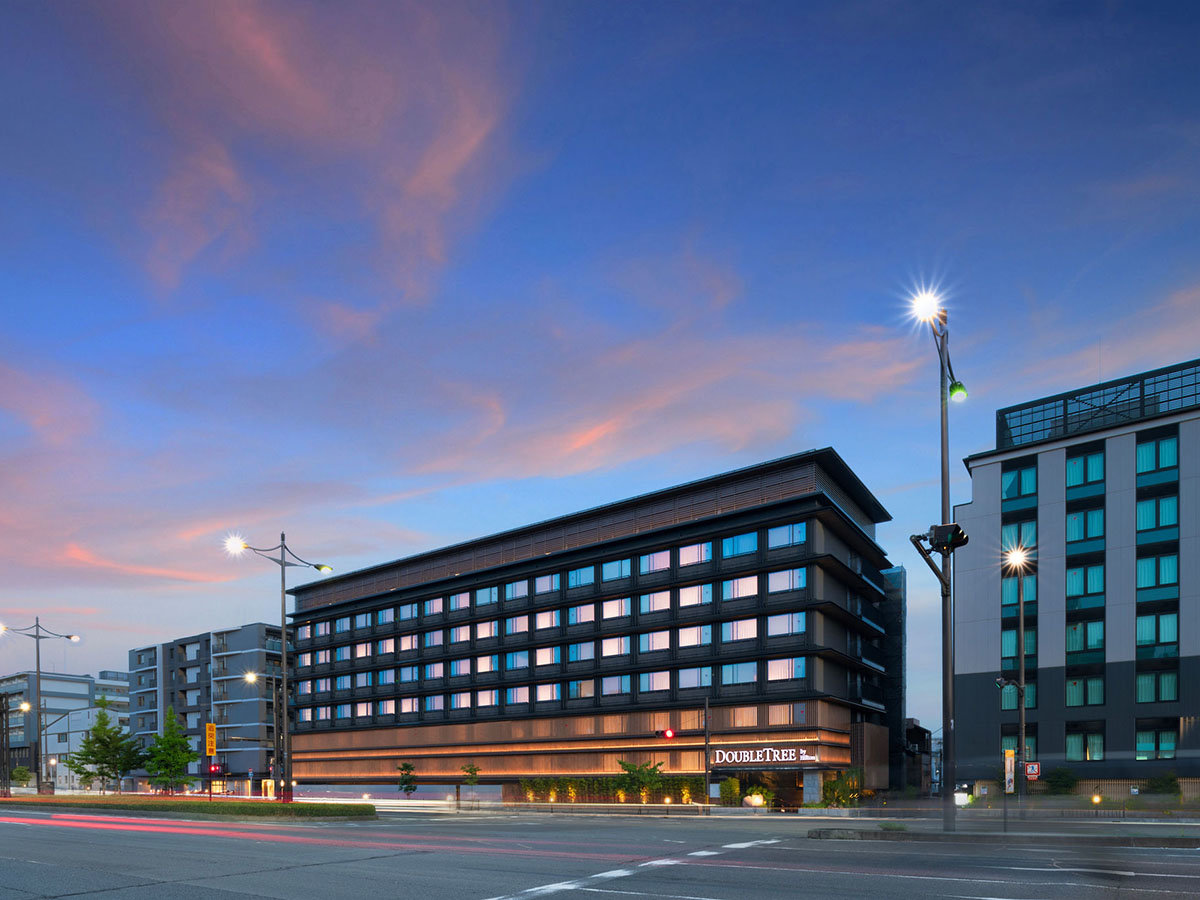
While lobbies are generally open, it’s crucial to understand where the “public” access ends and the “private” guest-only areas begin. Floors above the lobby, which house the guest rooms, are almost universally off-limits to non-guests. Access to these floors is typically restricted by keycard-operated elevators, a standard security measure across most hotels, including luxury brands like Marriott and Hyatt, as well as more budget-friendly options. Similarly, amenities such as swimming pools, fitness centers, spas, and executive lounges are exclusively for registered guests. These facilities are part of the value proposition for staying at the hotel, and allowing general public access would diminish their appeal and overcrowd them.
Attempting to access these restricted areas without a room key or explicit permission is a security violation and will likely result in being asked to leave. Hotel staff are trained to identify and address such breaches quickly and courteously. Understanding and respecting these boundaries is paramount to maintaining a positive relationship with the hotel and avoiding any awkward encounters.
The Power of Intent: Why Are You There?
The reason for your presence significantly influences how your visit as a non-guest is perceived. If you are there to genuinely meet a guest, dine at the restaurant, attend an event, or briefly wait for transportation, your intent is clear and generally accepted. You are utilizing the hotel’s public facilities as intended. However, if your intent is to merely loiter, use amenities without paying, or seek shelter for an extended period without patronizing any services, you risk being seen as a trespasser or a burden.
Hotel staff are adept at reading situations. Someone nursing a single coffee for three hours while occupying prime seating might eventually be approached, whereas someone working on a laptop while periodically ordering drinks will likely be left undisturbed. Being mindful of your purpose and duration of stay can prevent misunderstandings and ensure a pleasant experience for everyone. Always remember that hotels are businesses first and foremost, and their primary goal is to serve their paying guests and generate revenue.
Etiquette and Expectations: Being a Respectful Visitor
Even in the most welcoming hotel lobbies, there’s an unwritten code of conduct that respectful non-guests adhere to. This etiquette ensures that you don’t disrupt the experience of paying guests or cause inconvenience to hotel staff.
Blending In and Avoiding Disturbance
The golden rule for non-guests is to blend in. This means maintaining a low profile, keeping noise levels down, and not drawing unnecessary attention to yourself. Avoid loud conversations, boisterous laughter, or any behavior that might disturb guests seeking a quiet moment. Dress appropriately for the establishment; while a Doubletree Hotel is generally more relaxed than a high-end luxury resort, casual wear that is still neat and tidy is usually best. Avoid bringing in outside food or strong-smelling items that could be off-putting to others.
Furthermore, be mindful of the space you occupy. Don’t spread out your belongings across multiple seats or monopolize a large area, especially during peak times when the lobby might be crowded with arriving or departing guests. If you need to use your phone, keep calls brief and at a low volume, or step outside if possible. Respect the privacy of others and avoid staring or eavesdropping on conversations. Being unobtrusive and considerate will ensure your presence is seamless and your visit remains enjoyable.
Patronizing Hotel Services: A Win-Win
One of the best ways to legitimize your presence and show appreciation for the hotel’s open-door policy is to patronize its services. Buying a coffee from the lobby café, enjoying a drink at the bar, or even having a meal at one of the hotel’s restaurants turns you from a mere visitor into a customer. This exchange benefits both parties: you get to enjoy the hotel’s amenities and ambiance, and the hotel generates revenue. It also makes staff more likely to be helpful and welcoming.
Many hotels feature excellent dining options, from casual bistros to fine-dining establishments, that are open to the public. Exploring these can be a fantastic way to experience local cuisine or international flavors, often in a more upscale setting than typical street-side restaurants. Consider it a mini-vacation within your travel budget, enhancing your overall experience of the destination. If you’re looking for a comfortable place to work or relax for an extended period, periodically ordering something from the hotel’s food and beverage outlets is a polite and mutually beneficial gesture.
When to Ask and When to Leave
If you’re unsure about any specific hotel policy, it’s always better to ask a staff member politely rather than assume. For example, if you need to print something, ask if there’s a business center accessible to non-guests or if staff can assist. Most hotel employees are trained to be helpful and will appreciate your consideration. Similarly, if the lobby becomes unusually crowded, or if you notice staff looking at you repeatedly, it might be a subtle hint that it’s time to move on. Being perceptive and respectful of these cues is part of good etiquette.
Ultimately, remember that hotel lobbies are primarily for guests. If you are asked to leave by a staff member, do so courteously and without argument. They are simply doing their job, often following established hotel policies. Understanding this dynamic ensures a smooth and respectful interaction, preserving the welcoming atmosphere for everyone.
Beyond the Lobby: Alternative Public Spaces and Hotel Amenities for Everyone
While the lobby is often the first point of entry for non-guests, many hotels offer other amenities and public spaces that are specifically designed to welcome external visitors, sometimes even encouraging them to stay longer.
Exploring Hotel Restaurants and Bars
Perhaps the most common and widely accepted way for non-guests to experience a hotel’s ambiance and services is by visiting its restaurants and bars. These establishments are almost always open to the public and are often promoted as standalone dining destinations. Many hotels pride themselves on their culinary offerings, attracting both guests and local residents. From a breakfast buffet that showcases local culture and food, to a sophisticated rooftop bar with stunning city views (like those found in Dubai or Singapore), these venues provide an excellent opportunity to enjoy the hotel’s facilities, often with impeccable service, without needing a room reservation.
Dining at a hotel restaurant is not just about the food; it’s an immersive experience. You get to observe the hotel’s decor, enjoy its atmosphere, and potentially interact with a diverse crowd of international travelers and locals. It’s a fantastic way to elevate a casual meal into a memorable part of your travel experience or even a unique business meeting location.
Seeking Out Public Wi-Fi and Co-working Spots
In today’s connected world, the availability of reliable Wi-Fi is a significant draw. Many hotels, recognizing the demand, provide complimentary Wi-Fi in their lobbies, often extending to their cafes and bars. This makes them attractive spots for remote workers, students, or anyone needing internet access on the go. However, if your primary goal is to find a long-term workspace with stable internet and power outlets, it might be more appropriate to seek out dedicated co-working spaces or independent cafes that are explicitly designed for that purpose. These alternatives can offer a more focused environment and often have clearer policies regarding usage and duration. Public libraries in major cities also offer excellent facilities for working, often free of charge.
The “Day Use” Concept: When You Really Need Amenities
For those times when you genuinely need to use hotel amenities like a shower, a quiet room for a few hours, or access to the pool or gym, some hotels offer “day use” rates or specific passes. These are typically short-term room bookings (e.g., from 9 AM to 5 PM) that allow you to use a private room and access all guest amenities without an overnight stay. This concept is particularly popular near airports for travelers on long layovers, or in cities for individuals needing a temporary retreat during the day. While not universally available, it’s worth checking if a specific Doubletree Hotel or other hotel brands like IHG offers such an option. It’s the most straightforward way to fully enjoy hotel amenities without an overnight reservation, ensuring you respect the hotel’s policies while fulfilling your needs.
The Business Case: Why Hotels Welcome Non-Guests (Sometimes)
While it might seem counterintuitive for hotels to open their doors to non-paying visitors, there’s a strong business rationale behind this “open door” policy, contributing to the hotel’s overall success and integration into the broader tourism and lifestyle landscape.
Marketing and Brand Exposure
Every person who steps into a hotel lobby, even without a reservation, is a potential future guest. This exposure is invaluable marketing. A beautiful, well-maintained lobby, a friendly staff, and a pleasant atmosphere can leave a lasting positive impression. Someone who enjoys a coffee in a Doubletree Hotel lobby might remember that positive experience when booking their next accommodation or recommending a place to friends or family. It’s a subtle yet effective way to showcase the hotel’s brand, amenities, and overall guest experience. From a lifestyle perspective, this exposure helps build a hotel’s reputation, attracting a diverse range of customers from luxury travelers to business stays.
Furthermore, a lively lobby gives the impression of a popular and desirable destination, contributing to a vibrant atmosphere that even paying guests appreciate. A completely empty lobby can sometimes feel unwelcoming or suggest a lack of popularity.
Revenue Generation from Public Facilities
As discussed, hotels generate significant revenue from non-guests through their public-facing facilities. Restaurants, bars, cafes, and even gift shops located within the hotel are often designed to attract both guests and the local public. These revenue streams contribute directly to the hotel’s profitability and help offset operational costs. For example, a successful lobby bar might attract a strong local following, creating a steady stream of income that complements the hotel’s room revenue. This diversified income strategy is crucial for many properties, particularly those in competitive urban markets.
Community Integration and Local Engagement
Many hotels strive to be integral parts of their local communities. By opening their lobbies and public facilities, they foster a sense of accessibility and engagement. This can lead to increased local patronage for events, dining, and even short-term accommodation needs (like day-use rooms). A hotel that is seen as a welcoming community hub, rather than an exclusive fortress, builds goodwill and can become a landmark in its own right. This integration is particularly important in the broader context of tourism, as it allows hotels to connect with the local culture and provide a richer experience for all visitors, regardless of whether they have a room key.
In conclusion, the answer to “Can I sit inside Doubletree Hotel without reservation?” is largely affirmative, provided you approach it with respect, awareness, and appropriate etiquette. Hotels, by design, offer public spaces that can be enjoyed by many. By understanding the boundaries, patronizing services where appropriate, and always acting courteously, you can comfortably enjoy the hospitality and ambiance of a hotel lobby, making it a valuable resource in your travels or daily life.
LifeOutOfTheBox is a participant in the Amazon Services LLC Associates Program, an affiliate advertising program designed to provide a means for sites to earn advertising fees by advertising and linking to Amazon.com. Amazon, the Amazon logo, AmazonSupply, and the AmazonSupply logo are trademarks of Amazon.com, Inc. or its affiliates. As an Amazon Associate we earn affiliate commissions from qualifying purchases.