
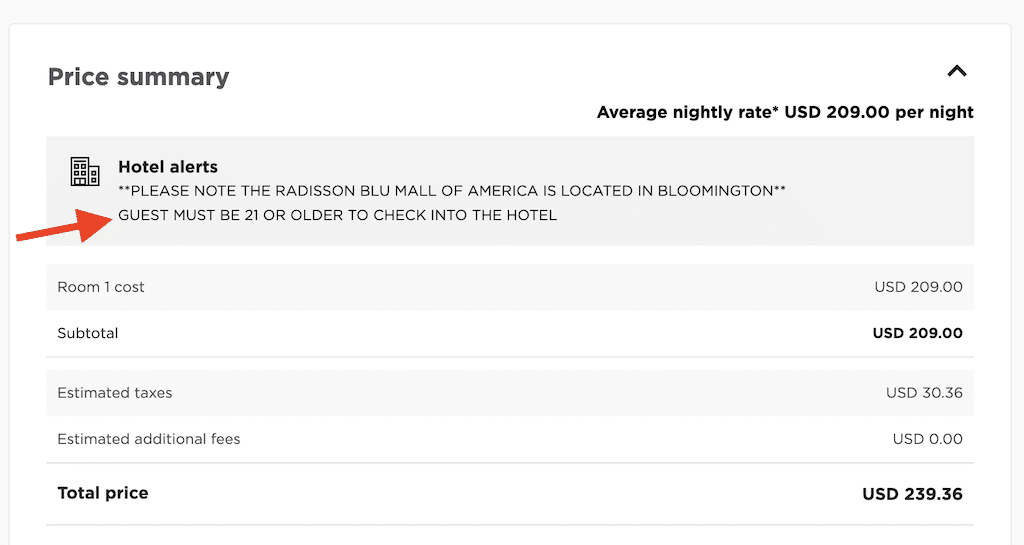
The allure of independent travel, the excitement of exploring new destinations, and the simple need for a place to rest during a trip often bring young adults face-to-face with a seemingly straightforward question that can quickly become complex: “How old do you need to be to check into a hotel?” While the legal age of majority in most places, particularly the United States, is 18, many hotels enforce a minimum check-in age of 21. This discrepancy can be a source of confusion and frustration for travelers who are legally adults but find themselves unable to book accommodation independently.
Understanding the nuances behind these age restrictions is crucial for anyone planning a trip, whether it’s a budget travel adventure, a family trip, or a solo journey. This article delves into the legal framework, common hotel policies, exceptions, and practical advice to help young travelers navigate the world of hotel bookings. We’ll explore why these rules exist, how they vary, and what you can do to ensure a smooth check-in experience, turning potential roadblocks into manageable steps on your travel journey.
The Age-Old Question: Navigating Hotel Check-in Policies
The first step in demystifying hotel age requirements is to understand that there isn’t a universally applied, single answer. The minimum age to check into a hotel is influenced by a combination of factors: federal and state laws, local ordinances, and perhaps most significantly, the individual policies set by hotel chains and independent properties themselves. This patchwork of regulations means that a 19-year-old traveler might find a welcoming check-in desk in one city, only to be turned away in another, or even at a different hotel within the same city.
Legal vs. Hotel Minimum Age: Understanding the Distinction
At the heart of the confusion lies the difference between the legal age of majority and a hotel’s specific minimum age policy. In the United States, the age of majority, which dictates the ability to enter into legally binding contracts, is 18 years old in most states. This means that, from a legal standpoint, an 18-year-old is generally considered capable of signing a contract, such as a hotel reservation agreement. However, hotels, as private businesses, are typically within their rights to impose stricter age requirements than the state’s legal age of majority.
Why do they do this? The primary reasons revolve around liability and risk mitigation. Hotels often deal with amenities like mini-bars stocked with alcohol, which cannot be legally consumed by anyone under 21. Furthermore, there’s a perceived higher risk of property damage, noise complaints, or other issues when guests are younger. While unfair to many responsible young adults, this blanket policy is a risk management strategy. A hotel’s concern isn’t just about the initial contract; it’s about the financial responsibility for potential damages, the legal implications of serving alcohol, and maintaining a peaceful environment for all guests. Therefore, even if an 18-year-old can legally sign a contract, a hotel can refuse service based on its own terms and conditions, provided these policies are not discriminatory based on protected characteristics (which age, beyond childhood, typically is not in this context).

State-Specific Nuances: Where Laws Can Vary
While the 18-year-old legal age of majority is prevalent across the United States, there are subtle variations and important distinctions at the state level that can impact hotel policies. For instance, while most states allow hotels to set their own minimum check-in age, some states have specific statutes that address this. For example, some jurisdictions might have laws that implicitly or explicitly prevent hotels from denying service to individuals over the age of majority based solely on age.
In reality, however, such laws are rare and often narrowly interpreted. States like Alabama, Mississippi, and Pennsylvania are sometimes cited as places where hotels are more likely to adhere to the 18-year-old minimum, but this is not a guarantee and can still vary by specific property. Florida and Texas are two states often mentioned for having a minimum contractual age of 18, meaning a hotel could be compelled to honor a reservation made by an 18-year-old if they are treated as adults under state law. However, even in these states, many hotel chains still enforce a 21+ policy, citing their private business rights to refuse service based on their terms. This makes prior research absolutely essential, as relying solely on general state law can lead to disappointment at check-in. The best practice, regardless of the state, is to always confirm directly with the hotel.

Deeper Dive into Hotel Chain Policies and Common Restrictions
The policies of individual hotel properties and large chains are often the most significant factor in determining the minimum check-in age. These policies are crafted to protect the hotel’s interests, manage risk, and align with their brand’s overall image and target demographic. Understanding these common restrictions and the reasoning behind them can help travelers anticipate potential challenges.
Major Hotel Brands and Their Stances
Most major hotel chains have standardized policies that generally lean towards a 21+ minimum age for check-in. This uniformity simplifies operations for them and ensures a consistent approach across their numerous properties.
- Marriott International: Brands under the Marriott umbrella, such as Courtyard by Marriott, Residence Inn, and JW Marriott, typically enforce a minimum check-in age of 21. While some individual properties might allow 18-year-olds, especially in certain international destinations or specific United States cities, this is generally an exception rather than the rule.
- Hilton Worldwide: Hilton properties, including Hampton Inn, Embassy Suites by Hilton, and Waldorf Astoria Hotels & Resorts, largely follow a 21-year-old minimum policy. Like Marriott, local management might make exceptions, but it’s not a universal guarantee.
- Hyatt Hotels Corporation: Hyatt properties, from Grand Hyatt Hotel to Hyatt Regency, generally also adhere to a 21+ check-in age. Their focus on premium guest experiences often includes a desire to mitigate potential disruptions.
- IHG (InterContinental Hotels Group): Brands like Holiday Inn, Crowne Plaza, and Staybridge Suites typically require guests to be 21 or older to check in.
- Wyndham Hotels & Resorts: Many Wyndham properties, including Days Inn and Ramada, also uphold the 21+ policy.
- Choice Hotels International: Chains such as Comfort Inn and Quality Inn commonly have a 21-year-old minimum, though there might be more variability at individual franchised properties.
- Best Western Hotels & Resorts: Best Western properties are often independently owned and operated, leading to slightly more variation in policies. While many still lean towards 21+, it’s one of the chains where you might find more 18+ options, especially outside major metropolitan areas.
It is paramount for travelers to remember that even within these chains, policies can differ by specific hotel location due to local management decisions, specific franchisee rules, or even the type of property (e.g., a resort vs. an airport hotel). Always verify the policy of the exact hotel you intend to book by checking their official website or calling them directly.
Unpacking the Reasons Behind Age Limits
The reasons behind hotels setting a minimum check-in age higher than the legal age of majority are multifaceted and primarily revolve around mitigating risks and ensuring a smooth operation.
- Alcohol Liability: This is arguably the most significant factor. Many hotels have bars, mini-bars in rooms, or offer complimentary alcoholic beverages. Allowing guests under 21 to check in complicates the hotel’s ability to monitor and enforce liquor laws, potentially leading to severe legal penalties if violations occur.
- Financial Responsibility and Contractual Capacity: While an 18-year-old can legally enter a contract, hotels often perceive younger guests as having less established credit or financial history to cover potential incidental charges, property damage, or cancellation fees. The perception is that a 21-year-old is more likely to have a stable income, a credit card, and a greater sense of responsibility.
- Property Damage and Disturbances: Hotels aim to provide a comfortable and safe environment for all guests. There’s a common misconception, often fueled by past experiences, that younger guests are more prone to loud parties, property damage, or disturbances that could negatively impact other guests’ stays and the hotel’s reputation. This is a stereotype that, unfortunately, many responsible young adults face.
- Security and Safety Concerns: Ensuring the safety and security of all guests is a top priority. Hotels may believe that older guests are generally more mature and less likely to engage in behaviors that could compromise the safety of themselves, other guests, or staff.
- Insurance Policies: Hotel insurance providers may also influence age policies. Insurers might offer better rates or require certain age restrictions to minimize risk, especially concerning liability for accidents or damage.
- Brand Image and Target Audience: Some hotels, particularly luxury hotels or those catering to business stays, might enforce higher age limits to maintain a particular atmosphere or appeal to a specific demographic that aligns with their brand image.
These reasons, while sometimes frustrating for young, responsible travelers, form the bedrock of most hotel age policies. Understanding them can help in planning and seeking appropriate accommodation.
Exceptions, Special Circumstances, and Workarounds
Despite the prevalence of the 21+ rule, there are situations and specific policies that can allow younger travelers to check into a hotel. These exceptions often require specific documentation, pre-arranged agreements, or fall under particular categories of travel.
Emancipated Minors and Parental Authorization
- Emancipated Minors: An emancipated minor is someone under the legal age of majority (typically 18) who has been granted adult legal status by a court. This status allows them to enter into contracts, including hotel agreements, independently. While an emancipated minor can legally check into a hotel, they must be able to provide official documentation proving their emancipation. Even with this documentation, some hotels might still hesitate due to their internal policies, so calling ahead is still crucial. This is a rare circumstance for most young travelers.
- Parental Consent or Authorized Adult: This is a more common workaround for individuals under 21 but over 18.
- Parental Authorization: Some hotels, especially those that cater to family trips or are located in vacation-heavy areas, may allow an 18-20 year old to check in with a written and sometimes notarized letter of consent from a parent or legal guardian. This letter should explicitly state the parent’s permission, acknowledge financial responsibility for the stay and any potential damages, and include emergency contact information.
- Authorized Adult: The most straightforward method is to have an adult aged 21 or older check into the room. This adult must be present at check-in, provide their ID and credit card, and be the primary registered guest. While the younger traveler can then stay in the room, the legal responsibility for the room and its occupants rests with the older adult. This is a common solution for university students traveling with friends or siblings.
It’s vital to confirm with the specific hotel whether they accept parental consent letters or if an older adult must be physically present throughout the stay to act as the responsible party.
Corporate Bookings, Group Travel, and Military Personnel
Certain types of travel often come with built-in exceptions to standard age policies, reflecting the nature of the stay or the recognized maturity and responsibility of the individuals involved.
- Corporate Bookings and Business Stays: If a hotel room is booked and paid for by a recognized corporation for an employee on official business travel, hotels are often more flexible regarding the age of the individual checking in, provided they are over 18. The rationale is that the corporation bears the financial responsibility, and the traveler is on an authorized trip, implying a certain level of professionalism. Documentation such as a company ID or a letter from the employer might be required.
- Group Travel: School trips, sports teams, and other organized group bookings often have pre-negotiated agreements with hotels. In these scenarios, chaperones or team leaders who are over 21 take primary responsibility for the group, allowing younger individuals (typically 18+) to occupy rooms under the group’s umbrella. The hotel’s contract is with the organization, not individual young guests.
- Military Personnel: Members of the United States military, even if under 21, are often granted exceptions. Their status as federal employees and their demonstrable maturity and responsibility through military service can lead to hotels waiving the 21+ rule, provided they can present valid military identification. This is a widely recognized informal exception across many hospitality establishments.
- Medical Emergencies: In rare instances of a bona fide medical emergency, hotels might make exceptions for individuals under 21, especially if no other accommodation is immediately available and the situation is dire. This is not a policy, but rather a compassionate decision made on a case-by-case basis.
These exceptions highlight that context matters significantly. Hotels are more willing to bend their rules when there is a clear assumption of responsibility by a third party (parent, corporation, military) or when the nature of the travel implies maturity and a lower risk profile.
Essential Tips for Young Travelers and Alternative Accommodation
For young adults navigating the world of travel and accommodation independently, preparation is the most powerful tool. Knowing what to expect and having backup plans can make all the difference in ensuring a stress-free trip.
Preparation is Key: Before You Book
Thorough research and proactive communication are non-negotiable for travelers under 21.
- Call the Hotel Directly: This is the single most important tip. Do not rely solely on third-party booking sites, general chain policies, or online forums. Call the specific hotel you plan to book and ask about their exact minimum check-in age. State your age upfront and inquire about any exceptions (e.g., parental consent, corporate booking). Get the name of the person you spoke with and note the date and time.
- Verify Online Policies: While calling is best, also check the hotel’s official website or the booking page for their specific policies. Sometimes, the terms and conditions will explicitly state the age requirement.
- Look for “18+ Friendly” Hotels: In major cities, especially popular tourist destinations or areas with large universities, some hotels might explicitly advertise themselves as 18+ friendly. These are typically smaller, independent hotels or properties catering to specific demographics. Searching for “hotels for 18-year-olds in City Name” can yield results.
- Have Proper Identification: Always travel with a valid, government-issued photo ID (driver’s license, passport, state ID card). Ensure it clearly shows your date of birth.
- Consider a Credit Card (Even if a Parent is Paying): While a debit card might suffice for some deposits, a credit card in the registered guest’s name (or the name of the responsible adult) is often preferred by hotels for security deposits and incidental charges. If you’re under 21, discuss with a parent about being an authorized user on their credit card for travel purposes.
Navigating Check-in: What to Expect
Even with thorough preparation, checking in can still be a point of anxiety. Here’s how to handle it:
- Be Polite and Confident: Present yourself professionally. Be polite and confident, and have all your documentation ready (ID, booking confirmation, parental consent letter if applicable).
- Be Honest: Do not try to misrepresent your age or the circumstances of your stay. If you encounter an issue, honesty is usually the best policy. Trying to deceive staff can lead to immediate refusal of service, cancellation of your reservation, and potential blacklisting.
- Have All Necessary Documents: Make sure your photo ID is easily accessible. If you have a parental consent letter, have it printed and ready to present.
- Be Prepared for a Deposit: Most hotels require a security deposit for incidentals, regardless of age. Ensure you have a valid credit card (preferably one in the name of the registered guest) or sufficient funds on a debit card for this purpose. These deposits can range from tens to hundreds of dollars and are typically refunded upon check-out if no damages or extra charges occur.
- What if You’re Denied? If, despite your best efforts, you are denied check-in, remain calm and polite. Inquire about the exact reason for the denial and if there are any immediate solutions. Having a backup plan (e.g., a list of other 18+ friendly hotels you called) is crucial. In some rare cases, if you believe you are being illegally discriminated against, you could seek legal advice, but most age denials are within the hotel’s rights as private businesses.
Exploring Other Accommodation Options
If hotels prove too restrictive, several other accommodation types might be more accessible for younger travelers.
- Hostels: Hostels are generally more lenient with age requirements, with most accepting guests aged 18 and older. They offer a budget travel friendly alternative, often with a vibrant social atmosphere, especially popular with backpackers and young solo travelers. Many even have private rooms in addition to dorms. Platforms like Hostelworld allow you to filter by age restrictions.
- Airbnb and Vacation Rentals: Airbnb’s official policy allows individuals aged 18 or older to book accommodations. However, individual hosts can set their own house rules and might prefer older guests. Always check the specific listing’s rules and review host profiles. Vacation rental platforms (like Vrbo) also typically have a minimum age of 18 or 21, depending on the host’s discretion. The key here is communication with the host prior to booking.
- Motels: Some independent motels, particularly those not affiliated with major chains, might have more flexible age policies, sometimes accepting 18-year-olds. Their policies vary greatly, so direct contact is essential.
- Camping and RV Parks: For those open to a different kind of travel experience, camping or RV parks offer a great alternative. The minimum age to book a campsite or RV spot is almost universally 18. This option also aligns well with nature-based tourism and offers a unique way to explore landmarks and attractions.
- Staying with Friends or Family: The most reliable option, if feasible, is to stay with friends or family who live in your destination. This removes all age-related accommodation hurdles.
In conclusion, while the question “How old to check into a hotel?” often points to a 21-year-old minimum in the United States due to hotel policies, the landscape is not entirely rigid. With diligent research, direct communication, and an understanding of the available alternatives, young travelers can confidently plan their journeys and find suitable accommodation, ensuring their travel experiences are memorable for all the right reasons. Always remember that being prepared and informed is your greatest asset in navigating the world of hotels and tourism.
LifeOutOfTheBox is a participant in the Amazon Services LLC Associates Program, an affiliate advertising program designed to provide a means for sites to earn advertising fees by advertising and linking to Amazon.com. Amazon, the Amazon logo, AmazonSupply, and the AmazonSupply logo are trademarks of Amazon.com, Inc. or its affiliates. As an Amazon Associate we earn affiliate commissions from qualifying purchases.