
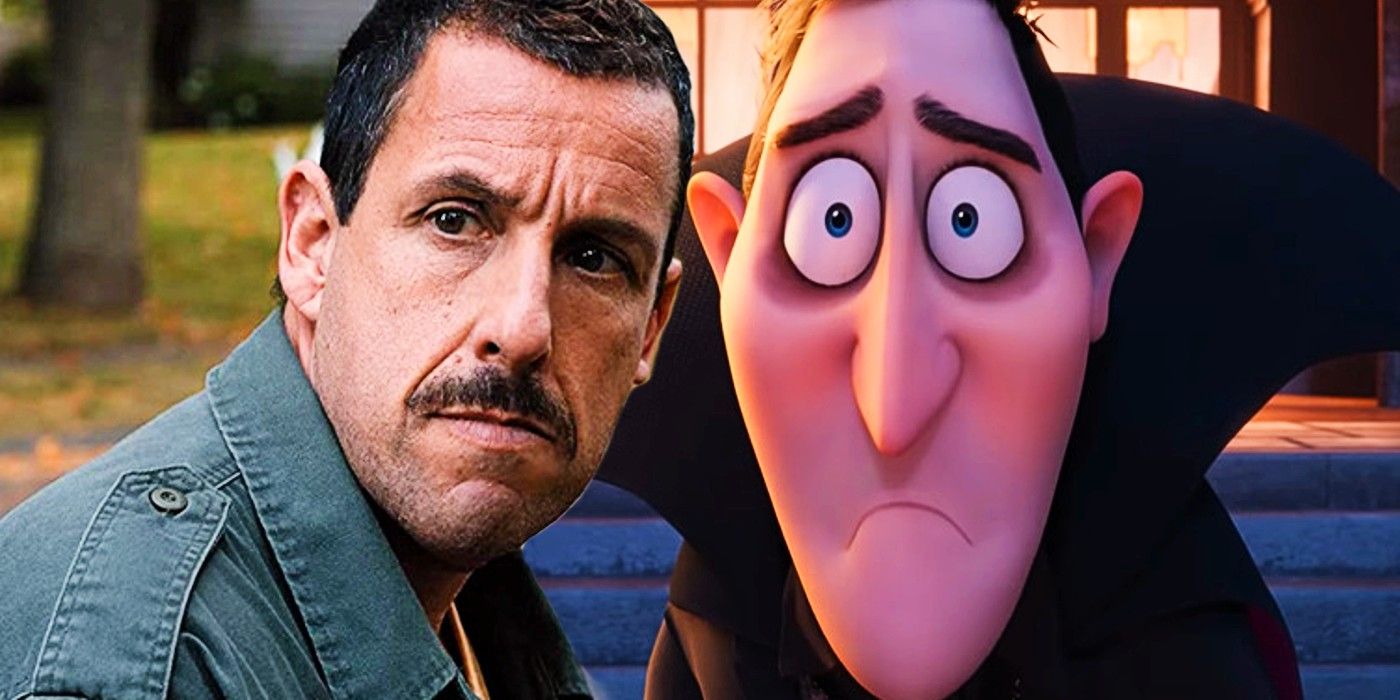
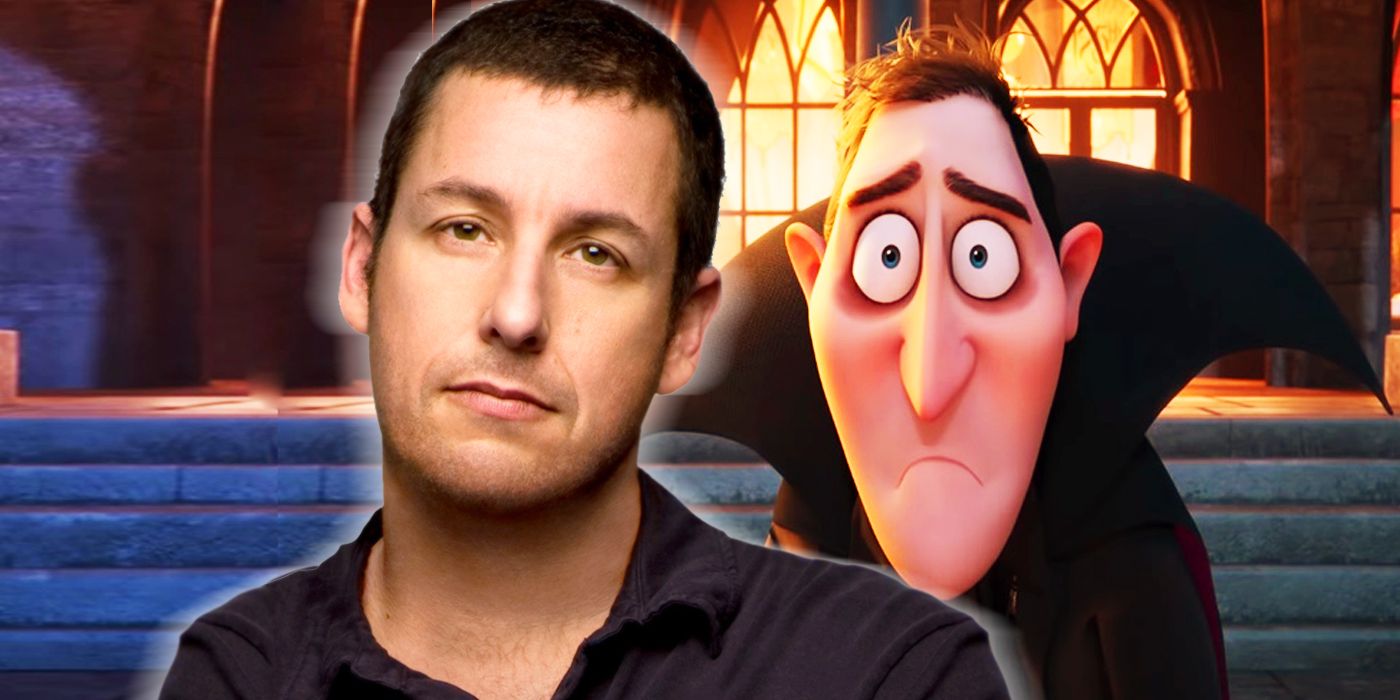
The iconic, often gruff yet surprisingly lovable voice behind Count Dracula in the beloved animated film series, Hotel Transylvania, is none other than the multifaceted comedic actor, Adam Sandler. His distinct vocal delivery has become synonymous with the character, shaping the patriarch of the monster family into a figure audiences worldwide have grown to adore. Sandler’s involvement was a major draw for the franchise, lending his signature humor and a surprising depth to the centuries-old vampire grappling with modern parenting and monster tourism.
The Hotel Transylvania series, produced by Sony Pictures Animation and directed by Genndy Tartakovsky for the first three installments, masterfully blends comedic storytelling with heartfelt themes of family, acceptance, and the challenges of adapting to new experiences. At its core, the films explore the concept of a sanctuary – a magnificent hotel built by Dracula himself – designed to protect monsters from humans, which inadvertently becomes a hub for cross-cultural (or cross-species) understanding. This unique premise, combined with Sandler’s instantly recognizable voice, has cemented the franchise’s place in modern animated cinema, appealing to both children and adults who appreciate its witty dialogue and vibrant animation.
The Iconic Voice Behind the Count
Adam Sandler’s portrayal of Dracula is a cornerstone of the Hotel Transylvania films’ success. Known for his distinctive voice work and a career built on a blend of slapstick comedy and surprisingly touching dramatic roles, Sandler brought a fresh perspective to the legendary vampire. His voice captures the essence of a doting father who is simultaneously overprotective, charmingly awkward, and fiercely loyal. This blend of characteristics makes Dracula relatable, even as he navigates the trials of running a monster resort and managing his spirited daughter, Mavis.
Adam Sandler’s Unique Take
Adam Sandler, a comedic powerhouse who rose to prominence on Saturday Night Live, built a filmography characterized by his unique brand of humor. From early hits like Billy Madison and Happy Gilmore to romantic comedies such as The Wedding Singer, Sandler has consistently demonstrated an ability to connect with audiences through sincerity often hidden beneath layers of absurdity. In Hotel Transylvania, he infuses Dracula with a similar blend. The Count is portrayed not as a terrifying villain, but as a somewhat bumbling, well-meaning father figure whose greatest fear isn’t garlic or stakes, but losing his daughter.
Sandler’s vocal performance provides Dracula with a heavy Eastern European accent, which he uses to great comedic effect, especially when exasperated or trying to maintain a semblance of control. This vocalization, combined with Sandler’s natural comedic timing, allows Dracula’s insecurities and paternal affection to shine through. It’s a performance that grounds the fantastical elements of the story in emotional truth, making the characters more accessible and the story more impactful. Beyond the humor, Sandler also lends genuine warmth to Dracula’s moments of vulnerability, particularly in his interactions with his daughter Mavis (voiced by Selena Gomez) and his human son-in-law, Jonathan (voiced by Andy Samberg). This complex portrayal is a testament to Sandler’s range, proving that his comedic prowess can translate beautifully into the world of animation.
Other Voices and Spin-offs
While Adam Sandler is the primary and most recognized voice of Dracula for the majority of the Hotel Transylvania film series, there was a notable change for the fourth installment, Hotel Transylvania: Transformania. For this film, the role of Dracula was taken over by impressionist and voice actor Brian Hull. Hull is well-known for his uncanny ability to mimic various celebrity voices, and he stepped into Sandler’s shoes, delivering a performance that aimed to maintain the established vocal characteristics of the Count. This casting decision, while perhaps surprising to some fans, allowed the franchise to continue telling its story while adapting to the evolving schedules and commitments of its original cast members.
The Hotel Transylvania universe also extends beyond the main film series, with short films and a television series providing additional opportunities for different actors to voice the beloved characters. The consistency, however, largely rests on the foundational performances established in the feature films. The ensemble cast of the main series is as much a part of its charm as Sandler’s Dracula, featuring comedic talents like Kevin James as Frankenstein, Steve Buscemi as Wayne the Werewolf, David Spade as the Invisible Man, and Keegan-Michael Key as Murray the Mummy. Each actor contributes to the vibrant, humorous atmosphere of the monster world, making Hotel Transylvania a truly star-studded animated affair.
Hotel Transylvania’s Allure: Blending Fantasy with Travel
The very premise of Hotel Transylvania is steeped in themes of travel, accommodation, and tourism, albeit with a monstrous twist. The hotel itself is a destination – a luxurious, Gothic resort catering exclusively to monsters seeking refuge from the human world. This concept not only provides a fertile ground for comedic situations but also subtly touches upon the human desire for safe havens, exclusive retreats, and unique travel experiences. The film series effectively uses the backdrop of a grand hotel to explore cultural clashes, the beauty of diverse communities, and the transformative power of travel.
From Fictional Transylvania to Real-World Romania
While the Hotel Transylvania films present a whimsical, animated version of Transylvania, the inspiration for Dracula’s legendary origins is firmly rooted in real-world geography and folklore. The historical region of Transylvania, located in central Romania, is famously associated with the Dracula myth, thanks to Bram Stoker’s iconic novel. This connection naturally draws parallels between the fantastical world of the film and the genuine travel opportunities available in Romania.
Many travelers are captivated by the mystique of Transylvania, seeking to explore its medieval towns, imposing castles, and dramatic landscapes. Bran Castle, often marketed as “Dracula’s Castle,” is a prime example of a landmark that has become a major tourist attraction due to its association with the legend, even though its historical ties to Vlad the Impaler (the historical figure believed to inspire Dracula) are tenuous at best. Other notable destinations in the region include the fortified churches, the charming streets of Sighisoara (a UNESCO World Heritage Site and Vlad the Impaler’s birthplace), and the breathtaking Carpathian Mountains. For fans of the Hotel Transylvania movies, a trip to Romania offers a fascinating way to connect with the origins of the story, transforming the animated fantasy into a tangible travel experience. It’s a compelling example of how cultural narratives, whether fictional or historically embellished, can drive tourism and create unique destination appeal.
Family Travel and Animated Adventures
The Hotel Transylvania films, being family-friendly animation, inherently connect to the lifestyle aspect of family travel. Parents often plan vacations around destinations that cater to their children’s interests, and popular animated franchises frequently inspire such trips. While there isn’t a real-life Hotel Transylvania resort (yet!), the films encourage a spirit of adventure and discovery that resonates with families.
Think of how families flock to theme parks like Universal Studios or Disney World to immerse themselves in the worlds of their favorite movies. The Hotel Transylvania franchise, with its lovable monsters and exciting adventures, could inspire families to seek out “monster-friendly” accommodations or travel experiences that offer a blend of fun and a touch of the fantastical. This might involve staying in unique themed hotels, visiting historical castles, or even exploring destinations known for their Halloween festivities. The core message of acceptance and embracing differences, central to the film, can also subtly influence how families approach travel, encouraging them to be open to new cultures and experiences, much like the monster characters learn to embrace humans.
The Broader Impact on Tourism and Lifestyle
Animated films like Hotel Transylvania wield significant cultural power, extending their influence far beyond the silver screen. They shape perceptions, spark imagination, and can even subtly guide consumer choices, particularly in areas related to travel and lifestyle. The success of the franchise underscores a broader trend in tourism: the allure of escapism, fantasy, and immersive experiences that allow individuals and families to step into stories they love.
Themed Hotels and Immersive Experiences
The concept of Hotel Transylvania as a safe haven and exclusive resort for monsters taps directly into the burgeoning market for themed accommodation and immersive experiences. Travelers, particularly those seeking a unique getaway, are increasingly looking for hotels that offer more than just a place to sleep. They desire environments that tell a story, transport them to a different world, or align with their passions. From boutique hotels designed with historical accuracy to resorts that replicate fictional settings, the hospitality industry is constantly innovating to meet this demand.
Imagine a real-life, albeit human-friendly, Hotel Transylvania-inspired resort. Such an establishment could feature Gothic architecture, playfully spooky decor, themed dining experiences (perhaps “monster munchies” with a gourmet twist), and activities designed to appeal to both children and adults. The success of the Hotel Transylvania brand highlights the commercial viability of such ventures, demonstrating how a compelling narrative and beloved characters can be translated into tangible, profitable tourism products. This trend also extends to pop-up experiences, interactive exhibitions, and character meet-and-greets at major amusement parks, all designed to extend the magic of the film into the real world. For travel enthusiasts, the idea of staying in a uniquely themed hotel is an experience in itself, offering memorable moments beyond traditional sightseeing.
The Business of Animated Escapism
The business behind animated films like Hotel Transylvania] is a complex ecosystem that involves not just filmmaking but also extensive merchandising, theme park integration, and the creation of ancillary experiences that enhance the brand’s reach. Sony Pictures Animation, like other major animation studios such as Pixar and DreamWorks, understands that their creations are more than just movies; they are intellectual properties that can generate revenue across multiple sectors. The characters become beloved figures, influencing everything from toy sales to travel decisions.
From a lifestyle perspective, these films offer a form of escapism that is highly valued in modern society. They provide a common ground for families to bond, sparking conversations and shared experiences. The desire to visit places “like” those seen in movies, or to experience the culture of the characters, directly impacts tourism. The animation industry, centered in cities like Los Angeles and Hollywood, continuously creates these fantastical worlds, inadvertently shaping travel trends and influencing how families choose to spend their leisure time and travel budgets. The ability of a film to inspire travel to a historical region like Romania, or to fuel the demand for elaborately themed accommodations, demonstrates the powerful interplay between entertainment, tourism, and contemporary lifestyle choices. The voice of Adam Sandler as Dracula isn’t just a sound; it’s an entry point into a vibrant, imaginative world that encourages exploration and embraces the joy of discovery, both on screen and potentially in real-life travel adventures.
LifeOutOfTheBox is a participant in the Amazon Services LLC Associates Program, an affiliate advertising program designed to provide a means for sites to earn advertising fees by advertising and linking to Amazon.com. Amazon, the Amazon logo, AmazonSupply, and the AmazonSupply logo are trademarks of Amazon.com, Inc. or its affiliates. As an Amazon Associate we earn affiliate commissions from qualifying purchases.