
When planning a trip to the scenic U.S. state of Idaho, or considering a move to its picturesque landscapes, one of the many practical questions that often arises pertains to the financial aspects of daily life and travel. Specifically, “Does Idaho have state tax?” The simple answer is yes, Idaho does levy both state income tax and sales tax, alongside other taxes that can influence your travel budget, accommodation choices, and overall lifestyle considerations. Understanding these financial components is crucial for any traveler, prospective resident, or business looking to engage with the Gem State.
Idaho is renowned for its stunning natural beauty, from the rugged peaks of the Rocky Mountains and the pristine waters of Lake Coeur d’Alene to the vast wilderness of the Sawtooth National Forest and the dramatic canyons of the Snake River. These attractions draw millions of tourists annually, seeking adventure, relaxation, and a taste of the Pacific Northwest’s unique charm. For these visitors, sales tax on goods and services will be a common consideration. For those contemplating a more permanent relocation, whether for work, retirement, or to embrace the outdoor lifestyle, state income tax and property taxes become significant factors in their financial planning. This comprehensive guide aims to shed light on Idaho’s tax structure, offering insights relevant to travelers, those seeking accommodations, and individuals dreaming of a new lifestyle in this captivating state.
Understanding Idaho’s Tax Landscape for Visitors and Residents
Idaho’s tax system, while similar in broad strokes to many other U.S. states, has its own nuances that can impact everything from the cost of a souvenir to the viability of a long-term stay. Knowing what to expect financially allows for better budgeting, smarter travel choices, and a more informed decision-making process for those considering Idaho as their next home.
Idaho State Income Tax: What You Need to Know
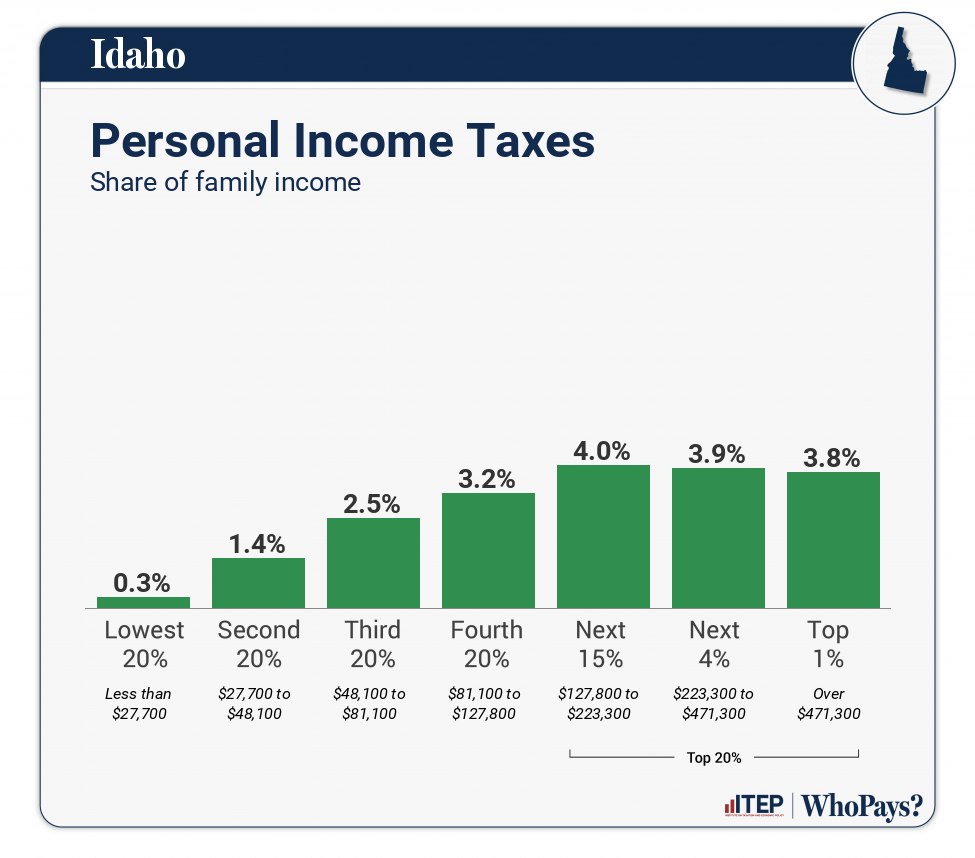
For individuals and businesses earning income within Idaho, the state levies an income tax. Idaho operates on a progressive income tax system, meaning that as taxable income increases, so does the tax rate applied to higher income brackets. While tax rates can change based on legislative action, historically, Idaho’s income tax rates have ranged from very low percentages for the lowest income tiers to a single-digit maximum for the highest earners. This is a crucial consideration for anyone contemplating extended work assignments, remote work arrangements while residing in Idaho, or a full relocation.
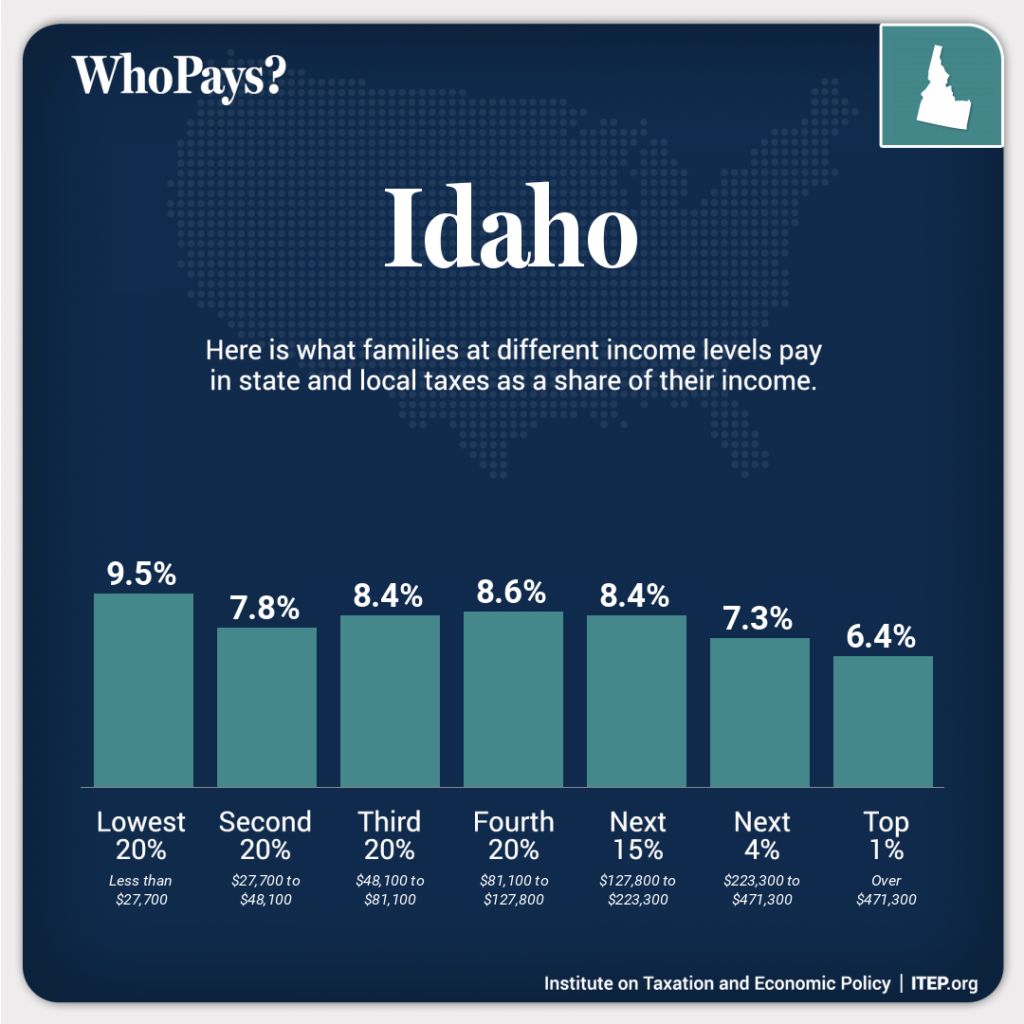
For travelers, state income tax typically doesn’t directly affect short-term visits unless they are earning income within the state during their stay. However, for those exploring a “digital nomad” lifestyle or considering a business stay, understanding Idaho’s tax obligations becomes paramount. The progressive nature of the tax system means that individuals with higher incomes will see a larger portion of their earnings go towards state taxes, which could influence decisions about salary expectations or the overall cost of living. Idaho’s overall tax burden, when considering income, sales, and property taxes combined, is often cited as being competitive compared to some other western states, contributing to its appeal for those seeking a more affordable lifestyle without sacrificing access to outdoor amenities and vibrant communities.
Sales Tax in Idaho: Everyday Costs for Tourists
Perhaps the most immediately noticeable tax for visitors to Idaho is the state sales tax. Idaho has a statewide sales tax rate that applies to most retail purchases, restaurant meals, and various services. Unlike some states, Idaho does not exempt groceries from sales tax, meaning your supermarket bill will also include this levy. However, there are no additional local sales taxes typically added by cities or counties in Idaho, keeping the sales tax rate consistent across the state.
For tourists, this means that the price tag on that souvenir from Boise’s Old Idaho Penitentiary, a new pair of Ski Idaho goggles from Sun Valley, or a meal at a charming restaurant in Coeur d’Alene will have sales tax added at checkout. While not prohibitively high, factoring this into your daily budget for food, shopping, and certain recreational activities is essential for managing your travel expenses. The consistency of the statewide rate simplifies budgeting, as you don’t need to worry about varying sales tax percentages as you move between cities like Idaho Falls, Pocatello, or Twin Falls. Understanding this can help travelers make more informed decisions, whether it’s choosing self-catering accommodations to reduce dining-out expenses or allocating funds for shopping sprees.
Property and Lodging Taxes: Impact on Accommodation and Real Estate
Beyond income and sales taxes, two other significant tax categories in Idaho directly influence accommodation choices and real estate considerations: property taxes and lodging taxes. These taxes play a crucial role for anyone staying in a hotel, renting a vacation home, or contemplating purchasing property within the state.
Property Taxes in Idaho: For Those Considering Longer Stays or Relocation
Property taxes in Idaho are levied at the local level by counties, cities, and special taxing districts (such as school districts or fire districts). These taxes are a primary source of funding for local public services, including schools, law enforcement, fire protection, and infrastructure maintenance. While there isn’t a state property tax in Idaho, the various local levies combine to form an annual property tax bill for homeowners.
Compared to many other states in the U.S., Idaho’s effective property tax rates are generally considered to be below the national average. This can be an attractive feature for individuals and families considering relocation, especially for those looking for a more affordable cost of living compared to coastal regions. Popular real estate markets, such as those in Boise, Coeur d’Alene, or McCall, offer diverse housing options, from urban apartments to lakeside villas. While property values in these sought-after areas have seen significant growth, the relatively lower property tax rates can help offset the overall cost of homeownership. For those considering long-term stays, perhaps exploring the option of purchasing a vacation home or a permanent residence, factoring in these local property taxes is a vital step in financial planning. This aspect of the tax landscape directly ties into lifestyle choices, from luxury travel with a second home to budget-conscious family trips.
Lodging Taxes and Tourism Development
When you book a hotel, a suite, a resort, an apartment, or a villa through platforms like Airbnb or VRBO in Idaho, you’ll encounter lodging taxes. These taxes are specifically applied to temporary overnight stays in commercial accommodations. The revenue generated from lodging taxes often plays a direct role in funding local tourism initiatives, marketing efforts, and the development of attractions and infrastructure that enhance the visitor experience.
In addition to the standard statewide sales tax, many areas in Idaho levy an additional local lodging tax (often referred to as a hotel/motel tax or occupancy tax). The specific rate can vary by city or county, but it’s typically a percentage of the room rate. For example, a stay in Boise might incur a different total lodging tax percentage than a stay in Sandpoint or Lewiston. These taxes are usually clearly itemized on your booking confirmation or hotel bill.
For travelers, understanding lodging taxes is important for accurate budgeting. A seemingly attractive nightly rate can increase once these taxes are applied. However, it’s worth remembering that these contributions often cycle back into improving the very tourism infrastructure that visitors enjoy, from maintaining local landmarks like Shoshone Falls to supporting events and festivals in towns like Moscow. Whether you’re seeking a luxury resort experience in Sun Valley or a cozy apartment for a budget travel adventure, accounting for lodging taxes ensures there are no surprises when you check out.
Other Taxes and Financial Considerations for a Trip to Idaho
While income, sales, property, and lodging taxes are the most prominent, other financial considerations and smaller tax levies can affect your experience in Idaho. Being aware of these ensures a more comprehensive understanding of the costs associated with traveling and living in the state.
Fuel Taxes and Transportation Costs
If your Idaho adventure involves a road trip, exploring vast national forests, or simply driving between cities, fuel taxes will be a part of your transportation costs. Idaho levies a state fuel tax on gasoline and diesel. This tax is typically included in the per-gallon price you see at the pump. The revenue from fuel taxes is primarily dedicated to funding the construction, maintenance, and improvement of Idaho’s roads, bridges, and other transportation infrastructure.
For travelers renting a car or bringing their own vehicle, understanding that the cost of gas includes this tax is essential. While not a direct tax you pay separately, it contributes to the overall expense of getting around the state. Given Idaho’s expansive and often remote landscapes, from the Palouse region’s rolling hills to the wilderness surrounding the Hells Canyon National Recreation Area, vehicle travel is often a necessity for exploring attractions. Therefore, factoring fuel costs, inclusive of taxes, into your travel budget is a practical step for any itinerary, whether it’s a family trip or a business stay requiring extensive travel.
Understanding Local Taxes and Fees
Beyond the major state and county taxes, it’s worth noting that specific local jurisdictions or special districts within Idaho might impose additional fees or minor taxes for particular services or amenities. These are generally less common for the average tourist but can arise in very specific circumstances. For instance, some municipalities might have small utility taxes, specific impact fees for new developments, or charges for certain recreational services.
For most travelers, these granular local fees are unlikely to be a concern. However, for those looking at long-term stays, setting up a business, or purchasing property in a very specific location, it’s always prudent to inquire about any unique local levies that might apply. Generally, for typical tourism activities—visiting a landmark like the Idaho Potato Museum, enjoying attractions like Silverwood Theme Park, or skiing at Bogus Basin Mountain Recreation Area—the primary taxes you’ll encounter are sales tax and lodging tax. Always remember that transparency in pricing is key, and reputable tourism businesses will clearly itemize any applicable taxes on your bill.
Navigating Idaho’s Tax Structure for an Enhanced Travel and Lifestyle Experience
Understanding Idaho’s tax landscape isn’t just about identifying costs; it’s about enabling a more informed and enjoyable experience, whether you’re visiting for a week or considering a lifetime in the Gem State. By being aware of where your money goes, you can better plan your budget, appreciate the services these taxes fund, and make choices that align with your financial comfort and lifestyle goals.
Budgeting Tips for Your Idaho Adventure
With the knowledge of Idaho’s tax structure, here are some practical tips for managing your budget during your trip:
- Factor in Sales Tax: When planning your spending on meals, souvenirs, and activities, always assume an additional percentage for sales tax, especially since groceries are not exempt. This avoids underbudgeting.
- Check Lodging Tax Rates: Before booking accommodation, whether a hotel, resort, or Airbnb, look for the total price including all taxes and fees. Websites typically display this, but a quick check ensures no surprises. Rates can vary slightly by location.
- Consider Self-Catering: To mitigate sales tax on restaurant meals, especially for longer stays, consider booking accommodations with kitchen facilities. Shopping at local markets and cooking some of your meals can be a fun way to save money and experience local produce.
- Utilize Free Attractions: Idaho boasts an abundance of free natural attractions, from hiking trails in Farragut State Park to scenic drives along the Snake River. Balancing paid activities with these free experiences can significantly stretch your budget.
- Off-Peak Travel: Traveling during the off-peak season can often result in lower accommodation rates, which in turn reduces the base amount on which lodging taxes are calculated.
Relocation and Long-Term Stay Considerations
For those considering a more permanent move or a long-term stay in Idaho, the tax implications become more intricate and warrant careful planning:
- Consult a Professional: For complex financial situations, especially those involving income from multiple sources, investments, or business ventures, consulting with a tax professional specializing in Idaho tax law is highly recommended. They can provide personalized advice and ensure compliance.
- Overall Cost of Living: While Idaho has state taxes, its overall cost of living, including housing, utilities, and transportation, can be more affordable than in many other U.S. states. Evaluate the complete financial picture rather than focusing solely on individual tax rates.
- Community and Lifestyle Match: Beyond taxes, consider how Idaho’s various cities and regions align with your desired lifestyle. From the urban amenities of Boise to the resort town charm of McCall or the agricultural beauty of the Palouse, each area offers a unique living experience.
- Property Tax Exemptions and Homeowner’s Grant: Idaho offers a homeowner’s exemption that reduces the taxable value of an owner-occupied primary residence, providing some relief on property taxes. Familiarize yourself with such programs if purchasing a home.
In conclusion, yes, Idaho does have state tax in the form of income tax and sales tax, in addition to property and lodging taxes. However, these are standard components of funding public services and infrastructure in most states. For travelers, awareness of sales and lodging taxes helps with accurate budgeting. For those looking to embrace the unique Idaho lifestyle, understanding the full tax picture, including income and property taxes, is crucial for financial planning. Despite these taxes, Idaho continues to attract visitors and new residents drawn to its breathtaking natural wonders, vibrant communities, and the promise of a life well-lived amidst its stunning scenery. By approaching your visit or relocation with a clear understanding of these financial aspects, you can fully immerse yourself in all that the Gem State has to offer.
LifeOutOfTheBox is a participant in the Amazon Services LLC Associates Program, an affiliate advertising program designed to provide a means for sites to earn advertising fees by advertising and linking to Amazon.com. Amazon, the Amazon logo, AmazonSupply, and the AmazonSupply logo are trademarks of Amazon.com, Inc. or its affiliates. As an Amazon Associate we earn affiliate commissions from qualifying purchases.