
Ah, California! The Golden State, a land of endless sunshine, diverse landscapes, and iconic landmarks, beckons millions of travelers each year. From the bustling cityscapes of Los Angeles to the majestic redwoods of Yosemite National Park, and the serene vineyards of Napa Valley to the dramatic coastline of Big Sur, California offers an unparalleled travel experience. However, before you pack your bags and set your sights on this west coast paradise, there’s one fundamental aspect of planning that can significantly impact your journey: understanding California’s time zone.
Navigating time differences, especially when traveling across continents or even just a few states, is more than just adjusting your watch; it affects flight schedules, hotel check-ins, business meetings, and even your body’s internal clock. For those embarking on a California adventure, mastering the intricacies of its time zone, particularly the shift between Standard and Daylight Saving Time, is crucial for a seamless and enjoyable trip. This comprehensive guide will demystify California’s time zone, offering insights into how it works, how to manage its effects, and how it shapes the rhythm of travel and tourism throughout the state, ensuring you make the most of every precious moment in this vibrant destination.
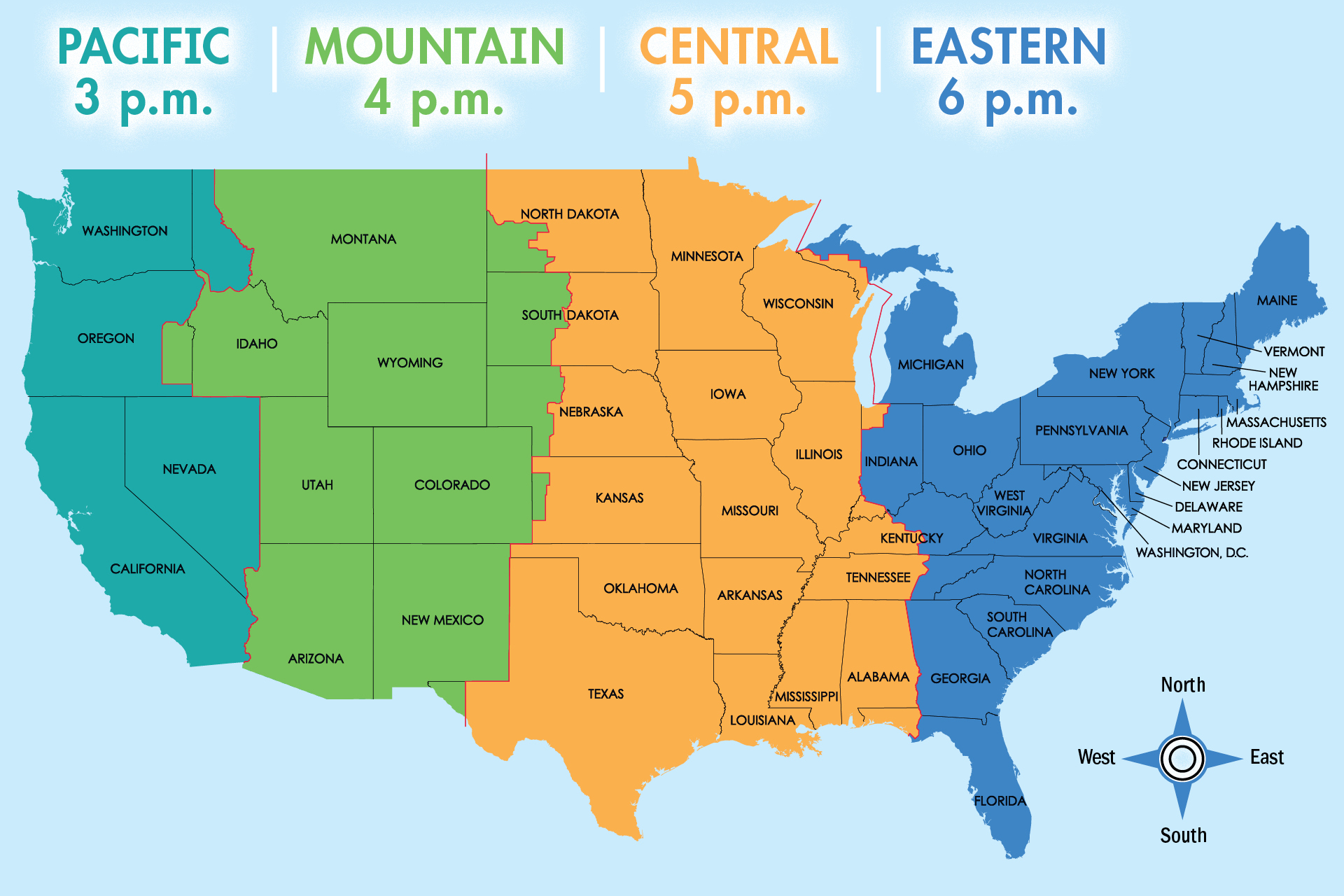
Understanding Pacific Standard Time (PST) and Pacific Daylight Time (PDT)
At its core, California operates primarily within one time zone for the entire state, simplifying things significantly compared to some other expansive regions. However, this single time zone does undergo an annual adjustment.
The Basics of California’s Time Zone
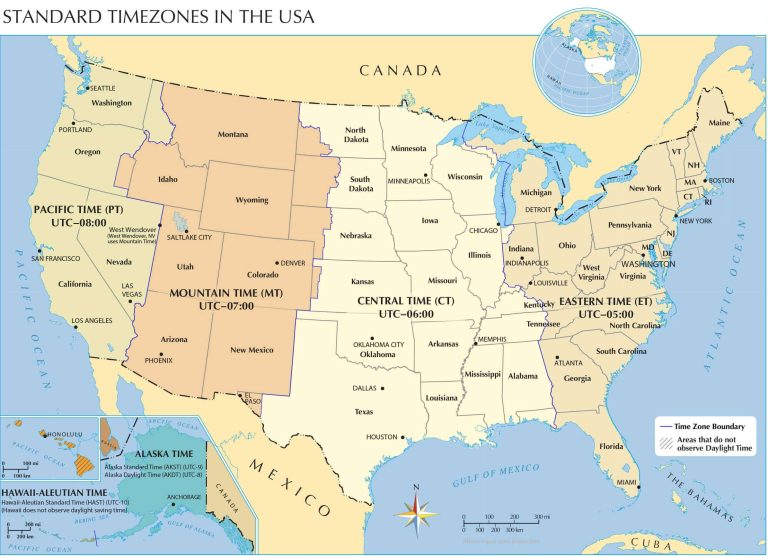
California observes the Pacific Time Zone. For the majority of the year, from early November to mid-March, this means the state is on Pacific Standard Time (PST). PST is represented as UTC-8, meaning it is eight hours behind Coordinated Universal Time (UTC). This consistent offset makes it relatively straightforward to calculate time differences, whether you’re connecting from the East Coast of the United States or an international destination like London or Tokyo. For example, if it’s 12:00 PM (noon) in California during PST, it would be 3:00 PM in New York (Eastern Standard Time, UTC-5) and 8:00 PM in London (Greenwich Mean Time, UTC+0).
This uniformity across the state means that from the northern reaches near the Oregon border down to the bustling cities of Southern California near Mexico, everyone is on the same clock. This is a blessing for travelers planning itineraries that span different regions within the state, as there’s no need to constantly adjust your watch as you drive from, say, San Francisco to San Diego.
Daylight Saving Time in California
The plot thickens slightly with the advent of Daylight Saving Time (DST), which California observes. Typically, on the second Sunday in March, clocks “spring forward” one hour, and the time zone shifts from PST (UTC-8) to Pacific Daylight Time (PDT) (UTC-7). This change means that sunset occurs later in the evening, extending daylight hours for leisure and outdoor activities—a significant boon for tourism and lifestyle experiences. The clocks then “fall back” one hour on the first Sunday in November, returning to PST.
The practice of DST, while embraced by many for its extended daylight, can be a minor hurdle for travelers. If your journey aligns with these transition dates, it’s paramount to double-check flight times, hotel bookings, and scheduled tours. An overlooked time change could lead to a missed connection or a delayed start to a pre-booked excursion. Many booking platforms and smart devices automatically adjust, but it’s always wise to confirm manually, especially for critical appointments. Understanding this annual rhythm is the first step in mastering California’s time zone and ensuring your travel plans remain flawlessly synchronized.
Navigating Time Differences for Travelers
Traveling to California often involves crossing multiple time zones, which can present unique challenges and opportunities. Whether you’re flying in for a quick business trip or embarking on an extended luxury vacation, adapting to the local time is key to a rewarding experience.
Planning Your Arrival and Departure
The most immediate impact of time zones on travel manifests in your arrival and departure logistics. When booking flights, especially those spanning several time zones from the East Coast of the United States or international locales, always pay close attention to the arrival and departure times listed in local time. A flight departing New York at 9:00 AM EST will arrive in Los Angeles at 12:00 PM PST, but the journey itself has taken approximately six hours. Understanding this distinction prevents confusion and ensures you arrive refreshed and ready to begin your adventure.
Similarly, scheduling transfers from Los Angeles International Airport (LAX) or San Francisco International Airport (SFO) to your accommodation is critical. A pre-arranged shuttle or taxi might not wait if you miscalculate the time. Always set your phone and watch to California time as soon as you land, or even before your flight departs, to minimize errors. This simple step can make a significant difference in smooth transitions, whether you’re heading to a suite at The Beverly Hills Hotel or a resort in Palm Springs.
Combatting Jet Lag
Jet lag is the infamous companion of long-distance travel, and crossing into California’s time zone from the east or overseas can certainly induce it. Symptoms like fatigue, insomnia, headaches, and digestive issues can significantly detract from your travel experience. However, with a few strategic adjustments, you can minimize its effects and dive straight into enjoying California’s vibrant culture and attractions.
- Adjust Before You Go: A few days before your trip, gradually shift your sleep schedule by an hour or two in the direction of California time.
- Hydrate and Avoid Alcohol/Caffeine: Staying well-hydrated throughout your flight and upon arrival is crucial. Alcohol and excessive caffeine can disrupt your sleep cycle further.
- Embrace Natural Light: Upon arrival, expose yourself to natural light during the day, especially in the morning. This helps reset your circadian rhythm. Take a stroll along Santa Monica Pier or explore the sunny streets of San Diego.
- Stick to the Local Schedule: Even if you feel tired, try to eat meals and go to bed according to local California time. Resist the urge to nap excessively during the day, which can prolong the adjustment period.
- Prioritize Rest: Book an accommodation that allows for comfortable rest. Many California hotels, from luxury suites to cozy boutique apartments, prioritize guest comfort, offering blackout curtains and serene environments perfect for overcoming jet lag.
Business and Leisure Considerations
For business travelers, understanding the time difference is paramount for scheduling calls, virtual meetings, and presentations with colleagues in different time zones. Missing a critical meeting due to a miscalculation can have serious repercussions. Always confirm the time zone of your counterparts and use scheduling tools that automatically adjust for different regions.
For leisure travelers, particularly those planning family trips or group activities, time zones influence everything from restaurant reservations to theme park visits. Arriving at Disneyland Resort in Anaheim an hour late due to a time zone misstep could mean longer queues or missing a beloved parade. Similarly, if you’re exploring the local culture and food scene in San Francisco, knowing restaurant opening and closing times, which are firmly rooted in PST/PDT, is essential. From booking a surfing lesson in Malibu to a wine tasting tour in Sonoma County, every activity is governed by the local clock, making a clear understanding of California’s time zone an invaluable asset for a stress-free trip.
Exploring California by Time Zone: Iconic Destinations and Experiences
While California operates under a single time zone, the sheer breadth of its landscapes means that how you experience the “time” of day can feel vastly different depending on your location. The sunrise over the Sierra Nevada mountains offers a different morning rhythm than the vibrant dawn over the Pacific Ocean in a coastal city.
Coastal Wonders: San Francisco to San Diego
California’s coastline is a string of jewels, each with its own allure, and all operating on the same clock, making multi-city coastal road trips a breeze from a time management perspective.
- San Francisco: Kicking off your adventure in the iconic Fog City, you’ll find a sophisticated blend of history, culture, and innovation. Early risers can catch breathtaking views of the Golden Gate Bridge as the fog recedes, before embarking on a morning ferry to Alcatraz Island. Evenings are for indulging in the city’s renowned culinary scene or enjoying a sunset cruise. Accommodation options range from historic hotels in Union Square to charming boutique hotels in Fisherman’s Wharf.
- [Big Sur] and Carmel-by-the-Sea: Further south, along the dramatic central coast, time seems to slow down. Here, the focus is on nature’s grandeur. A leisurely drive along Highway 1, stopping at scenic overlooks, can fill a day. Many travelers opt for luxury resorts nestled into the cliffs or charming inns in Carmel-by-the-Sea, where the pace of life encourages relaxation and appreciation for the natural world.
- Santa Barbara: Known as the “American Riviera,” Santa Barbara boasts Spanish-colonial architecture, pristine beaches, and a laid-back lifestyle. Mornings might involve a walk along Stearns Wharf, followed by an afternoon of wine tasting in the urban wine trail or relaxing at a luxury resort.
- [Los Angeles] County: The sprawling metropolis of Los Angeles offers everything from the glitz and glamour of Hollywood to the sun-kissed beaches of Santa Monica and Malibu. Early starts are common here, whether you’re heading to Universal Studios Hollywood or beating the traffic to Griffith Observatory for panoramic city views. The city’s diverse accommodation ranges from iconic luxury hotels like The Beverly Hills Hotel to chic beachfront apartments in Manhattan Beach or Marina del Rey.
- San Diego: As you venture to the southern tip, San Diego welcomes you with its perpetual sunshine and vibrant atmosphere. Days here can be spent exploring Balboa Park, visiting the famous San Diego Zoo, or relaxing on the shores of Coronado. The city’s tourism thrives on its relaxed pace, though nightlife in the Gaslamp Quarter often extends well into the PDT or PST evening hours. Staying at a historic landmark like Hotel del Coronado adds to the timeless charm.
Inland Adventures: From Lake Tahoe to Palm Springs
Beyond the coast, California’s interior offers a different kind of temporal experience, defined by mountains, deserts, and agricultural valleys.
- Lake Tahoe: Nestled in the Sierra Nevada mountains, Lake Tahoe offers year-round recreation. Winter mornings begin early for skiers hitting the slopes, while summer days are long and bright for hiking and boating. The crisp mountain air and stunning scenery create a sense of timelessness, making it a perfect escape from city life.
- Yosemite National Park: A majestic wonder, Yosemite demands early starts for popular hikes and sightseeing to avoid crowds and fully immerse oneself in its grandeur. Whether you’re marveling at El Capitan or Bridalveil Fall, the park’s natural clock dictates a rhythm of sunrises and sunsets that feel ancient and enduring, far removed from the city’s pace.
- [Napa Valley] and Sonoma County: California’s wine country offers a more refined, leisurely pace. Days are spent touring vineyards, enjoying gourmet meals, and relaxing at luxurious resorts. While appointments for tastings are common, the overall lifestyle here is about savoring the moment, often enhanced by the extended daylight hours of PDT in the warmer months.
- Palm Springs: In the Coachella Valley, Palm Springs is synonymous with mid-century modern architecture, golf, and desert relaxation. Mornings are often for outdoor activities before the desert heat peaks, with afternoons reserved for poolside lounging or spa treatments. Evenings come alive with dining and entertainment, providing a distinct desert lifestyle that fully embraces the California time zone. The region is dotted with boutique hotels, private villas, and upscale resorts, ideal for both short stays and long-term accommodation.
- Death Valley National Park: This extreme desert landscape operates on the same time, but its intense climate dictates activity times. Early mornings and late afternoons are best for exploration, allowing visitors to experience the stark beauty safely.
Metropolitan Hubs: Los Angeles and Beyond
California’s major cities, while geographically diverse, all pulse with a unified rhythm set by the Pacific Time Zone.
- Los Angeles: The entertainment capital of the world, Los Angeles is a city that never truly sleeps, but its daily operations are firmly on PST/PDT. From early morning shoots in Hollywood to late-night events in Downtown LA, understanding the local clock is crucial. Tourism here is a whirlwind of attractions: Universal Studios Hollywood, Disneyland Resort in nearby Anaheim, the Hollywood Walk of Fame, and the shopping on Rodeo Drive in Beverly Hills. Accommodations range from luxurious resorts such as The Ritz-Carlton, Laguna Niguel in Laguna Beach to chic apartments in Pasadena, catering to every traveler’s lifestyle.
- San Francisco: As a tech hub and cultural epicenter, San Francisco balances a fast-paced work environment with a laid-back Bay Area lifestyle. From early morning tech conferences to evening performances, the city moves at a distinct California pace.
- Sacramento: The state capital, Sacramento, offers a rich historical experience with its Old Town and a burgeoning farm-to-fork dining scene. Its schedule is dictated by government hours and local events, providing a different perspective on the California clock.
- San Jose: The heart of Silicon Valley, San Jose is characterized by innovation and technology. Business meetings and tech events often start early, reflecting the global connections of its industries, all while adhering to the local Pacific Time.
Across all these destinations, the single California time zone streamlines planning, allowing travelers to focus on the unique experiences each region offers rather than constant time adjustments.
Practical Tips for a Seamless California Trip
Beyond understanding the theoretical aspects of California’s time zone, applying practical strategies can elevate your entire travel experience, ensuring a smooth transition and maximized enjoyment.
Accommodation and Booking Strategies
When booking hotels, resorts, or apartments in California, always confirm check-in and check-out times in local PST/PDT. Many establishments, from luxury suites at the Waldorf Astoria Monarch Beach Resort & Club to budget-friendly long-term stays, have strict policies. If you’re arriving early due to a morning flight, inquire about early check-in options or luggage storage to avoid waiting around. Conversely, if you have a late departure, ask about late check-out or facilities to store your bags while you enjoy a final few hours of sightseeing.
Leveraging online booking platforms that display times in your local zone and then convert to the destination’s time can be incredibly helpful. However, always do a final manual check. Consider accommodations that cater specifically to travelers, often providing amenities like 24-hour reception, robust Wi-Fi for international communication, and comfortable sleeping environments to aid in jet lag recovery. Reading reviews can also provide insights into how specific hotels handle early arrivals or provide tips for optimizing your stay around the local time.
Maximizing Your Time in the Golden State
The key to a successful California trip, especially when dealing with time zone shifts, is strategic planning and flexibility.
- Front-Load Your Itinerary: If arriving from a significant time difference, plan less strenuous activities for your first day or two. Explore local markets, enjoy a casual meal, or simply relax at your accommodation. This allows your body to adjust without the pressure of strict schedules.
- Embrace Early Mornings (or Late Evenings): Depending on your natural body clock adjustment, you might find yourself awake earlier than usual. Use these quiet hours to visit popular attractions before the crowds, enjoy a serene sunrise walk along the beach, or catch up on work. Conversely, if you adapt quickly to the later sunsets of PDT, plan for evening activities like outdoor dining, sunset cruises, or strolling through illuminated city landmarks.
- Utilize Technology: Your smartphone is your best friend. Set alarms for key appointments in local time, use time zone converters, and download local maps. Most modern phones automatically adjust to the local time zone when you land, but a quick verification is always prudent.
- Stay Flexible: Despite meticulous planning, travel can throw curveballs. Be prepared to adjust your schedule if unforeseen delays occur or if you simply need an extra hour of rest. California’s diverse offerings mean there’s always something to do, regardless of the exact minute on the clock.
- Mind Your Energy Levels: Listen to your body. Pushing too hard to stick to a packed schedule while combating jet lag can lead to burnout and diminish your overall experience. Prioritize rest, stay hydrated, and allow yourself moments of downtime to truly soak in the unique lifestyle and vibrant atmosphere of California.
By understanding California’s time zone, from the annual shift between PST and PDT to its practical implications for travel planning and well-being, you can ensure your journey through the Golden State is as seamless, enjoyable, and memorable as possible. Embrace the rhythm of the Pacific, and California will undoubtedly reward you with an unforgettable adventure.
LifeOutOfTheBox is a participant in the Amazon Services LLC Associates Program, an affiliate advertising program designed to provide a means for sites to earn advertising fees by advertising and linking to Amazon.com. Amazon, the Amazon logo, AmazonSupply, and the AmazonSupply logo are trademarks of Amazon.com, Inc. or its affiliates. As an Amazon Associate we earn affiliate commissions from qualifying purchases.