
For travelers planning an adventure to the Gem State, understanding the local time zone is more than just a trivial detail—it’s a critical component of seamless travel planning, from booking accommodations to coordinating activities. Idaho, a state celebrated for its rugged beauty, vast wilderness, and vibrant cities, presents a unique challenge: it spans two different time zones. This geographical quirk can lead to confusion if not properly understood, potentially impacting everything from flight schedules and hotel check-ins to tour departures and dining reservations. Navigating Idaho’s time zones effectively is key to unlocking a stress-free and enjoyable experience, whether you’re exploring the bustling streets of Boise or the serene landscapes of the Sawtooth Mountains.
This comprehensive guide will delve into the intricacies of Idaho’s time zone geography, offering practical advice for travelers, tourists, and anyone looking to experience the best of this remarkable state. We’ll explore which regions fall under which time zone, how to meticulously plan your itinerary to avoid common time-related pitfalls, and how this dual-zone reality influences local life, tourism, and accommodation choices. By the end, you’ll be well-equipped to synchronize your watch and your plans with Idaho’s unique rhythm, ensuring your journey is as smooth and enriching as the landscapes themselves.
Idaho’s Dual Time Zones Explained
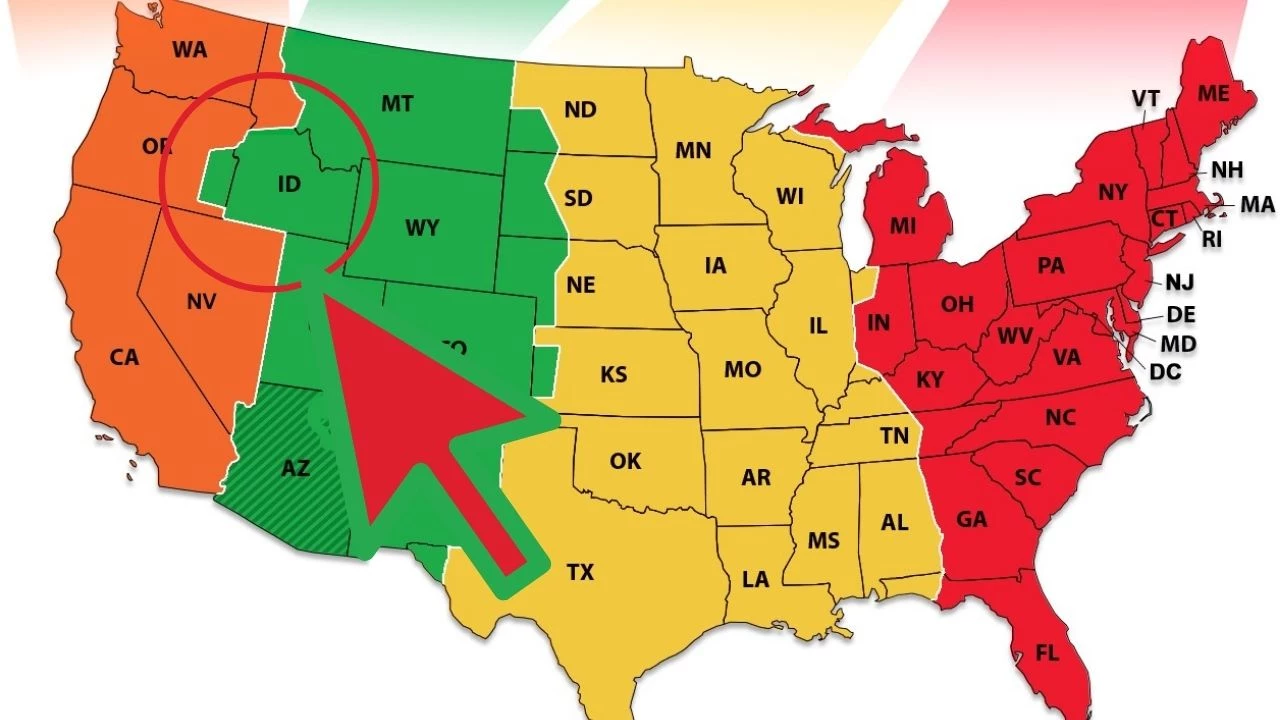
Unlike many states that adhere to a single time zone, Idaho is bisected by a time zone boundary, dividing its expansive territory into two distinct time zones: the Pacific Time Zone (PT) and the Mountain Time Zone (MT). This division is not arbitrary but rather a consequence of geographical and historical factors, primarily aligning with neighboring states and regional economic hubs. Understanding where this line falls is paramount for anyone traversing the state.
Pacific Time Zone (PT) in Idaho
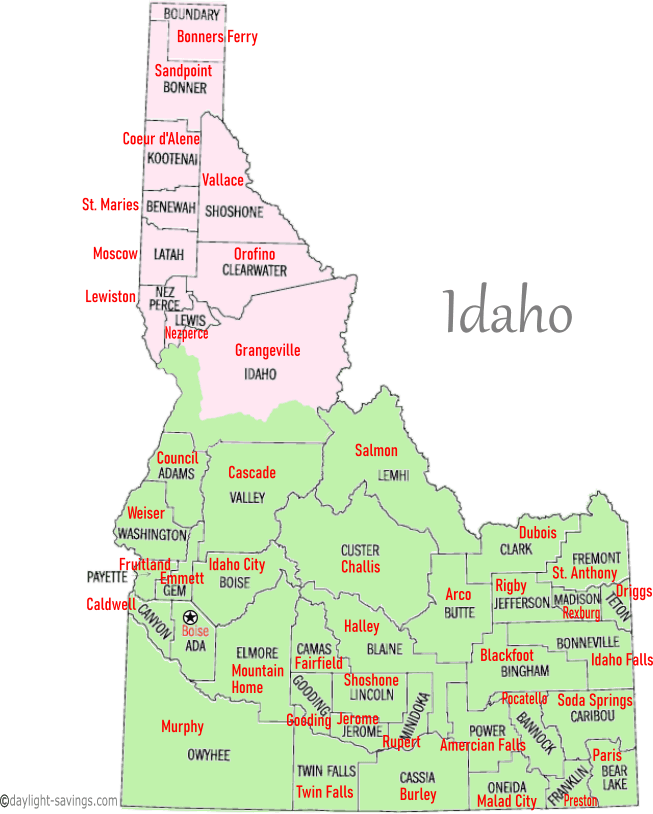
The northern part of Idaho, often referred to as the Idaho Panhandle, observes the Pacific Time Zone. This region is contiguous with eastern Washington and eastern Oregon, making logical sense for cross-border commerce and communication. Cities like Coeur d’Alene, Lewiston, Moscow, and Sandpoint all operate on Pacific Time Zone. This means that during standard time, these areas are UTC-8, and during daylight saving time (which Idaho observes), they shift to UTC-7.
For travelers, this segment of Idaho offers stunning natural beauty, including pristine lakes like Lake Coeur d’Alene and Lake Pend Oreille, and is a popular destination for outdoor enthusiasts. When planning a trip to the Panhandle, it’s crucial to remember that your watch will likely be an hour behind the rest of the state if you’re coming from the south. Accommodations, tour operators, and local businesses in this area will all be operating on Pacific Time Zone, so ensure your bookings and schedules reflect this.
Mountain Time Zone (MT) in Idaho
The vast majority of Idaho, encompassing its central and southern regions, observes the Mountain Time Zone. This includes the capital city of Boise and other major population centers such as Meridian, Nampa, Caldwell, Idaho Falls, Pocatello, and Twin Falls. Geographically, this aligns Idaho with its eastern neighbors, Montana, Wyoming, and Utah, facilitating economic and social interactions within the broader Rocky Mountains region. During standard time, these areas are UTC-7, and during daylight saving time, they shift to UTC-6.
This part of Idaho is a hub for business, agriculture, and tourism, boasting iconic landmarks like the Snake River Canyon, the Sawtooth Mountains, and proximity to Yellowstone National Park and Grand Teton National Park. When making reservations for hotels, resorts, or local experiences in these areas, always confirm the time in relation to Mountain Time Zone. For instance, a flight arriving in Boise will be on Mountain Time Zone, and if you’re traveling from the Panhandle, you’ll need to adjust your watch forward by an hour.
The Time Zone Divide: Where Idaho Splits
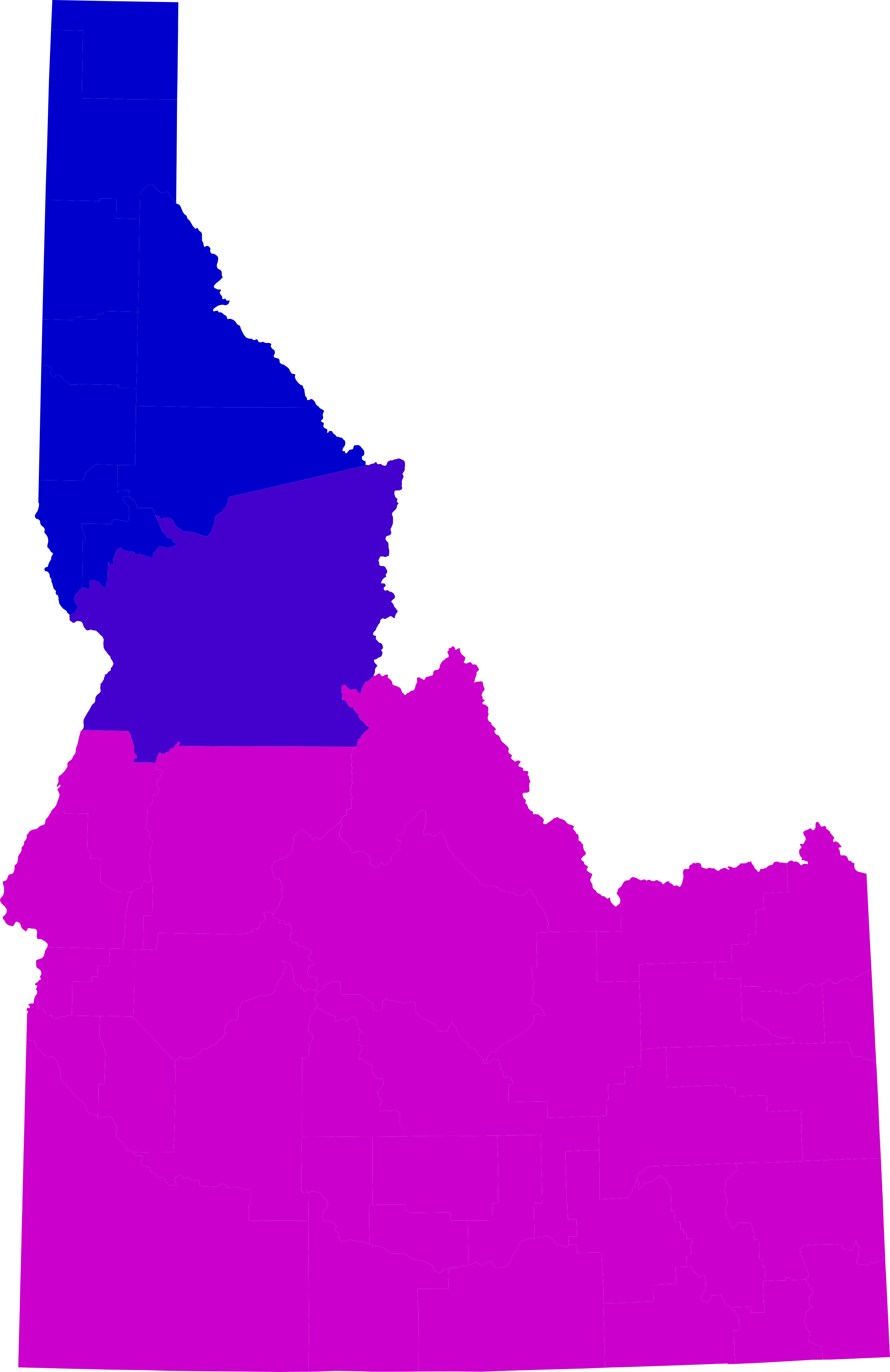
The official dividing line between the Pacific Time Zone and the Mountain Time Zone in Idaho generally follows the Salmon River for a significant stretch and then extends south along county lines. Specifically, it roughly runs along the western border of Lemhi County and Valley County, down to Idaho County, and Payette County. The cities of Grangeville and McCall are examples of communities situated near this boundary, with Grangeville on Pacific Time Zone and McCall on Mountain Time Zone.
For road trippers or those exploring both northern and southern Idaho, crossing this time zone boundary is a common occurrence. There are no grand signs announcing the shift, so travelers must remain vigilant. A simple look at a smartphone will usually automatically update the time, but it’s wise to have a general awareness. This divide is more than just a line on a map; it represents a subtle but significant shift in daily rhythms and scheduling that can catch unsuspecting visitors off guard.
Navigating Time Zones for Seamless Travel in Idaho
The dual time zone system in Idaho demands a proactive approach to travel planning. Ignoring this detail can lead to missed flights, late check-ins, or confusion regarding scheduled activities. However, with a few simple strategies, you can effortlessly navigate these shifts and ensure your Idaho adventure unfolds exactly as planned.
Planning Your Itinerary: Essential Time Zone Considerations
When drafting your Idaho itinerary, always factor in the time zone differences, especially if your journey spans across the state.
- Arrival and Departure Times: Verify the time zone specified on your flight tickets or train schedules. An arrival time of 3:00 PM in Boise (Mountain Time Zone) is different from 3:00 PM in Lewiston (Pacific Time Zone). This is critical for connecting flights or ground transportation.
- Road Trips: If you’re driving from, say, Coeur d’Alene to Sun Valley or from Boise to Sandpoint, remember you’ll cross a time zone. Plan for the lost or gained hour in your travel duration and estimated arrival times. This impacts lunch stops, attraction closing times, and even gas station hours in remote areas.
- Multi-State Journeys: For those combining an Idaho trip with visits to neighboring states like Washington, Oregon, or Utah, note that Washington and Oregon are primarily Pacific Time Zone (with some eastern exceptions), while Utah is entirely Mountain Time Zone. This adds another layer of time zone management to your journey.
Accommodation and Bookings: Avoiding Time-Related Pitfalls
Booking your stay requires careful attention to time zones to prevent misunderstandings and potential extra charges.
- Check-in/Check-out Times: Most hotels, resorts, and vacation rentals clearly state their check-in and check-out times. Always confirm these are in the local time zone of the property. Arriving an hour late for check-in because you miscalculated the time zone could mean a closed reception or a late fee.
- Reservation Confirmations: When you receive a booking confirmation for a hotel, a tour, or a restaurant, double-check that the times listed correspond to the correct local time zone. This is especially true if you are booking through an online platform that might display times in your home time zone initially.
- Amenities and Services: If your accommodation offers specific timed amenities, such as a spa appointment, a shuttle service, or a breakfast buffet, ensure you know the schedule in the property’s local time. Imagine missing out on a complimentary breakfast at your Boise hotel because you were still operating on Pacific Time Zone.
Local Experiences and Activities: Synchronizing with Idaho Time
Idaho offers a plethora of experiences, from skiing in Sun Valley and hiking in Craters of the Moon National Monument and Preserve to exploring the Hells Canyon National Recreation Area and witnessing Shoshone Falls. Each of these activities adheres to local time.
- Tour Departures: Whether it’s a whitewater rafting trip on the Snake River or a scenic drive along the Ponderosa Pine Scenic Byway, tour operators will always specify departure times in their local time zone. Confirm this when booking to avoid missing your excursion.
- Attraction Hours: Museums, national parks, historical sites, and even local shops will have operating hours set to their respective time zones. A museum in Ketchum (Mountain Time Zone) might close at 5 PM local time, which would be 4 PM in Coeur d’Alene.
- Dining Reservations: Restaurants in Idaho cities like Boise or Idaho Falls will take reservations in Mountain Time Zone. If you’re coming from the Panhandle, remember to adjust your internal clock to arrive on time for your dinner plans.
Lifestyle and Economic Impacts: Beyond the Clock
The dual time zone system in Idaho extends its influence far beyond mere travel logistics, subtly shaping the daily lives of its residents and impacting various sectors of the state’s economy, particularly tourism and business.
Business and Communications Across Time Zones
For businesses operating across the state, or those with clients and partners in both the Pacific Northwest and the Rocky Mountains, managing the time difference is a daily reality. Companies in Boise (MT) communicating with their counterparts in Lewiston (PT) must always account for the one-hour gap. This impacts scheduling meetings, setting deadlines, and coordinating logistics for deliveries or services. Financial institutions, government agencies, and even educational institutions have to be mindful of this divide to ensure smooth operations.
This can sometimes lead to slightly staggered business hours or specific internal protocols to manage the time difference effectively. For instance, a statewide conference might begin an hour later in Mountain Time Zone to accommodate participants from the Pacific Time Zone and avoid an overly early start for them. This inherent need for flexibility and awareness permeates the professional landscape of Idaho.
The Effect on Tourism and Local Culture
Tourism in Idaho thrives on its diverse offerings, from ski resorts like Bogus Basin Mountain Recreation Area near Boise to the serene shores of Lake Coeur d’Alene. The dual time zones mean that marketing materials, online booking systems, and local guides must be meticulously clear about the applicable time.
- Event Planning: Large-scale events, festivals, or sporting competitions often draw attendees from across the state. Organizers must clearly publicize event times, often stating “MT” or “PT” to prevent confusion. This is particularly important for events that involve a statewide audience or live broadcasts.
- Local Rhythms: Culturally, the time zone division subtly shapes daily rhythms. A morning person in Coeur d’Alene might be starting their day an hour later than someone waking up in Rexburg. While this doesn’t drastically alter local culture, it contributes to a unique dynamic within the state, where residents are accustomed to mentally (or physically) adjusting their clocks as they travel.
- Cross-Border Communities: Communities situated on or near the time zone boundary, like Grangeville and McCall, experience this most directly. Businesses might serve customers from both time zones, and locals frequently travel back and forth, making time awareness an integral part of their daily routine.
Maximizing Your Idaho Journey: Tips for a Flawless Experience
With a clear understanding of Idaho’s time zones, you can now equip yourself with practical tips to ensure your journey is not just smooth but truly exceptional. The key lies in leveraging technology and maintaining a proactive mindset.
Utilizing Technology for Time Zone Awareness
Modern technology is your best friend when navigating time zones.
- Smartphone Auto-Update: Your smartphone is designed to automatically update to the local time zone when it detects a change in location. Ensure your phone’s settings allow for automatic time zone updates. This is incredibly helpful when crossing the divide in Idaho.
- World Clock Apps: Utilize world clock features on your phone or dedicated apps to display multiple time zones simultaneously. This is useful for planning calls back home or coordinating with people in different parts of Idaho or other states.
- Online Mapping Services: When using services like Google Maps or Apple Maps for directions, the estimated arrival times typically account for time zone changes. Pay attention to the indicated arrival time relative to your destination’s local time.
- Digital Calendars: When inputting appointments or reservations into your digital calendar, always specify the time zone. Most calendar apps allow you to set the time zone for each event, preventing confusion.
Embracing the Best of Idaho, Regardless of the Clock
While time zones require attention, they should not overshadow the incredible experiences Idaho has to offer.
- Flexibility is Key: Build a little buffer time into your itinerary, especially when traveling long distances or crossing the time zone line. A relaxed pace allows for unexpected delays or spontaneous detours without disrupting your entire schedule.
- Confirm Locally: When in doubt about a specific time for an attraction, restaurant, or tour, don’t hesitate to make a quick phone call to confirm the local time. Local businesses are accustomed to this question and will be happy to assist.
- Enjoy the Journey: Idaho is a state of stunning natural beauty. Whether you’re exploring the Hells Canyon wilderness, skiing the slopes of Sun Valley, or enjoying the urban delights of Boise, remember to soak in the experiences. A minor time adjustment is a small price to pay for the memories you’ll create.
- Be a Savvy Traveler: Equipped with the knowledge of Idaho’s dual time zones, you are now a more informed and prepared traveler. This attention to detail reflects a lifestyle of mindful exploration, ensuring that every aspect of your trip, from booking luxury suites to enjoying budget-friendly local eateries, goes off without a hitch.
In conclusion, Idaho’s unique position spanning both the Pacific Time Zone and the Mountain Time Zone is a distinctive feature that warrants attention from all visitors. By understanding where the divide lies, meticulously planning your itinerary, confirming all bookings with respect to local times, and leveraging available technology, you can effortlessly navigate the temporal shifts. This preparedness will not only prevent inconveniences but also allow you to fully immerse yourself in the rich travel experiences, diverse accommodations, and captivating landmarks that make Idaho an unforgettable destination. So, set your watch, plan your adventure, and get ready to explore the stunning landscapes and vibrant culture of the Gem State, one time zone at a time.
LifeOutOfTheBox is a participant in the Amazon Services LLC Associates Program, an affiliate advertising program designed to provide a means for sites to earn advertising fees by advertising and linking to Amazon.com. Amazon, the Amazon logo, AmazonSupply, and the AmazonSupply logo are trademarks of Amazon.com, Inc. or its affiliates. As an Amazon Associate we earn affiliate commissions from qualifying purchases.