
Las Vegas – a dazzling oasis in the Nevada desert, synonymous with vibrant nightlife, world-class entertainment, and luxurious resorts. Travelers flock here from every corner of the globe, eager to experience its unique blend of excitement and extravagance. Amidst the thrill of the Las Vegas Strip, navigating the myriad of experiences, a fundamental question often arises, one that might seem trivial but is crucial for health, budget, and sustainability: Can you drink tap water in Las Vegas?
The short and reassuring answer is yes, the tap water in Las Vegas is perfectly safe to drink. It is sourced primarily from Lake Mead, a reservoir fed by the mighty Colorado River, and undergoes rigorous treatment and testing to meet and often exceed federal and state drinking water standards. For any visitor planning their trip, understanding the quality, taste, and availability of potable water can significantly enhance their stay, influencing everything from daily hydration strategies in the desert climate to managing travel expenses and minimizing environmental impact.
This comprehensive guide delves into the specifics of Las Vegas’ tap water, exploring its origins, the stringent purification processes it undergoes, what you can expect in terms of taste, and practical tips for staying hydrated responsibly during your desert adventure. Whether you’re considering a budget-friendly trip, focusing on eco-conscious travel, or simply want peace of mind regarding your health, knowing the facts about Las Vegas’ tap water is an essential piece of travel knowledge.

The Source and Quality of Las Vegas Tap Water
Understanding where your water comes from and how it’s treated is key to trusting its safety. Las Vegas is a testament to modern engineering and meticulous water management, especially considering its location in an arid region. The journey of water from its source to your glass is a sophisticated process designed to ensure unparalleled purity and safety.
Where Does Las Vegas Water Come From?
The vast majority of Las Vegas’ water supply, approximately 90%, is drawn from Lake Mead. This massive reservoir, formed by the Hoover Dam on the Colorado River, is one of the largest artificial lakes in the world and serves as a vital water source for several states in the American Southwest. The remaining 10% of Las Vegas’ water comes from local groundwater, which is also carefully managed and treated.
The Southern Nevada Water Authority (SNWA) is the regional agency responsible for water treatment and delivery in the Las Vegas Valley. They operate two primary water intake facilities in Lake Mead, drawing water from different depths to ensure the highest possible quality. Once extracted, the water embarks on its journey through state-of-the-art treatment plants where it undergoes multiple stages of purification before being distributed to homes, businesses, and the countless hotels and resorts that define the city. The reliance on Lake Mead also highlights the importance of water conservation efforts in the region, a topic often discussed by visitors conscious of environmental sustainability and the impact of climate change on natural resources.
Rigorous Testing and Quality Standards
The safety of Las Vegas’ tap water is not left to chance; it’s the result of continuous, stringent testing and adherence to some of the highest quality standards in the nation. The Southern Nevada Water Authority (SNWA) operates sophisticated water quality laboratories that conduct thousands of tests annually, far exceeding the minimum requirements set by federal and state regulations.
These tests monitor for a wide range of potential contaminants, including bacteria, viruses, lead, copper, pesticides, industrial chemicals, and disinfection byproducts. The SNWA rigorously complies with the safe drinking water standards established by the Environmental Protection Agency (EPA), as well as those set by the Nevada Division of Environmental Protection. The treatment process involves several stages, including coagulation, flocculation, sedimentation, filtration, and disinfection (typically with chlorine and chloramines) to remove impurities and kill harmful microorganisms.
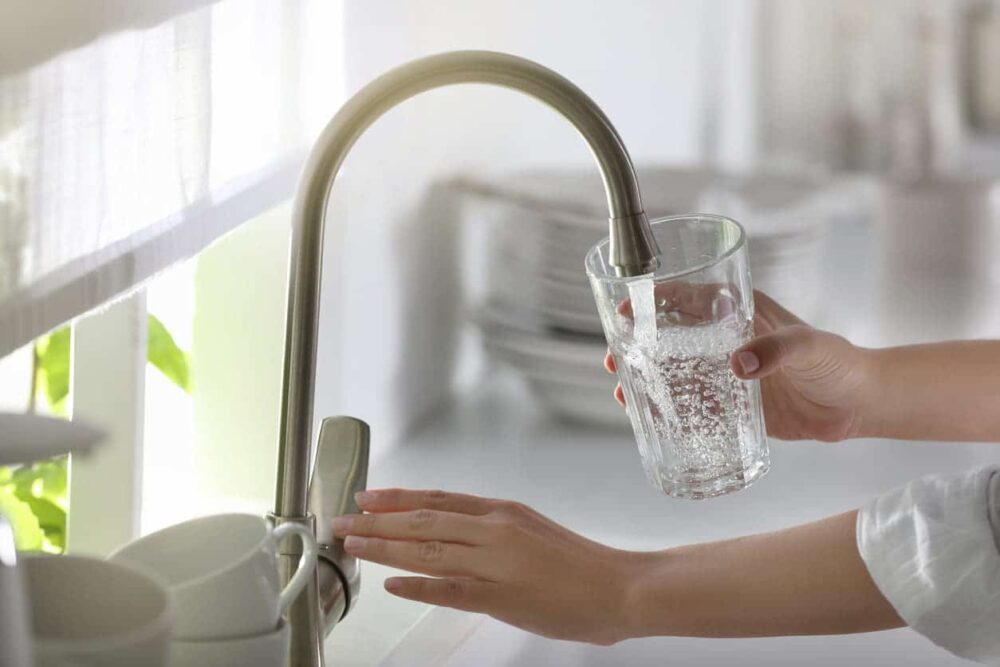
Every year, the SNWA publishes a detailed Water Quality Report, also known as a Consumer Confidence Report, which is readily available to the public. This report provides comprehensive information on the source of the water, the levels of detected contaminants, and confirmation that the water meets all regulatory standards. For travelers, this transparency offers immense peace of mind, assuring them that the water flowing from the taps in their hotel rooms, at restaurants, and public fountains is consistently safe and potable, making it a reliable choice for hydration during their stay.
Understanding Taste, Health, and Practicalities for Travelers
While the safety of Las Vegas tap water is unequivocally established, taste and personal preferences often play a significant role in a traveler’s decision to drink it. Furthermore, the desert environment itself presents unique hydration challenges that all visitors should be aware of.
The Taste Profile: Hard Water and Mineral Content
One common observation about Las Vegas tap water is its distinct taste, often described as “hard.” This characteristic is due to the natural mineral content present in the water, primarily calcium and magnesium, which are dissolved as the Colorado River water flows over rock formations before accumulating in Lake Mead. While these minerals contribute to hardness, they are not harmful and can even add to the water’s taste for some.
For individuals accustomed to softer water or water with a different mineral composition, the taste of Las Vegas tap water might be noticeable. Some describe it as slightly metallic or chalky, while others might not perceive any significant difference. Many hotels and restaurants in Las Vegas, particularly those on the Las Vegas Strip, employ additional filtration systems, such as reverse osmosis, to further refine the water’s taste for their guests and culinary operations. This can result in the water served in a fine dining establishment tasting slightly different from that directly from a hotel room tap. Ultimately, the perceived taste is subjective and varies from person to person, but it’s important to reiterate that a different taste profile does not indicate a lack of safety or purity.
Health Considerations and Staying Hydrated
Beyond taste, health considerations are paramount for travelers, especially in a city like Las Vegas located in a desert climate. The arid conditions and dry air mean that visitors can become dehydrated much faster than they might in other environments. This is particularly true if engaging in extensive walking, outdoor activities, or enjoying alcoholic beverages.
Fortunately, Las Vegas tap water is a safe and reliable source for maintaining proper hydration. It contains no harmful bacteria, viruses, or chemical contaminants that would pose an immediate health risk to the general public. For most healthy individuals, drinking tap water directly from the faucet is perfectly fine. However, individuals with compromised immune systems, very young children, or those with specific sensitivities might prefer to use a personal water filter or opt for bottled water, purely as an extra precaution. It’s always wise to listen to your body and consult with a healthcare professional if you have specific health concerns related to water consumption.
Regardless of your water source, the most critical health advice for any visitor to Las Vegas is to drink plenty of fluids consistently throughout the day. Don’t wait until you feel thirsty; proactive hydration is key to preventing heat exhaustion, fatigue, and other discomforts that can dampen your travel experience in the desert heat. Many hotels provide complimentary water bottles in rooms or offer hydration stations, which can be an excellent resource.
Alternatives and Sustainable Choices for Your Las Vegas Trip
While tap water in Las Vegas is safe, travelers often explore other options based on taste preference, convenience, or perceived purity. However, it’s crucial to consider the broader implications of these choices, especially regarding cost and environmental impact, to promote more sustainable travel practices.
Bottled Water vs. Tap Water: Cost and Environmental Impact
The most common alternative to tap water is bottled water, readily available throughout Las Vegas in convenience stores, hotel gift shops, and vending machines. While convenient, choosing bottled water exclusively comes with significant downsides.
From a financial perspective, bottled water can be surprisingly expensive, especially on the Las Vegas Strip. The cost of purchasing multiple bottles daily for a solo traveler, let alone a family, can quickly add up, consuming a noticeable portion of your travel budget that could otherwise be spent on attractions, dining, or experiences. In stark contrast, tap water is essentially free, offering a substantial saving over the course of your trip.
Environmentally, the impact of single-use plastic water bottles is a pressing concern. The production, transportation, and disposal of these bottles contribute to plastic pollution, increased carbon emissions, and the consumption of finite resources. Las Vegas, like many popular tourist destinations, grapples with the volume of waste generated by millions of visitors. Opting for tap water whenever possible is a simple yet powerful way to reduce your individual environmental footprint, aligning with responsible tourism principles and supporting the health of the planet. By making a conscious choice, travelers can contribute to less plastic waste ending up in landfills or, worse, our natural ecosystems.
Smart Hydration Strategies for Visitors
For visitors who prefer a taste closer to filtered water or simply want to be prepared, several smart hydration strategies can be employed without resorting to excessive bottled water purchases:
- Bring a Reusable Water Bottle: This is perhaps the most effective and eco-friendly strategy. Pack a high-quality reusable water bottle and fill it up with tap water at your hotel room, or seek out water stations often available in hotel lobbies, gyms, or convention centers. Many airports, including Harry Reid International Airport, also offer water refill stations.
- Utilize Hotel Amenities: Many hotels provide water pitchers or dispensers in common areas. Some upscale resorts might even offer filtered water taps in their rooms or have mini-fridges stocked with complimentary reusable water containers that can be refilled.
- Portable Water Filters: If you’re particularly sensitive to the taste of hard water, consider bringing a portable water filter bottle or a travel-sized pitcher with an integrated filter. These can significantly improve the taste of tap water by removing chlorine and reducing some mineral content.
- Order Tap Water at Restaurants: Don’t hesitate to ask for tap water at restaurants and bars. It’s always complimentary and a perfectly acceptable request. This also saves you from paying for overpriced bottled water at dining establishments.
- Hydrate with Food: Remember that many fruits and vegetables have high water content. Incorporating fresh produce into your diet can also contribute to your overall hydration, especially refreshing in the desert heat.
By planning ahead and making conscious choices, you can stay well-hydrated throughout your Las Vegas adventure without compromising your budget or environmental values.
In conclusion, the answer to “Can you drink tap water in Las Vegas?” is a resounding yes. The water supplied by the Southern Nevada Water Authority is safe, rigorously tested, and meets all federal drinking water standards. While its mineral content might give it a distinctive “hard water” taste for some, this in no way diminishes its purity or potability. For travelers exploring the dazzling lights and endless attractions of Las Vegas, choosing tap water is a smart decision that offers both financial savings and a positive environmental impact. By bringing a reusable water bottle and utilizing available refill stations, you can ensure a healthy, hydrated, and more sustainable trip, allowing you to fully immerse yourself in all the unforgettable experiences this dynamic city has to offer. Enjoy your journey, and drink up!
LifeOutOfTheBox is a participant in the Amazon Services LLC Associates Program, an affiliate advertising program designed to provide a means for sites to earn advertising fees by advertising and linking to Amazon.com. Amazon, the Amazon logo, AmazonSupply, and the AmazonSupply logo are trademarks of Amazon.com, Inc. or its affiliates. As an Amazon Associate we earn affiliate commissions from qualifying purchases.