
The shimmering oasis of Las Vegas, nestled within the arid Mojave Desert of Nevada, holds a reputation unlike any other city on earth. Its neon glow, visible from miles away, beckons millions of travelers each year, promising an escape into a world where rules bend and inhibitions fade. But beneath the dazzling lights and the promise of unparalleled excitement lies a nickname that has stuck for decades: “Sin City.” This moniker, loaded with connotations of vice, indulgence, and illicit pleasures, isn’t just a clever marketing slogan; it’s a deeply ingrained reflection of the city’s unique history, its unwavering embrace of certain freedoms, and its continuous evolution as a global hub for entertainment and adult-oriented experiences.
Understanding why Las Vegas earned and maintained this provocative title requires a journey back through time, exploring the confluence of circumstances, characters, and cultural shifts that forged its identity. From its humble beginnings as a dusty railway stop to its transformation into a mecca for high rollers and thrill-seekers, the story of Las Vegas is intrinsically linked to activities that, in many other places, were deemed taboo or outright illegal.

The Roaring Twenties and the Birth of a Vice Capital
The seeds of “Sin City” were sown long before the towering resorts and elaborate casinos graced the Las Vegas Strip. The early 20th century in America was a time of immense social change, characterized by both moralistic crusades and an underlying yearning for freedom and entertainment.
Early Days: A Desert Oasis for Lawlessness
Las Vegas’s origins were far from glamorous. Founded in 1905 as a watering stop for the railroad connecting Los Angeles, California, and Salt Lake City, Utah, it was little more than a dusty outpost. However, its isolation and the relatively lax enforcement of laws set the stage for its future.
During the Prohibition era (1920-1933), when the sale and consumption of alcohol were outlawed across the United States, Las Vegas became an unofficial haven for those seeking to escape federal scrutiny. Speakeasies flourished, and gambling, though technically illegal, was often overlooked. This period fostered a culture of defiance against conventional morality, positioning Las Vegas as a place where people could indulge their desires away from prying eyes. The local authorities, recognizing the economic benefits of this illicit activity, often turned a blind eye, setting a precedent for the city’s future approach to regulation. This burgeoning underground economy, fueled by illicit alcohol and gambling, provided an early glimpse into the city’s potential as a destination built on entertainment and indulgence.
The Hoover Dam and the Influx of Workers
A pivotal moment in Las Vegas’s development, and another factor contributing to its “Sin City” reputation, came with the construction of the Hoover Dam in the 1930s. Thousands of male workers flocked to the area, seeking employment during the Great Depression. These men, far from their families and working in arduous conditions, craved entertainment and distractions during their downtime.
Las Vegas was perfectly positioned to provide it. The city saw a surge in demand for services catering to these workers, including saloons, brothels, and informal gambling houses. While prostitution was never fully legal, it was tolerated to a significant degree, contributing to the city’s image as a place where vices were readily available. The influx of a large, predominantly male population with disposable income (by the standards of the Depression era) created a robust market for adult entertainment, further entrenching the city’s identity as a place for indulgence. This period was crucial, as it brought capital and a workforce that not only built a monumental piece of infrastructure but also laid the groundwork for a burgeoning tourism industry centered around entertainment that bordered on the illicit.
Gambling, Gangsters, and Glamour: The Mid-20th Century Transformation
The turning point for Las Vegas from a localized vice hub to a nationally recognized “Sin City” came in the mid-20th century, driven by legalized gambling and the significant, albeit often dark, influence of organized crime.
The Mob’s Influence and the Rise of Iconic Resorts
In 1931, Nevada made a groundbreaking decision: it legalized gambling statewide. This move, intended to boost the state’s economy during the Depression, inadvertently opened the floodgates for a new kind of investor – organized crime. Figures like Bugsy Siegel, a notorious gangster from New York, saw immense potential in the desert city. Siegel famously spearheaded the development of the Flamingo Hotel in 1946, a luxurious resort designed to attract high-rollers and celebrities, not just local workers.
The mob, with its vast resources and willingness to operate outside conventional norms, invested heavily in Las Vegas, building grand casinos and hotels that offered a complete entertainment package: gambling, dining, world-class performers, and even subtle links to other illicit activities. These early resorts, like the Desert Inn and Sands Hotel, were designed to create an immersive experience, a fantasy world where visitors could leave their everyday lives behind. The lavish accommodations, often featuring opulent suites and amenities, attracted a clientele eager for a taste of luxury and excitement. This era established the blueprint for the modern Las Vegas resort, focusing on an all-encompassing experience of pleasure and extravagance, financed and, for a time, largely controlled by figures who operated on the fringes of society.
Legalized Gambling and Loosened Morals
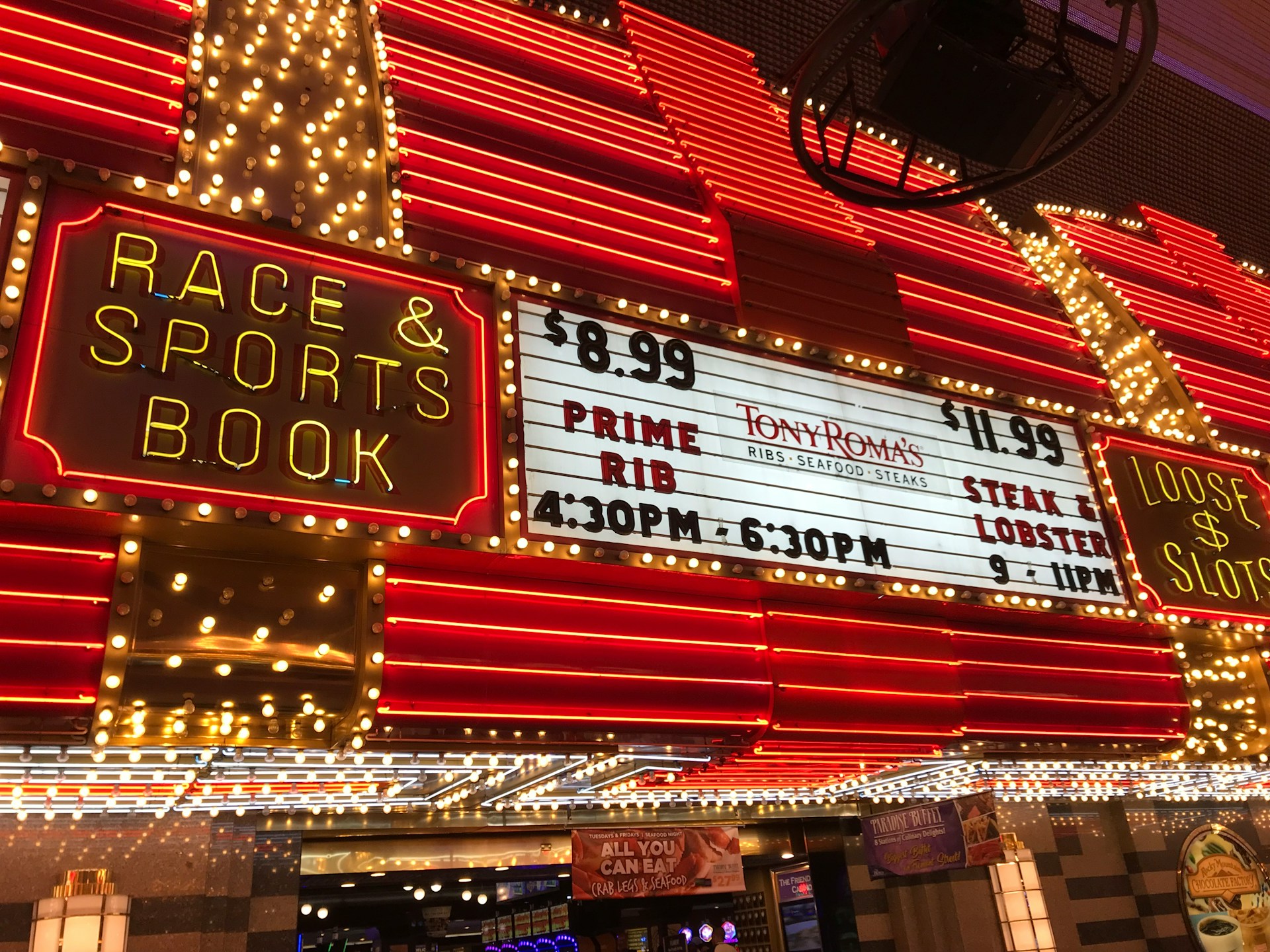
The legality of gambling in Nevada was a defining factor in solidifying the “Sin City” image. While other states grappled with strict blue laws and moralistic restrictions, Las Vegas proudly embraced its status as a place where adults could freely engage in activities often deemed morally questionable elsewhere. Beyond gambling, the city cultivated an atmosphere of permissiveness. Divorce laws were notoriously liberal, attracting those seeking quick separations. Entertainment often pushed boundaries, featuring scantily clad showgirls and risqué comedians.
This open embrace of activities considered “sinful” by wider society became Las Vegas’s core identity and its primary draw. People traveled from all corners of the globe, including Europe and Asia, seeking an experience unavailable in their hometowns. The combination of easy access to gambling, a thriving nightlife, and a general air of “anything goes” solidified its reputation. It became a destination for those looking to shed societal constraints, even if just for a weekend. The allure of this unique lifestyle offering was powerful, driving tourism and economic growth. This period also saw the development of comprehensive tourism strategies, focusing on attracting visitors through advertising the thrill of the gamble and the glamour of the shows.
The Modern Era: Beyond Sin to Spectacle
While the “Sin City” moniker originated from its historical embrace of gambling and other vices, modern Las Vegas has evolved significantly. It still offers adult entertainment, but it has broadened its appeal to become a world-class destination for a much wider range of activities, blending its sinful roots with sophisticated spectacle.
World-Class Entertainment and Culinary Delights
Today, Las Vegas is as renowned for its Cirque du Soleil extravaganzas, magic shows, and superstar musical residencies as it is for its blackjack tables. The city has invested heavily in establishing itself as a premier entertainment capital, offering diverse attractions for every taste. From family-friendly shows to cutting-edge performances, the options are endless. This commitment to entertainment goes beyond the traditional gambling hall.
Moreover, Las Vegas has transformed into a global culinary hotspot. Michelin-starred restaurants, celebrity chef establishments, and an incredible array of international cuisines now rival its famous buffets. Dining in Las Vegas is an experience in itself, attracting foodies from around the world. This diversification of offerings showcases a strategic move to attract a broader demographic, including those who may not be interested in gambling but are drawn to the luxury travel and unique experiences the city provides. The array of activities, from the High Roller Observation Wheel to exclusive nightclubs, ensures there’s always something to do.
Luxury Accommodations and Themed Resorts
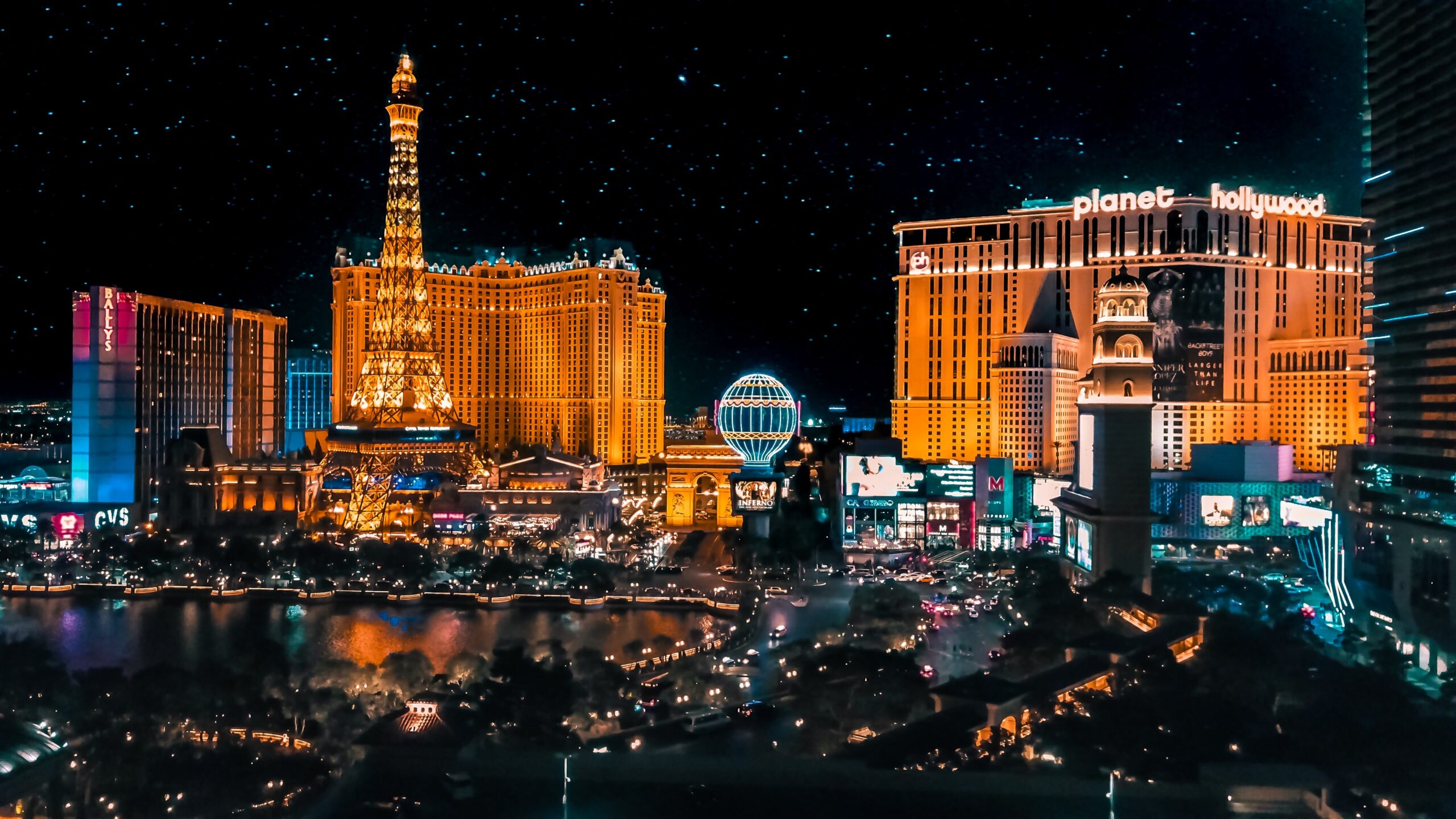
The hotels on the Las Vegas Strip are no longer just places to sleep; they are destinations in themselves. Iconic resorts like Caesars Palace, The Venetian Resort, Bellagio, MGM Grand, Wynn Las Vegas, and The Cosmopolitan of Las Vegas are architectural marvels, each with a distinct theme and a plethora of amenities. These accommodations boast lavish suites, multiple swimming pools, high-end shopping promenades, spas, and extensive convention facilities.
The focus on luxurious stays and immersive themed environments caters to a wide range of travelers, from those on a romantic getaway to business travelers attending conferences. The booking experience in Las Vegas has evolved to offer everything from budget-friendly rooms to ultra-luxury villas, reflecting the diverse lifestyle choices of its visitors. These resorts aren’t just buildings; they are landmarks, each contributing to the unique cityscape and offering distinct experiences, from the canals of Venice to the Roman grandeur of a palace. Reviews and comparison tools are crucial for visitors navigating the vast array of options.
A Global Tourist Destination with a Dark Edge
Despite its evolution, Las Vegas has never truly shed its “Sin City” identity. It continues to be a place where indulgence is celebrated, not condemned. The city’s 24/7 nature, its open container laws on the Fremont Street Experience, and the pervasive presence of casinos and adult entertainment options keep the “sinful” reputation alive. For many, this is precisely the appeal – the freedom to explore personal boundaries in a vibrant, judgment-free environment.
The tourism industry actively embraces this duality, marketing the city as a place where “what happens in Vegas, stays in Vegas.” This clever slogan encapsulates the essence of the city’s appeal: a temporary escape from reality, a place for uninhibited experiences. It’s a destination where budget travelers can find affordable thrills, and luxury travelers can indulge in unparalleled extravagance. The local culture, while commercialized, is built around this ethos of entertainment and escape, making it a unique stop on any global travel itinerary.
The Enduring Allure of “Sin City”
The nickname “Sin City” is more than just a historical relic; it’s a powerful branding tool that continues to define Las Vegas’s identity and appeal. It signifies a place where rules are relaxed, where adult desires are catered to, and where fantasy can become reality, even if just for a short while.
Balancing Vice and Family Fun
While its core identity is rooted in adult entertainment, modern Las Vegas has also made strides to become more inclusive, offering a surprising number of family-friendly attractions. Theme parks, aquariums, magic shows, and interactive experiences cater to younger visitors, demonstrating the city’s adaptability. However, these additions haven’t eclipsed the underlying “Sin City” vibe. Instead, they exist alongside it, creating a unique tension that further defines the city’s complex character. A family might spend the day at an attraction like the Shark Reef Aquarium at Mandalay Bay, while the adults might enjoy a world-class show and gambling at night. This balancing act is crucial to its success as a multi-faceted destination for all kinds of trips, from family vacations to business conventions.
The name “Sin City” is not just a label; it’s a promise – a promise of excitement, freedom, and the chance to step outside the ordinary. It speaks to a human desire for escape, for indulgence, and for experiences that push the boundaries of the everyday. From its early days as a desert outpost for illicit activities to its current status as a global entertainment powerhouse, Las Vegas has consistently delivered on that promise, cementing its place in popular culture as the ultimate playground for adults. Whether one seeks the thrill of the casino, the spectacle of a live show, the opulence of a five-star resort, or simply the freedom to let loose, Las Vegas lives up to its notorious reputation, inviting visitors to experience a slice of “sin” in the heart of the desert. Its history, its unique legal framework, and its relentless pursuit of spectacular entertainment ensure that the title “Sin City” will remain an indelible part of its allure for generations to come, a fascinating blend of historical intrigue and modern-day marvels for any travel guide.
LifeOutOfTheBox is a participant in the Amazon Services LLC Associates Program, an affiliate advertising program designed to provide a means for sites to earn advertising fees by advertising and linking to Amazon.com. Amazon, the Amazon logo, AmazonSupply, and the AmazonSupply logo are trademarks of Amazon.com, Inc. or its affiliates. As an Amazon Associate we earn affiliate commissions from qualifying purchases.