
Los Angeles, a sprawling metropolis often synonymous with sunshine, glamour, and endless possibilities, holds a special place in the hearts of travelers worldwide. From its iconic Hollywood sign to the pristine beaches of Santa Monica and Malibu, the city offers an unparalleled array of attractions and experiences. Yet, behind the glitz and the vibrant local culture, one question frequently arises for those planning a visit: “What is the temperature of Los Angeles?” The answer is more nuanced than a simple number, as Los Angeles’ climate is a fascinating tapestry woven from geographical influences, seasonal shifts, and microclimates that define distinct areas within Los Angeles County. Understanding this climatic diversity is key to truly enjoying your travel adventure, whether you’re seeking a relaxing beach resort getaway, an urban exploration, or a family trip to its famous theme parks. This comprehensive guide will delve into the typical temperatures of Los Angeles throughout the year, offering invaluable insights for optimizing your accommodation choices, activities planning, and overall lifestyle during your stay.
Understanding the Unique Climate of Los Angeles
At its core, Los Angeles boasts a Mediterranean climate, characterized by mild, wet winters and warm, dry summers. This desirable weather pattern is a primary draw for tourists and residents alike, promising abundant sunshine for the majority of the year. However, generalizing the temperature for the entire sprawling city would be an oversimplification. Los Angeles is vast, encompassing coastal areas, inland valleys, and mountainous regions, each with its own subtle, yet significant, climatic variations.
The proximity to the Pacific Ocean plays a pivotal role in regulating temperatures, especially along the coastlines of Santa Monica, Malibu, and Venice Beach. Here, ocean breezes provide a natural cooling effect, resulting in milder summers and less extreme temperature fluctuations compared to inland areas. As you move eastward, away from the immediate influence of the ocean into regions like the San Fernando Valley or parts of Downtown Los Angeles, temperatures tend to rise, particularly during the summer months. These inland areas can experience significantly hotter days, with temperatures often soaring into the 90s Fahrenheit (mid-30s Celsius) or even higher, while coastal communities enjoy pleasant highs in the 70s Fahrenheit (low 20s Celsius).
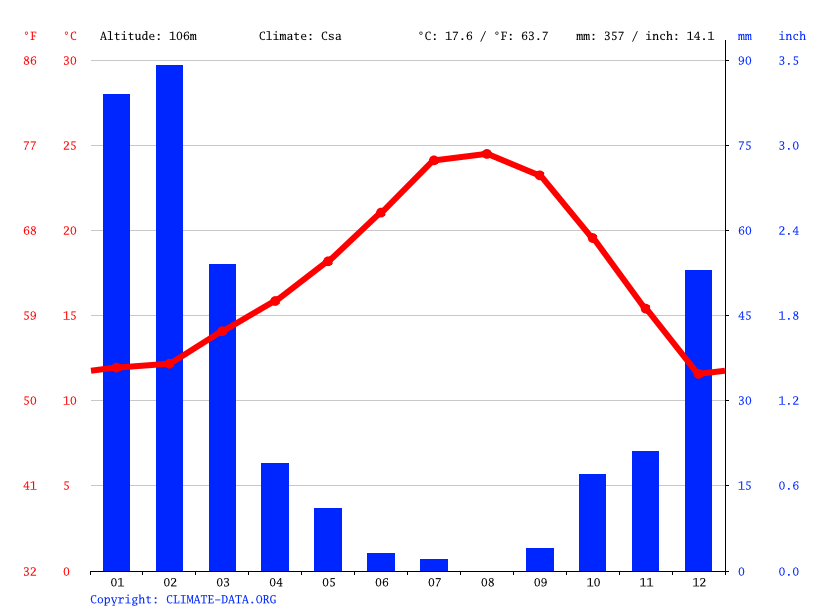
Another distinctive feature of Los Angeles’ climate is the phenomenon known as “June Gloom” or “May Gray.” During late spring and early summer, a marine layer often rolls in from the Pacific Ocean, blanketing coastal areas and extending inland with overcast skies and cooler temperatures, especially in the mornings. While this can sometimes be a slight disappointment for those expecting immediate sunshine, it typically burns off by midday, giving way to clear, sunny afternoons. It’s an essential aspect of Southern California weather that astute travelers factor into their plans. Understanding these regional differences is crucial, whether you’re booking a hotel in a bustling urban center, an apartment by the beach, or a luxurious villa in the Hollywood Hills.
Seasonal Temperature Breakdown: What to Expect in Los Angeles
To truly grasp the temperature of Los Angeles, it’s best to look at its distinct seasons. Each period offers unique advantages and considerations for travelers.
Summer: The Warmest Months (June to August)
Summers in Los Angeles are generally warm to hot and exceptionally dry, with virtually no rainfall. Average daytime temperatures range from the mid-70s F (24-26°C) along the coast to the low 90s F (32-35°C) or even higher inland. Nights remain comfortably warm, typically in the 60s F (15-20°C). This is peak tourist season, drawing crowds to beaches, theme parks like Disneyland Resort and Universal Studios Hollywood, and outdoor attractions.
For those planning summer travel, air conditioning is almost a necessity in most accommodation types, particularly in inland areas. Resorts and hotels with pools become highly desirable, offering a refreshing escape from the heat. Outdoor activities like hiking in Runyon Canyon Park or exploring the Getty Center’s gardens are best enjoyed in the mornings or late afternoons. Packing light clothing, swimwear, sunscreen, and a hat is essential. While the coastal areas provide some relief, temperatures can still be quite warm, making proximity to the ocean a luxury.
Fall: Pleasant and Popular (September to November)
Fall is arguably one of the most delightful times to visit Los Angeles. The oppressive summer heat gradually subsides, but the days remain warm and sunny, often experiencing a “second summer” effect in September and October. Average daytime temperatures typically range from the low 70s F (21-23°C) along the coast to the low 80s F (27-29°C) inland. Nights are pleasantly cool, generally in the 50s F (10-14°C). This season often sees the clearest skies and least fog, making it ideal for sightseeing at landmarks like the Griffith Observatory or strolling along the Hollywood Walk of Fame.
The mild temperatures are perfect for outdoor tourism and activities without the intense summer sun. Many travelers opt for fall visits to enjoy wine country excursions from Los Angeles or explore local culture through various festivals. Accommodation can still be in demand, especially in popular destinations, so booking in advance is advisable. Layering is key for packing, as mornings and evenings can be cool while afternoons are warm.
Winter: Mild and Occasionally Wet (December to February)
Los Angeles winters are famously mild, a stark contrast to much of North America. Average daytime temperatures hover in the mid-60s F (18-20°C), dropping to the high 40s F (8-10°C) at night. This is the rainy season, though rainfall is generally infrequent and usually occurs in short, moderate bursts rather than prolonged downpours. Even on rainy days, clear skies often return quickly. Snow is an extremely rare occurrence in the city proper, though the surrounding San Gabriel Mountains often receive a dusting, creating a picturesque backdrop.
Winter offers a different kind of travel experience. It’s an excellent time for budget travel as hotel rates can be lower, and crowds at attractions are thinner. Outdoor activities like exploring gardens, visiting museums, or taking scenic drives are very comfortable. While you won’t be swimming in the ocean, a walk along Venice Beach or Malibu on a sunny winter day is surprisingly pleasant. Pack layers, including a light jacket or sweater, and an umbrella just in case.
Spring: Ideal for Exploration (March to May)
Spring in Los Angeles is a beautiful transition period, offering some of the most pleasant weather of the year. Average daytime temperatures steadily rise from the high 60s F (19-21°C) in March to the low 70s F (22-24°C) by May, with nights ranging from the low to high 50s F (10-15°C). Rainfall becomes increasingly rare as the season progresses, and the landscape is often lush and green from winter rains, especially in the Santa Monica Mountains.
This season is perfect for virtually any type of tourism or activity. It’s an excellent time for hiking, exploring urban parks, visiting gardens, and enjoying outdoor dining. The “May Gray” and “June Gloom” phenomena can begin towards the end of spring, so a light jacket for mornings is a good idea, particularly near the coast. Spring break travelers and those looking for a comfortable climate without the summer crowds will find this period ideal. It’s also a popular time for family trips before the peak season rush.

Planning Your Los Angeles Trip by Temperature
Understanding the nuances of Los Angeles’ temperature profile allows for strategic planning, enhancing every aspect of your travel.
Accommodation Considerations
Your choice of accommodation can be heavily influenced by the expected temperatures. During summer, prioritize hotels, resorts, or apartments with robust air conditioning, especially if you’re staying inland in areas like Downtown Los Angeles or the San Fernando Valley. Hotels with swimming pools are a major amenity during warmer months, providing a refreshing escape. Coastal properties in Santa Monica or Malibu might offer cooler temperatures, sometimes even negating the need for constant AC, thanks to ocean breezes.
For budget travel in the cooler months, you might find better deals on suites or apartments that offer more space without the premium of peak-season rates. If considering a long-term stay, exploring different neighborhoods to find your ideal climate comfort zone is a wise strategy. During winter, while most places have heating, it’s rarely used to full capacity due to the mild conditions, ensuring comfortable indoor experiences.

Activities and Attractions
The temperature directly impacts which activities are most enjoyable.
- Summer: Focus on beach activities, theme parks (with plenty of water rides and shaded areas), indoor museums like the Getty Center, and evening events. Consider a day trip to Catalina Island for ocean breezes.
- Fall & Spring: These seasons are perfect for outdoor exploration. Hiking in the Santa Monica Mountains or Griffith Park, walking along the Hollywood Walk of Fame, exploring Beverly Hills, and visiting the Griffith Observatory are all highly recommended. Open-air markets and outdoor dining become particularly enjoyable.
- Winter: Ideal for cultural tourism with visits to museums, galleries, and live performances. The cooler, clearer days are excellent for photography at landmarks. Whale watching tours are also popular in winter.
When planning your itinerary, consider the time of day. Even in summer, mornings can be cooler and less crowded for popular outdoor attractions before the heat peaks. Similarly, sunsets from the Griffith Observatory offer spectacular views and cooler evening air.
Lifestyle and Experiences
The “temperature” of Los Angeles also extends to its lifestyle and how different travel styles are accommodated.
- Luxury Travel: Luxury travelers might seek out resorts with expansive pool areas for summer or private villas with heated pools for cooler months. Fine dining with ocean views or rooftop bars offering city vistas are year-round delights, though the comfortable temperatures of spring and fall make outdoor seating particularly appealing.
- Budget Travel: For those on a budget travel plan, traveling during the winter months can lead to significant savings on accommodation and flights, allowing them to stretch their funds further while still enjoying pleasant weather. Public transport is a viable option for getting around, especially with the mild temperatures.
- Family Trips: Families with young children often prefer the spring or fall when temperatures are comfortable for theme park visits and beach activities without extreme heat or cold. Many hotels offer family-friendly amenities like pools, which are perfect for cooling off after a day of exploration.
- Business Stays: For business stays in Los Angeles, the consistent mildness of the climate, particularly outside of peak summer, ensures comfortable commutes and pleasant evenings for networking or exploring the local culture. Many hotels in Downtown Los Angeles cater to business travelers with excellent facilities regardless of the season.
In conclusion, the temperature of Los Angeles is a dynamic and generally favorable element that contributes immensely to its appeal as a world-class travel destination. While generalizations point to a sunny, mild climate, smart travelers delve deeper, recognizing the microclimates and seasonal shifts that define this vibrant city. By understanding these temperature patterns, you can optimize your accommodation choices, plan perfect activities, and ultimately craft a Los Angeles experience that is tailored to your comfort and preferences, ensuring memories as warm and bright as a California sunset.
LifeOutOfTheBox is a participant in the Amazon Services LLC Associates Program, an affiliate advertising program designed to provide a means for sites to earn advertising fees by advertising and linking to Amazon.com. Amazon, the Amazon logo, AmazonSupply, and the AmazonSupply logo are trademarks of Amazon.com, Inc. or its affiliates. As an Amazon Associate we earn affiliate commissions from qualifying purchases.