
The quest to correctly spell “Louisiana” might seem trivial, but for anyone planning to immerse themselves in the rich tapestry of this unique American state, it’s a crucial first step. More than just a collection of letters, the name itself holds centuries of history, culture, and influence that define its very essence. From the vibrant streets of New Orleans to the serene bayous, understanding Louisiana begins with mastering its identity, starting with its distinctive spelling. This isn’t merely about grammatical correctness; it’s about respect for a destination that offers an unparalleled travel experience, a fascinating history, and a lifestyle unlike anywhere else in the United States.
Beyond the Spelling: Unlocking Louisiana’s Charms
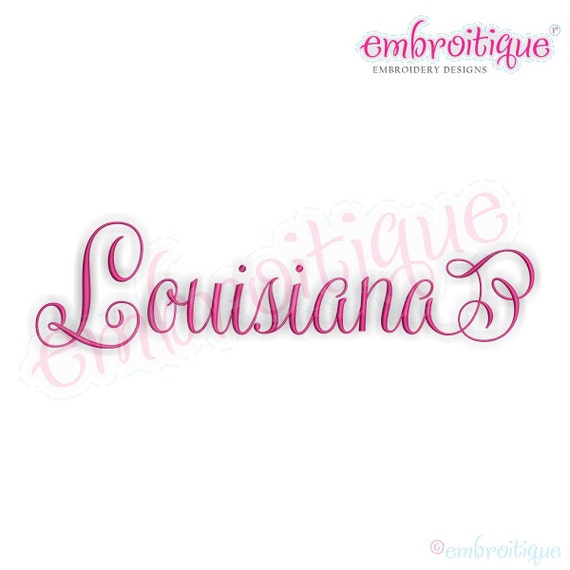
The correct spelling of “Louisiana” is L-O-U-I-S-I-A-N-A. While it might look daunting with its sequence of vowels and unusual “siana” ending, breaking it down into phonetic chunks can help. Think “Lou-ee-zee-AN-uh.” The challenge often stems from its French origins, a legacy that permeates every aspect of the state, from its legal system to its cuisine, music, and architecture.
This unique etymology is precisely what makes Louisiana such an extraordinary place to explore. Its name honors King Louis XIV of France, bestowed upon the vast territory by René-Robert Cavelier, Sieur de La Salle, in 1682. This historical root immediately signals that a visit here is more than just a trip; it’s a journey into a living historical narrative. The French connection isn’t just a footnote; it’s the foundation of the state’s vibrant Creole and Cajun cultures, which are themselves major drawcards for tourists worldwide.
Mastering the spelling is, therefore, a gateway to genuinely appreciating what you’re encountering. When you book a hotel in the French Quarter or search for guides to the Atchafalaya Basin, correctly typing the state’s name ensures you access the most accurate and relevant information, preventing frustrating misspellings that could lead you astray. For travel enthusiasts and culture seekers, precision in language reflects a deeper engagement with the destination itself.

The French Connection: A Lingering Legacy
The lingering influence of France on Louisiana is undeniable, giving the state its distinctive European flair within the American South. This is most evident in the architectural marvels of the French Quarter in New Orleans, where wrought-iron balconies, historic courtyards, and cobblestone streets transport visitors to another era. Beyond architecture, the legal system of Louisiana is based on Napoleonic Code, a direct inheritance from its French colonial past, setting it apart from other states that follow English common law.
This heritage also profoundly shaped the state’s diverse culinary landscape. French techniques fused with African, Spanish, and Native American influences to create the iconic Creole and Cajun cuisines. Dishes like rich gumbo, spicy jambalaya, and sweet beignets are testament to this fusion, drawing food lovers from across the globe. When planning a culinary tour, knowing how to spell “Louisiana” helps you navigate online guides and menus, ensuring you don’t miss out on authentic experiences.
Creole and Cajun Influences: Two Sides of a Coin
The unique cultures of Creole and Cajun are often conflated, but they represent distinct, albeit intertwined, facets of Louisiana’s identity. Creole culture, primarily centered around New Orleans and its surrounding parishes, emerged from the city’s melting pot of French, Spanish, African, and other European and Caribbean influences. It speaks to an urban sophistication, often associated with grand plantation homes, jazz music, and elegant cuisine.
In contrast, Cajun culture developed from the forced migration of Acadians (French-speaking settlers from what is now Nova Scotia, Canada) to the bayous and prairies of southwestern Louisiana. This rural culture is characterized by its distinct dialect, a vibrant folk music tradition known as Zydeco and Cajun music, and a hearty, rustic cuisine. Exploring destinations like Lafayette and the Cajun Bayou Country reveals this rich heritage. For those interested in local culture and experiences, differentiating these terms, and by extension, spelling the state name correctly, is vital for accurate travel planning and understanding.
A Journey Through Louisiana’s Unique Heritage
Louisiana’s appeal as a travel destination extends far beyond its spellbinding name. It’s a land of diverse landscapes, from the bustling urban centers to the serene swamps, each offering distinct experiences. When you correctly spell “Louisiana,” you’re not just forming a word; you’re unlocking a portal to an incredible array of landmarks, historical sites, and natural wonders.
New Orleans: The Crown Jewel
No discussion of Louisiana is complete without New Orleans, a city that pulses with an energy all its own. Often called the “Big Easy,” it’s a global hotspot for tourism, famous for its round-the-clock nightlife, vibrant live-music scene, and spicy, singular cuisine reflecting its Creole heritage. The French Quarter, with its iconic Bourbon Street, Jackson Square, and the majestic St. Louis Cathedral, is a UNESCO World Heritage Site and a must-visit for any traveler.
Beyond the revelry, New Orleans offers a wealth of cultural and historical landmarks. The National WWII Museum provides a sobering and comprehensive look at World War II, while the historic Garden District showcases stunning antebellum mansions. For music lovers, venues like Preservation Hall keep traditional New Orleans jazz alive. When you’re researching hotels like The Roosevelt New Orleans, Hotel Monteleone, or the Windsor Court Hotel, correctly spelling “Louisiana” ensures your search yields results within this captivating destination.
Baton Rouge and Plantation Country: Echoes of the Past
Moving west from New Orleans, the state capital, Baton Rouge, offers a different perspective on Louisiana’s rich history. Home to the impressive Louisiana State Capitol, the tallest capitol building in the United States, and the campus of Louisiana State University (LSU), Baton Rouge serves as a hub for political and educational pursuits. The nearby LSU Rural Life Museum offers insights into 19th-century Louisiana life.
Surrounding Baton Rouge is Plantation Country, an area steeped in antebellum history. Majestic historic homes like Oak Alley Plantation, Laura Plantation, and Houmas House Plantation and Gardens offer poignant glimpses into a complex past, inviting visitors to reflect on the stories of both the wealthy landowners and the enslaved people who built these grand estates. These landmarks are crucial for understanding the social and economic foundations of old Louisiana, making proper spelling essential when booking tours or accommodations nearby.
The North and West: Beyond the Bayou
While the southern part of Louisiana often garners the most attention, the northern and western regions offer distinct attractions and a different cultural flavor, often leaning more towards the traditional American South rather than the French-influenced Creole or Cajun identities. Shreveport, in the northwest, is a vibrant city known for its casinos and entertainment, nestled along the Red River. Nearby, Caddo Lake, with its iconic cypress trees draped in Spanish moss, provides a breathtaking natural escape perfect for fishing and kayaking.
Further east, Monroe and West Monroe offer family-friendly attractions and a gateway to exploring the scenic Ouachita River region. In central Louisiana, Alexandria serves as a cultural hub with its museums and arts scene. For history buffs, the Poverty Point World Heritage Site near Epps reveals massive earthworks built by ancient Native Americans thousands of years ago, offering a glimpse into a civilization predating European arrival. When navigating these lesser-known, but equally fascinating, parts of the state, correctly spelling “Louisiana” is paramount for accurate research and travel planning.
Louisiana for Travelers: Planning Your Adventure
For those planning a trip, Louisiana presents a dizzying array of choices, from luxury travel to budget-friendly adventures, family trips, and business stays. Knowing the correct spelling is the first step in unlocking these possibilities.
Choosing Your Accommodation: From Resorts to Historic Stays
Louisiana offers a vast spectrum of accommodation options to suit every taste and budget. In New Orleans, you can find opulent resorts like the Four Seasons Hotel New Orleans or the historic charm of boutique hotels in the French Quarter, such as Hotel Provincial or The Eliza Jane. For those seeking an immersive experience, many historic plantation homes also offer bed and breakfast accommodations, providing a unique overnight stay that transports guests back in time.
Beyond the major cities, options range from cozy B&Bs in charming towns like Natchitoches to modern suites and chain hotels in commercial centers like Lake Charles or Bossier City. Booking sites and travel guides rely on accurate names and spellings to provide you with the best options for your stay. Whether you’re comparing amenities, reading reviews, or searching for long-term stay apartments, precision in spelling “Louisiana” is essential for a smooth planning process.
Culinary Delights: A Feast for the Senses
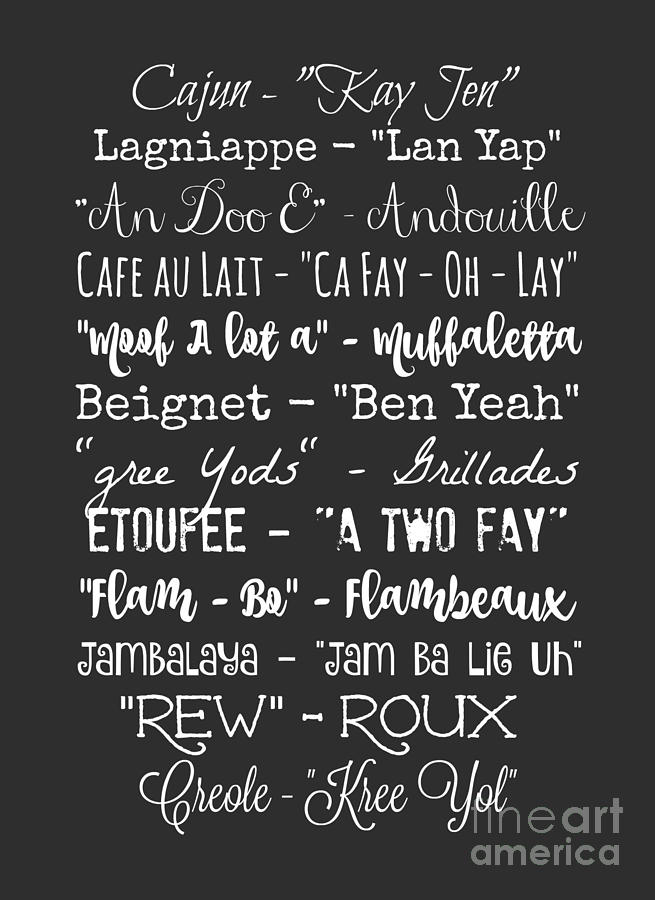
Louisiana’s culinary scene is a world-renowned attraction in itself. From the sophisticated Creole dishes of New Orleans to the rustic Cajun fare of Acadiana, every meal is an adventure. Must-try foods include oysters on the half-shell, flavorful po’boys, rich étouffée, and of course, plenty of seafood fresh from the Gulf of Mexico. Don’t forget to visit Avery Island, home to the famous Tabasco Factory, for a spicy tour.
For food tourists, researching restaurants and local eateries is a major part of the travel experience. A misspell of “Louisiana” could lead you to generic restaurants or even places in other states. Accurate spelling ensures you find authentic local spots and culinary tours, allowing you to fully savor the unique flavors that define this extraordinary state.
Festivals and Events: Celebrating Life the Louisiana Way
Louisiana is famous for its vibrant festivals and events that celebrate everything from music and food to history and culture. The most iconic is, of course, Mardi Gras, a spectacular, weeks-long celebration that culminates on Fat Tuesday with parades, balls, and boundless revelry, primarily in New Orleans, but celebrated statewide. Beyond Mardi Gras, the New Orleans Jazz & Heritage Festival, known as Jazz Fest, attracts music legends and fans from around the globe. Other notable events include the Essence Festival, the French Quarter Festival, and countless Cajun and Zydeco music festivals throughout Acadiana.
Planning a trip around these events requires careful timing and accurate information. When searching for dates, tickets, and accommodation during these peak seasons, correctly spelling “Louisiana” ensures you’re accessing the right event schedules and booking resources. It’s the difference between experiencing the full vibrant culture of the state and missing out on its most celebrated moments.
In conclusion, while “How To Spell Louisiana?” might seem like a simple query, its answer unlocks a world of travel, tourism, and lifestyle experiences. The name itself is a testament to its profound history and cultural diversity, inviting travelers to delve deeper into its unique charm. Mastering its spelling is not just an academic exercise; it’s a practical step towards planning an unforgettable journey to a state that promises to captivate your senses and leave you with memories as rich and flavorful as its celebrated cuisine.
LifeOutOfTheBox is a participant in the Amazon Services LLC Associates Program, an affiliate advertising program designed to provide a means for sites to earn advertising fees by advertising and linking to Amazon.com. Amazon, the Amazon logo, AmazonSupply, and the AmazonSupply logo are trademarks of Amazon.com, Inc. or its affiliates. As an Amazon Associate we earn affiliate commissions from qualifying purchases.