
Louisiana stands as a true anomaly within the United States, a vibrant testament to a unique blend of cultures, histories, and even administrative structures. While every other state divides its territory into counties, Louisiana proudly maintains its system of parishes. For travelers planning a visit, understanding what a parish is, how it functions, and its role in shaping the state’s distinctive identity is crucial for a truly immersive experience. It’s more than just a name; it’s a portal into the very soul of a state steeped in French and Spanish heritage, a place where history isn’t just taught but lived within the boundaries of each individual parish.
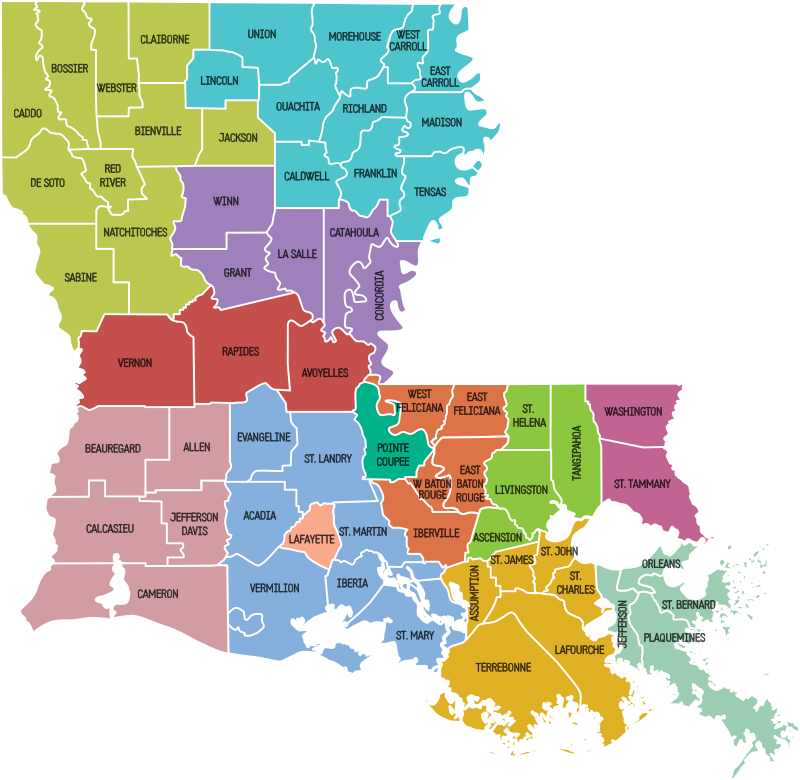
The concept of a parish in Louisiana is deeply intertwined with its colonial past. When Louisiana was first settled as a French Colony and later a Spanish Colony, the dominant social and administrative units were ecclesiastical districts centered around Catholic churches, known as parishes. Unlike the English-based county system that spread across much of the United States with Protestant settlers, Louisiana’s structure evolved from this Catholic tradition. When the United States acquired the Louisiana Purchase in 1803, and Louisiana achieved statehood in 1812, these existing ecclesiastical divisions were retained and formally adopted as the civil administrative units. This historical continuity provides a fascinating layer to understanding the state’s enduring cultural uniqueness, impacting everything from local governance to the names of towns and geographical regions that visitors encounter. It’s a subtle yet profound distinction that sets Louisiana apart, creating an environment rich in local flavor and historical depth that appeals to those seeking more than just a typical American vacation.
A Unique Administrative and Historical Identity
The administrative structure of Louisiana is a direct reflection of its convoluted and captivating past. To fully appreciate the state, especially for those interested in local culture, history, and how these influence modern travel and tourism, one must delve into the origins of its parish system. It’s not merely a semantic difference; it represents a foundational divergence from the governance models found elsewhere in the United States.
From Colonies to Parishes: Louisiana’s Distinctive Past
The journey from a French Colony to an American state left an indelible mark on Louisiana, particularly in its administrative divisions. When Jean-Baptiste Le Moyne de Bienville founded New Orleans in 1718, the colony was organized into nine administrative districts or “parishes,” which were ecclesiastical divisions of the Roman Catholic Church. These early parishes served as both religious and civil centers, playing a crucial role in the daily lives of colonists. Following the Seven Years’ War and the Treaty of Paris (1763), Louisiana was ceded to Spain, but the parish system, albeit with some modifications, largely remained. Spanish influence brought a new layer of legal traditions, particularly the civil law system based on Roman and Napoleonic codes, which still coexists with common law in Louisiana today.
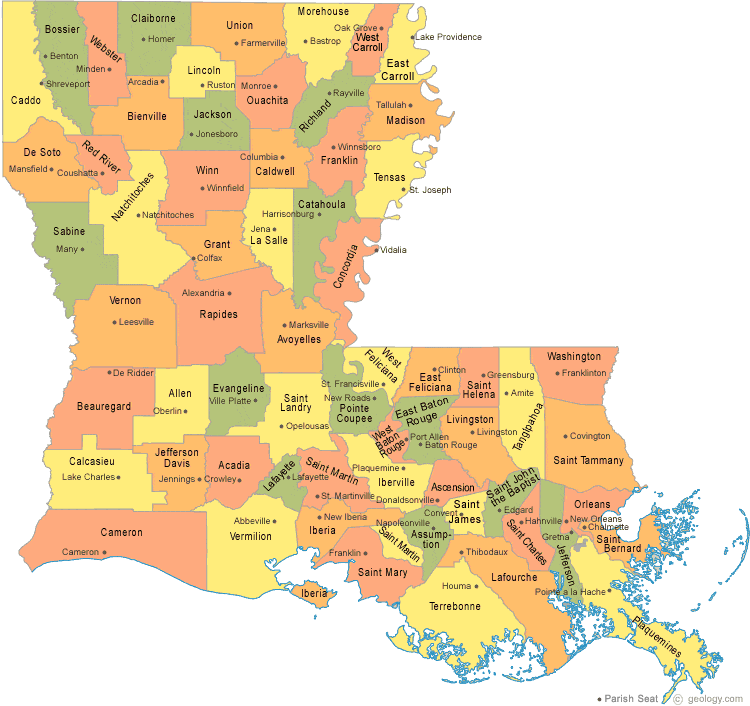
When the United States acquired the territory and Louisiana became a state, the framers of its constitution opted to retain the existing parish divisions, formalizing them as the official civil administrative units. This decision was a pragmatic one, respecting the established order and the unique cultural identity of the region, which was distinct from the Anglo-American traditions prevailing in other parts of the young nation. Today, there are 64 parishes in Louisiana, each with its own character, history, and attractions, making them fascinating destinations for travelers. This rich history means that exploring Louisiana by parish often means stepping into different eras and cultural landscapes, from the French-Creole heartland to the more Anglo-Protestant North Louisiana and the Spanish-influenced Isleño communities.
Understanding the Parish System: More Than Just a Name
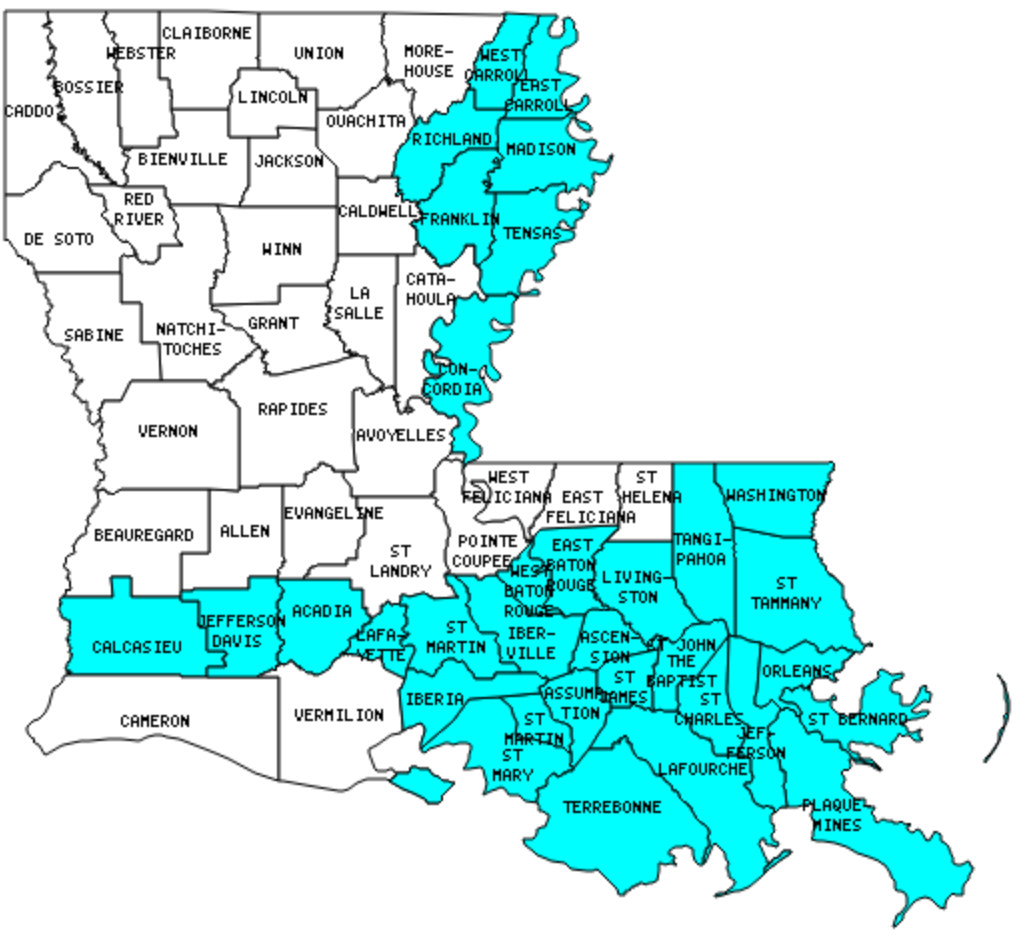
While other states have counties, Louisiana’s parishes fulfill the same governmental role: they are the primary units of local administration. Each parish has its own government, typically run by a parish president or a parish council (often called a Police Jury), which manages public services such as law enforcement (through a sheriff), public works, schools, and local courts. For tourists, understanding this structure helps in navigating the state, as many attractions, services, and local regulations are managed at the parish level. For instance, when planning a trip to the state’s vibrant capital, Baton Rouge, you’re visiting East Baton Rouge Parish. Similarly, the iconic New Orleans is coterminous with Orleans Parish, meaning the city and parish share the same boundaries and government.
This unique administrative framework also influences the cultural tapestry of the state, often defining distinct regional identities. Acadiana, for example, is a cultural region in southern Louisiana that encompasses several parishes, including Lafayette Parish, St. Landry Parish, and Vermilion Parish, where Cajun Culture and the French language remain strong. These parishes share common historical roots, having been settled by Acadian exiles from Canada in the 18th century, leading to a distinct way of life, cuisine, and musical tradition. Conversely, the more urbanized parishes like Jefferson Parish (bordering Orleans Parish) offer different amenities and attractions, often catering to a more metropolitan lifestyle. When considering accommodation, travel, or specific tourism experiences, knowing which parish you are in can provide immediate context for the local vibe, available services, and the kind of cultural immersion you can expect. This administrative difference is, in essence, a key to unlocking the diverse local cultures and rich histories that make Louisiana such an extraordinary travel destination.
Parishes as Gateways to Louisiana’s Rich Culture and Travel Experiences
Beyond their administrative function, Louisiana’s parishes serve as fundamental geographical and cultural markers, each offering a distinct flavor of the state’s vibrant character. For the discerning traveler, understanding these distinctions is key to unlocking an authentic Louisiana experience, whether seeking historical landmarks, culinary delights, or natural wonders.
Iconic Parishes and Their Must-Visit Destinations
Each of Louisiana’s 64 parishes holds its own unique appeal, but a few stand out as essential stops for any comprehensive travel itinerary.
- Orleans Parish: Home to the iconic city of New Orleans, this parish is the undisputed cultural capital. Visitors flock to the historic French Quarter with its wrought-iron balconies, bustling Bourbon Street, and spiritual landmarks like St. Louis Cathedral overlooking Jackson Square. Beyond the party scene, the Garden District offers stunning antebellum architecture, while the National WWII Museum and the Audubon Zoo provide educational and family-friendly experiences. Hotels range from luxury resorts like the Ritz-Carlton New Orleans and The Roosevelt New Orleans, A Fairmont Hotel to charming boutique accommodation in historic buildings, ideal for experiencing the local lifestyle.
- East Baton Rouge Parish: As the state capital, Baton Rouge offers a different blend of history and modernity. The impressive Old State Capitol building, the USS KIDD Veterans Museum, and the Louisiana State University campus are major landmarks. This parish serves as a gateway to the famous Plantation Alley, with historic estates like Houmas House Plantation and Gardens and Oak Alley Plantation just a short drive away, often offering unique accommodation options or day trips.
- Lafayette Parish: The heart of Acadiana and Cajun Country, Lafayette is where visitors can truly immerse themselves in Cajun Culture. The Vermilionville Living History Museum and Folklife Park provides an authentic glimpse into 18th-century Cajun and Creole life. Regular Zydeco and Cajun music events, along with world-renowned cuisine, make this an essential stop for tourism focused on food and music.
- St. Mary Parish / Iberia Parish: These parishes offer access to the mysterious beauty of the Atchafalaya Basin, the largest river swamp in the United States. Swamp tours are a major attraction, providing opportunities for wildlife viewing. Avery Island, home to the Tabasco Factory and its lush Jungle Gardens, is a unique landmark in Iberia Parish.
- Natchitoches Parish: Home to Natchitoches, the oldest permanent settlement in the Louisiana Purchase territory. Its historic district, famous for its annual Christmas Festival of Lights, is a designated National Historic Landmark. The city offers charming bed and breakfasts and a serene atmosphere, perfect for a relaxed lifestyle trip.
Cultural Tapestry: Food, Music, and Festivals Across Parishes
The parish system naturally fosters distinct regional cultures within Louisiana, creating a mosaic of experiences for travelers. Food is paramount. In Orleans Parish and Jefferson Parish, visitors savor Creole dishes like Gumbo, Jambalaya, and iconic Beignets at places like Café Du Monde. Moving west into the parishes of Acadiana, the flavors shift to spicy Cajun cuisine, featuring dishes like etouffée, boudin, and cracklins. Each parish offers its own interpretation of these classic dishes, showcasing local ingredients and family recipes.
Music is the heartbeat of Louisiana, and parishes are its stages. New Orleans (Orleans Parish) is the birthplace of Jazz, with live music pouring from every venue, from legendary Preservation Hall to vibrant clubs along Frenchmen Street. The city also hosts world-famous events like Jazz Fest. In Lafayette Parish and surrounding Cajun Country parishes, the infectious rhythms of Zydeco and Cajun dance halls (fais do-dos) dominate the scene. Even in North Louisiana parishes like Ouachita Parish (home to Monroe) and Caddo Parish (where Shreveport is located), a strong tradition of Blues and Gospel music thrives.
Festivals are integral to the Louisiana lifestyle, and they are often parish-specific, reflecting local agricultural bounty or historical events. The grandest, of course, is Mardi Gras, celebrated most famously in Orleans Parish but with unique, often family-friendly traditions in many other parishes like St. Tammany Parish (on the Northshore) and even rural Cajun country. Throughout the year, parishes host myriad festivals: the International Rice Festival in Acadia Parish, the Louisiana Strawberry Festival in Tangipahoa Parish, and seafood festivals across coastal parishes like Terrebonne Parish and Lafourche Parish. These local celebrations offer unparalleled opportunities for tourism, allowing visitors to truly engage with the community and its distinct traditions, making each parish a microcosm of Louisiana’s extraordinary cultural depth.
Navigating Your Louisiana Adventure: Accommodation, Attractions, and Lifestyle
Planning a trip to Louisiana means embracing its distinct parish system as a guide to travel, accommodation, and immersive experiences. Each parish offers a unique set of attractions and a particular local flavor, making a well-researched itinerary essential for maximizing your enjoyment, whether you’re seeking luxury travel, budget travel, family trips, or business stays.
Where to Stay: Hotels, Resorts, and Unique Parish Accommodations
Louisiana’s diverse parishes offer a wide array of accommodation options to suit every traveler’s preference and budget. In major cities like New Orleans (Orleans Parish) and Baton Rouge (East Baton Rouge Parish), you’ll find a full spectrum of hotels, from high-end resorts and boutique luxury options like the Hotel Monteleone or the Windsor Court Hotel in New Orleans to well-known chain hotels providing comfortable and reliable stays. For a more authentic experience in New Orleans, consider staying in a historic guesthouse in the French Quarter or a charming bed and breakfast in the Garden District.
Outside the metropolitan hubs, the choices become even more unique. In Cajun Country parishes such as Lafayette Parish or St. Martin Parish, you might find quaint local hotels, cozy bed and breakfasts, or even rental villas and apartments offering a taste of rural Louisiana life. Some historic plantations in parishes along the Mississippi River (St. James Parish, Ascension Parish) offer overnight stays, allowing guests to immerse themselves in antebellum elegance, such as those near Donaldsonville. For those seeking an adventurous lifestyle or unique experiences, consider a cabin rental on a bayou or even a houseboat stay in coastal parishes like Terrebonne Parish for direct access to swamp tours and fishing. Always check booking platforms and reviews to compare options, especially when looking for specific amenities or a particular atmosphere.
Beyond the City Limits: Exploring Natural Landmarks and Outdoor Activities
While Louisiana’s cities are brimming with cultural attractions, the parishes extending beyond urban centers reveal the state’s raw, untamed natural beauty. The most iconic natural landmarks are the bayous and swamps, particularly in southern parishes. A swamp tour or airboat ride in the Atchafalaya Basin (spanning parishes like St. Martin, Iberia, and Assumption Parish) is an unforgettable experience, offering glimpses of alligators, migratory birds, and cypress trees draped in Spanish moss. Jean Lafitte National Historical Park and Preserve offers free ranger-guided swamp tours and nature trails in parishes near New Orleans, such as Jefferson Parish.
Coastal parishes like Cameron Parish and Vermilion Parish are part of the Creole Nature Trail All-American Road, a scenic byway offering exceptional birdwatching, crabbing, and beach access. Many state parks, like Fontainebleau State Park in St. Tammany Parish and Sam Houston Jones State Park near Lake Charles (Calcasieu Parish), provide opportunities for hiking, kayaking, and camping, catering to an active lifestyle. For history buffs, a visit to Poverty Point World Heritage Site in West Carroll Parish offers a glimpse into an ancient civilization, while the rolling hills of North Louisiana parishes like Bienville Parish and Lincoln Parish provide a contrast to the flat delta landscapes, with pine forests and lakes perfect for fishing and outdoor recreation.
Planning Your Parish-Hopping Itinerary: Tips for Travelers
When crafting your Louisiana travel itinerary, thinking in terms of parishes can be incredibly beneficial. Each parish offers a unique micro-destination. For a first-time visitor, a good starting point might be a loop that includes Orleans Parish for its iconic culture, East Baton Rouge Parish for state history and plantation tours, and Lafayette Parish for a deep dive into Cajun Culture and cuisine. Consider specific interests: if you’re a nature enthusiast, focus on parishes bordering the Atchafalaya Basin or coastal wetlands. History buffs might prioritize plantations and historic towns like Natchitoches (Natchitoches Parish).
Tips for navigating:
- Rent a car: While major cities have public transport, exploring the diversity of parishes often requires personal transportation.
- Embrace the pace: Louisiana lifestyle is often relaxed; allow ample time to savor local experiences.
- Consult local guides: Parish tourism boards offer invaluable guides and tips for local attractions and events.
- Seasonal considerations: Festivals and outdoor activities vary by season. Mardi Gras and Jazz Fest in New Orleans draw huge crowds, while swamp tours are pleasant year-round but may vary in wildlife visibility.
- Food is culture: Don’t just eat; learn about the origins of Gumbo, Jambalaya, and Po’boys, and seek out local eateries for authentic flavors.
By viewing Louisiana through the lens of its parishes, travelers can move beyond superficial tourism and engage with the layered histories, diverse cultures, and stunning natural beauty that define this extraordinary state. Each parish promises a unique chapter in your Louisiana adventure, ensuring a trip filled with unforgettable experiences and discoveries.
LifeOutOfTheBox is a participant in the Amazon Services LLC Associates Program, an affiliate advertising program designed to provide a means for sites to earn advertising fees by advertising and linking to Amazon.com. Amazon, the Amazon logo, AmazonSupply, and the AmazonSupply logo are trademarks of Amazon.com, Inc. or its affiliates. As an Amazon Associate we earn affiliate commissions from qualifying purchases.