
In the vibrant, sun-drenched metropolis of Miami, the question “What time is it?” extends far beyond a simple check of the clock. For travelers, this inquiry unlocks a comprehensive understanding of how to maximize their visit, from navigating time zones to optimizing daily itineraries. Miami, a city that pulses with a unique rhythm, demands an awareness of time—not just the hour of the day, but its implications for culture, activities, and the overall travel experience. Whether you’re planning an epic South Beach sunrise, a culinary tour of Little Havana, or a late-night dance in Wynwood, understanding Miami’s temporal landscape is key to an unforgettable journey.
This article delves into the nuances of time in Miami, exploring its official time zone, the impact of time differences on international and domestic travel, and how the city’s schedule shapes its renowned lifestyle. From practical advice on beating jet lag to insider tips on the best times to experience Miami’s diverse attractions, we’ll guide you through making every moment count in this captivating Florida destination.
Understanding Miami’s Time Zone: EST and EDT
At its core, answering “What time is it in Miami?” requires knowing its official position on the global clock. Miami operates under the Eastern Time Zone, which means it observes both Eastern Standard Time (EST) and Eastern Daylight Time (EDT) throughout the year.
Eastern Standard Time (EST)
During the colder months, roughly from early November to mid-March, Miami adheres to Eastern Standard Time (EST). This time zone is five hours behind Coordinated Universal Time (UTC-5). For travelers arriving from locations further west, this means adjusting clocks forward, while those from European or African regions will typically set their clocks back by several hours. For instance, if it’s 3:00 PM EST in Miami, it would be 12:00 PM PST (Pacific Standard Time) in Los Angeles and 8:00 PM GMT/UTC in London. This differential is crucial for planning arrival times, scheduling business calls, or simply informing loved ones of your whereabouts without confusion.
Eastern Daylight Time (EDT) and Daylight Saving
Like much of the United States, Miami observes Daylight Saving Time, typically beginning on the second Sunday in March and ending on the first Sunday in November. During this period, the city switches to Eastern Daylight Time (EDT), which is UTC-4. This effectively means clocks are moved forward by one hour. The primary benefit of Daylight Saving Time is extending daylight into the evening hours, allowing for more outdoor activities and a seemingly longer day, particularly appealing to tourists. For visitors, it means that during the peak travel seasons of spring, summer, and fall, Miami offers even more hours of sunshine for beach relaxation, exploring the Art Deco Historic District, or enjoying open-air dining along Ocean Drive. Being aware of the exact date when the time changes is vital, especially if your travel dates straddle these transitions, to avoid missing flights or appointments.
Navigating Time Zones as a Traveler
The glamour of Miami often comes after a journey, and that journey frequently involves crossing multiple time zones. Understanding and preparing for these shifts is paramount to a smooth and enjoyable trip, directly impacting everything from your energy levels to your accommodation check-in times.
Beating Jet Lag: Tips for a Seamless Transition
Jet lag can significantly dampen the initial days of any trip, particularly for those traveling across several time zones. Fortunately, there are proactive steps travelers can take to mitigate its effects and quickly align with Miami’s rhythm.
- Adjust Before You Go: A few days before your departure, try to gradually shift your sleep schedule closer to Miami’s time. If you’re coming from the west, go to bed earlier; from the east, try to stay up a bit later.
- Stay Hydrated: Dehydration can exacerbate jet lag symptoms. Drink plenty of water before, during, and after your flight, and limit alcohol and caffeine intake.
- Embrace the Daylight: Upon arrival at Miami International Airport, try to expose yourself to natural light as much as possible. A stroll on South Beach or along the Biscayne Bay waterfront can help reset your body clock.
- Prioritize Sleep: While exciting to explore, avoid the temptation to push through exhaustion on your first day. Take a short nap if needed, but aim for a full night’s sleep at your hotel, whether it’s the luxurious Faena Hotel Miami Beach or a cozy Airbnb apartment in Coconut Grove.
- Gentle Activity: Light exercise, like a swim in your resort’s pool or a walk through a local park, can aid in quicker adaptation to the new time zone.
Scheduling Flights and Accommodation Check-ins
Time differences also play a critical role in the practicalities of travel, specifically when booking flights and coordinating hotel check-ins.
- Flight Arrivals: When searching for flights, always pay close attention to the arrival time shown in the local destination’s time zone. An early morning arrival might seem appealing for maximizing your first day, but if you’re battling significant jet lag, a mid-afternoon arrival might allow for a smoother transition to your hotel and a more relaxed evening. Conversely, a late-night arrival might mean your hotel’s concierge services are limited, or you miss out on dinner options.
- Hotel Check-in and Check-out: Standard hotel check-in times in Miami are typically between 3:00 PM and 4:00 PM, with check-out usually around 11:00 AM or 12:00 PM. If your flight arrives significantly earlier than check-in, consider requesting an early check-in, though this is often subject to availability and may incur an extra fee at popular resorts like The Setai, Miami Beach or Fontainebleau Miami Beach. Alternatively, many hotels offer luggage storage, allowing you to drop off your bags and start exploring immediately. For late departures, inquire about late check-out options or day rates. Planning these details in advance can save precious time and stress.
Experiencing Miami Around the Clock
Miami is a city that truly comes alive at different hours, offering a unique array of experiences from dawn till deep into the night. Understanding what time works best for various activities is essential for any visitor aiming to fully immerse themselves in the local culture and attractions.
Mornings in Miami: Sunrises, Coffee, and Culture
Mornings in Miami are an idyllic blend of tranquility and burgeoning energy.
- Sunrise on the Beach (6:00 AM – 8:00 AM): For early risers, catching the sunrise over the Atlantic Ocean on South Beach or Mid-Beach is an unforgettable experience. The soft hues painting the sky create a serene backdrop for a morning jog, yoga session, or a peaceful walk along the shore.
- Coffee and Breakfast (7:00 AM – 10:00 AM): After the sunrise, head to a local café for a strong Cuban coffee and a pastelito. Neighborhoods like Little Havana or Coral Gables offer authentic breakfast spots where you can observe daily life unfold. Versailles Restaurant on Calle Ocho is a legendary spot for a classic Cuban breakfast.
- Museums and Gardens (10:00 AM – 12:00 PM): This is an excellent time to visit popular landmarks and cultural institutions before the afternoon crowds and heat set in. The Vizcaya Museum & Gardens opens its doors for exploration of its opulent estate and breathtaking gardens. Likewise, the Pérez Art Museum Miami (PAMM) and the Frost Science Museum offer stimulating exhibits in the relative quiet of the late morning, especially ideal for family trips.
Afternoons of Exploration: Art, Shopping, and Beaches
As the sun climbs higher, Miami transitions into a hub for art, shopping, and continued outdoor enjoyment.
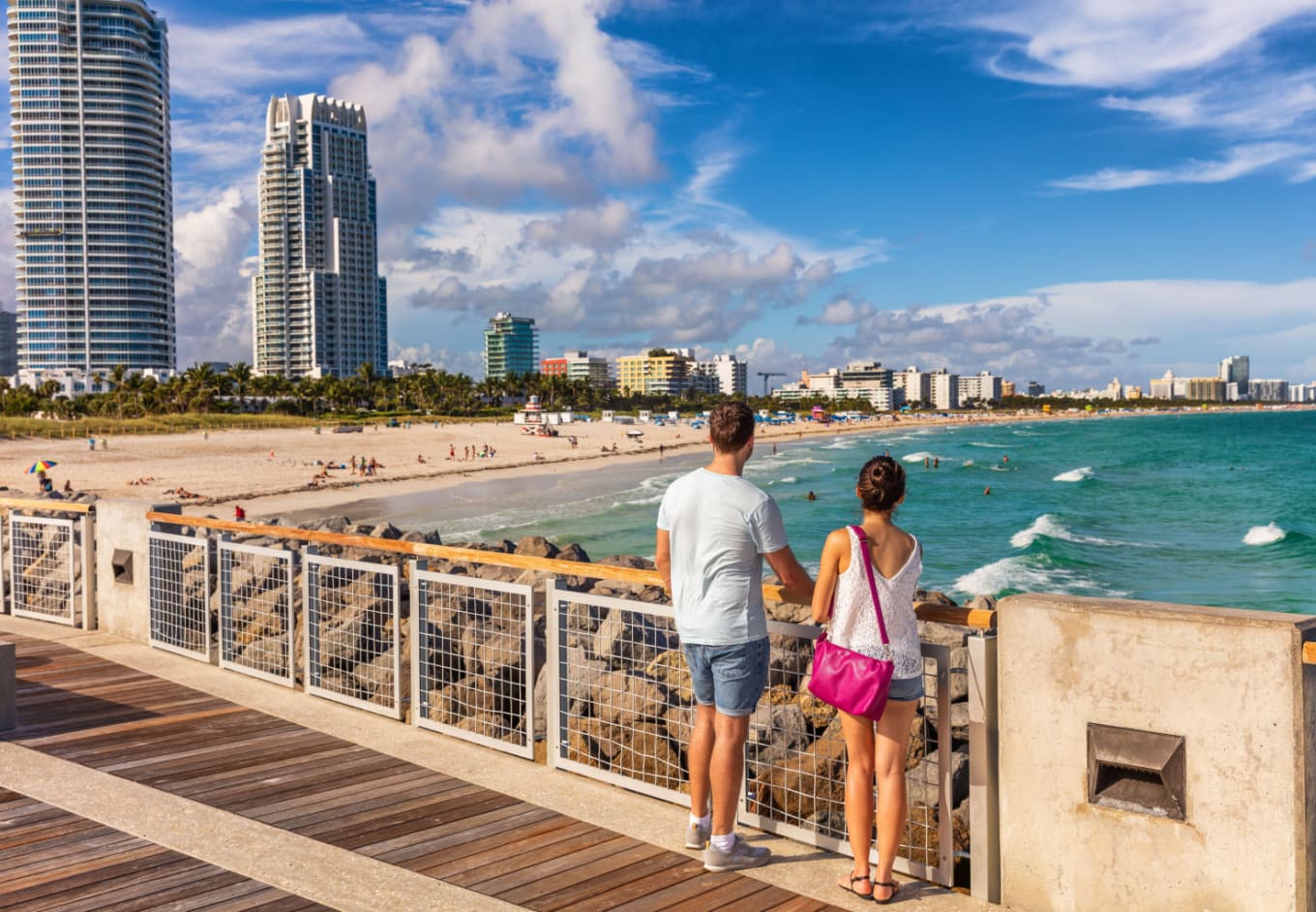
- Art and Design Districts (12:00 PM – 4:00 PM): Spend your afternoon delving into the vibrant art scene of the Wynwood Walls, where colorful murals adorn every surface. Nearby, the Design District offers a blend of luxury boutiques, contemporary art galleries, and architectural marvels. These areas are perfect for a leisurely stroll, grabbing lunch at a trendy eatery, and discovering unique finds.
- Beach Time and Water Sports (1:00 PM – 5:00 PM): Post-lunch is prime time for hitting the beach. Whether you choose the lively atmosphere of South Beach, the calmer shores of Key Biscayne at Crandon Park or Bill Baggs Cape Florida State Park, or venturing out on Biscayne Bay for jet skiing, paddleboarding, or a boat tour, the afternoon sun provides the perfect backdrop. Remember to stay hydrated and apply sunscreen liberally.
- Retail Therapy: From the high-end stores in Brickell City Centre to the eclectic shops in Coconut Grove, Miami offers diverse shopping experiences for every lifestyle, whether you’re on a luxury travel spree or a budget-conscious trip.
Miami’s Vibrant Evenings and Nightlife
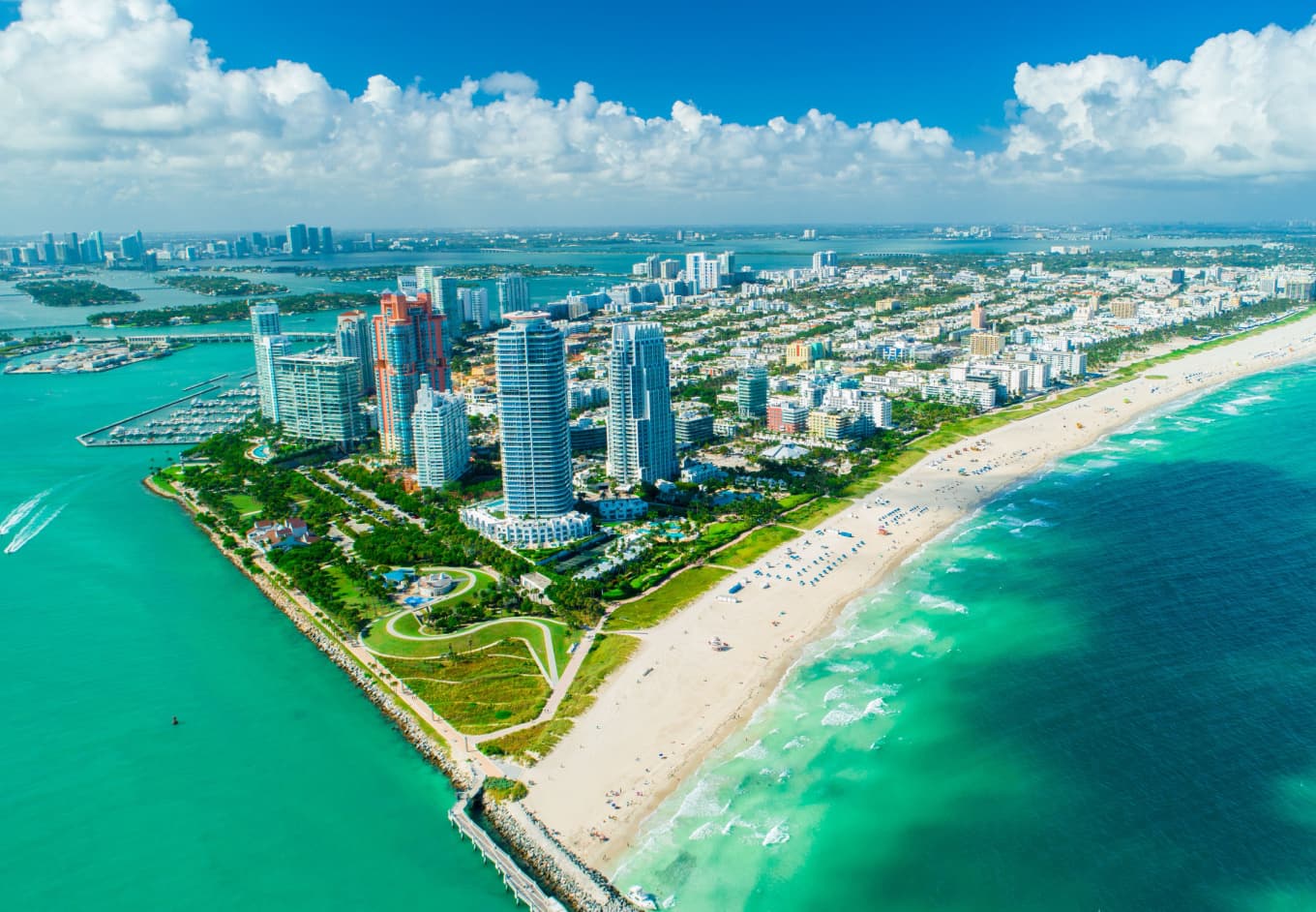
As the sun sets, Miami transforms into a dazzling spectacle of lights, music, and culinary delights, living up to its reputation as a global hotspot for entertainment.
- Sunset Cocktails and Dinner (5:00 PM – 9:00 PM): Find a rooftop bar in Downtown Miami or Brickell to witness a stunning sunset over the cityscape and Biscayne Bay. Afterward, indulge in Miami’s diverse culinary scene. From upscale dining at resorts like W South Beach to casual eateries serving authentic Latin American cuisine in Little Havana, there’s a flavor for every palate. Happy hour specials, typically between 4:00 PM and 7:00 PM, are a fantastic way to enjoy discounted drinks and appetizers.
- Live Music and Entertainment (8:00 PM onwards): Miami offers a wealth of evening entertainment. Catch a live show at the Kaseya Center, enjoy jazz in Coconut Grove, or experience the vibrant energy of Mango’s Tropical Cafe on Ocean Drive with its live music and dance performances.
- The Nightlife Scene (10:00 PM – Late): Miami’s nightlife is legendary, with clubs and lounges staying open well into the early hours. South Beach is the epicenter, home to world-renowned venues like LIV Nightclub and Nikki Beach. Dress to impress and prepare for an unforgettable night of dancing and socializing. For those seeking a more relaxed evening, many luxury hotels offer sophisticated bars and lounges perfect for a late-night cocktail.
Time-Sensitive Planning for Your Miami Adventure
Effective time management goes hand-in-hand with planning a successful trip to Miami. From securing the best deals on accommodation to navigating peak season crowds, understanding the temporal dynamics of this city is crucial.
Booking Strategies: When to Secure Your Stay
The timing of your booking can significantly impact both the cost and availability of hotels, resorts, and apartments in Miami.
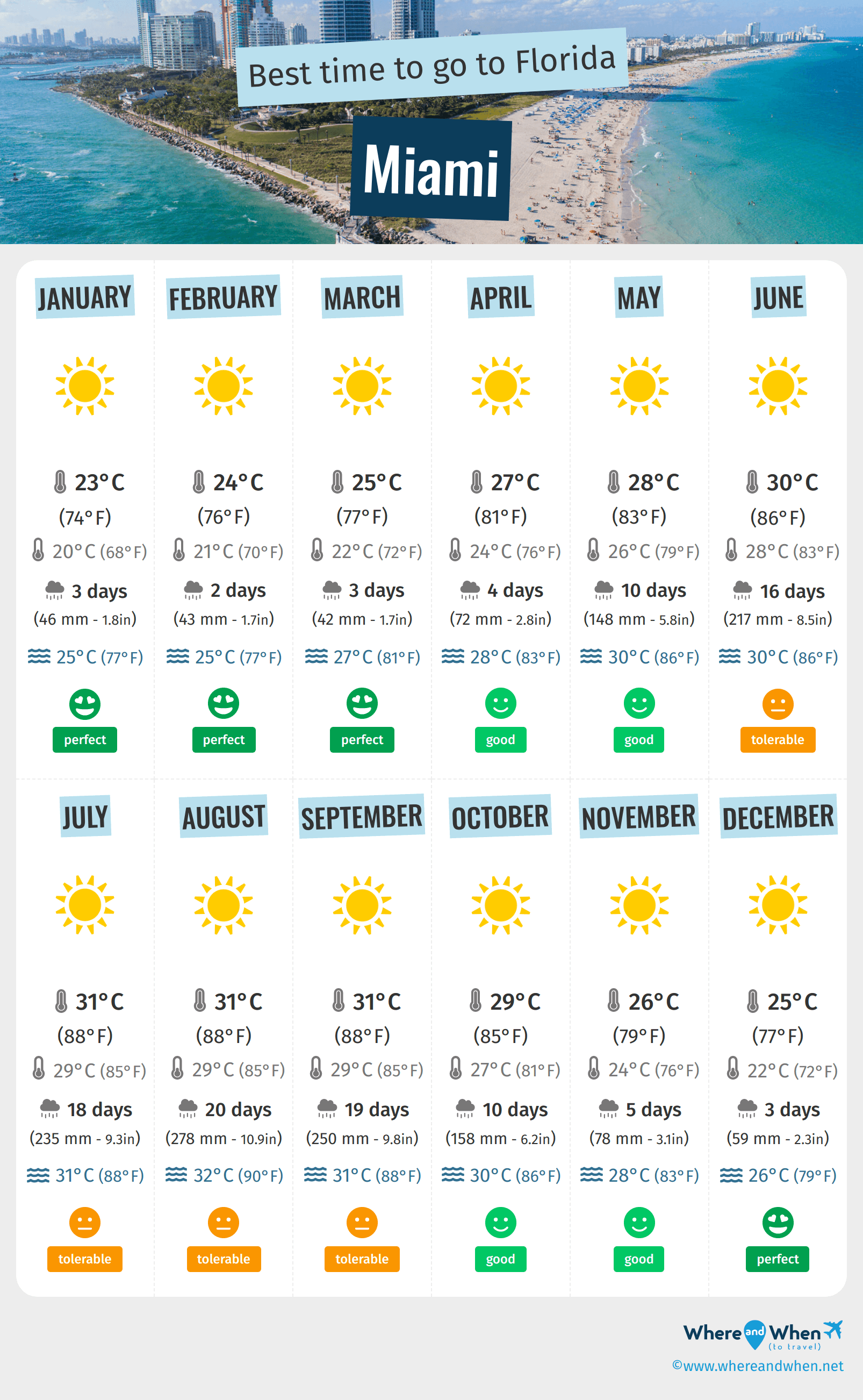
- Peak Season (Winter/Spring): Miami’s high season runs roughly from November to April, coinciding with cooler, drier weather and major events like Art Basel Miami Beach and the South Beach Wine & Food Festival. During these months, demand for hotels is at its highest, leading to increased prices and limited availability. To secure your preferred luxury resort or boutique hotel like the Kimpton EPIC Hotel in Downtown Miami or The Biltmore Hotel in Coral Gables, it’s advisable to book 3-6 months in advance, and even earlier for major holiday periods or festivals.
- Shoulder Season (Late Spring/Fall): May, early June, and October offer a sweet spot with pleasant weather, fewer crowds, and more competitive pricing. Booking 2-3 months out usually suffices.
- Low Season (Summer): Miami’s summer (July-September) is hot, humid, and prone to rain, but it also brings the lowest hotel rates. If you’re planning a budget travel trip and don’t mind the heat, you can often find great deals by booking just a few weeks in advance. However, always be mindful of hurricane season and consider travel insurance.
- Long-Term Stays: For those considering long-term stays in Miami, perhaps in an apartment or villa, flexibility with dates and booking further out can yield better monthly rates, especially outside the peak tourist season.
Maximizing Your Itinerary: Daily Planning and Tours
An effective daily itinerary is crucial to making the most of your time in Miami, especially with its vast array of attractions and activities.
- Group Activities Geographically: To minimize travel time, plan activities that are geographically close together. For example, combine a visit to Vizcaya Museum & Gardens with exploring Coconut Grove or Coral Gables. Dedicate a separate day to South Beach, the Art Deco Historic District, and Ocean Drive.
- Consider Traffic Patterns: Miami traffic can be notoriously heavy, particularly during rush hour (7:00 AM – 9:00 AM and 4:00 PM – 7:00 PM). Schedule longer commutes or popular attractions during off-peak times to avoid delays. Using ride-sharing apps, public transport, or taxis can be more efficient than driving and parking in congested areas.
- Book Timed Entry or Tours: Many popular attractions, such as Everglades National Park airboat tours or visits to museums, offer timed entry slots or require advance booking for guided tours. Booking these in advance saves time waiting in lines and guarantees your spot, ensuring a smoother experience.
- Flexibility for Family and Business Trips: For family trips, factor in downtime for children and be flexible with schedules. For business stays, allocate travel time between meetings in Brickell or Downtown Miami and consider scheduling important appointments outside of peak traffic hours to ensure punctuality.
Special Events and Seasonal Timing
Miami hosts numerous world-class events throughout the year, each with its own temporal implications.
- Major Festivals: Events like Ultra Music Festival in March or Miami Art Week in December (featuring Art Basel Miami Beach) draw massive international crowds. If you plan to attend, booking flights and accommodation up to a year in advance is not uncommon, and prices will be significantly higher.
- Sporting Events: Catching a Miami Heat basketball game at Kaseya Center or a Miami Marlins baseball game at LoanDepot Park requires checking game schedules and purchasing tickets in advance, especially for popular matchups.
- Cruise Departures: PortMiami is a global hub for cruise lines heading to the Caribbean or the Bahamas. If your Miami trip is a prelude to a cruise, carefully coordinate your arrival time to ensure ample buffer for potential flight delays and transfer to the port, typically requiring you to be aboard several hours before the ship sets sail. Many travelers opt to arrive a day or two early and stay in a nearby hotel to mitigate any time-related stresses.
In conclusion, “What time is it in Miami?” is more than a simple query; it’s an invitation to understand and engage with the city’s dynamic pace. By appreciating its time zone, preparing for time differences, and strategically planning your days and nights, you can unlock the full potential of this magnificent Florida destination, ensuring your travel experiences are as vibrant and captivating as Miami itself.
LifeOutOfTheBox is a participant in the Amazon Services LLC Associates Program, an affiliate advertising program designed to provide a means for sites to earn advertising fees by advertising and linking to Amazon.com. Amazon, the Amazon logo, AmazonSupply, and the AmazonSupply logo are trademarks of Amazon.com, Inc. or its affiliates. As an Amazon Associate we earn affiliate commissions from qualifying purchases.