
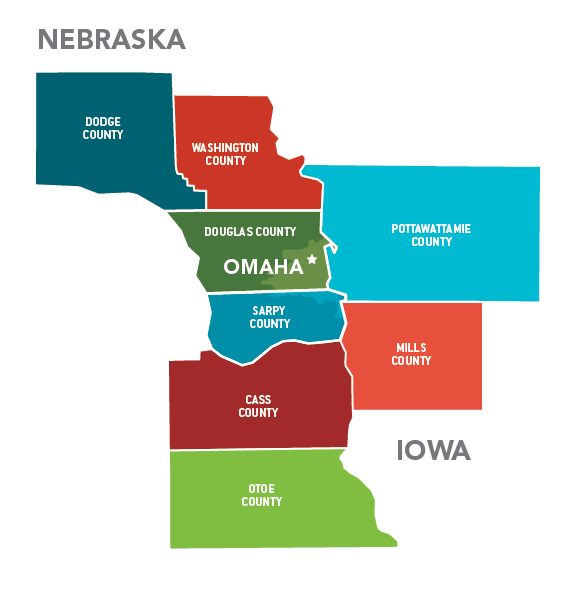
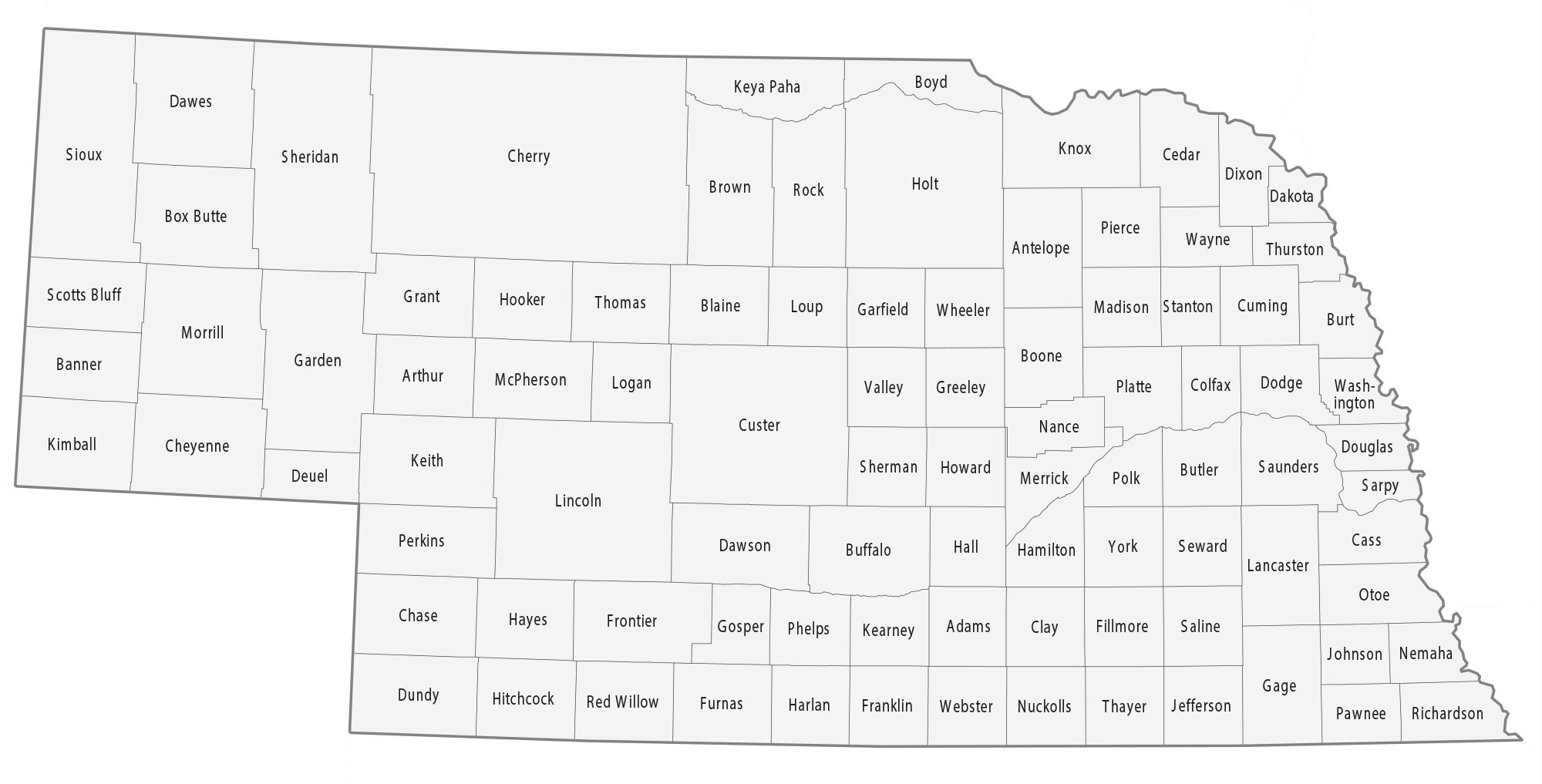
For anyone planning a trip to the heartland of the United States, or simply curious about the administrative geography of a major Midwestern city, the question “What county is Omaha, Nebraska in?” is a fundamental starting point. The answer is straightforward: Omaha, the largest city in Nebraska, is located in Douglas County. This county is not just a geographical designation; it is the vibrant economic, cultural, and historical epicenter of the region, significantly shaping Omaha’s identity as a bustling urban center with a rich past and an exciting future. From its foundational role in westward expansion to its modern status as a hub for business and tourism, understanding Douglas County is key to truly appreciating Omaha.
Douglas County: The Geographical and Historical Heart of Omaha
Douglas County encompasses Omaha and several surrounding communities, serving as the most populous county in Nebraska. Bordered by the majestic Missouri River to the east, which also forms the boundary with Iowa, the county’s strategic location has played a pivotal role in its development. This geographical advantage facilitated early trade and transportation, making Omaha a significant nexus for various industries and a natural destination for travelers and settlers moving across the country.
Unveiling the Rich History of Douglas County
The history of Douglas County is inextricably linked with the story of Omaha itself, a tale of frontier spirit, industrial growth, and cultural evolution. Established in 1854, just after the Nebraska Territory was organized, Douglas County quickly became a focal point for westward expansion. Omaha was chosen as the eastern terminus for the Transcontinental Railroad by President Abraham Lincoln, primarily due to the influence of the Union Pacific Railroad and its strong ties to the city. This decision cemented Omaha’s destiny as a transportation and economic powerhouse.
Throughout the late 19th and early 20th centuries, Douglas County flourished. It became a major hub for the meatpacking industry, with enormous stockyards attracting immigrants from around the world, contributing to the county’s diverse cultural tapestry. The 1898 Trans-Mississippi and International Exposition, held in Omaha, showcased the city’s ambition and capability on an international stage, drawing over 2.6 million visitors and further solidifying its reputation as a significant American city. This rich historical backdrop provides a fascinating context for exploring Omaha’s many landmarks and institutions today.
Economic Vibrancy and Modern Significance
Today, Douglas County remains a critical economic engine for Nebraska and the broader Midwest. Omaha is home to several Fortune 500 companies, including Berkshire Hathaway, led by legendary investor Warren Buffett; Mutual of Omaha; and Kiewit Corporation. The city’s diversified economy includes strong sectors in finance, insurance, telecommunications, information technology, and transportation. This economic vitality fuels a dynamic urban environment, supporting a wide range of amenities, services, and cultural attractions that appeal to both residents and visitors. The presence of major corporate headquarters also means a steady stream of business travelers, influencing the demand for diverse accommodation options and services tailored to professional needs.
Exploring the Vibrant Attractions and Culture of Omaha
Beyond its corporate prowess, Omaha within Douglas County is a treasure trove of attractions, offering a rich blend of history, nature, arts, and culinary delights. Travelers seeking unique experiences will find much to explore, whether they are on a family vacation, a romantic getaway, or a solo adventure. The city’s commitment to preserving its past while embracing modernity makes it a captivating destination.
World-Class Zoos and Iconic Landmarks
One of Omaha’s most celebrated attractions, located squarely in Douglas County, is the Henry Doorly Zoo and Aquarium. Consistently ranked among the best zoos in the world, it boasts an incredible collection of animals and groundbreaking exhibits like the Desert Dome, the largest indoor desert in the world, and the Lied Jungle, one of the largest indoor rainforests. It’s an immersive experience for all ages and a must-visit destination for nature enthusiasts.
Another iconic area is the Old Market, a historic district brimming with cobblestone streets, brick warehouses, and a vibrant atmosphere. Here, visitors can explore art galleries, boutiques, antique shops, and an array of award-winning restaurants and lively bars. It’s the perfect place for an evening stroll, a delicious meal, or unique souvenir hunting.
History buffs will appreciate the Durham Museum, housed in Omaha’s magnificently restored Union Pacific Art Deco train station. The museum offers engaging exhibits on regional history, including pioneer life, Native American culture, and the development of the railroad. For a more contemporary architectural marvel, the Bob Kerrey Pedestrian Bridge, affectionately known as “Bob,” spans the Missouri River and connects Omaha with Council Bluffs, Iowa, offering stunning views of the skyline and a unique bi-state walking experience.
A Thriving Arts, Culture, and Culinary Scene
Omaha’s cultural landscape is surprisingly rich and diverse for a city of its size. The Joslyn Art Museum, Nebraska’s largest art museum, houses an impressive collection spanning from ancient Greek and Roman art to contemporary American and European works, set in a beautiful Art Deco building. Performing arts thrive at venues like the Holland Performing Arts Center and the historic Orpheum Theater, hosting Broadway shows, concerts, and local productions.
The culinary scene in Omaha has garnered national attention, extending far beyond the traditional steakhouse (though you’ll find plenty of excellent ones!). From farm-to-table restaurants to international cuisine, food trucks, and craft breweries, the city offers a diverse gastronomic journey. Districts like the Old Market, Blackstone District, and Benson are hotspots for unique dining experiences, offering everything from upscale eateries to casual cafes. Exploring Omaha’s food scene is an adventure in itself, reflecting the city’s growing confidence and sophistication.

Planning Your Stay: Accommodation and Travel Tips in Omaha
When visiting Omaha in Douglas County, travelers will find a wide array of accommodation options to suit every budget and preference, from luxurious downtown hotels to comfortable extended-stay apartments. The city’s welcoming atmosphere extends to its hospitality sector, ensuring a pleasant stay for all.
Premier Accommodation Options for Every Traveler
For those seeking an upscale experience, Omaha boasts several high-end hotels, particularly in the downtown and Old Market areas. The Omaha Marriott Downtown at the Capitol District offers a modern stay with excellent amenities, perfect for business travelers and leisure guests alike. The Magnolia Hotel Omaha provides a touch of historic elegance in a prime downtown location. Other notable options include the Hilton Omaha, directly connected to the CHI Health Center Omaha convention center, and the Embassy Suites by Hilton Omaha Downtown Old Market, known for its spacious suites and complimentary breakfast.
Boutique hotels like the Hotel Indigo Omaha Downtown offer unique character and personalized service, often reflecting local culture and design. For travelers preferring a more independent or longer-term stay, options range from charming bed-and-breakfasts in historic neighborhoods to well-appointed apartment hotels. Websites dedicated to accommodation reviews and comparison can help pinpoint the perfect fit, whether you’re looking for luxury travel amenities or budget-friendly comfort. Many accommodations also cater specifically to family trips, offering larger rooms or suites, while those focusing on business stays provide essential services like meeting rooms and high-speed internet.
Navigating Omaha and Enhancing Your Visit
Getting to Omaha is convenient, with Omaha Eppley Airfield serving as the main gateway, offering direct flights to many major U.S. cities. Once in the city, rental cars are widely available, providing flexibility for exploring Douglas County and beyond. Public transportation, including bus services, connects key areas, though many visitors find driving the most efficient way to navigate.
The best time to visit Omaha largely depends on your interests. Summer brings warm weather and a calendar full of outdoor festivals and events, perfect for family trips or enjoying the city’s parks. Spring and fall offer milder temperatures, ideal for sightseeing and exploring the Old Market or the Lauritzen Gardens. Winter offers a different charm, with festive holiday events and opportunities to enjoy indoor attractions like the zoo’s Desert Dome or the city’s museums. Regardless of the season, Omaha’s local culture is always welcoming, offering a genuine taste of Midwestern hospitality.
Omaha’s Lifestyle: A Blend of Urban Sophistication and Midwestern Charm
The lifestyle in Omaha is a unique blend of urban sophistication and down-to-earth Midwestern charm, making it an appealing destination for a wide range of travelers. It’s a city where high-rise corporate buildings stand alongside historic districts, and world-class attractions are complemented by friendly, accessible communities. This duality offers visitors a comprehensive experience, whether they are here for leisure, business, or a combination of both.
Family Adventures and Budget-Friendly Explorations
Omaha is an excellent destination for family trips, offering numerous attractions that cater to children and adults alike. Beyond the renowned Henry Doorly Zoo and Aquarium, families can enjoy the Omaha Children’s Museum, which provides interactive exhibits designed to spark creativity and learning. Parks and green spaces abound, offering playgrounds, walking trails, and picnic areas for outdoor fun. The city’s commitment to family-friendly activities often includes free or low-cost options, making it possible to enjoy a rich experience even on a budget. Many restaurants offer kids’ menus, and hotels are well-equipped to accommodate families with amenities such as pools and connecting rooms. Exploring neighborhoods like Florence, a historic Mormon pioneer settlement, offers educational insights into the region’s past in an engaging way for all ages.
For those on a budget, Omaha offers plenty of free attractions, such as walking across the Bob Kerrey Pedestrian Bridge, strolling through the Old Market to soak in the ambiance, or visiting the serene Gene Leahy Mall. Many museums offer free admission on certain days or to specific groups, and the city’s extensive public park system provides ample opportunities for recreation without cost. Even dining can be budget-friendly, with a variety of casual eateries, food trucks, and local diners offering delicious meals at reasonable prices, especially in districts like Benson.
Luxury Stays and Business Travel Essentials
For discerning travelers or those on a business trip, Omaha provides a range of luxury travel options and sophisticated services. High-end hotels like The Farnam, Autograph Collection and the upcoming Loews Regency Omaha Hotel offer premium amenities, fine dining, and personalized concierge services, ensuring an indulgent and comfortable stay. Many of these establishments are strategically located near corporate offices and convention centers, providing convenient access for business stays.
Business travelers will find Omaha to be a well-equipped city. Hotels often include dedicated business centers, extensive meeting and conference facilities, and high-speed internet access. The proximity to Omaha Eppley Airfield and efficient local transportation makes navigating the city for appointments straightforward. Beyond the workplace, corporate guests can unwind at upscale restaurants, enjoy a round of golf at one of Douglas County’s fine golf courses, or attend a performance at the Holland Performing Arts Center. The city strikes a fine balance, offering the necessary infrastructure for productive business engagements while also providing ample opportunities for relaxation and cultural enrichment.
In conclusion, Omaha is undeniably situated in Douglas County, Nebraska. This foundational fact is the key to unlocking a deeper understanding of the city’s past, present, and future. From its historical roots as a frontier town and railroad hub to its modern status as a thriving economic and cultural center, Omaha offers a diverse and engaging experience for every traveler. Whether you’re drawn by its world-class attractions, its burgeoning culinary scene, its rich history, or its welcoming Midwestern charm, Omaha in Douglas County stands ready to surprise and delight.
LifeOutOfTheBox is a participant in the Amazon Services LLC Associates Program, an affiliate advertising program designed to provide a means for sites to earn advertising fees by advertising and linking to Amazon.com. Amazon, the Amazon logo, AmazonSupply, and the AmazonSupply logo are trademarks of Amazon.com, Inc. or its affiliates. As an Amazon Associate we earn affiliate commissions from qualifying purchases.