
For those contemplating a significant life change, perhaps a move to a state that promises a harmonious blend of natural splendor, economic stability, and a high quality of life, the question “Is New Hampshire a good place to live?” often arises. This picturesque New England gem, famously known as the “Granite State,” has long attracted individuals and families seeking a unique lifestyle. From its rugged mountains to its charming Atlantic coastline, and from its vibrant cities to its serene rural towns, New Hampshire offers a diverse tapestry of experiences and opportunities. As a destination for both short-term exploration and long-term residency, it presents a compelling case, combining a robust economy with an abundance of outdoor activities, strong communities, and a fiercely independent spirit epitomized by its “Live Free or Die” motto. This article delves deep into what makes New Hampshire not just a place to visit, but potentially an ideal place to call home, touching upon its travel appeal, accommodation options, rich tourism potential, iconic landmarks, and the distinct lifestyle it fosters.
The Allure of New Hampshire: Nature, Economy, and Lifestyle
New Hampshire’s appeal is multifaceted, drawing strength from its breathtaking natural landscapes, a resilient economy, and a lifestyle that prioritizes well-being and community. It’s a state that genuinely caters to a variety of preferences, whether you’re an avid adventurer, a professional seeking career growth, or a family looking for a safe and enriching environment.
Unparalleled Natural Beauty and Outdoor Recreation
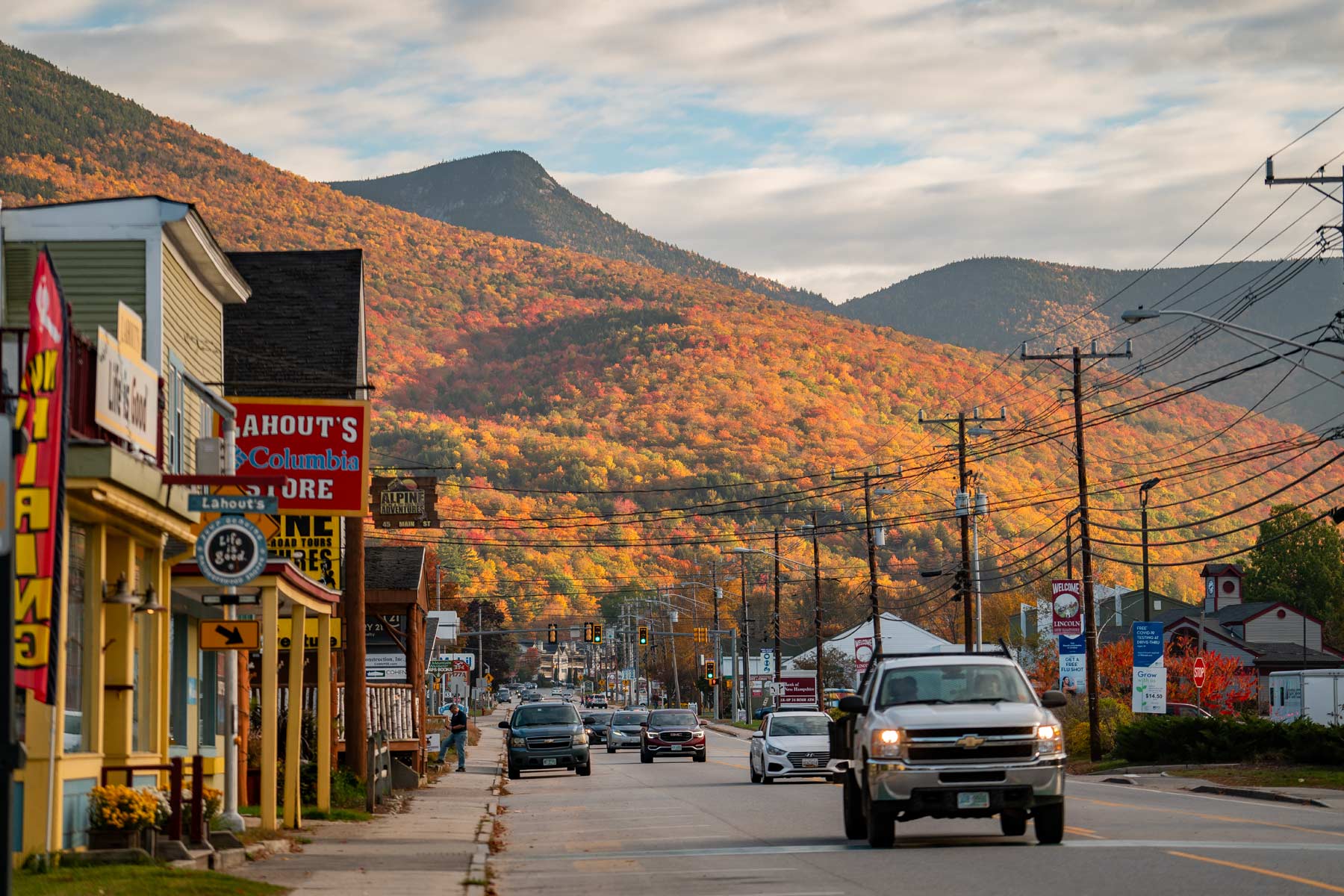
One of the most compelling reasons to consider living in New Hampshire is its extraordinary natural beauty, which serves as a perpetual playground for outdoor enthusiasts. The majestic White Mountains dominate the northern landscape, home to the Northeast’s highest peak, Mount Washington. This region is a haven for hikers, with countless trails ranging from leisurely strolls to challenging segments of the Appalachian Trail. During winter, these mountains transform into a premier skiing and snowboarding destination, boasting world-class resorts like Cannon Mountain Ski Area, Loon Mountain Resort, and Waterville Valley Resort. The vibrant fall foliage across the White Mountains and along scenic routes like the Kancamagus Highway in Conway is a national spectacle, attracting visitors from around the globe and offering residents a daily dose of natural artistry.
Beyond the mountains, the state is dotted with pristine lakes, most notably the expansive Lake Winnipesaukee, a hub for boating, swimming, fishing, and watersports during the warmer months. The Lakes Region provides a tranquil escape and a lively community spirit, with numerous lakeside towns offering a blend of modern amenities and traditional charm. Even New Hampshire’s short but scenic Atlantic coastline, centered around Portsmouth and the Seacoast region, offers sandy beaches, picturesque harbors, and opportunities for whale watching and deep-sea fishing. The presence of these diverse natural landmarks ensures that residents always have access to a wide array of activities, enriching their lifestyle through constant engagement with the outdoors. From exploring state parks like Franconia Notch State Park to kayaking down the Merrimack River or Connecticut River, the opportunities for recreation are boundless, making it an ideal destination for those who value nature as an integral part of their daily lives.
A Thriving Economy and Favorable Financial Climate
New Hampshire boasts one of the most robust economies in the nation, underpinned by a diverse industrial base that includes advanced manufacturing, technology, tourism, healthcare, and education. This economic strength translates into a stable job market and numerous opportunities for professionals across various sectors. The state consistently ranks high in terms of economic freedom and business friendliness, partly due to its unique tax structure. Residents benefit significantly from the absence of state sales tax and personal income tax on wages (though there is a tax on interest and dividends), which can lead to considerable savings compared to neighboring states. This fiscal advantage is a powerful draw for individuals and businesses alike, making take-home pay go further and supporting a higher quality of life.
The concept of “Live Free or Die” extends beyond a motto, permeating the state’s economic philosophy, promoting self-reliance and limited government intervention. This environment fosters entrepreneurial spirit and supports small businesses, contributing to vibrant local economies in cities like Manchester and Nashua, which serve as major economic hubs. While the cost of living can be higher in desirable areas, particularly in the Seacoast and southern regions bordering Boston, the absence of key taxes often offsets these expenses, making it an attractive proposition for those looking to maximize their financial well-being. The emphasis on local commerce and sustainable tourism also ensures that the state’s economic growth is often aligned with preserving its natural and cultural assets, creating a balanced and appealing environment for both residents and visitors.
Quality of Life: Education, Safety, and Community
Beyond economic considerations, New Hampshire consistently ranks among the top states for overall quality of life. This is largely attributed to its exceptional public education system, renowned for its high standards and strong performance. The state is home to several highly-regarded educational institutions, including the prestigious Dartmouth College, which attracts scholars and researchers from around the world and enriches the intellectual landscape. For families, access to excellent schools is a primary concern, and New Hampshire delivers across its numerous school districts, ensuring a solid foundation for future generations.
Safety is another hallmark of life in the Granite State. New Hampshire consistently reports some of the lowest crime rates in the country, fostering a sense of peace and security that is increasingly rare elsewhere. This low crime rate, combined with strong community bonds, contributes to a friendly and welcoming atmosphere in many towns and cities. Residents often speak of a strong sense of community, where neighbors look out for one another and local events bring people together. Healthcare access and quality are also significant advantages, with a network of hospitals and medical centers providing comprehensive services. For those seeking a lifestyle that balances modern conveniences with a return to more traditional values of safety, community engagement, and educational excellence, New Hampshire presents a compelling argument.
Navigating Life in New Hampshire: Practical Considerations
Understanding the practicalities of living in New Hampshire is crucial for anyone considering a move. This involves looking at housing trends, transportation, and the unique cultural experiences that define the state. These elements collectively shape the daily lives of residents and inform their overall satisfaction with their environment.
Housing and Accommodation Options
The housing market in New Hampshire offers a wide array of options, catering to diverse preferences and budgets, though it’s important to note that demand in popular areas can lead to higher prices. From charming colonial-era homes in historic districts to modern suburban residences, and from rustic cabins in the mountains to waterfront properties on Lake Winnipesaukee, there’s something for everyone. Urban centers like Manchester, Nashua, and Portsmouth provide apartment living, condominiums, and multi-family homes, offering a more vibrant, city-centric lifestyle. These areas are particularly appealing for those who prefer walkability and proximity to amenities, cultural venues, and dining establishments.
For those considering a move, understanding the regional differences is key. The Seacoast region, with its proximity to Boston and coastal charm, often sees some of the highest housing costs. Inland areas and the northern parts of the state generally offer more affordable options and larger land parcels, ideal for those seeking privacy and a rural lifestyle. For individuals or families exploring the possibility of relocating, or even those on extended visits, a variety of accommodation options exist for long-term stays. These range from boutique hotels and quaint bed & breakfasts, especially in tourist-heavy regions like the Lakes Region and the White Mountains, to furnished rental apartments and extended-stay properties in urban centers. Utilizing resources for booking and comparing accommodations can be invaluable for prospective residents to get a feel for different neighborhoods and lifestyles before making a permanent commitment.

Transportation and Accessibility
While New Hampshire is primarily a state where personal vehicles are essential, its transportation infrastructure is generally well-maintained and efficient. Major interstate highways like I-93 and I-89 provide critical north-south and east-west connectivity, facilitating travel across the state and to neighboring regions. The proximity of southern New Hampshire to Boston is a significant advantage, allowing residents easy access to a major international airport, cultural attractions, and employment opportunities within a reasonable commute. This makes New Hampshire an attractive bedroom community for those working in the Boston metropolitan area but seeking a lower tax burden and a more serene living environment.

However, public transportation options are more limited, primarily confined to local bus services within the larger cities like Manchester and Nashua, and some intercity bus routes. Commuter rail services, common in other New England states, are absent in New Hampshire, making car ownership almost a necessity for most residents, especially those living outside the most urbanized areas. For travel and tourism, driving through New Hampshire is an experience in itself, with numerous scenic byways cutting through picturesque landscapes, offering stunning views, especially during the fall. Understanding these transportation realities is crucial for planning daily commutes and accessing the state’s many attractions.
Cultural Experiences and Local Delights
New Hampshire’s cultural fabric is as rich and varied as its landscapes. The state takes pride in its local culture, which often blends historical preservation with contemporary artistic expression. Cities like Portsmouth are vibrant cultural hubs, featuring historic architecture, art galleries, live music venues, and a sophisticated culinary scene. The Strawbery Banke Museum in Portsmouth offers a captivating glimpse into four centuries of history, showcasing restored homes and historical interpretation that brings the past to life. Throughout the state, numerous smaller towns host local festivals, farmers’ markets, and community events that celebrate everything from maple sugaring in spring to county fairs in summer and fall foliage festivals.
The food scene in New Hampshire is a delightful journey for the palate, emphasizing fresh, locally sourced ingredients. Farm-to-table dining is prevalent, reflecting the state’s agricultural heritage. Seafood, particularly fresh lobster and oysters, is a highlight along the Seacoast. Of course, no discussion of New Hampshire cuisine is complete without mentioning maple syrup, a quintessential product, with numerous sugarhouses offering tours and tastings. For those interested in crafts, local artisans create unique pieces, often inspired by the natural surroundings. Whether it’s exploring historical landmarks, enjoying local music, or indulging in regional delicacies, New Hampshire provides a stimulating environment that caters to a diverse range of cultural interests, adding depth and richness to the everyday lives of its residents.
Potential Challenges and Making the Move
While New Hampshire offers an abundance of advantages, it’s also important to acknowledge potential challenges and considerations to ensure a well-informed decision for anyone contemplating a move. A balanced perspective helps set realistic expectations and prepares individuals for what life in the Granite State truly entails.
Addressing the Drawbacks
No place is without its imperfections, and New Hampshire is no exception. One of the most frequently cited challenges is the state’s harsh winter weather. While many embrace the cold and snow for skiing and other winter sports, for those unaccustomed to prolonged periods of low temperatures and heavy snowfall, it can be a significant adjustment. Heating costs can be substantial, and navigating snowy roads requires reliable vehicles and careful driving. Additionally, while the absence of sales and income tax is a huge benefit, the overall cost of living, particularly housing, can be high in popular areas, especially the southern New Hampshire region that commutes to Boston. Property taxes, which fund local services and schools, can also be considerable, offsetting some of the savings from other tax exemptions.
Another potential drawback for some is the limited diversity compared to larger metropolitan areas. While efforts are being made to promote inclusivity, New Hampshire remains predominantly homogeneous, which might be a concern for those seeking a more multicultural environment. The relatively sparse public transportation infrastructure also necessitates car ownership for most residents, which can be an added expense and inconvenience for those who prefer to rely on public transit. Finally, while job opportunities are strong in certain sectors, individuals in highly specialized or niche fields might find fewer options compared to sprawling urban centers. Weighing these factors against the numerous benefits is a crucial step in determining if New Hampshire aligns with one’s personal and professional priorities.
Is New Hampshire Right for You?
Ultimately, the question of “Is New Hampshire a good place to live?” depends on individual preferences and priorities. It is undeniably an excellent choice for those who cherish the outdoors, thrive in all four seasons, and prioritize a safe, community-oriented environment with strong educational opportunities. Nature lovers, outdoor enthusiasts, and families seeking a tranquil yet enriching lifestyle will find much to appreciate. The state’s favorable tax climate is a significant draw for professionals and retirees alike, offering financial advantages that can greatly enhance their quality of life.
However, for those who prefer bustling urban environments, rely heavily on public transportation, or are seeking a highly diverse cultural melting pot, New Hampshire might present some adjustments. It is often recommended for prospective residents to spend time exploring the various regions of the state – from the lively Seacoast and the recreational haven of the Lakes Region to the serene landscapes of the Dartmouth-Lake Sunapee Region and the rugged beauty of the White Mountains – before making a definitive decision. Engaging with local communities, experiencing the rhythm of daily life, and evaluating the practicalities firsthand are invaluable steps. New Hampshire offers a distinct and high-quality lifestyle, but it’s one that truly shines for those whose values and preferences align with its unique charm and character.
In conclusion, New Hampshire stands out as a desirable place to live for a multitude of reasons, blending economic advantages with unparalleled natural beauty and a strong sense of community. Its commitment to a “Live Free or Die” philosophy translates into a lifestyle that values independence, opportunity, and access to a rich array of outdoor and cultural experiences. While it presents certain challenges, particularly concerning winter weather and the need for personal transportation, the overall quality of life, robust economy, excellent education, and safety make it a highly attractive option for many. Whether you’re considering a weekend getaway, an extended stay, or a permanent relocation, exploring the diverse landscapes and welcoming communities of New Hampshire is an experience that promises to be both rewarding and enlightening, showcasing why so many proudly call this remarkable state home.
LifeOutOfTheBox is a participant in the Amazon Services LLC Associates Program, an affiliate advertising program designed to provide a means for sites to earn advertising fees by advertising and linking to Amazon.com. Amazon, the Amazon logo, AmazonSupply, and the AmazonSupply logo are trademarks of Amazon.com, Inc. or its affiliates. As an Amazon Associate we earn affiliate commissions from qualifying purchases.