
New Mexico, often called the “Land of Enchantment,” captivates visitors with its vibrant blend of cultures, dramatic landscapes, and profound history. But beyond the stunning vistas and rich heritage, understanding the state’s population provides a unique lens through which to appreciate its character, its tourism infrastructure, and the diverse experiences it offers travelers. For those planning a journey, knowing where people live, what cultures they represent, and how population trends shape the state can significantly enhance their visit, guiding them to bustling urban centers, tranquil rural retreats, and everything in between.
The population of a region isn’t merely a statistic; it’s a living, breathing indicator of its social fabric, economic pulse, and cultural soul. In New Mexico, where vast expanses of wilderness meet ancient pueblos and modern cities, the distribution and demographics of its inhabitants directly influence everything from local cuisine and artistic expressions to the availability of accommodations and the type of attractions one can explore. This article delves into the latest population figures for New Mexico, exploring how these numbers impact the travel and tourism landscape, and what that means for your next adventure.
The Current Snapshot: New Mexico’s Population Figures and Distribution
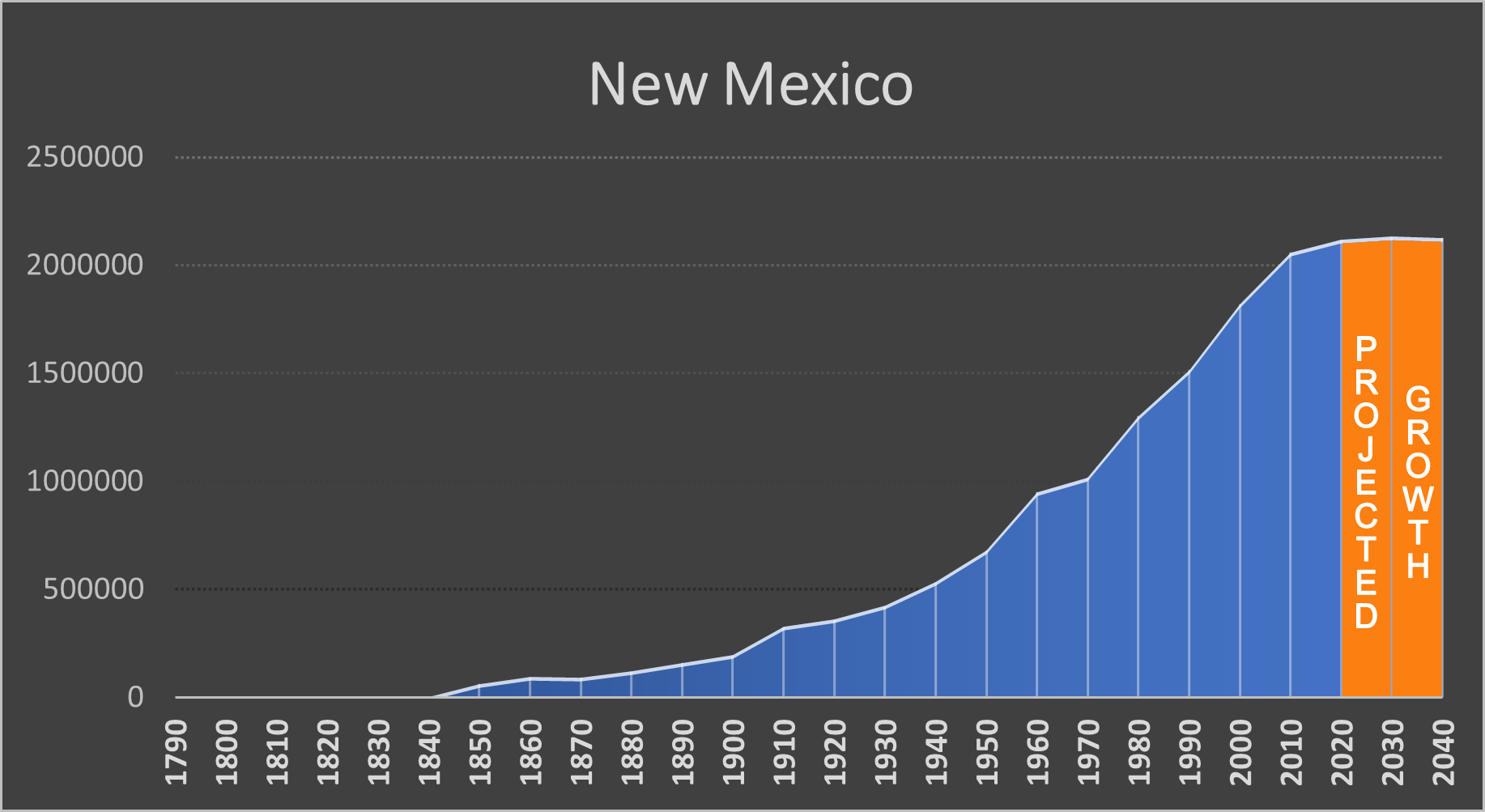
As of recent estimates, New Mexico’s population hovers around 2.1 million residents. While this number might seem modest compared to more populous states, it tells a fascinating story of a state where people are concentrated in key urban areas, leaving much of its spectacular natural beauty sparsely populated. This balance is crucial for travelers, offering both the conveniences and cultural richness of city life and the serene solitude of the wilderness.
The population density of New Mexico is notably low, reflecting its expansive geography. With an average of roughly 17 people per square mile, it stands in stark contrast to the national average. This low density means that outside of the major metropolitan areas, visitors can often find themselves immersed in breathtaking natural environments with minimal crowds, providing an unparalleled sense of discovery and tranquility, whether exploring a vast national park or traversing a historic scenic byway.
Population Distribution and Urban Centers
The vast majority of New Mexico’s residents reside in a handful of prominent urban centers, which serve as crucial hubs for commerce, culture, and, importantly, tourism. These cities are often the starting points for excursions, offering a wide array of accommodations, dining options, and attractions that cater to every type of traveler.
-
Albuquerque: As the largest city in New Mexico, Albuquerque is home to over 560,000 people, making it the state’s economic and population powerhouse. Its diverse population contributes to a vibrant culinary scene, a thriving arts community, and a calendar packed with events like the world-famous International Balloon Fiesta. For travelers, Albuquerque offers a wide range of hotels, from luxury resorts like Hotel Chaco to budget-friendly options, alongside attractions like Old Town Albuquerque, the Indian Pueblo Cultural Center, and the Sandia Peak Tramway. Its size also means excellent connectivity, with an international airport serving as a gateway to the region.
-
Las Cruces: Located in the southern part of the state, Las Cruces is the second-largest city, with a population exceeding 115,000. It’s a gateway to the Organ Mountains-Desert Peaks National Monument and a hub for agricultural innovation. Travelers often use Las Cruces as a base to explore nearby White Sands National Park and the historic Mesilla Valley. Its growing population supports a comfortable blend of local eateries, charming hotels, and a burgeoning arts scene, making it an appealing destination for those seeking both adventure and relaxation.
-
Santa Fe: The state capital, Santa Fe, while smaller in population (around 85,000), holds an outsized influence on New Mexico’s cultural and tourism landscape. Renowned for its adobe architecture, vibrant art market, and historic Plaza, Santa Fe is a magnet for art lovers, history buffs, and luxury travelers. Boutique hotels like the Inn of the Five Graces and high-end resorts dot the city, alongside world-class museums such as the Georgia O’Keeffe Museum and the Museum of International Folk Art. The city’s relatively concentrated population means that its unique charm and cultural offerings are easily accessible on foot, fostering an intimate and immersive experience.
Other significant, though smaller, population centers include Rio Rancho, Roswell, Farmington, and Taos. Each of these cities contributes to the state’s overall population count and offers distinct attractions, from the alien lore of Roswell to the artistic heritage and ski slopes of Taos.
A Tapestry of Cultures: Demographics and Their Impact on Tourism
The demographic makeup of New Mexico’s population is perhaps its most defining characteristic, creating a cultural tapestry unlike any other in the United States. This rich blend of Indigenous, Hispanic, and Anglo influences is not just a historical fact but a living, breathing force that shapes every aspect of the travel experience, from the food you eat to the festivals you witness and the art you admire.
New Mexico boasts the highest percentage of Hispanic or Latino residents of any U.S. state, with this group constituting nearly half of the total population. Coupled with a significant Native American population, including various Pueblo tribes, Navajo Nation, and Apache tribes, and a sizable Anglo community, the state becomes a vibrant melting pot of traditions, languages, and perspectives.
This diversity directly translates into unique tourism opportunities:
-
Culinary Delights: The influence of Indigenous and Spanish cultures is profoundly evident in New Mexico cuisine. The ubiquitous green and red chile, a staple in nearly every dish, is a testament to this fusion. Travelers can explore traditional Pueblo bakeries, savor authentic New Mexican restaurants, or indulge in upscale dining that creatively integrates these flavors. The food scene is a direct reflection of the people who live here and their ancestral heritage.
-
Art and Handicrafts: The artistic legacy of New Mexico is globally recognized. Native American artistry, including pottery, jewelry, and weaving, is celebrated in galleries and markets across the state. Hispanic artisans contribute vibrant textiles, intricate retablos, and unique folk art. This thriving creative economy, supported by local populations, provides endless opportunities for visitors to discover unique souvenirs and engage with skilled craftspeople, particularly in places like Santa Fe and Taos.
-
Festivals and Traditions: New Mexico’s calendar is punctuated by numerous cultural festivals and traditional celebrations. From the ancient ceremonies of the Pueblo communities to the lively Fiestas de Santa Fe and the annual Spanish Market, these events offer an authentic glimpse into the state’s diverse heritage. These gatherings are deeply rooted in the local populations, offering a genuine connection to New Mexico’s past and present.
Cultural Hubs and Festivals
Certain areas of New Mexico particularly shine as cultural hubs, directly shaped by their resident populations.
-
Taos Pueblo: A UNESCO World Heritage Site and one of the oldest continuously inhabited communities in North America, Taos Pueblo offers an unparalleled opportunity to experience ancient Pueblo culture. Visitors can interact with residents, purchase traditional crafts, and learn about their enduring traditions, all within a living historical site.
-
Indian Pueblo Cultural Center in Albuquerque: This center serves as a gateway to understanding the 19 Pueblo cultures of New Mexico. Through exhibitions, traditional dances, and native cuisine, the center provides an immersive experience that reflects the vibrant presence of Indigenous populations in the state.
-
Santa Fe’s Canyon Road: Home to over 100 art galleries, many showcasing regional artists and traditional New Mexico styles, Canyon Road is a testament to the city’s enduring appeal to artists and art enthusiasts. This concentration of artistic expression is a direct outcome of Santa Fe’s established creative community and the influx of talent drawn to its unique atmosphere.
Population Dynamics: Growth, Trends, and Their Influence on Travel Infrastructure
Like many states, New Mexico experiences shifts in its population. Understanding these dynamics—whether growth, decline, or migration patterns—is vital for anticipating changes in the travel and tourism industry. Population trends often dictate where new hotels are built, what types of attractions are developed, and how existing infrastructure is maintained or expanded.
Historically, New Mexico has seen moderate population growth, largely centered around its major cities. Recent decades have brought a more complex picture, with some areas experiencing slower growth or even slight declines, while others, particularly those with a strong economic base or appealing lifestyle, continue to attract new residents. This nuanced growth pattern has direct implications for the tourism sector.
Where populations grow, so too does the demand for services, including those catering to visitors. New residential developments often spur the creation of new restaurants, shops, and recreational facilities, which then become additional attractions for tourists. Conversely, areas with stable or declining populations might see a greater emphasis on preserving historical sites and cultural heritage, relying on their authentic charm to draw visitors.
Economic Impact on Accommodation and Attractions
The interplay between population and tourism is most evident in the development of accommodation and attractions. As population centers expand, demand for housing, services, and entertainment grows, fostering a robust local economy that can also support a thriving tourism industry.
-
Accommodation: Major cities like Albuquerque and Santa Fe, with their larger populations and steady influx of both residents and tourists, offer a vast spectrum of accommodation options. From luxury hotels and boutique inns to extended-stay apartments and budget-friendly motels, the variety reflects a mature tourism market. Investment in new hotels, resorts, and vacation rentals is often directly linked to projections of both resident population growth and tourist visitation numbers. For instance, the demand for unique cultural experiences in Santa Fe has led to the development of distinctive properties that blend luxury with local aesthetics, such as the Rosewood Inn of the Anasazi or the La Fonda on the Plaza.
-
Attractions and Amenities: A healthy local population ensures a vibrant year-round economy for attractions that might otherwise struggle outside of peak tourist seasons. Museums, theaters, local markets, and parks benefit from resident patronage, allowing them to thrive and offer richer experiences to visitors. For example, the New Mexico Museum of Natural History & Science in Albuquerque and the New Mexico Museum of Art in Santa Fe are sustained by both local residents and tourists, creating a dynamic cultural scene.
Lifestyle and the Tourist Experience
The collective lifestyle and preferences of New Mexico’s population significantly influence the types of travel experiences available. A population that values outdoor recreation, for example, leads to well-maintained trails, accessible parks, and a culture of adventure tourism.
-
Outdoor Adventure: Many New Mexicans embrace an active, outdoor lifestyle, which translates into a robust infrastructure for hiking, biking, skiing, and water sports. This is evident in the popularity of destinations like the Sandia Mountains for skiing and hiking, or the Rio Grande for rafting and fishing. Tourists seeking adventure find themselves in a state well-equipped to provide it, supported by local enthusiasts and businesses.
-
Wellness and Retreats: New Mexico’s serene landscapes and spiritual heritage have long attracted residents seeking wellness and introspection. This has fostered a thriving industry of spas, yoga retreats, and spiritual centers, particularly around Santa Fe and Taos. Travelers looking for a rejuvenating escape will find numerous options for a tranquil and restorative stay, reflecting a lifestyle valued by a segment of the local population.
-
Sustainable and Responsible Tourism: A growing awareness among residents regarding environmental preservation and cultural respect often drives efforts towards sustainable tourism practices. This means a greater emphasis on preserving natural landmarks like Carlsbad Caverns National Park and Bandelier National Monument, and promoting responsible visitation to Indigenous sites, ensuring that the charm of New Mexico endures for future generations of both residents and visitors.
Exploring New Mexico: Landmarks and Destinations Shaped by Its People
New Mexico’s most iconic landmarks and cherished destinations are often deeply intertwined with the history and ongoing presence of its people. From ancient ruins that tell stories of past civilizations to modern cities that buzz with contemporary life, each site reflects the human element that has shaped this land.
The enduring legacy of the Ancestral Puebloans, for example, is visible in breathtaking sites like Chaco Culture National Historical Park, where elaborate structures stand as testaments to sophisticated ancient societies. The preservation and interpretation of such sites are often driven by a collective sense of heritage among New Mexico’s diverse population, especially its Native American communities.
Similarly, the Spanish colonial influence, brought by early settlers, is evident in the architecture and layout of cities like Santa Fe, with its historic Palace of the Governors and the San Miguel Mission, the oldest church in the United States. These landmarks are not just static historical sites; they are living parts of communities, often still hosting religious services, cultural events, and vibrant markets that connect visitors directly to the local population’s history and ongoing traditions.
Iconic Landmarks and Cultural Preservation
The residents of New Mexico play a critical role in the preservation of its natural and cultural landmarks, ensuring that these sites remain accessible and meaningful for future visitors.
-
White Sands National Park: While a natural wonder, its existence as a national park is a result of concerted human effort and appreciation for its unique ecosystem. Nearby communities and conservation groups advocate for its protection and sustainable tourism.
-
Bandelier National Monument: This monument protects a vast area of ancestral Pueblo cliff dwellings and mesa top ruins. Its preservation is a testament to the recognition of its historical significance by both government agencies and the local population, who often serve as guides and educators, sharing the stories of their ancestors.
-
Taos Pueblo: As mentioned, this is not just a landmark but a living community. The residents of Taos Pueblo actively manage and preserve their ancestral village, inviting visitors to respectfully learn about their culture and history. This commitment to cultural preservation is a direct reflection of the population’s deep roots and pride in their heritage.
Even in more modern contexts, the population shapes landmarks. The city of Los Alamos, for example, known for its pivotal role in the Manhattan Project, has preserved sites related to this scientific history, creating a unique educational tourist destination that reflects the intellectual contributions of its residents. The presence of renowned universities, such as the University of New Mexico in Albuquerque and New Mexico State University in Las Cruces, also contributes to the intellectual and cultural landscape, fostering museums, research facilities, and public events that enrich the visitor experience.
In essence, the very identity of New Mexico as a destination is inexorably linked to its population. The unique blend of Indigenous, Hispanic, and Anglo peoples has not only shaped its history but continues to define its present, creating a dynamic and welcoming environment for travelers seeking authenticity, adventure, and profound cultural immersion.
Understanding the population of New Mexico goes far beyond a simple headcount; it’s about grasping the soul of the state. From the bustling streets of Albuquerque to the ancient traditions of Taos Pueblo and the artistic allure of Santa Fe, every facet of the travel experience is enriched by the people who call this enchanting land home. Whether you’re planning a luxurious escape, a budget-friendly family trip, or an immersive cultural journey, knowing about New Mexico’s population provides valuable insight, helping you to connect more deeply with the heart of this truly unique U.S. state.
LifeOutOfTheBox is a participant in the Amazon Services LLC Associates Program, an affiliate advertising program designed to provide a means for sites to earn advertising fees by advertising and linking to Amazon.com. Amazon, the Amazon logo, AmazonSupply, and the AmazonSupply logo are trademarks of Amazon.com, Inc. or its affiliates. As an Amazon Associate we earn affiliate commissions from qualifying purchases.