
Embarking on a journey between two of the Gulf Coast’s most vibrant cities, New Orleans, Louisiana, and Houston, Texas, offers a fascinating blend of diverse cultures, historical richness, and modern dynamism. Whether you’re planning a spirited escape to the Big Easy or a cosmopolitan adventure in the Lone Star State’s largest city, understanding the distance and myriad travel options is the first step toward crafting an unforgettable experience. This comprehensive guide will not only detail the physical distance and various modes of transportation but also delve into the unique allure of each destination, offering insights into their top attractions, culinary scenes, accommodation choices, and lifestyle experiences, ensuring your trip is as seamless as it is spectacular. From the jazzy streets of New Orleans to the sprawling urban landscape of Houston, this journey promises discovery at every turn.
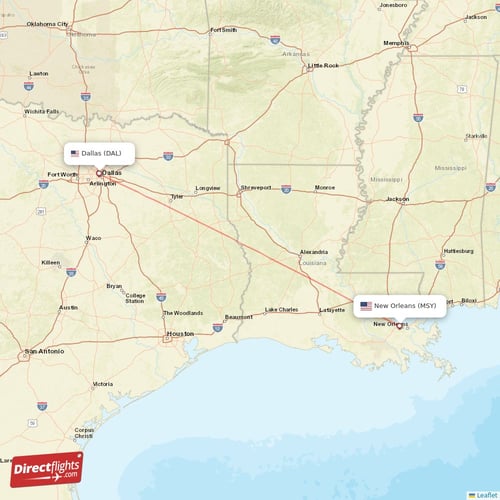
The Journey: Distance and Travel Options Between Two Dynamic Cities
The geographic span separating New Orleans and Houston is approximately 350 miles (560 kilometers), making it a manageable distance for various travel preferences. The travel time can fluctuate significantly based on your chosen mode of transport, traffic conditions, and the specific route taken, typically ranging from a quick flight to a leisurely road trip or a relaxed bus or train journey. Each option presents its own set of advantages, catering to different budgets, schedules, and travel styles.
Driving: The Most Common Route and Scenic Stops
For many travelers, driving remains the most popular and flexible way to traverse the distance between these two iconic cities. The primary route involves taking Interstate 10 West from New Orleans to Houston, or East if traveling in the opposite direction. This journey typically takes between 5.5 to 7 hours without significant stops, though traffic, particularly around major cities like Baton Rouge and Lake Charles in Louisiana, can extend this considerably.
The drive itself offers a unique perspective on the Gulf Coast landscape, transitioning from Louisiana’s marshlands and bayous to Texas’s more expansive plains. This route allows for spontaneous detours and opportunities to experience regional charm. For instance, a stop in Lafayette, Louisiana, offers a deep dive into Cajun culture with its vibrant music, dance, and distinct culinary scene. Visitors can explore Acadian Village or indulge in authentic Cajun food at local eateries. Further west, Lake Charles provides opportunities for gaming and outdoor activities along its lakes and rivers. Those with more time might consider a slight deviation to explore the smaller coastal towns, soaking in the relaxed pace and local seafood. Road-tripping also offers the benefit of carrying more luggage and the freedom to explore beyond the city centers, making it an excellent choice for families or those on a longer vacation.
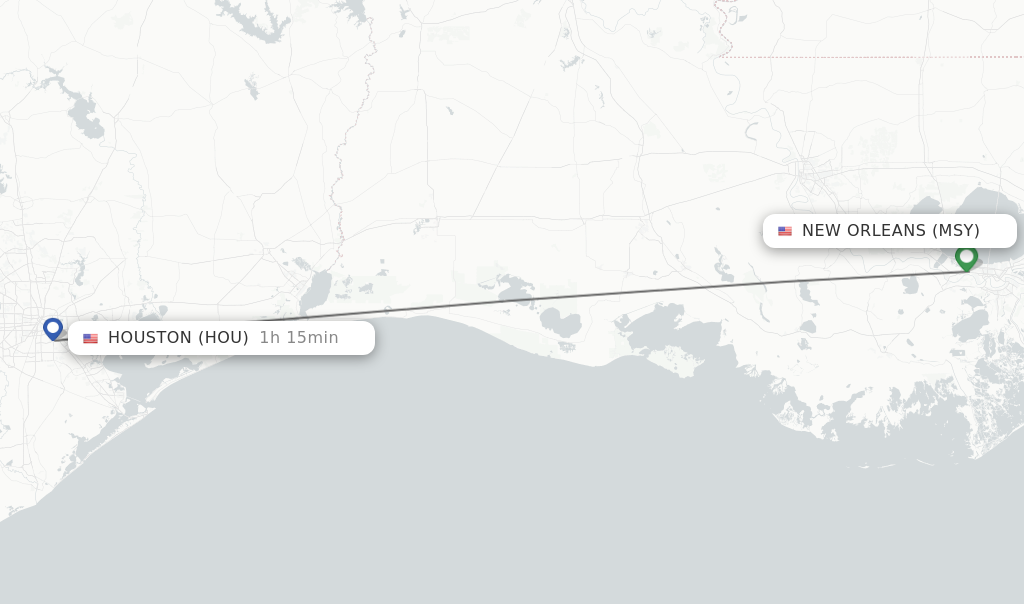
Flying: The Quickest Way to Bridge the Gap
For travelers prioritizing speed and convenience, flying is undoubtedly the fastest option. Direct flights between Louis Armstrong New Orleans International Airport (MSY) and Houston’s major airports—George Bush Intercontinental Airport (IAH) and William P. Hobby Airport (HOU)—typically last around 1 hour and 15 minutes to 1 hour and 30 minutes. When accounting for airport check-ins, security, and travel to and from the airports, the total door-to-door travel time generally comes out to around 4-5 hours.
Numerous airlines operate on this route, providing a range of choices for schedules and fares. While potentially more expensive than driving, especially if booking last minute, flying can be cost-effective if tickets are purchased in advance or during promotional periods. This option is ideal for business travelers, those with limited time, or individuals who prefer to minimize travel fatigue, allowing them more time to enjoy their destination. Furthermore, the efficiency of air travel means less time spent on the road and more time exploring the unique attractions each city has to offer.
Bus and Train: Budget-Friendly Alternatives
For those seeking more economical or environmentally conscious travel options, both bus and train services connect New Orleans and Houston.
Bus Travel: Several bus companies, most notably Greyhound, operate daily services between the two cities. Bus journeys are considerably longer than driving or flying, typically taking anywhere from 8 to 10 hours, sometimes more, depending on the number of stops and transfers. While slower, bus travel is often the most budget-friendly choice, making it popular among students, backpackers, and travelers on a strict budget. It also offers a chance to relax, read, or catch up on work without the stresses of driving.
Train Travel: Amtrak provides a train service connecting New Orleans and Houston as part of its Sunset Limited route. This journey offers a more scenic and comfortable alternative to bus travel, allowing passengers to stretch their legs, enjoy dining car services, and take in the changing landscapes from a different vantage point. However, train travel is generally slower than driving and flying, with typical journey times ranging from 8 to 9 hours, not including potential delays. Despite the longer duration, the train offers a unique, nostalgic travel experience, appealing to those who enjoy a slower pace and the romance of rail travel. It’s a fantastic way to witness the Gulf Coast’s diverse ecosystems unfold outside your window.
Exploring New Orleans: A Cultural Odyssey
Once you arrive in New Orleans, you step into a world unlike any other in the United States. Known for its vibrant music scene, distinctive Creole cuisine, and unique blend of French, Spanish, and African cultures, the city promises an immersive cultural experience.
Must-See Landmarks and Attractions
The heart of New Orleans is undoubtedly the French Quarter, a historic district renowned for its colorful architecture, wrought-iron balconies, and lively atmosphere. Within its grid, Jackson Square stands as a historic landmark, flanked by the majestic St. Louis Cathedral, the oldest continuously active cathedral in the United States. A short stroll leads to Bourbon Street, famous for its exuberant nightlife and live jazz clubs, offering a taste of the city’s ceaseless celebratory spirit.
Beyond the revelry, visitors can explore the stately mansions and oak-lined streets of the Garden District, easily accessible via a charming streetcar ride. This area offers a glimpse into the city’s opulent past and a tranquil escape from the bustling French Quarter. Nearby, Magazine Street is a haven for shoppers and art enthusiasts, boasting a six-mile stretch of boutiques, galleries, and antique shops. For nature lovers, Audubon Park and City Park provide expansive green spaces, perfect for leisurely strolls, picnics, or even a paddle boat ride. History buffs will find the National WWII Museum a compelling and poignant experience, detailing the American effort in World War II with remarkable depth and sensitivity.
Culinary Delights and Local Culture
New Orleans’s culinary scene is a destination in itself. From savory gumbo and jambalaya to spicy Cajun food and rich Creole cuisine, the city is a paradise for foodies. No visit is complete without sampling beignets and café au lait at Café Du Monde or indulging in a po’boy sandwich from a local deli. Fine dining options abound, with renowned chefs elevating traditional dishes to new heights, while neighborhood joints serve up comforting, authentic flavors.
Music is the soul of New Orleans. Live jazz spills from the clubs on Frenchmen Street, offering a more local and intimate musical experience than Bourbon Street. Legendary venues like Preservation Hall continue to uphold the city’s jazz traditions. Throughout the year, New Orleans hosts numerous festivals, with Mardi Gras and the New Orleans Jazz & Heritage Festival (Jazz Fest) being the most famous, drawing crowds from around the globe and showcasing the city’s vibrant spirit and rich artistic heritage. A riverboat cruise on the Mississippi River provides a relaxing way to see the city’s skyline and learn about its historical significance as a port city.
Accommodation Options in New Orleans
New Orleans offers a diverse array of accommodation choices, catering to every budget and preference. From historic boutique hotels nestled in the French Quarter to luxurious resorts offering modern amenities, visitors can find the perfect home base for their adventures.
For those seeking an immersive experience, staying in the French Quarter or its immediate vicinity puts you steps away from the main attractions. Hotels like the iconic Hotel Monteleone with its famous Carousel Bar, or the sophisticated The Roosevelt Hotel New Orleans, A Waldorf Astoria Hotel, offer a blend of historic charm and luxury. Boutique hotels such as the W Hotel French Quarter provide stylish accommodations with a modern flair.
For a quieter, more upscale stay, the Garden District or the Arts/Warehouse District offer elegant options, often featuring repurposed historic buildings into chic hotels and apartments. Budget-conscious travelers will find numerous guesthouses, hostels, and more affordable hotels slightly outside the main tourist hubs, particularly in areas like Mid-City or near the Garden District, with easy streetcar access to downtown. For longer stays or family trips, consider booking a vacation rental or apartment to experience local living and benefit from additional space and kitchen facilities. Many properties boast unique architectural features, private courtyards, and a truly authentic New Orleans ambiance, ensuring your stay is as memorable as the city itself.
Discovering Houston: A Metropolis of Diversity
In stark contrast to New Orleans’s historic charm, Houston presents itself as a sprawling, modern metropolis. As the fourth-largest city in the United States, it’s a hub of international business, space exploration, and a melting pot of cultures, offering an equally rich, albeit different, spectrum of experiences.
Top Attractions and Experiences
Houston’s most celebrated landmark is undoubtedly Space Center Houston, the official visitor center of NASA Johnson Space Center. Here, visitors can touch a moon rock, explore a replica space shuttle, and witness the ongoing marvels of human spaceflight, making it an inspiring visit for all ages.
The Museum District is another cornerstone of Houston’s cultural offerings, boasting 19 museums within walking distance, including the acclaimed Houston Museum of Natural Science and the Museum of Fine Arts, Houston. Adjacent to the Museum District, Hermann Park provides an urban oasis with its Houston Zoo, Japanese Garden, and ample green space for relaxation.
For outdoor enthusiasts and families, Discovery Green, an urban park in Downtown Houston, offers year-round activities, from ice skating in winter to free concerts and fitness classes in warmer months. Shoppers will find their paradise in The Galleria in Uptown Houston, an upscale shopping mall housing hundreds of stores, restaurants, and an indoor ice rink.
Dining and Urban Lifestyle
Houston’s culinary scene is as diverse as its population. With influences from across the globe, especially Mexican, Vietnamese, and other Asian cuisines, the city is a gastronomic hotspot. From award-winning fine dining establishments to casual food trucks, there’s an endless array of options. Houston is particularly known for its Tex-Mex and barbecue, offering authentic flavors that reflect its Texas roots.
The urban lifestyle in Houston is dynamic and modern. The city’s various districts, like Downtown Houston, Midtown Houston, and Uptown Houston, each possess distinct personalities, from bustling business centers to vibrant nightlife and residential areas. The performing arts scene thrives with resident companies for opera, ballet, and theater, while live music venues cater to all tastes. Houston is also a major sporting city, home to professional teams in baseball, basketball, and football, offering numerous opportunities to catch a game. Annual events like the Houston Livestock Show and Rodeo provide a quintessential Texas experience, combining cowboy culture with entertainment and competition.
Where to Stay in Houston
Accommodation in Houston mirrors its vastness and diversity, ranging from opulent luxury hotels to practical extended-stay options and family-friendly resorts. The choice of where to stay often depends on the purpose of your visit and preferred proximity to attractions.
For business travelers or those seeking a vibrant urban experience, Downtown Houston offers an array of high-rise hotels like the Marriott Marquis Houston, known for its Texas-shaped lazy river. These hotels provide excellent access to convention centers, sports arenas, and the Theater District. Luxury seekers might prefer Uptown Houston, particularly around The Galleria, home to upscale properties such as the Four Seasons Hotel Houston and the opulent The Post Oak Hotel at Uptown Houston, offering world-class amenities, fine dining, and premier shopping.
The Museum District area is ideal for cultural tourists, providing a quieter ambiance with easy access to museums and parks. Families may gravitate towards hotels near Hermann Park or those with kid-friendly amenities. For longer stays or those on a budget, look for apartment hotels or extended-stay properties in various neighborhoods, often equipped with kitchenettes and laundry facilities. Houston’s extensive public transport, though not as comprehensive as some older cities, combined with ride-sharing options, makes most parts of the city accessible regardless of your chosen accommodation area.
Planning Your Trip: Tips for a Seamless Experience
Successfully navigating a trip between New Orleans and Houston involves thoughtful planning. Considering factors like the best time to visit, budgeting, and how to combine the unique offerings of both cities will enhance your overall travel experience.
Best Time to Visit
The Gulf Coast region experiences hot, humid summers and mild winters. Therefore, the ideal time to visit either New Orleans or Houston is during the spring (March to May) and fall (September to November). During these seasons, temperatures are pleasant, making it comfortable for sightseeing and outdoor activities. Spring in New Orleans is particularly famous for Mardi Gras (usually February or March) and Jazz Fest (April/May), which draw massive crowds and require advance booking for flights and accommodations. Similarly, Houston hosts the Houston Livestock Show and Rodeo in early spring. Winter (December to February) also offers mild weather, perfect for avoiding the summer heat, though some attractions might have reduced hours. Summers can be intensely hot and humid, with a higher chance of tropical storms, making indoor activities more appealing. However, summer travel often means lower prices for hotels and fewer crowds outside of peak events.
Budgeting and Travel Styles
Your budget will largely dictate your travel style and choices between these two cities. For luxury travel, both cities offer five-star hotels, gourmet dining, and exclusive experiences, though New Orleans offers a more historically opulent charm while Houston leans towards modern luxury. Budget travelers can find numerous hostels, guesthouses, and affordable dining options, especially if they venture slightly outside the main tourist areas. Driving or taking the bus tends to be the most budget-friendly transport option.
For family trips, consider the interests of all members. New Orleans offers historical tours, Audubon Park attractions, and unique cultural experiences, while Houston shines with its Space Center Houston, Museum District, and Houston Zoo. Planning activities that cater to different age groups will ensure everyone has a memorable time. Business stays in Houston are common, with many corporate hotels and amenities, while New Orleans also caters to conventions, often blending work with leisure. Regardless of your travel style, booking accommodations and major attractions in advance, especially during peak season or festivals, is highly recommended to secure better rates and availability.
Combining the Two Cities: A Diverse Itinerary
Visiting both New Orleans and Houston in one trip offers an unparalleled opportunity to experience the diverse tapestry of the American South and Southwest. You can start your journey immersed in the old-world charm, jazz, and unique gastronomy of New Orleans, then transition to the futuristic innovation, global cuisine, and urban sophistication of Houston.
A possible itinerary could involve spending 3-4 days in New Orleans exploring the French Quarter, Garden District, and culinary delights, followed by a convenient flight or a scenic drive to Houston for another 3-4 days to visit Space Center Houston, the Museum District, and indulge in its diverse dining scene. This combination ensures a balanced trip that showcases both historical depth and modern progress, offering a rich and varied travel experience that caters to a wide range of interests.
In conclusion, the journey from New Orleans to Houston is more than just a matter of distance; it’s an invitation to explore two distinct yet equally captivating facets of American culture. Whether you opt for the efficiency of a flight, the adventure of a road trip, or the leisurely pace of a train, the destination promises a rewarding experience. Each city offers a treasure trove of attractions, unique flavors, and a vibrant lifestyle that will undoubtedly leave a lasting impression on every traveler.
LifeOutOfTheBox is a participant in the Amazon Services LLC Associates Program, an affiliate advertising program designed to provide a means for sites to earn advertising fees by advertising and linking to Amazon.com. Amazon, the Amazon logo, AmazonSupply, and the AmazonSupply logo are trademarks of Amazon.com, Inc. or its affiliates. As an Amazon Associate we earn affiliate commissions from qualifying purchases.