
For sports enthusiasts and travel aficionados alike, experiencing a live New Orleans Saints game is more than just attending a football match; it’s an immersion into the vibrant culture and unparalleled energy of the Crescent City. The roar of the “Who Dat” chant echoing through the Caesars Superdome is an unforgettable sound, symbolizing the deep-seated passion this city holds for its team. But beyond the immediate thrill of gameday, planning a trip around a Saints game offers a unique opportunity to explore one of America’s most distinctive destinations. From its historic neighborhoods and world-renowned cuisine to its soulful music scene and lively festivals, New Orleans promises an enriching travel experience that perfectly complements the excitement of NFL action.
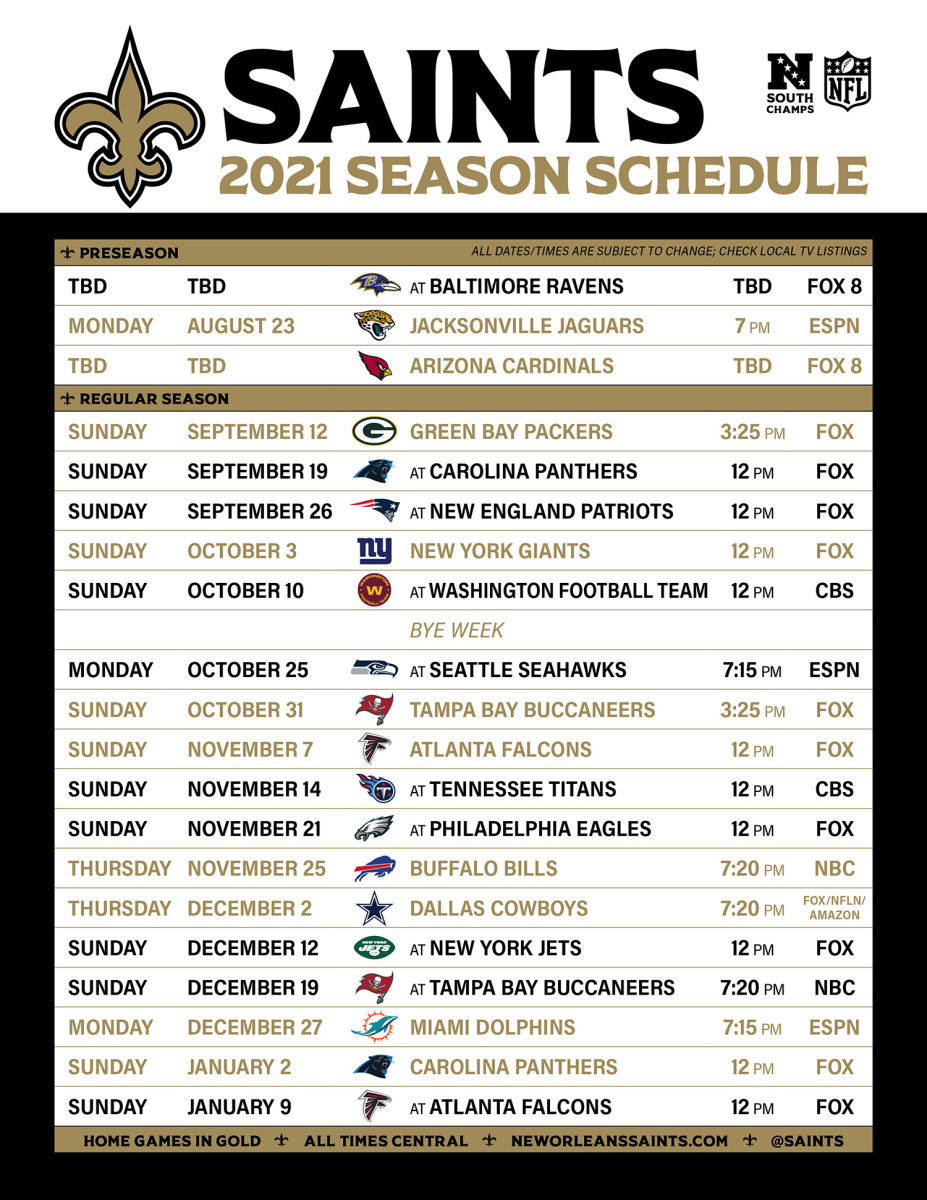
The simple answer to “When do the New Orleans Saints play football?” is primarily during the NFL regular season, which typically spans from early September through early January. However, this period can extend into August for pre-season games and into January and February for playoff matchups, should the Saints qualify. Deciding which game to attend and when to visit transforms into a strategic planning exercise, allowing travelers to synchronize their love for football with an unforgettable New Orleans adventure. This guide will delve into the football schedule, optimal travel times, and how to combine your passion for the Saints with a comprehensive exploration of this magical city, covering everything from accommodation and local attractions to culinary delights and essential travel tips.
The Thrill of a Saints Game: Planning Your Visit
Attending a New Orleans Saints game is an experience unlike any other in professional sports. The energy inside the Caesars Superdome is legendary, fueled by a fanbase that is as devoted as it is vibrant. For any football fan, aligning a trip to New Orleans with a home game is a bucket-list item, but understanding the intricate details of the NFL calendar and the local gameday culture is key to maximizing your visit.
Understanding the NFL Schedule
The NFL season is structured into several distinct phases, each offering a different type of experience for fans:
- Pre-Season (August): This typically involves four exhibition games, two of which are usually played at home in the Caesars Superdome. While the stakes are lower, pre-season games offer a more affordable way to experience the gameday atmosphere and see new players or returning veterans. It’s a great option for travelers on a budget or those simply looking to soak in the local enthusiasm without the intense pressure of a regular-season match.
- Regular Season (Early September – Early January): This is the heart of the NFL calendar. The Saints play 17 regular-season games, meaning they will host 8 or 9 home games in New Orleans. These games are highly anticipated and often sell out quickly. The schedule, usually released in May, outlines specific dates, times, and opponents, allowing ample time for travelers to plan their trip, book flights, and secure accommodation. Weekend games (Sundays) are the most common, but Thursday or Monday night games offer a unique prime-time atmosphere.
- Playoffs (January – February): Should the Saints perform well enough to clinch a playoff berth, their season extends into the highly competitive playoff rounds. Home playoff games are electrifying, with an even greater sense of urgency and community spirit. Tickets for these games are premium and can be challenging to acquire, but the experience is unparalleled for a true fan. The season culminates with the Super Bowl in early February, hosted at a predetermined neutral site.
Booking tickets and accommodation far in advance, especially for popular matchups or late-season games with playoff implications, is highly recommended to secure the best seats and prices.
The Gameday Experience at Caesars Superdome
The Caesars Superdome, an iconic landmark in downtown New Orleans, transforms into a sea of black and gold on game days. The experience begins long before kickoff with the vibrant tradition of tailgating. Fans gather in parking lots and surrounding areas, grilling classic Louisiana fare, playing music, and sharing the camaraderie that defines the Saints fanbase. Even if you’re not tailgating yourself, walking through the throngs of passionate fans is an experience in itself, offering a glimpse into the local culture.
Inside the dome, the atmosphere is electric. The collective “Who Dat!” chant, a rallying cry for the Saints, is deafening and infectious, making visitors feel like part of the family. The stadium offers a wide array of food and beverage options, from classic stadium fare to local specialties. Navigating to the Caesars Superdome is convenient, with options including walking from nearby hotels, public transportation, or ride-sharing services. For those driving, parking can be reserved in advance, though it’s often pricey and traffic can be heavy.
Best Time to Visit New Orleans for Football
Choosing the optimal time to visit New Orleans for a Saints game involves considering both the football schedule and the city’s general climate and event calendar.
- Fall (September – November): This period aligns perfectly with the bulk of the NFL regular season and is often considered the best time to visit New Orleans. The intense summer heat begins to subside, leading to more comfortable temperatures and lower humidity, ideal for exploring the city on foot. While early September can still be warm, by October and November, the weather is typically pleasant, making it perfect for enjoying outdoor activities and strolls through historic districts. This season also sees fewer large-scale festivals than spring, meaning slightly less crowded conditions outside of game weekends.
- Early Winter (December – Early January): As the regular season winds down and playoff hopes intensify, December and early January offer cooler temperatures, often requiring just a light jacket. This time of year also brings a festive atmosphere to the city, with holiday decorations and events adding to the charm. While the weather is generally mild, it’s wise to pack layers as temperatures can fluctuate. This period is particularly exciting if the Saints are making a strong playoff push, adding an extra layer of excitement to your visit.
Avoiding the peak summer months (June-August) is advisable due to extreme heat and humidity, which can make extended outdoor exploration uncomfortable, even if a pre-season game piques your interest. Similarly, if your primary goal is a Saints game, be mindful of major city events like Mardi Gras (typically February or March), as these can drive up hotel prices and make booking difficult, irrespective of football schedules.
Beyond the Gridiron: Exploring New Orleans’ Charms
While a Saints game might be the initial draw, New Orleans offers a wealth of attractions and experiences that will enrich any visit. The city is a mosaic of cultures, histories, and traditions, promising something for every type of traveler.
Iconic Landmarks and Districts
No trip to New Orleans is complete without wandering through its legendary neighborhoods:
- French Quarter: The historic heart of New Orleans is a must-see. Its narrow streets are lined with colorful Creole townhouses featuring intricate ironwork balconies. Here you’ll find the lively Bourbon Street with its iconic music clubs and bars, though quieter, more historic areas are just a block away. Jackson Square, dominated by the majestic St. Louis Cathedral, is a hub for artists and street performers. Don’t miss a stop at Café Du Monde for beignets and chicory coffee, an essential New Orleans experience.
- Garden District: A stark contrast to the French Quarter, this upscale neighborhood boasts stunning antebellum mansions and lush gardens. Take a historic streetcar ride along St. Charles Avenue for a picturesque tour, or opt for a walking tour to learn about its famous residents and unique architecture.
- Faubourg Marigny and Bywater: Adjacent to the French Quarter, these districts offer a more bohemian and local vibe. Known for their vibrant music scene, particularly along Frenchmen Street, they provide an authentic taste of New Orleans’ contemporary culture and art scene.
- Audubon Park and Audubon Zoo: For a relaxing break, these green spaces offer beautiful landscapes, walking paths, and family-friendly attractions like the zoo.
A Culinary Journey Through the Crescent City
New Orleans is a culinary capital, renowned for its distinct Creole and Cajun cuisines. Food here is an art form, deeply intertwined with the city’s history and diverse cultural influences.
- Signature Dishes: You must try classics like rich gumbo, flavorful jambalaya, spicy étouffée, and hearty po’boys. Fresh seafood, particularly oysters and shrimp, is abundant and prepared in countless delicious ways.
- Famous Restaurants: Indulge in fine dining at institutions like Commander’s Palace in the Garden District, known for its Haute Creole cuisine and impeccable service. Galatoire’s on Bourbon Street offers a classic French Quarter dining experience, while Emeril’s New Orleans in the Warehouse District showcases celebrity chef Emeril Lagasse’s innovative approach to local flavors.
- Local Markets: For a more casual culinary adventure, explore the French Market, America’s oldest public market, offering everything from fresh produce and seafood to crafts and prepared foods.
Music and Culture: The Soul of New Orleans
Music is the heartbeat of New Orleans, with jazz, blues, and brass bands filling the air at all hours.
- Live Music: Frenchmen Street in Faubourg Marigny is the epicenter of live music, with numerous clubs offering performances nightly. From intimate jazz sets to high-energy funk bands, there’s a rhythm for every taste.
- Historical and Cultural Tours: Delve into the city’s unique history with a Voodoo tour, a ghost tour, or a swamp and bayou tour to experience the natural beauty of the surrounding Louisiana wetlands.
- Museums: For history buffs, the National WWII Museum is a world-class institution offering a powerful and moving experience. The New Orleans Museum of Art and the Ogden Museum of Southern Art provide cultural enrichment.
Accommodation and Travel Tips for Your Saints Game Getaway
Ensuring a comfortable and stress-free trip to New Orleans for a Saints game requires careful planning, especially when it comes to accommodation and local logistics.
Choosing Your Perfect Stay in New Orleans
New Orleans offers a diverse range of accommodation options, from luxurious hotels to charming boutique guesthouses, catering to every budget and travel style.
- Luxury Hotels: For an opulent experience, consider stays like The Roosevelt New Orleans, A Waldorf Astoria Hotel, known for its historic grandeur and Sazerac Bar, or Hotel Monteleone in the French Quarter, home to the famous Carousel Bar.
- Boutique Hotels: Numerous charming boutique hotels offer a more intimate and personalized stay. Options like Hotel Provincial and Hotel Mazarin provide unique character and often blend historic architecture with modern amenities.
- Budget-Friendly Options: Travelers on a tighter budget can find value in guesthouses, hostels, or smaller hotels outside the immediate French Quarter, particularly in areas like the Garden District or even further afield with easy streetcar access.
- Neighborhoods to Consider:
- French Quarter: Ideal for those who want to be in the heart of the action, close to historic sites, restaurants, and nightlife. Be prepared for a lively atmosphere.
- Warehouse District: Offers a more contemporary vibe with art galleries, trendy restaurants, and easy access to the Caesars Superdome and the National WWII Museum.
- Garden District: Quieter and more residential, known for its beautiful mansions and upscale charm, a streetcar ride away from the hustle and bustle.
- Uptown/Downtown: Depending on your preference, other districts offer a more local feel, often with excellent dining and music spots, typically requiring more reliance on public transport or ride-sharing.
Booking Advice: It is crucial to book your accommodation well in advance, especially if you plan to visit during a popular Saints home game weekend or during any major city festival. Prices can skyrocket and availability can dwindle quickly. Comparison websites and direct hotel bookings are recommended to find the best rates and secure your ideal stay.
Navigating New Orleans: Transport and Logistics
Getting to and around New Orleans is relatively straightforward, enhancing your overall travel experience.
- Arrival by Air: Most visitors fly into Louis Armstrong New Orleans International Airport (MSY). From there, you can take a taxi, shuttle service, or ride-share to your accommodation. The airport is approximately 30-45 minutes from downtown New Orleans, depending on traffic.
- Public Transportation: The historic streetcar system is not only charming but also an efficient way to travel between key districts like the French Quarter, Central Business District, and Garden District. Buses cover wider areas. A Jazzy Pass allows for unlimited rides over a set period.
- Walking and Cycling: Many of New Orleans’ most famous attractions are concentrated within walkable districts. Exploring the French Quarter or Garden District on foot is often the best way to soak in the atmosphere. Bicycle rentals are also available for those wishing to cover more ground at their own pace.
- Ride-Sharing and Taxis: Services like Uber and Lyft are readily available, as are traditional taxis, providing convenient options for getting around, especially late at night or when traveling longer distances.
Essential Travel Planning Advice
To make your New Orleans and Saints game adventure seamless, consider these additional tips:
- Pack Smart: Even in fall and winter, New Orleans can be humid. Pack lightweight, breathable clothing, comfortable walking shoes, and layers for fluctuating temperatures. Don’t forget rain gear, as sudden showers can occur.
- Stay Hydrated: With all the walking and potentially warm weather, staying hydrated is crucial. Carry a reusable water bottle.
- Safety First: While New Orleans is a welcoming city, like any major tourist destination, it’s wise to be aware of your surroundings, especially at night. Stick to well-lit, populated areas and be mindful of your belongings.
- Budgeting: Factor in costs for game tickets, accommodation, dining, tours, and souvenirs. New Orleans offers options for all budgets, but popular game weekends can be pricier.
- Travel Insurance: For significant trips, especially those involving multiple bookings, consider travel insurance to protect against unforeseen cancellations or emergencies.
A trip to see the New Orleans Saints play football is more than just a sports excursion; it’s an invitation to experience one of America’s most enchanting and vibrant cities. By timing your visit with the NFL season, especially during the pleasant fall and early winter months, you can immerse yourself in the unparalleled excitement of gameday while also savoring the rich history, distinctive cuisine, and soul-stirring music that make New Orleans truly unique. From the thunderous “Who Dat” chant to the quiet charm of a French Quarter courtyard, every moment in the Crescent City promises to be an adventure. Plan your journey carefully, embrace the local spirit, and get ready for a travel experience that combines the thrill of professional football with the unforgettable magic of New Orleans.
LifeOutOfTheBox is a participant in the Amazon Services LLC Associates Program, an affiliate advertising program designed to provide a means for sites to earn advertising fees by advertising and linking to Amazon.com. Amazon, the Amazon logo, AmazonSupply, and the AmazonSupply logo are trademarks of Amazon.com, Inc. or its affiliates. As an Amazon Associate we earn affiliate commissions from qualifying purchases.