
New Orleans, a city pulsating with vibrant culture, historic architecture, and a culinary scene unlike any other, draws millions of visitors each year. From the lively jazz clubs of Bourbon Street to the serene beauty of the Garden District, there’s an undeniable allure that captivates every traveler. However, like any destination with a unique geographical location, New Orleans has specific seasonal considerations that prospective visitors must understand. Chief among these is hurricane season, a period that can significantly impact travel plans and experiences. For those planning a trip to this enchanting Louisiana gem, being aware of when hurricane season occurs, what it entails, and how to prepare is not just recommended, it’s essential. This comprehensive guide will equip you with all the knowledge needed to navigate travel to New Orleans safely and enjoyably, regardless of the time of year. We’ll delve into the official dates, peak periods, preparedness strategies, and how to still savor the city’s unique offerings even during potentially challenging weather.
Understanding New Orleans’ Hurricane Season: What Travelers Need to Know
Hurricane season is a critical consideration for anyone planning a visit to New Orleans. Situated on the Mississippi River delta and close to the Gulf of Mexico, the city is susceptible to tropical weather systems. Understanding the official timeline and the factors that influence storm activity is the first step in responsible travel planning.
The Official Dates: June to November
The official Atlantic hurricane season, which directly impacts the United States Gulf Coast, runs annually from June 1st to November 30th. During these six months, conditions in the Atlantic Ocean, the Caribbean Sea, and the Gulf of Mexico are conducive to the formation and intensification of tropical depressions, tropical storms, and hurricanes. While storms can technically form outside this window, the vast majority occur within these dates.
For travelers, this means that any trip planned between early June and late November carries a degree of risk regarding tropical weather. It doesn’t mean a storm will definitely hit, or even that your trip will be significantly affected, but it necessitates a higher level of awareness and preparedness than travel during other times of the year. The initial and final months of the season (June, July, November) typically see lower activity compared to the core months, but the potential for severe weather is always present.

Peak Activity: August and September
Within the six-month season, there’s a distinct period of heightened activity known as the “peak hurricane season.” For New Orleans and the broader Gulf Coast, this peak typically falls between mid-August and late September. Historically, some of the most powerful and memorable hurricanes have made landfall or significantly impacted the region during these two months.
Why this peak? During August and September, ocean water temperatures are at their warmest, providing ample fuel for developing storms. Additionally, atmospheric conditions, such as wind shear (changes in wind speed or direction with altitude), tend to be more favorable for hurricane formation and strengthening. Travelers considering a visit during this period should be particularly vigilant. This doesn’t mean avoiding New Orleans entirely during August or September, but it does underscore the importance of meticulous planning, flexible booking options, and comprehensive travel insurance. Expect higher humidity and hotter temperatures during these months, even without a storm threat, which can also influence your daily activities and comfort level.
Beyond the Calendar: Factors Influencing Storm Activity
While the official dates provide a framework, the actual intensity and frequency of storms in any given year are influenced by a complex interplay of meteorological phenomena. These factors are monitored closely by agencies like the National Hurricane Center (NHC) and the National Weather Service, whose forecasts are crucial for residents and travelers alike.
Key influencing factors include:
- Sea Surface Temperatures: Warmer waters provide more energy for hurricanes. Anomalously warm waters in the Gulf of Mexico or the Atlantic Ocean can lead to a more active season.
- El Niño and La Niña: These are climate patterns in the Pacific Ocean that can affect weather worldwide. El Niño conditions typically increase wind shear over the Atlantic, suppressing hurricane activity. Conversely, La Niña conditions often reduce wind shear, leading to more active hurricane seasons.
- Saharan Dust Layer: Dry, dusty air blowing off the Sahara Desert can suppress storm formation and intensification in the eastern Atlantic, especially earlier in the season.
- Clipper Systems: While not directly hurricane-related, mid-latitude weather systems can sometimes interact with tropical disturbances, influencing their track and intensity.
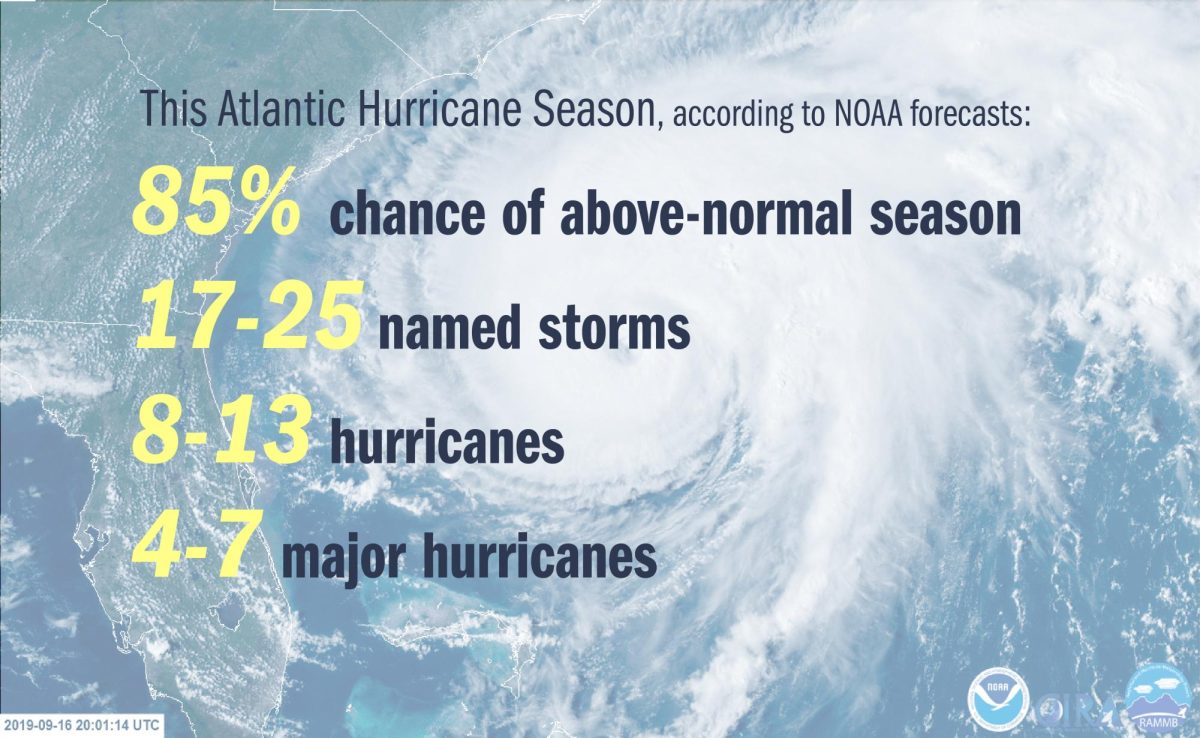
For the average traveler, understanding these factors means staying informed about seasonal outlooks released by experts. These long-range forecasts, though not precise, can offer an indication of whether a particular season is expected to be above, near, or below average in terms of storm activity. This information can be a valuable tool in deciding whether to book a trip during the hurricane season, particularly during the peak months.
Preparing for Travel During Hurricane Season: Essential Tips for Visitors
Traveling to New Orleans during hurricane season requires a proactive approach. While the city is incredibly resilient and most visits during this period are uneventful, being prepared can make all the difference should a storm threaten your plans. This section provides actionable advice for before and during your trip.
Before You Go: Research and Insurance
Thorough preparation begins long before you pack your bags.
- Monitor Forecasts Diligently: Start tracking tropical weather forecasts as soon as you book your trip, especially if it falls within the peak season. The National Hurricane Center website is the authoritative source. Pay attention to any advisories or watches issued for the Gulf of Mexico region.
- Invest in Comprehensive Travel Insurance: This is perhaps the most crucial advice for hurricane season travel. Ensure your policy covers trip cancellation or interruption due to weather events, including hurricanes. Read the fine print carefully: some policies have cut-off dates for purchasing coverage once a storm is named or threatens a region. It’s best to buy insurance as soon as you book your travel. Look for policies that cover non-refundable flights, accommodations, and pre-paid activities.
- Flexible Bookings: Whenever possible, choose flights and hotels that offer free cancellation or rebooking options. Many airlines and hotels understand the uncertainties of hurricane season and may offer waivers if a named storm is approaching. Always confirm their specific policies at the time of booking.
- Accommodation Research: When selecting your hotel or other accommodation, inquire about their hurricane preparedness plans. Do they have generators? What is their evacuation policy? High-rise hotels in the downtown area often have robust plans, but it’s good to be informed. Consider booking a hotel with amenities like pools or spas, which could offer some solace if a storm brings rain but not severe winds.
- Pack Smart: In addition to your regular travel essentials, consider packing a small emergency kit with essential medications, a portable charger for your phone, a flashlight, and comfortable shoes. You might also want to pack rain gear, even if a storm isn’t on the horizon, as summer in New Orleans can bring sudden downpours.
During Your Stay: Stay Informed and Have a Plan
Once you’re in New Orleans, remaining vigilant and knowing what to do if a storm approaches is paramount.
- Stay Connected to Local Information: Follow local news outlets, weather apps, and the official City of New Orleans emergency preparedness channels on social media or their website. The National Weather Service office for New Orleans is another excellent resource.
- Understand Alert Levels: Familiarize yourself with the differences between a Tropical Storm Watch/Warning and a Hurricane Watch/Warning. A “watch” means conditions are possible within 48 hours, while a “warning” means conditions are expected within 36 hours. These alerts are your cue to finalize your plans.
- Communicate with Your Hotel/Accommodation: Your hotel will have specific emergency procedures. Ask the front desk staff upon arrival about their plan in case of a storm, including evacuation routes, shelter-in-place instructions, and communication protocols. If you’re staying in an Airbnb or private rental, ensure you have direct contact information for your host and understand their emergency plan.
- Have an Emergency Plan: Discuss with your travel companions what you would do if an evacuation order were issued. This includes understanding transportation options (public transport may be suspended), having essential documents (IDs, travel insurance info) easily accessible, and a method for quickly contacting family and friends. Keep your gas tank full if you have a rental car.
- Avoid the Water: During storm threats, avoid swimming in the Gulf of Mexico or any coastal waters, as rip currents and dangerous surf can develop far in advance of a storm’s arrival.
Rethinking Your Travel Dates: Is it Worth the Risk?
While the potential for hurricanes is real, it’s also true that many travelers visit New Orleans during hurricane season without incident.
- The Upside: Traveling during the off-peak tourist months (which often coincide with hurricane season) can offer several advantages. You’ll typically find fewer crowds at popular attractions like Jackson Square and the French Quarter. Accommodation rates, from luxury suites in resorts to budget-friendly apartments, can be significantly lower, allowing for more affordable or even extended stays. You might also experience the city in a more relaxed, authentic way, engaging more deeply with local culture without the hustle and bustle.
- The Downside: The primary drawback is, of course, the risk of a storm disrupting your trip entirely. This could mean flight cancellations, mandatory evacuations, or simply severe weather that keeps you indoors. The extreme heat and humidity of a New Orleans summer can also be challenging for some, making outdoor activities less comfortable.
Ultimately, the decision to travel during hurricane season is a personal one, weighing the potential cost savings and fewer crowds against the inherent risks. If you are adventurous and diligent about preparedness, it can be a rewarding experience. If you prefer absolute certainty and calm weather, spring and fall might be better choices.
Experiencing New Orleans Safely: Enjoying the City Year-Round
New Orleans is a city designed to be enjoyed, and with proper planning, its unique charm can be experienced throughout the year. Even with the consideration of hurricane season, there are optimal times to visit and plenty of activities that are largely weather-proof.
Best Times to Visit Outside Hurricane Season
To truly minimize any weather-related concerns, consider visiting New Orleans during its shoulder seasons:
- Spring (February to May): This is widely considered the best time to visit. Temperatures are mild, humidity is lower, and the city buzzes with festivals. Mardi Gras typically falls in February or March, while the world-renowned New Orleans Jazz & Heritage Festival, known as Jazz Fest, takes place in late April and early May. These periods offer incredible cultural immersion but come with higher prices and larger crowds.
- Fall (Late November to January): After hurricane season concludes, New Orleans experiences another delightful period. The weather is cool and crisp, perfect for exploring the city’s historic streets. The holiday season brings festive decorations and events, offering a different but equally enchanting atmosphere. This is a great time for tourism without the peak summer heat or the risk of tropical storms.
Attractions and Activities Regardless of the Weather
Even if you find yourself in New Orleans during a rainy day or a less-than-perfect weather forecast, the city offers an abundance of indoor activities and experiences that remain vibrant:
- World-Class Museums: Dive into history and culture at institutions like The National WWII Museum, which offers a deeply moving and extensive collection. The New Orleans Museum of Art in City Park houses an impressive array of European and American art, as well as a beautiful sculpture garden. For families, the Audubon Aquarium of the Americas provides an engaging escape.
- Culinary Delights: New Orleans is a food lover’s paradise. Spend time indulging in Creole and Cajun cuisine. Take a cooking class to learn the secrets of gumbo or jambalaya. Explore the historic cafes for beignets and chicory coffee, or savor a long, leisurely meal in one of the city’s many acclaimed restaurants. These experiences are perfect regardless of the weather outside.
- Live Music Venues: The soul of New Orleans beats to the rhythm of jazz, blues, and funk. Numerous music clubs, particularly along Frenchmen Street, offer live performances nightly. These intimate settings provide an authentic New Orleans experience, sheltered from any rain or heat.
- Historic Landmarks and Architecture: While some exploration of the French Quarter or Garden District is best on foot, many historic buildings offer indoor tours. St. Louis Cathedral on Jackson Square is a magnificent landmark to visit, and many historic homes offer guided tours, providing insights into the city’s rich past and unique architectural styles.
- Shopping: From the eclectic boutiques of Magazine Street to the art galleries and antique shops in the French Quarter, shopping can be a wonderful indoor pastime.
Accommodation Choices and Their Role in Safety
Selecting the right accommodation is more than just about luxury or budget; during hurricane season, it’s also about safety and comfort.
- Hotels with Robust Emergency Plans: Large hotels and resorts, such as The Roosevelt New Orleans, A Waldorf Astoria Hotel or Hotel Monteleone, often have comprehensive hurricane preparedness plans, including backup generators, emergency food and water supplies, and clear communication protocols. They are also generally built to withstand strong weather. Properties like the Omni Royal Orleans Hotel or W New Orleans – French Quarter also provide an excellent blend of central location and reliable services.
- Higher Ground and Elevation: While much of New Orleans is at or below sea level, some areas and specific properties are on slightly higher ground. While this isn’t a guarantee against flooding in extreme events, it can offer a marginal advantage. Consider checking the elevation of your chosen accommodation.
- Amenities for Downtime: If you’re staying during a period where a storm might bring rain for a day or two, having hotel amenities like an indoor pool, a well-regarded restaurant, a fitness center, or comfortable suites with good entertainment options can significantly enhance your stay. Hotels like the Hyatt Centric French Quarter New Orleans offer these types of amenities, making even a ‘shelter-in-place’ scenario more palatable.
- Accessibility for Evacuation: If an evacuation order is issued, consider how easily you can depart. Hotels near major roadways might offer quicker access out of the city, though traffic during an evacuation is always a significant challenge.
Lifestyle and Budget Considerations During Different Seasons
The time of year you visit New Orleans can dramatically influence both your budget and the type of lifestyle experience you’ll have. Hurricane season, surprisingly, offers unique opportunities for certain types of travelers.
Budget Travel vs. Luxury Experiences
- Budget Travel Advantages: For budget-conscious travelers, hurricane season (particularly outside the peak August/September timeframe, or if you’re willing to embrace the risk) can be a golden opportunity. Accommodation prices, from standard hotel rooms to extended-stay apartments, are often at their lowest. Deals on flights can also be found. This allows for longer stays, more dining experiences, or simply a more affordable overall trip, enabling you to experience New Orleans’s local culture and attractions without breaking the bank. You might even find luxury resorts or boutique hotels offering significant discounts, making a traditionally high-end experience accessible on a more modest budget.
- Luxury Experiences: While peak season (spring) often sees higher prices for luxury travel, the off-season can present unique luxury experiences. Imagine enjoying a spacious suite in a historic hotel, taking advantage of spa services, or dining at a five-star restaurant, all with potentially fewer crowds and more attentive service. The focus might shift from large outdoor festivals to more intimate, exclusive indoor events or culinary tours.
Family Trips and Business Stays
Different travel types also have varying considerations when planning around hurricane season.
- Family Trips: For families, the unpredictability of hurricane season can be a significant deterrent. Disruptions can be particularly challenging with children. However, if flexibility is built into the travel plan (e.g., travel insurance, flexible bookings), a late summer or early fall trip could mean fewer crowds at family-friendly attractions like Audubon Park or the Audubon Aquarium of the Americas. Parents must prioritize safety and have a clear emergency plan. Indoor activities and amenities in family-friendly hotels become even more valuable.
- Business Stays: Business travelers often have less flexibility with their travel dates. If a business trip requires a visit to New Orleans during hurricane season, employers and individuals should ensure robust travel insurance is in place. Companies should also have contingency plans for their employees, including alternative communication methods and emergency contacts. Choosing hotels that cater to business travelers with reliable Wi-Fi, meeting facilities, and strong emergency protocols is essential. A business stay during this period might also mean less competition for meeting spaces and potentially better corporate rates.
In both scenarios, awareness of the weather forecast, understanding local emergency procedures, and having comprehensive travel insurance are non-negotiable aspects of responsible travel planning. The ability to adapt and pivot plans quickly is key to a successful trip during this time.
In conclusion, while the official hurricane season in New Orleans runs from June 1st to November 30th, with peak activity in August and September, this doesn’t mean you should avoid the city entirely during these months. With diligent research, smart planning, and a flexible mindset, you can still enjoy the magnetic charm of New Orleans. Prioritizing safety through travel insurance, staying informed, and choosing accommodations with robust emergency plans are your best defenses. Whether you’re drawn by the promise of fewer crowds and budget-friendly stays or prefer the certainty of spring and fall, New Orleans awaits with its unparalleled blend of history, culture, and culinary excellence, ready to offer an unforgettable experience.
LifeOutOfTheBox is a participant in the Amazon Services LLC Associates Program, an affiliate advertising program designed to provide a means for sites to earn advertising fees by advertising and linking to Amazon.com. Amazon, the Amazon logo, AmazonSupply, and the AmazonSupply logo are trademarks of Amazon.com, Inc. or its affiliates. As an Amazon Associate we earn affiliate commissions from qualifying purchases.