The question “How far is New York City from Washington Dc?” might seem straightforward, but the answer delves far deeper than a simple mileage count. It encapsulates a journey through one of the most vibrant and historically rich corridors in the United States, offering a spectrum of travel experiences from swift business trips to leisurely explorations. This stretch of the Northeast Corridor connects two of the nation’s most influential cities, each a powerhouse of culture, politics, finance, and innovation. For travelers, whether embarking on a solo adventure, a family vacation, a business engagement, or a long-term stay, understanding the distance and the nuances of travel between these iconic destinations is key to a seamless and enriching experience.
The journey between the Big Apple, a global financial and cultural hub renowned for its towering skyscrapers like the Empire State Building and the iconic Statue of Liberty, and the nation’s capital, home to the National Mall, Lincoln Memorial, and a trove of Smithsonian Museums, is a rite of passage for many. This article will explore the various facets of this distance, not just in terms of miles or kilometers, but also in the time it takes, the modes of transportation available, and the distinct travel experiences they offer, while also providing insights into accommodation, tourism, and lifestyle choices along the way.
The Geographic & Cultural Proximity: More Than Just Miles
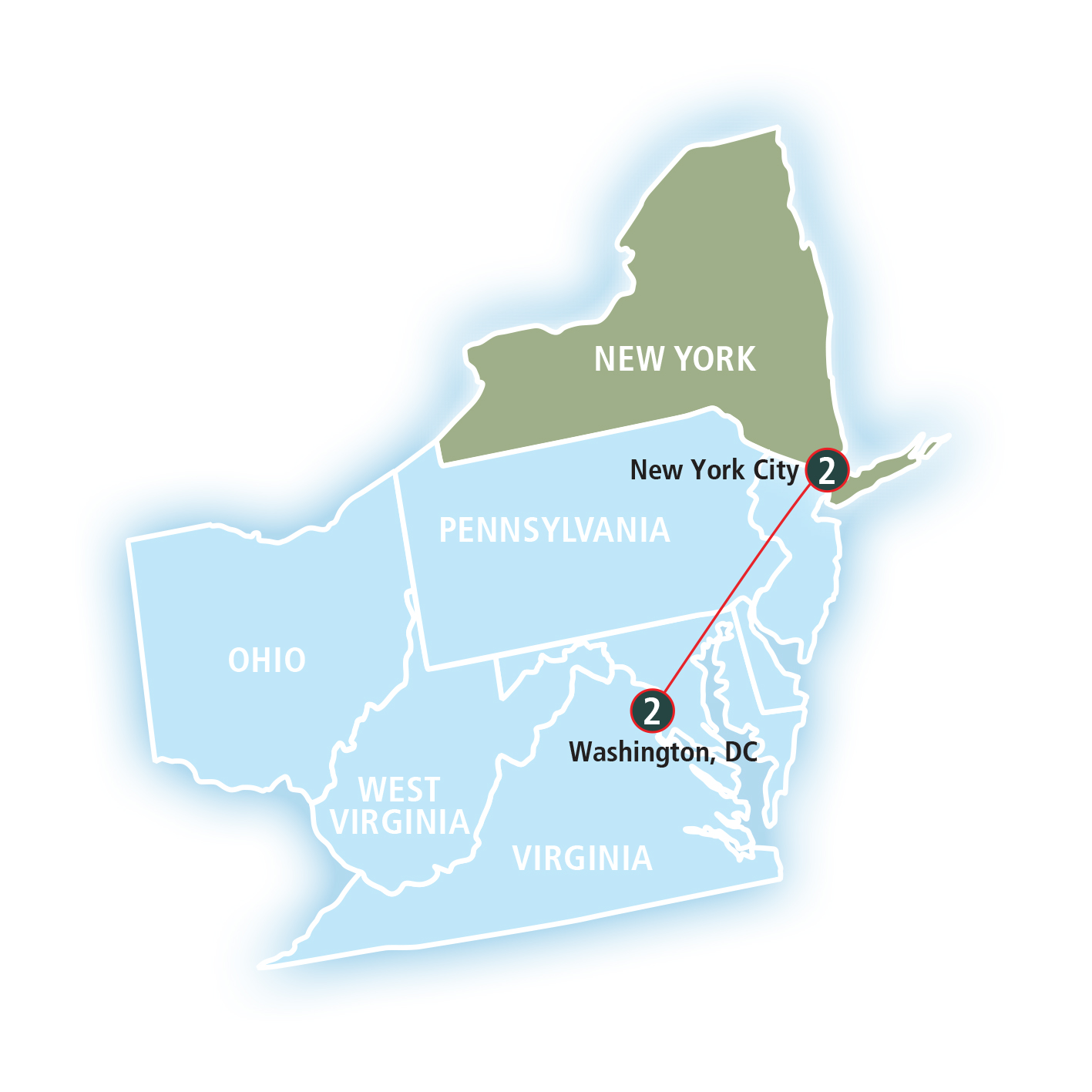
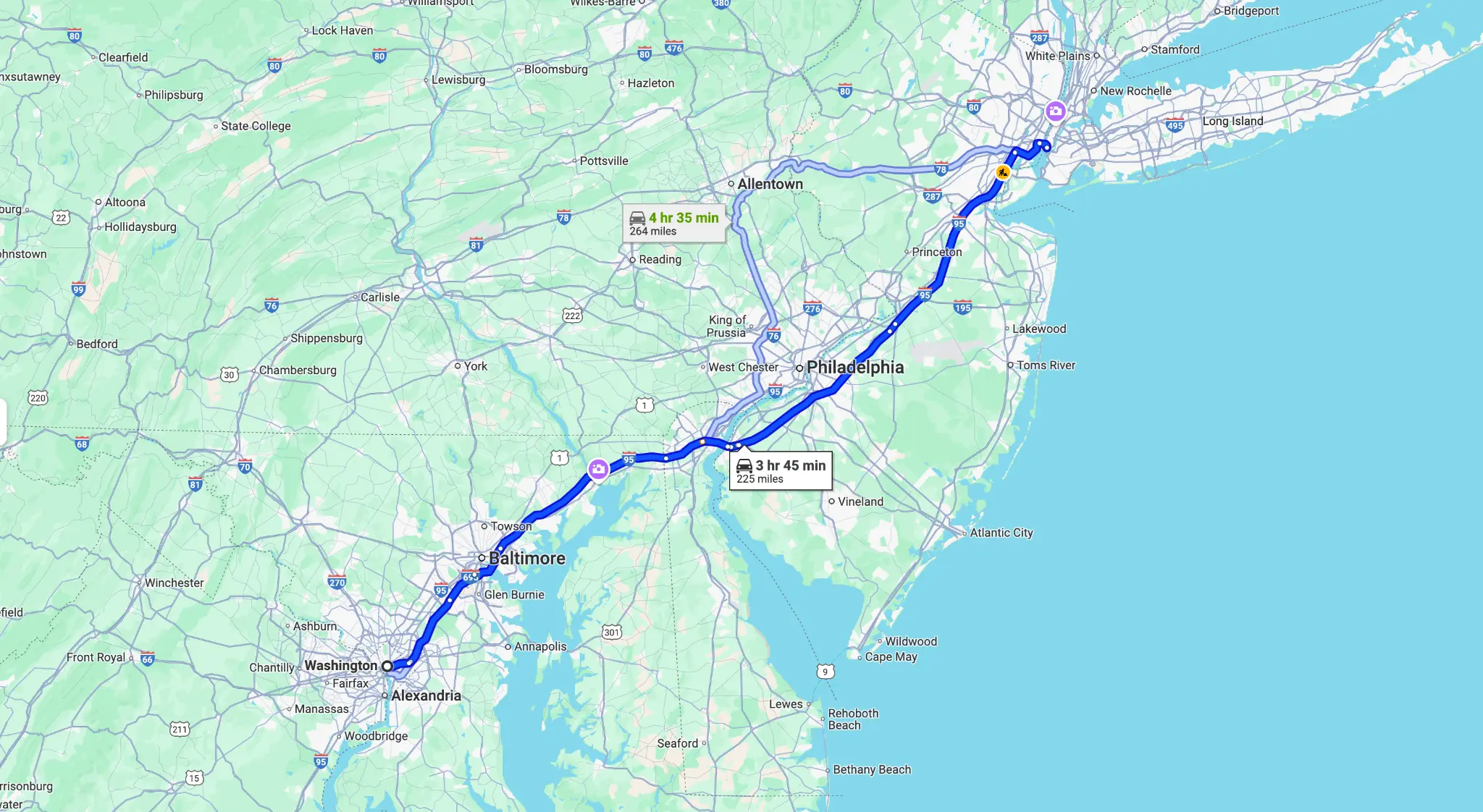
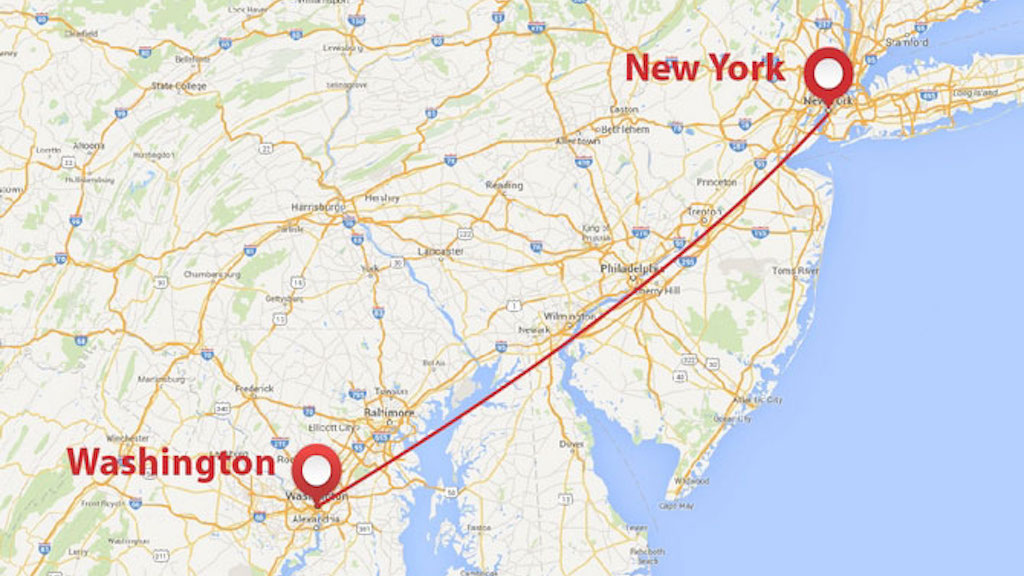
Geographically, the straight-line distance, or “as the crow flies,” between New York City and Washington Dc is approximately 204 miles (328 kilometers). However, actual travel routes, which follow roads and rail lines, extend this to around 225-230 miles (362-370 kilometers). This proximity has forged a unique connection between the two cities, making them easily accessible for weekend getaways, crucial business meetings, or even extended stays for those looking to experience both urban landscapes.
Culturally, while distinct, they share a common thread of American history and ambition. New York City pulsates with an electrifying energy, a melting pot of global cultures evident in its food, arts, and fashion scenes. Washington Dc, on the other hand, exudes a stately grandeur, its avenues lined with monuments and institutions that define American democracy, such as the White House and the U.S. Capitol. The journey between them is not just a change of scenery but a transition between two profoundly different, yet equally essential, facets of American life. This allows travelers to seamlessly blend political tourism with vibrant urban exploration, offering a comprehensive experience that appeals to a wide range of interests, from history buffs to foodies and art enthusiasts.
Navigating the Northeast Corridor: Transportation Options Explored
The corridor between New York City and Washington Dc is exceptionally well-served by various transportation methods, each offering its own blend of cost, convenience, and travel experience. Choosing the right mode often depends on budget, time constraints, and personal preference, whether you prioritize speed, comfort, affordability, or flexibility.
By Train: A Scenic and Convenient Journey
Train travel along the Northeast Corridor is a highly popular and often preferred option for many, particularly business travelers and those seeking a relaxed journey. Amtrak is the primary rail service provider, offering two main services between the cities: the high-speed Acela Express and the more economical Northeast Regional.
The Acela Express is designed for speed and comfort, completing the journey in approximately 2 hours and 50 minutes to 3 hours and 15 minutes. It offers spacious seating, Wi-Fi, and power outlets, making it ideal for working professionals or those who appreciate a premium experience. Fares can be higher, especially when booking last minute, but advanced booking often yields better prices. Its direct routes minimize stops, enhancing its efficiency.
The Northeast Regional service is a more budget-friendly alternative, taking around 3 hours and 30 minutes to 4 hours. While slightly slower due to more stops, it still provides a comfortable and reliable journey with amenities like Wi-Fi and a cafe car. Both services offer the significant advantage of dropping passengers directly in the heart of each city: New York City’s Penn Station and Washington Dc’s Union Station. This eliminates the need for airport transfers, saving time and money, and making it an attractive option for those considering overall travel convenience. The ability to walk around, enjoy the passing scenery, and avoid traffic makes train travel a remarkably stress-free experience, perfect for both luxury travel and those seeking a comfortable journey without the hassles of driving or flying.
By Bus: The Budget-Friendly Adventure
Bus travel is unequivocally the most economical way to travel between New York City and Washington Dc. Services like Greyhound, Megabus, and Peter Pan Bus operate frequent routes throughout the day. The journey typically takes between 4 to 5.5 hours, largely dependent on traffic conditions, particularly when entering or exiting the cities.
While generally slower than trains or planes, bus services have improved significantly over the years, with many offering amenities such as free Wi-Fi, power outlets, and reclining seats. They cater to budget travelers, students, and those who prioritize cost savings. Buses also offer the flexibility of numerous daily departures from various pickup points in both cities. For example, Megabus often departs from convenient street-side locations, offering a different vibe than the bustling train stations. While it might involve more stops and the occasional traffic delay, the substantial cost savings can make bus travel an appealing option, especially for travelers on a tight budget or those planning longer-term stays where minimizing travel expenses is crucial.
By Car: The Ultimate Road Trip Flexibility
Driving offers unparalleled flexibility, allowing travelers to set their own pace, make spontaneous stops, and explore destinations off the main route. The driving distance is approximately 225-230 miles (362-370 kilometers), and without significant traffic, the journey typically takes around 3.5 to 4.5 hours.
The primary route is I-95, a major interstate that runs along the East Coast. However, I-95 is notorious for heavy traffic, especially during peak hours, weekends, and holidays. Delays can easily extend the travel time to 5-7 hours or more. Drivers should also factor in tolls, particularly through Maryland, Delaware, and New Jersey, which can add a significant cost to the trip. Using navigation apps like Google Maps or Waze is highly recommended for real-time traffic updates and alternative route suggestions.
For those planning a road trip, there are opportunities to make interesting detours. Stopping in Philadelphia, for instance, offers a chance to explore Independence Hall and enjoy a classic cheesesteak, transforming a simple commute into a multi-destination experience. Car rentals are readily available in both cities, providing a convenient option for those without their own vehicle. Driving is ideal for family trips with luggage, or for business stays requiring multiple stops, offering the freedom to explore beyond the city centers and delve into regional attractions and local culture.
By Air: The Fastest, But Not Always Simplest
Flying is technically the fastest way to cover the direct distance, with flight times typically ranging from 1 hour to 1 hour and 15 minutes. However, the total travel time often negates this perceived speed advantage. New York City is served by three major airports: LaGuardia Airport (LGA), John F. Kennedy International Airport (JFK), and Newark Liberty International Airport (EWR). Washington Dc is served by Ronald Reagan Washington National Airport (DCA), Dulles International Airport (IAD), and Baltimore/Washington International Thurgood Marshall Airport (BWI).
When factoring in travel to and from airports, security checks, check-in, and potential delays, the total door-to-door travel time can easily extend to 4-6 hours, often making it comparable to or even longer than train travel. While flights can sometimes be found at competitive prices, particularly when booked well in advance, they can also be more expensive than other options. Furthermore, the environmental impact of flying is a consideration for some travelers. Air travel might be the preferred choice for those connecting from longer flights or for business travelers with very tight schedules who prioritize air miles or loyalty programs. However, for a direct city-to-city journey within the Northeast Corridor, it’s often less efficient than the train.
Making the Most of Your Journey: Travel Tips & Accommodation
Regardless of your chosen mode of transport, planning is crucial to maximize your experience between these two dynamic cities. The journey itself can be part of the adventure, allowing for seamless transitions between diverse urban landscapes.
Planning Your Trip: When to Go & What to Consider
The best time to travel between New York City and Washington Dc largely depends on your priorities. Spring (April-May) and Fall (September-October) offer pleasant weather, ideal for sightseeing and enjoying outdoor activities in both cities. However, these are also peak tourist seasons, meaning higher prices for flights, trains, and accommodation. Summer can be hot and humid, but it’s vibrant with festivals and events, while winter brings festive decorations and holiday cheer, though cold weather might limit outdoor exploration.
Booking in advance, especially for trains and flights, is highly recommended to secure better rates and preferred schedules. Consider your travel style: for luxury travel, the Acela Express and upscale hotels are ideal. For budget travel, buses and more affordable accommodation options abound. Families might prefer driving for the flexibility, while business travelers often lean towards the efficiency of trains or carefully planned flights. Packing light can also simplify travel, especially when navigating busy city terminals. Always check for any special events or holidays that might impact travel times or accommodation availability, such as cherry blossom season in Washington Dc or holiday parades in New York City.
Accommodation Insights: Where to Stay in Each City
Both New York City and Washington Dc offer an extensive array of accommodation options to suit every taste and budget, from opulent suites and luxury resorts to boutique hotels, serviced apartments, and charming bed and breakfasts.
In New York City, popular neighborhoods like Midtown, Times Square, and the Financial District are convenient for sightseeing and business, offering a high concentration of hotels. For a more local culture experience, areas like Greenwich Village, SoHo, or Brooklyn provide unique boutique hotels, apartments, and a vibrant dining scene. Long-term stay options, such as extended-stay hotels or furnished apartments, are also available for those planning a prolonged visit.
Washington Dc offers diverse lodging, with hotels near the National Mall providing easy access to monuments and museums, perfect for tourism. Georgetown offers upscale resorts and charming historic hotels, known for its shopping and dining. For business stays, areas like downtown or Capitol Hill offer convenient access to government buildings and corporate offices. When booking, consider amenities such as Wi-Fi, fitness centers, and breakfast options. Reviews and comparisons across various booking platforms can help you find the best value and ensure your accommodation meets your specific needs, whether you’re seeking a family-friendly resort or a quiet, luxurious retreat.
Maximizing Your Experience: Attractions and Lifestyle
Once you’ve arrived, both cities beckon with an incredible array of attractions and experiences. In New York City, don’t miss a Broadway show, a stroll through Central Park, or exploring the diverse neighborhoods. Its food scene is legendary, offering everything from street food to Michelin-starred restaurants. The city’s energy is infectious, making it a hub for lifestyle experiences, from high fashion to avant-garde art.
In Washington Dc, immerse yourself in history and politics by visiting the Smithsonian Museums (many of which are free), touring the White House or U.S. Capitol (with advance planning), and reflecting at the many memorials. The city also boasts a burgeoning culinary scene and vibrant cultural activities. Local tips include utilizing the efficient Metro system for getting around and exploring distinct neighborhoods like Adams Morgan or Capitol Hill for dining and nightlife. Whether your focus is on historical landmarks, local culture, gourmet food, or simply soaking in the atmosphere, both cities offer an unforgettable experience that complements the journey between them.
The Unseen Distances: Bridging Cultures and Experiences
Ultimately, the question of “How far is New York City from Washington Dc?” transcends mere physical measurement. It’s about bridging two distinct yet intrinsically linked centers of American life. The journey itself, whether by high-speed train, scenic drive, budget-friendly bus, or quick flight, is an integral part of the broader travel experience. It represents a transition from the frenetic pace of a global metropolis to the stately grandeur of the nation’s capital, each offering unique perspectives on the American story.
For travelers, this means the ability to effortlessly combine a high-powered business trip with a cultural deep dive, or a family vacation filled with iconic landmarks with a taste of local life. The robust infrastructure of the Northeast Corridor ensures that these two pivotal cities are not just geographically proximate but are also experientially connected, inviting visitors to explore their diverse offerings and make the “distance” between them a memorable part of their travel narrative. By understanding the various transportation options, considering accommodation choices, and embracing the unique tourism opportunities, your journey between New York City and Washington Dc will be far more than just a trip; it will be an exploration of two of the most significant urban landscapes in the United States.