The question of “How far is New York from Washington D.C.?” is a common one for travelers, whether they’re planning a multi-city vacation, a business trip, or simply curious about the proximity of these two iconic U.S. metropolises. While geographically distinct, these cities are surprisingly well-connected, making travel between them a popular endeavor. Situated in the bustling Northeast Corridor, the journey between the Big Apple and the Nation’s Capital offers a blend of convenience, diverse landscapes, and a plethora of travel options catering to every preference and budget. Understanding the distance is merely the first step; delving into the various ways to traverse this route, what to expect along the way, and the unique experiences awaiting in each destination provides a complete picture for an unforgettable travel adventure. From high-speed trains to scenic road trips and quick flights, the path connecting these two vibrant centers is as varied as the cities themselves, each offering a distinct slice of American culture, history, and modern life.
The Geographical Proximity: Understanding the Distance
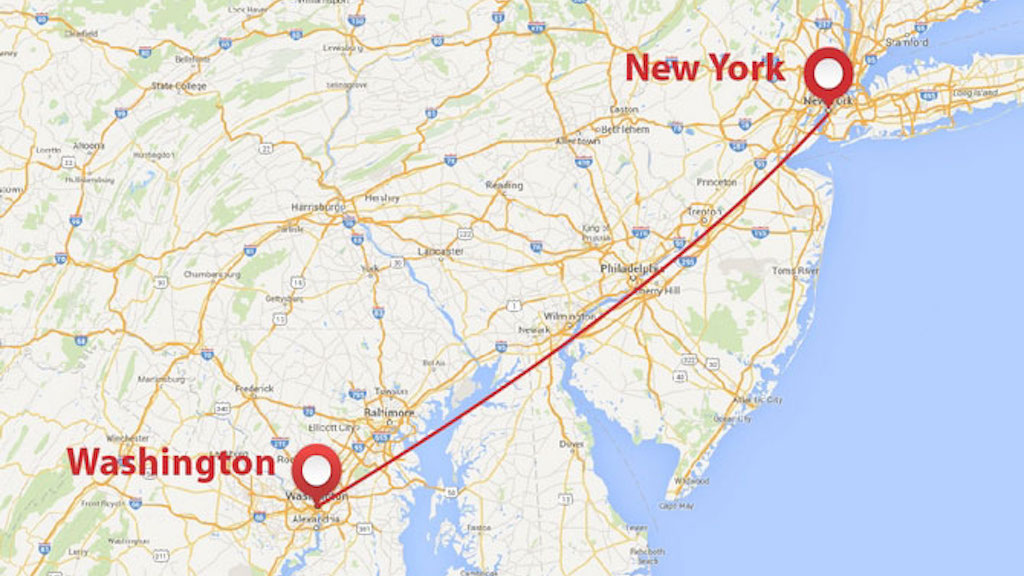
At first glance, the two cities might seem far apart, but in the grand scheme of U.S. geography, they are relatively close, making them a popular pairing for extended trips or even long weekend getaways. The actual distance can vary slightly depending on the exact starting and ending points within each sprawling urban area and the mode of transportation chosen.
Measuring the Miles and Kilometers
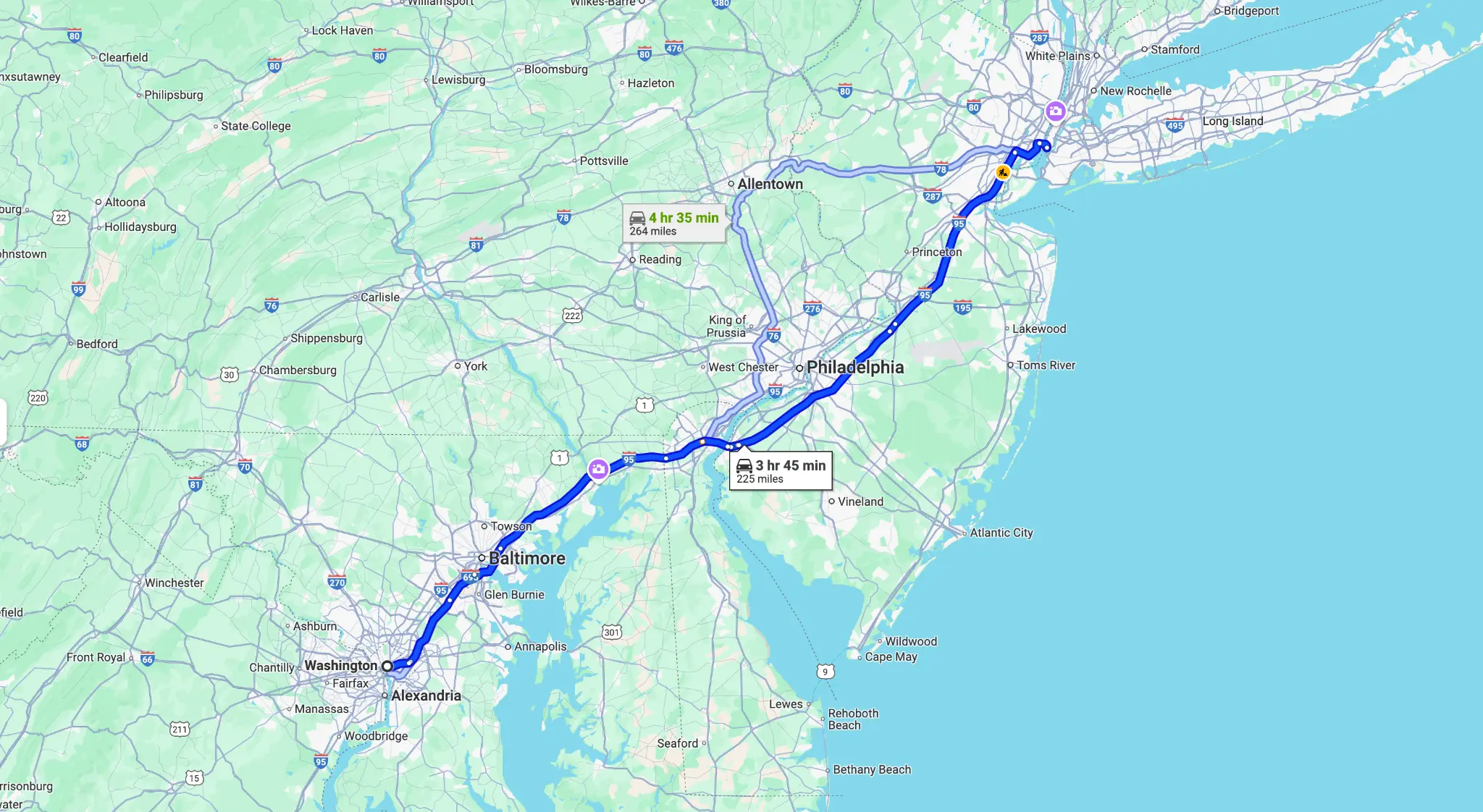
When considering the most common travel routes, particularly by road, the approximate driving distance between New York City and Washington D.C. is around 225 to 230 miles (approximately 360 to 370 kilometers). This measurement typically accounts for the most direct routes, such as those predominantly utilizing Interstate 95 (I-95).
The travel time by car is highly variable, largely dependent on traffic conditions, which can be notoriously heavy in the Northeast Corridor. Under ideal circumstances, with minimal traffic, the drive could take roughly 3.5 to 4 hours. However, during peak travel times, such as weekday rush hours, holiday weekends, or unexpected road incidents, this duration can easily extend to 5, 6, or even more hours. It’s crucial for drivers to factor in potential delays and plan their journeys accordingly, perhaps by using real-time navigation apps. For rail travel, which bypasses road traffic, the journey is typically more predictable, often taking between 3 to 3.5 hours on high-speed services. Air travel, while quick in the air, comes with its own set of pre- and post-flight processes that add to the overall travel time.
Why the Route Matters: Scenic vs. Efficient
For most travelers, efficiency is key, and the primary arterial route connecting New York City and Washington D.C. is I-95. This interstate forms the backbone of the East Coast transportation network, linking major cities from Florida to Maine. While highly efficient, I-95 is not particularly known for its scenic beauty, often winding through industrial areas and dense suburbs. It’s a pragmatic choice for those aiming to get from point A to point B as quickly as possible.
However, for travelers with more time or a desire for a different experience, there are alternative routes. These might involve detouring off I-95 through parts of New Jersey, Pennsylvania, and Maryland that offer glimpses of more rural landscapes, charming small towns, or historical sites. For instance, a slight deviation could take you through parts of rural Pennsylvania or along the Delaware River, offering a more picturesque drive, albeit at the cost of added travel time. These routes, while less direct, can transform a mere transit into a mini-road trip adventure, allowing travelers to explore local culture, enjoy regional food, and discover hidden gems that lie just off the beaten path. This consideration often falls under the “Lifestyle” aspect of travel, catering to those who prefer a journey that is as much a part of the experience as the destination itself.
Navigating the Corridor: Diverse Travel Options
The New York to Washington D.C. corridor is one of the busiest travel arteries in the United States, offering an impressive array of transportation choices. Each option presents its own balance of cost, convenience, speed, and comfort, allowing travelers to select the best fit for their individual needs.
Rail Travel: Comfort and Convenience
For many, train travel is the preferred method to commute between these two cities. Amtrak, the national passenger railroad corporation, operates several services along the Northeast Corridor.
- Acela Express: This is Amtrak’s high-speed service, offering the fastest train journey between New York and Washington D.C.. With fewer stops, the Acela Express can complete the journey in approximately 2 hours and 50 minutes to 3 hours. It offers a premium experience with larger seats, power outlets, Wi-Fi, and a quiet car, making it popular among business travelers.
- Northeast Regional: This service makes more stops, resulting in a slightly longer travel time of around 3.5 to 4 hours. It’s a more budget-friendly option than the Acela Express while still providing a comfortable and reliable journey.
The major train stations are conveniently located in the heart of each city: Moynihan Train Hall (connected to Penn Station) in New York City and Union Station in Washington D.C.. This city-center to city-center connection is a significant advantage, eliminating the need for lengthy airport transfers. Passengers can enjoy scenic views, work productively, or simply relax without the stresses of driving or airport security. Booking in advance is highly recommended, especially for Acela Express tickets, as prices tend to rise closer to the departure date.
Road Trips: Flexibility and Exploration
Driving offers the ultimate flexibility, allowing travelers to set their own pace and explore points of interest along the way. As mentioned, the drive typically takes 3.5 to 6 hours, depending heavily on traffic.
- Costs: Beyond fuel costs, drivers should budget for tolls, particularly on the New Jersey Turnpike and Delaware Memorial Bridge or Baltimore tunnels. E-ZPass is highly recommended for seamless travel through toll booths.
- Rental Cars: For those without personal vehicles, numerous car rental agencies operate in both cities. Comparing prices and booking in advance can yield significant savings, aligning with budget travel strategies.
- Stopovers: A road trip provides an excellent opportunity to break up the journey and visit other notable cities. Philadelphia, rich in American history with landmarks like Independence Hall and the Liberty Bell, is roughly halfway. Baltimore, with its Inner Harbor and vibrant food scene, is also a popular stop. These intermediate destinations offer opportunities to experience more local culture and food, turning a simple drive into a multi-stop tourism adventure.
Bus Services: Budget-Friendly Connections
Bus travel remains the most economical option, perfect for budget travelers or students. Companies like Greyhound, Megabus, and FlixBus offer frequent departures throughout the day.
- Travel Time: Bus journeys are generally longer than trains or driving, typically ranging from 4.5 to 6 hours or more, as they are subject to the same traffic conditions as cars.
- Terminals: Bus terminals in both cities are usually centrally located, offering decent accessibility to public transport.
- Amenities: While basic, many modern buses offer amenities such as Wi-Fi, power outlets, and reclining seats, making the long journey more tolerable. Booking early can secure the best fares, sometimes for as little as a few dollars, representing a fantastic option for those prioritizing cost savings.
Air Travel: Speed for Time-Conscious Travelers
For those valuing speed above all else, flying is an option, though often more complicated than it appears. The actual flight time is incredibly short, often around 1 hour to 1 hour 15 minutes. However, the overall travel time tends to be longer when accounting for airport transfers, check-in, security, and boarding.
- New York City Airports: John F. Kennedy International Airport (JFK), LaGuardia Airport (LaGuardia), and Newark Liberty International Airport (in New Jersey, serving NYC metropolitan area).
- Washington D.C. Area Airports: Ronald Reagan Washington National Airport (DCA – closest to downtown D.C.), Dulles International Airport (IAD – further out in Virginia), and Baltimore/Washington International Thurgood Marshall Airport (BWI – closer to Baltimore).
When factoring in travel to and from airports, security lines, and potential delays, the total journey time can easily stretch to 4-5 hours or more, making it comparable to, or even longer than, train travel for city-center to city-center trips. Airfare can fluctuate wildly, with budget airlines offering competitive rates, but often with additional costs for baggage and seat selection. Despite the short flight time, air travel between New York and Washington D.C. is generally only recommended when connecting to a longer flight or when specific circumstances make other modes impractical.
Beyond the Journey: What Awaits in Each City
The journey between New York and Washington D.C. is just the prelude to exploring two of America’s most captivating cities. Each destination offers a distinct blend of culture, history, entertainment, and lifestyle, promising unique experiences for every type of traveler.
New York City: The Epitome of Urban Lifestyle and Landmarks
New York City, often dubbed the “Crossroads of the World,” is an unparalleled global hub for finance, fashion, art, and entertainment. Its vibrant energy and iconic skyline are instantly recognizable, drawing millions of visitors annually.
- Tourism & Attractions: A trip to NYC is incomplete without visiting its world-famous landmarks. Times Square, with its dazzling billboards and bustling crowds, is an electrifying experience. A stroll through Central Park offers a serene escape from the urban jungle. The majestic Statue of Liberty and Ellis Island stand as symbols of freedom and immigration. Ascending the Empire State Building or Top of the Rock provides breathtaking panoramic views. For arts and culture enthusiasts, Broadway offers world-class theatrical productions, while museums like the Metropolitan Museum of Art and the Museum of Modern Art house unparalleled collections.
- Accommodation: NYC boasts an incredibly diverse range of accommodation options. For a taste of luxury travel, establishments like The Plaza Hotel, a landmark itself, or the elegant St. Regis New York offer opulent suites and impeccable service. Boutique hotels like The Greenwich Hotel in Tribeca provide a more intimate and stylish experience. For budget-conscious travelers, numerous chain hotels, hostels, and long-term stay apartments are available throughout the boroughs, requiring careful comparison and booking in advance.
- Lifestyle: New York City’s lifestyle is dynamic and diverse. Its food scene is legendary, offering everything from Michelin-starred fine dining to ethnic street food. Neighborhoods like the West Village, SoHo, and Brooklyn’s Williamsburg are renowned for their unique local culture, bustling nightlife, and eclectic shops. Whether it’s a family trip exploring museums, a business stay for conferences, or a luxury getaway, NYC caters to all.
Washington D.C.: A Hub of History and Power
As the capital of the United States, Washington D.C. is a city steeped in history, politics, and monumental architecture. It offers an educational and inspiring experience, with many of its premier attractions available for free.
- Tourism & Attractions: The heart of D.C. tourism revolves around the National Mall, a vast expanse of green space lined with iconic landmarks and memorials. Visitors can spend days exploring the Smithsonian Museums, most of which offer free admission, including the [National Museum of Natural History](https://lifeoutofthebox.com/national-museum of-natural-history), the National Air and Space Museum, and the National Museum of American History. Revered landmarks like the Lincoln Memorial, Washington Monument, and Jefferson Memorial are powerful tributes. The majestic White House and the imposing U.S. Capitol Building are central to the nation’s governance and are must-see architectural marvels.
- Accommodation: Washington D.C. provides a range of accommodation suitable for various travel styles. Upscale hotels such as the Willard InterContinental Washington, located near the National Mall and Capitol Hill, offer a luxurious experience. The vibrant neighborhood of Georgetown is known for its charming boutique hotels and historic inns, providing a unique local culture experience. Additionally, many hotels cater specifically to business stays, offering conference facilities and executive amenities.
- Lifestyle: D.C.’s lifestyle is often perceived through its political lens, but the city offers much more. It boasts a sophisticated dining scene, with diverse cuisines reflecting its international population. Neighborhoods like Adams Morgan and U Street Corridor are lively at night with bars and music venues. The city is also very green, with numerous parks and outdoor spaces, providing a balanced urban experience. For family trips, the abundance of free museums and outdoor monuments makes it an accessible and educational destination.
Planning Your Trip: Essential Tips for a Seamless Experience
Whether embarking on a business trip or a leisure vacation, meticulous planning is the cornerstone of a stress-free and enjoyable journey between New York and Washington D.C.. Considering the main topics of travel, accommodation, and lifestyle, a well-thought-out itinerary can significantly enhance the overall experience.
Booking and Budgeting
Effective financial planning starts with understanding the costs associated with transportation and lodging.
- Early Booking for Flights/Trains: As a general rule, booking Amtrak tickets (especially Acela Express) and flights several weeks or even months in advance can lead to substantial savings. Prices tend to increase dramatically closer to the travel date, particularly during peak seasons or holidays. Setting up price alerts can also help snag the best deals.
- Accommodation Comparison: Researching accommodation is vital. Websites specializing in hotel bookings, apartment rentals, and resort comparisons allow travelers to find the best value. Options range from luxury resorts and boutique hotels to serviced apartments for long-term stays or budget-friendly hostels. Consider the location carefully – proximity to public transport and major attractions can save time and money on local travel. Reading reviews is crucial for understanding the amenities, service quality, and overall experience.
- Budget Travel vs. Luxury Travel: Define your travel style early. For budget travelers, bus services and hostels are ideal, coupled with free attractions in D.C. and exploring parks in NYC. Luxury travel might involve first-class Amtrak tickets, stays at five-star hotels like The Ritz-Carlton New York, Central Park or The Hay-Adams in D.C., and exclusive dining experiences. Having a clear budget helps in making informed decisions about every aspect of the trip, from dining to activities and souvenirs.
Maximizing Your Stay
Beyond getting there, making the most of your time in each city involves strategic planning for activities and experiences.
- Local Culture and Food: Both cities boast incredible culinary scenes. In NYC, explore diverse neighborhoods for authentic cuisine – Chinatown for dim sum, Little Italy for pasta, or Harlem for soul food. D.C. offers sophisticated dining in areas like Dupont Circle or Penn Quarter, alongside excellent Ethiopian, Salvadoran, and Ethiopian food in neighborhoods such as Adams Morgan or the Columbia Heights. Engage with local events, markets, and festivals to truly immerse yourself in the local culture.
- Guided Tours vs. Independent Exploration: Consider a mix. Guided tours can provide invaluable historical context at landmarks like the U.S. Capitol Building or the National Museum of American History. Conversely, independent exploration allows for spontaneous discoveries, whether it’s finding a hidden gem café in Greenwich Village or stumbling upon a charming street in Georgetown.
- Packing Essentials and Local Tips: Pack according to the season. Summers can be hot and humid, while winters are cold. Comfortable walking shoes are a must for both cities. Utilize public transportation – the subway in NYC and the Metro in D.C. are efficient ways to get around. Tipping culture is prevalent in the U.S., so factor this into your daily expenses for restaurants, taxis, and hotel services.
Business vs. Leisure Travel
The purpose of your trip will significantly influence your planning and choices.
- Considerations for Business Travelers: For business stays, priority often lies in convenience, connectivity, and amenities. Hotels with robust Wi-Fi, business centers, meeting rooms, and executive lounges are paramount. Proximity to convention centers (like the Jacob K. Javits Convention Center in NYC or the Walter E. Washington Convention Center in D.C.) or corporate offices is key. High-speed Amtrak Acela Express is a popular choice for inter-city business travel due to its reliability and productive environment.
- Family Trips: When traveling with family, especially children, the focus shifts to child-friendly attractions and accommodations. In NYC, the American Museum of Natural History, Bronx Zoo, and Broadway shows like The Lion King are perennial favorites. D.C. excels with its interactive Smithsonian Museums, the National Zoo, and vast open spaces of the National Mall. Look for hotels with family suites, pools, and convenient access to public transport or attractions. Planning activities that cater to different age groups within the family ensures everyone has an enjoyable experience.
Conclusion
The journey from New York to Washington D.C. is more than just a matter of covering approximately 225 miles (360 kilometers); it’s an opportunity to traverse a dynamic corridor teeming with history, innovation, and diverse experiences. With a range of travel options—from the efficiency of Amtrak’s Acela Express and the budget-friendliness of bus services to the flexibility of a scenic road trip or the swiftness of a short flight—travelers can tailor their journey to match their specific needs and preferences.
Each city serves as a magnificent destination in its own right: New York City pulsates with an unmatched urban energy, offering iconic landmarks, world-class entertainment, and a melting pot of cultures, while Washington D.C. stands as a proud testament to American history and governance, with its monumental architecture and free access to renowned museums. Whether you are seeking the vibrant arts and culinary scenes of NYC, or the educational and inspiring sights of D.C., the relatively short distance between them makes a dual-city exploration not just feasible, but highly recommended. By meticulously planning your transportation, accommodation, and activities, you can unlock the full potential of this popular East Coast adventure, creating memories that bridge the gap between two of America’s most celebrated urban landscapes.