
Embarking on a transatlantic journey from the historic streets of London to the vibrant metropolis of New York is an adventure that many travelers dream of. Whether you’re planning a business trip, a family vacation, or a solo exploration of two of the world’s most iconic cities, understanding the flight duration is often one of the first questions on your mind. A direct flight between these two global hubs typically spans between 7 and 8 hours when flying westbound from London to New York, and generally shorter, around 6 to 7 hours, when flying eastbound from New York back to London. However, this seemingly straightforward answer masks a fascinating interplay of factors that can influence your actual time in the air. From the invisible forces of nature to the advanced technology of modern aviation, numerous elements contribute to the exact duration of your journey across the Atlantic. Let’s delve deeper into what determines your flight time, how to prepare for this significant travel experience, and what marvels await you on either side of the ocean.
Factors Influencing Transatlantic Flight Duration
While the average flight time provides a good baseline, several critical factors can subtly—or significantly—alter how long you’ll spend aloft. Understanding these variables can help set realistic expectations and even inform your travel planning.
The Impact of the Jet Stream
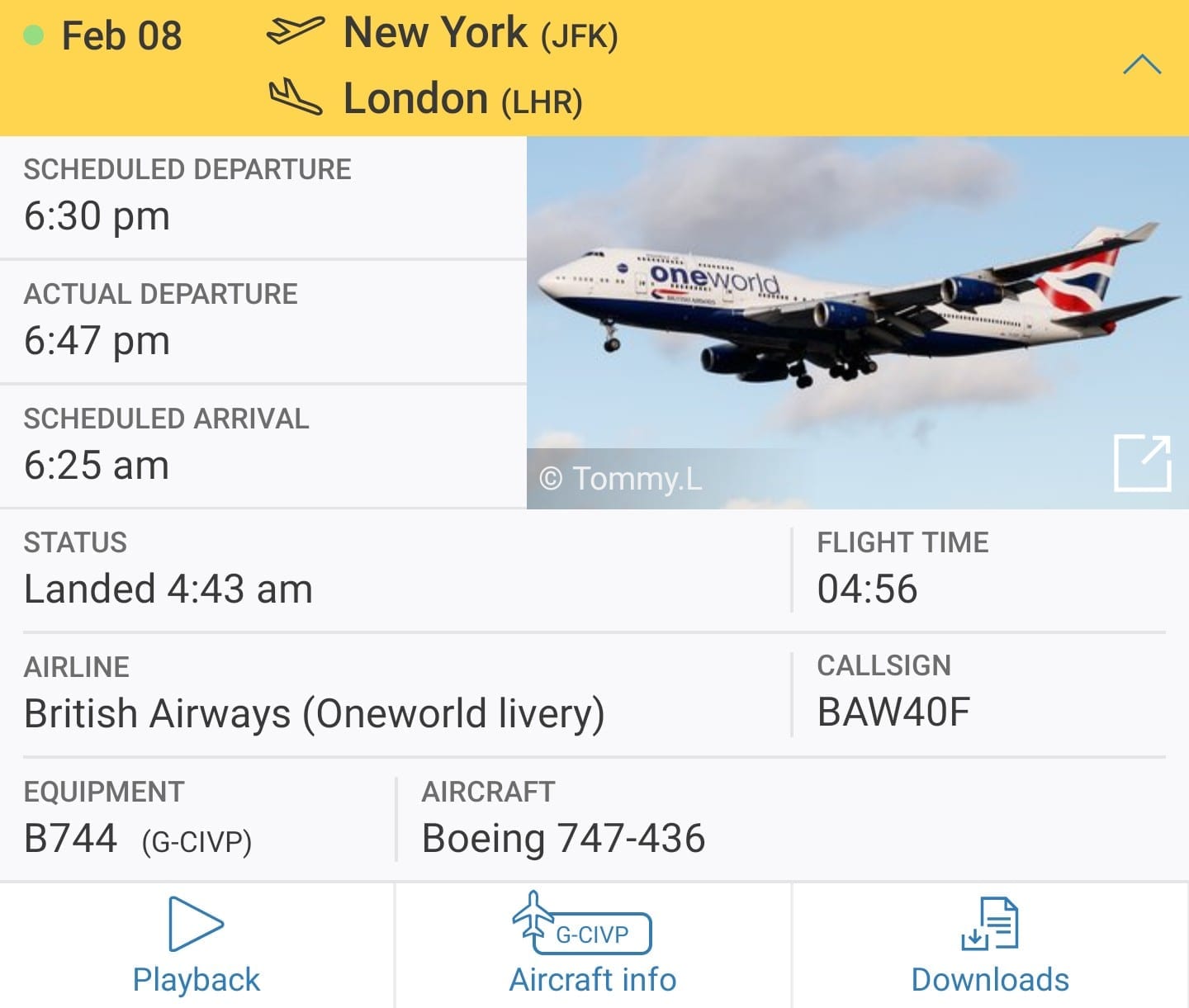
Perhaps the most significant natural phenomenon affecting transatlantic flight times is the Atlantic jet stream. This fast-moving, high-altitude air current flows predominantly from west to east, acting like a powerful tailwind for planes traveling in that direction. When flying from New York to London (eastbound), aircraft can effectively “surf” this jet stream, significantly reducing their journey time, sometimes by as much as an hour or more. Conversely, flights from London to New York (westbound) often have to contend with flying against this same current, slowing them down and adding time to the flight. The strength and precise location of the jet stream vary daily with weather patterns, which is why flight durations can fluctuate even for the same route and airline.
Aircraft Type and Performance
The type of aircraft used for your flight also plays a role in the overall duration. Modern airplanes are designed for efficiency and speed, but there are differences between models. For instance, larger, wide-body jets like the Boeing 747, Airbus A380, or the more fuel-efficient Boeing 787 Dreamliner and Airbus A350 are typically used for long-haul transatlantic routes. While their cruising speeds are relatively similar at around 550-600 miles per hour, subtle variations in their optimal cruising altitudes, fuel efficiency, and operational capabilities can lead to minor differences in flight times. Newer generations of aircraft often boast advanced aerodynamics and engine technology, allowing for slightly faster or more direct flight paths.
Airline, Route, and Air Traffic Control
While most direct flights between London and New York follow similar great-circle routes to minimize distance, individual airlines may have slightly different preferred flight paths or operational procedures that can affect duration. The choice of departure and arrival airports also matters; for instance, flying into John F. Kennedy International Airport (JFK) from Heathrow Airport (LHR) might have a slightly different average duration compared to a flight from Gatwick Airport (LGW) to Newark Liberty International Airport (EWR). Moreover, air traffic control (ATC) plays a crucial role in managing the skies. Delays due to congestion at busy airports, holding patterns before landing, or rerouting due to weather or airspace restrictions can add unforeseen minutes or even hours to your journey. Pilots constantly communicate with ATC to navigate the most efficient and safe path, but external factors are always at play.
Typical Flight Times and Major Airlines
Knowing the average flight times for both directions is essential for planning, especially when coordinating connections or managing arrival schedules. The transatlantic corridor between London and New York is one of the busiest in the world, served by a host of reputable airlines.
Westbound Flights: London to New York
When flying from London to New York, the typical direct flight duration ranges from 7 hours to 8 hours and 30 minutes. This variation is primarily due to the headwinds from the Atlantic jet stream. Travelers departing from major London airports like Heathrow Airport (LHR) or Gatwick Airport (LGW) can expect to land at one of New York’s primary international gateways: John F. Kennedy International Airport (JFK), Newark Liberty International Airport (EWR), or occasionally LaGuardia Airport (LGA) for certain domestic connections.
Key airlines offering direct services on this popular route include:
- British Airways
- Virgin Atlantic
- American Airlines
- United Airlines
- Delta Air Lines
- JetBlue Airways (increasingly)
These airlines operate frequent flights, often multiple times a day, providing travelers with ample flexibility in choosing departure times. Booking with a reputable carrier ensures a high standard of service and reliability for this long-haul journey.
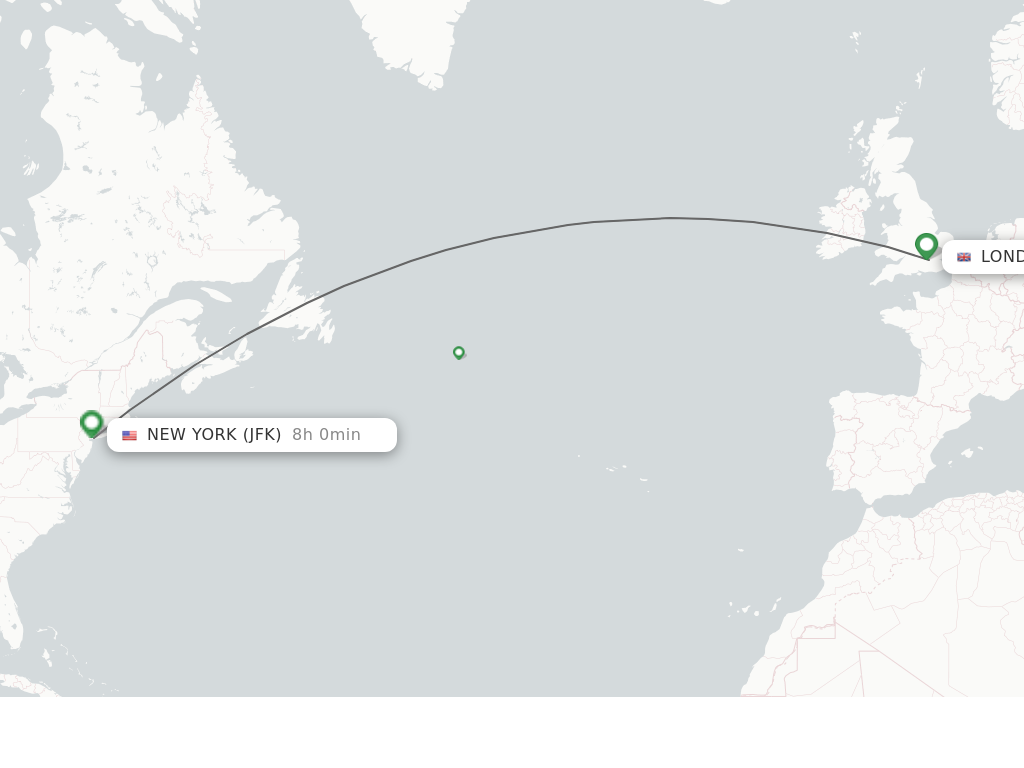
Eastbound Flights: New York to London
The return journey, flying eastbound from New York to London, is noticeably shorter. Direct flights typically range from 6 hours to 7 hours and 30 minutes. This reduced flight time is a direct benefit of the prevailing tailwinds from the Atlantic jet stream, effectively pushing the aircraft eastward. Whether you depart from JFK or EWR, you can anticipate landing at either Heathrow or Gatwick in London. The same major airlines that operate westbound flights also serve the eastbound route, ensuring consistent options for travelers returning to the UK or continuing their journey elsewhere in Europe. This shorter duration often makes the return flight feel more manageable, though managing potential jet lag remains a key consideration for arrival.
Making the Most of Your Transatlantic Journey
A flight spanning 6 to 8 hours is a significant amount of time, but with proper preparation and a mindful approach, you can transform it into a comfortable and even enjoyable part of your travel experience. Thinking ahead about your well-being on board can make all the difference.
Preparing for a Long-Haul Flight
Packing Essentials: Beyond your main luggage, a well-stocked carry-on bag is your best friend on a long flight. Include items like a comfortable neck pillow, an eye mask, and noise-canceling headphones to create a personal sanctuary. Pack a light sweater or shawl, as cabin temperatures can vary. Don’t forget any essential medications, a portable charger for your devices, and a good book or e-reader for entertainment.
Comfortable Clothing: Opt for loose-fitting, breathable clothing made from natural fibers. Layers are ideal for adapting to changes in cabin temperature. Compression socks can also be beneficial for promoting circulation and preventing swelling, particularly on flights over six hours.
Hydration: Staying hydrated is crucial. Airplane cabins have very low humidity, which can lead to dehydration. Drink plenty of water before, during, and after your flight. Limit caffeine and alcohol, as they can contribute to dehydration and disrupt sleep patterns.
In-flight Entertainment and Movement: Make full use of the airline’s in-flight entertainment system, which often includes a wide selection of movies, TV shows, music, and games. However, also remember to get up and move around the cabin periodically to stretch your legs and promote blood circulation. Simple in-seat exercises can also help.

Beating Jet Lag
Jet lag is almost an inevitable companion for travelers crossing multiple time zones. With a 5-hour time difference between London and New York, managing its effects is key to enjoying your destination from day one.
Adjusting Sleep Patterns: Try to gradually shift your sleep schedule a few days before your flight to align closer with your destination’s time zone.
Exposure to Natural Light: Upon arrival, expose yourself to natural daylight as much as possible, especially in the morning. This helps reset your body’s internal clock. Avoid heavy naps during the day, even if you’re tired.
Meal Timing: Try to eat meals at appropriate times for your new time zone. This sends strong signals to your body about the new rhythm.
Avoid Stimulants: Limit coffee and alcohol during and immediately after your flight, as they can interfere with your body’s ability to adjust. Focus on healthy, light meals.
Choosing Your Class of Travel
Your budget and priorities will dictate your choice of travel class, each offering a distinct experience for a transatlantic journey.
Economy Class: The most budget-friendly option, economy provides standard seating and basic amenities. While space is limited, airlines are continually improving seat comfort and in-flight entertainment. It’s perfectly viable for many travelers, especially if prioritizing destination experiences over flight luxury.
Premium Economy Class: A popular middle-ground, premium economy offers more legroom, wider seats, and enhanced service compared to economy, often at a significantly lower price than business class. This can be a worthwhile upgrade for increased comfort on a long flight without breaking the bank.
Business Class: Designed for luxury and productivity, business class features lie-flat seats or even fully enclosed suites, gourmet dining, priority boarding, lounge access, and superior amenities. It’s ideal for business travelers who need to arrive rested and ready to work, or for leisure travelers seeking an indulgent start to their vacation.
First Class: The pinnacle of luxury air travel, first class offers the most spacious accommodations, personalized service, exclusive amenities, and often private suites. It’s an unparalleled experience, though it comes with a premium price tag.
What Awaits You: Exploring London and New York
Beyond the journey itself, the excitement of reaching your destination is paramount. Both London and New York are vibrant global cities, teeming with culture, history, entertainment, and endless possibilities for exploration.
New York City Highlights
Upon landing in New York, you’ll step into a city that never sleeps, a melting pot of cultures and experiences. The iconic skyline beckons with architectural marvels like the Empire State Building and the Chrysler Building. A visit to the majestic Statue of Liberty and Ellis Island is a must for history buffs. Wander through the bright lights and bustling energy of Times Square, catch a world-class show on Broadway, or find serenity amidst the urban jungle in Central Park. The city offers an unparalleled culinary scene, from street food vendors to Michelin-starred restaurants, and diverse neighborhoods like Greenwich Village and SoHo promise unique shopping and cultural encounters. Whether it’s art at the Metropolitan Museum of Art or jazz in Harlem, New York promises an unforgettable experience.
London’s Iconic Charm
If your journey takes you from New York to London, you’ll arrive in a city steeped in centuries of history, yet vibrantly modern. Witness the changing of the guard at Buckingham Palace, explore the ancient mysteries of the Tower of London, or marvel at the architectural grandeur of the Houses of Parliament and Big Ben. Take a ride on the London Eye for breathtaking panoramic views of the city, or immerse yourself in culture at the British Museum or the National Gallery. Enjoy a traditional afternoon tea, explore diverse food markets like Borough Market, or catch a world-class production in the famous West End theatre district. A stroll along the River Thames reveals stunning landmarks, while charming neighborhoods like Notting Hill and Covent Garden offer unique shopping and dining experiences. London’s rich tapestry of royal heritage, diverse communities, and cutting-edge trends makes it a captivating destination for every traveler.
In conclusion, a direct flight from London to New York typically takes between 7 and 8.5 hours, while the return journey is often quicker, around 6 to 7.5 hours, largely thanks to the powerful Atlantic jet stream. While the exact duration can vary due to a multitude of factors, modern aviation ensures a generally smooth and efficient crossing. By understanding these nuances and preparing thoughtfully for your long-haul flight, you can ensure your journey is as comfortable and enjoyable as possible. The anticipation of exploring either the dynamic streets of New York or the historic charm of London makes every minute in the air a step closer to an unforgettable travel experience.
LifeOutOfTheBox is a participant in the Amazon Services LLC Associates Program, an affiliate advertising program designed to provide a means for sites to earn advertising fees by advertising and linking to Amazon.com. Amazon, the Amazon logo, AmazonSupply, and the AmazonSupply logo are trademarks of Amazon.com, Inc. or its affiliates. As an Amazon Associate we earn affiliate commissions from qualifying purchases.