
Embarking on a journey from the bustling metropolis of New York to the enchanting landscapes and rich history of Italy is a dream for many travelers. Whether you’re planning a romantic getaway to Rome, a fashion-forward trip to Milan, an artistic exploration in Florence, or a gondola ride through Venice, one of the first questions that comes to mind is often about the flight duration. Understanding how long you’ll be in the air, the factors that influence travel time, and how to make the most of your journey is crucial for a smooth and enjoyable experience.
Understanding Flight Durations: New York to Italy
The journey across the Atlantic from the United States to Italy is a significant one, typically involving an overnight flight. While the exact duration can vary, direct flights offer the quickest way to bridge the distance.
Direct Flights to Major Italian Hubs
When flying directly from New York, your departure point will typically be one of the major international airports: John F. Kennedy International Airport (JFK) or Newark Liberty International Airport (EWR). LaGuardia Airport (LGA) primarily handles domestic flights, so it’s unlikely to be your starting point for an international trip to Italy.
The most common direct flight routes from New York land in Italy’s two busiest international airports:
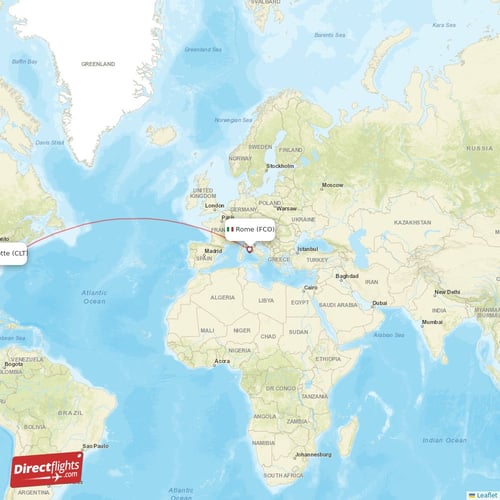
- Rome (Leonardo da Vinci–Fiumicino Airport – FCO): A direct flight from New York to Rome typically ranges from 8 hours to 8 hours and 30 minutes. This is often the quickest way to reach the heart of Italy, putting you in close proximity to iconic landmarks like the Colosseum and Vatican City.
- Milan (Milan Malpensa Airport – MXP): Flights from New York to Milan are similarly timed, usually falling within the 8 hours to 8 hours and 30 minutes range. Milan serves as an excellent gateway for exploring northern Italy, including the fashion district, the stunning Duomo di Milano, and nearby destinations like Lake Como.
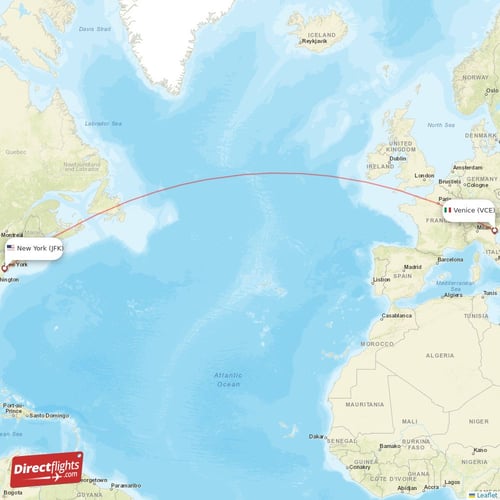
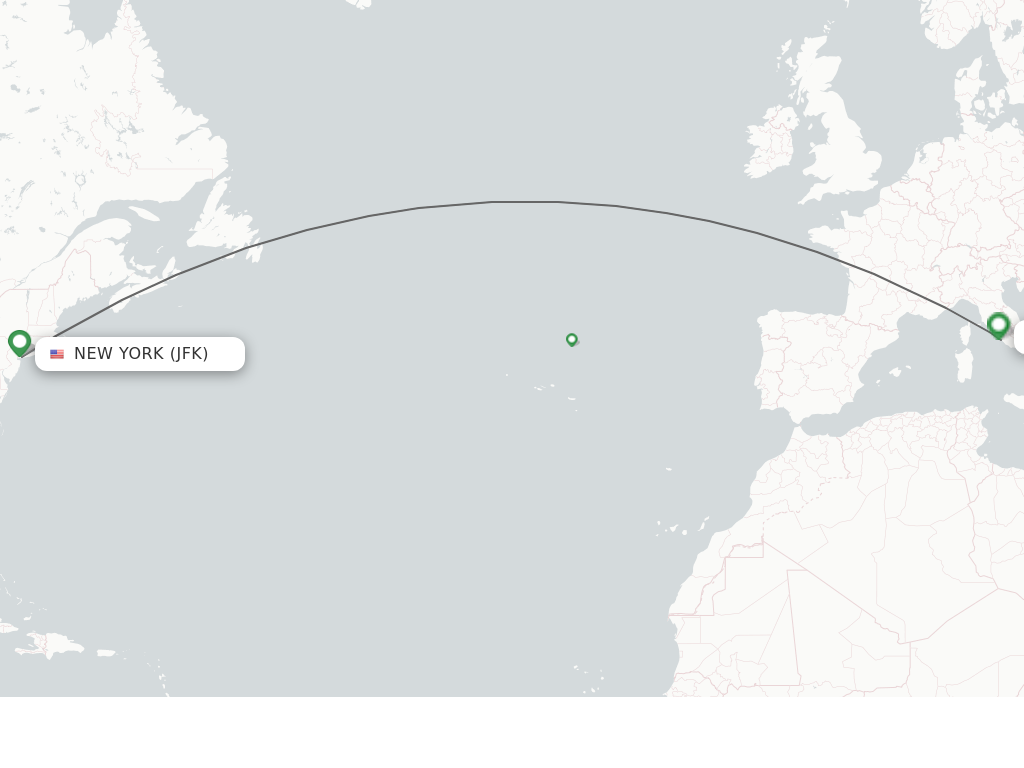
While less common for direct flights, some airlines might offer seasonal or specific routes to other major Italian cities like Venice (Marco Polo Airport – VCE) or Naples (Naples International Airport – NAP). However, these are often less frequent, and travelers typically connect through Rome or Milan to reach other destinations such as Florence (Peretola Airport – FLR), Bologna, or Palermo.
Factors Influencing Flight Times
Several variables can influence the actual flight duration from New York to Italy:
- Wind Conditions: The jet stream plays a significant role in transatlantic flights. Flights traveling eastward (from New York to Italy) often benefit from tailwinds, making the journey slightly faster. Westbound flights typically take longer due to headwinds. This can account for variations of 30 minutes to an hour.
- Airline and Aircraft Type: Different airlines and aircraft models have varying cruising speeds. Newer, more efficient planes might complete the journey slightly faster. Major carriers like Delta Air Lines, United Airlines, American Airlines, and ITA Airways are common operators on these routes.
- Flight Path and Air Traffic Control: The specific route taken can be influenced by air traffic control, weather systems, and geopolitical considerations, leading to minor adjustments in flight time.
- Layovers and Connecting Flights: If a direct flight isn’t available or if you opt for a more budget-friendly option, you might choose a connecting flight. These flights can add anywhere from 3 to 10+ hours to your total travel time, depending on the layover duration and location. Common layover cities in Europe include Dublin, London, Paris, Amsterdam, Frankfurt, Munich, and Zurich, with airlines such as Lufthansa, Air France, and British Airways frequently facilitating these connections.
Making the Journey Comfortable: Tips for Long-Haul Travel
An 8-hour flight, while not the longest in the world, is still a significant amount of time to spend in the air. Preparing adequately can make a world of difference for your comfort and arrival readiness.
Preparing for Your Flight
The key to a comfortable long-haul flight begins before you even step onto the plane.
- Choose Your Seat Wisely: If possible, select your seat during booking. An aisle seat offers more freedom to move, while a window seat provides a view and a wall to lean on for sleep. Exit row seats or bulkhead seats offer extra legroom, though they often come with a premium fee.
- Pack Smart for Carry-On: Your personal item and carry-on are your lifelines. Include essentials like a travel pillow, eye mask, noise-canceling headphones, a good book or downloaded entertainment, medications, and a light change of clothes. Don’t forget an empty reusable water bottle to fill after security.
- Dress in Layers: Airplane cabins can fluctuate in temperature. Dressing in comfortable, loose-fitting layers allows you to adjust to the conditions. Compression socks are also highly recommended to aid circulation and prevent swelling.
- Hydrate Before and During: Start hydrating well before your flight and continue throughout the journey. Dehydration can exacerbate jet lag symptoms. Avoid excessive caffeine and alcohol, as they can contribute to dehydration and disrupt sleep.
During the Flight: Staying Refreshed
Once on board, proactive measures will help you arrive in Italy feeling as refreshed as possible.
- Move Around: Every few hours, try to stand up and walk a bit in the aisle, or at least perform some simple stretches in your seat. This helps with circulation and prevents stiffness.
- Stay Hydrated: Drink plenty of water. Most airlines offer water frequently, but bringing your own bottle to refill is convenient.
- Sleep Strategically: Try to adjust your sleep schedule to your destination’s time zone as much as possible. If it’s nighttime in Italy, try to sleep on the plane. Use your eye mask and headphones to create a peaceful environment.
- Eat Lightly: While airplane meals are provided, opt for lighter snacks you bring yourself. Heavy, greasy foods can lead to discomfort.
- Freshen Up Before Landing: A quick refresh in the lavatory before landing – brushing teeth, washing your face, and changing into a fresh top – can make you feel significantly more human and ready to explore.
Your Italian Adventure Awaits: Choosing Your Destination
Once you’ve factored in the flight duration and planned for a comfortable journey, the next exciting step is deciding where in Italy your adventure will begin. Italy is a country of immense diversity, offering something for every type of traveler, whether your lifestyle leans towards luxury travel, budget-conscious exploration, or family trips.
Iconic Cities and Cultural Gems
For those drawn to history, art, and vibrant city life, Italy’s major cities are unparalleled.
- Rome: The Eternal City, with its layers of history, is a must-see. Explore ancient ruins like the Colosseum and Roman Forum, marvel at the artistic masterpieces in Vatican City (including the Sistine Chapel), and toss a coin into the Trevi Fountain.
- Florence: The birthplace of the Renaissance, Florence is an open-air museum. Admire Michelangelo’s David, explore the Uffizi Gallery, and climb to the top of Brunelleschi’s Dome for panoramic views.
- Venice: A city built on water, Venice offers a unique romantic experience. Glide along the Grand Canal in a gondola, wander through St. Mark’s Square, and visit the Doge’s Palace.
- Milan: Italy’s fashion and finance capital boasts the magnificent Duomo di Milano, world-class shopping, and Leonardo da Vinci’s The Last Supper.
Beyond these major hubs, cities like Naples offer a taste of authentic southern Italy and serve as a gateway to Pompeii and Mount Vesuvius, while Pisa is home to the iconic Leaning Tower of Pisa.
Coastal Escapes and Scenic Landscapes
For travelers seeking natural beauty, relaxation, or outdoor adventures, Italy’s diverse geography offers stunning options.
- Amalfi Coast: Famous for its dramatic cliffs, picturesque towns like Positano and Amalfi, and azure waters, this region is perfect for a luxurious escape. Take a boat trip to Capri for stunning views and grottos.
- Cinque Terre: Five vibrant fishing villages perched along the rugged Italian Riviera, offering hiking trails, fresh seafood, and breathtaking coastal scenery.
- Tuscany: Rolling hills, vineyards, charming medieval towns, and delicious food define this iconic region. Tuscany is ideal for agriturismo stays, wine tours, and enjoying the slower pace of rural Italian life.
- Dolomites: For adventure seekers, the Dolomites in northern Italy offer incredible hiking, skiing, and mountaineering opportunities amidst dramatic mountain peaks.
- Sardinia and Sicily: These large islands boast stunning beaches, ancient ruins, and distinct cultures, perfect for a longer stay focused on relaxation and exploration.
Seamless Travel: Arrival and Accommodation in Italy
After your long flight, navigating your arrival and settling into your accommodation are your next priorities. Italy’s infrastructure is generally well-developed for tourism, making these transitions relatively smooth.
Navigating Italian Airports and Transport
Upon arrival at Leonardo da Vinci–Fiumicino Airport (FCO) in Rome or Milan Malpensa Airport (MXP), you’ll find various options for reaching your final destination.
- Rome Fiumicino (FCO): The fastest way to Rome Termini (the main train station) is the Leonardo Express train, taking about 32 minutes. Regional trains, taxis, and shuttle buses are also available.
- Milan Malpensa (MXP): The Malpensa Express train connects to Milan Centrale and Cadorna Station in around 50 minutes. Bus services and taxis are also plentiful.
- Other Cities: For travel between Italian cities, Italy’s high-speed rail network is excellent. Companies like Trenitalia and Italo offer comfortable and efficient connections between major hubs like Rome Termini, Milan Centrale, Florence Santa Maria Novella, and Venice Santa Lucia. For shorter distances or coastal areas, local buses or ferries (especially in Venice and the Amalfi Coast) are reliable options.
Finding Your Perfect Stay
Italy offers a vast array of accommodation options to suit every preference and budget, from luxury hotels to charming guesthouses.
- Hotels: You’ll find international chains like Hilton and Marriott in major cities, alongside independent boutique hotels that offer a unique local experience. Researching amenities like breakfast, Wi-Fi, and proximity to attractions is key.
- Resorts and Villas: For a more indulgent stay, especially in regions like Tuscany, the Amalfi Coast, or Lake Como, luxury resorts and private villa rentals are excellent choices, often featuring pools, spas, and stunning views.
- Apartments and Guesthouses: For budget travelers, families, or those seeking a more authentic local experience, renting an apartment through platforms like Airbnb or staying in a family-run guesthouse (pensione) or bed and breakfast can be a great option.
- Agriturismo: A unique Italian experience, particularly in rural areas like Tuscany or Umbria. Agriturismo involves staying on a working farm, often with meals prepared from local produce, offering a deep dive into local culture and food.
Utilize reputable booking platforms like Booking.com, Expedia, or directly with hotels to compare prices and read reviews before making your choice. Considering the season you travel is also important; peak season (summer) sees higher prices and more crowded attractions, while shoulder seasons (spring and fall) offer pleasant weather and fewer crowds.
Planning Your Trip: Beyond the Flight
Beyond just the flight duration, a successful trip from New York to Italy involves thoughtful planning. Consider your overall travel style and preferences.
- Budget vs. Luxury: Italy can cater to both. Budget travelers can find affordable accommodations, utilize public transport, and enjoy street food, while those seeking luxury can indulge in five-star hotels, private tours, and fine dining.
- Family Trips: Italy is very family-friendly. Many attractions offer discounts for children, and the culture embraces kids. When planning, look for family-friendly hotels, activities that appeal to all ages, and consider apartment rentals for more space.
- Local Culture and Food: Embrace Italian local culture. Learn a few basic Italian phrases, respect local customs, and, most importantly, savor the incredible food. From regional pasta dishes to fresh seafood and world-renowned wines, culinary exploration is a highlight of any Italian trip. Consider cooking classes or food tours to deepen your experience.
- Activities and Experiences: Italy offers a plethora of activities. Whether it’s a gondola ride in Venice, a visit to ancient ruins, hiking in the Dolomites, or simply people-watching at a piazza, pre-booking popular tours and attractions can save time and ensure availability.
In conclusion, a direct flight from New York to major Italian cities like Rome or Milan will typically take between 8 and 8.5 hours. While it’s a long journey, proper preparation and strategic planning can make the transatlantic flight comfortable and enjoyable. Once you land, a country brimming with history, art, breathtaking landscapes, and incredible cuisine awaits, promising an unforgettable travel experience tailored to your every desire.
LifeOutOfTheBox is a participant in the Amazon Services LLC Associates Program, an affiliate advertising program designed to provide a means for sites to earn advertising fees by advertising and linking to Amazon.com. Amazon, the Amazon logo, AmazonSupply, and the AmazonSupply logo are trademarks of Amazon.com, Inc. or its affiliates. As an Amazon Associate we earn affiliate commissions from qualifying purchases.