
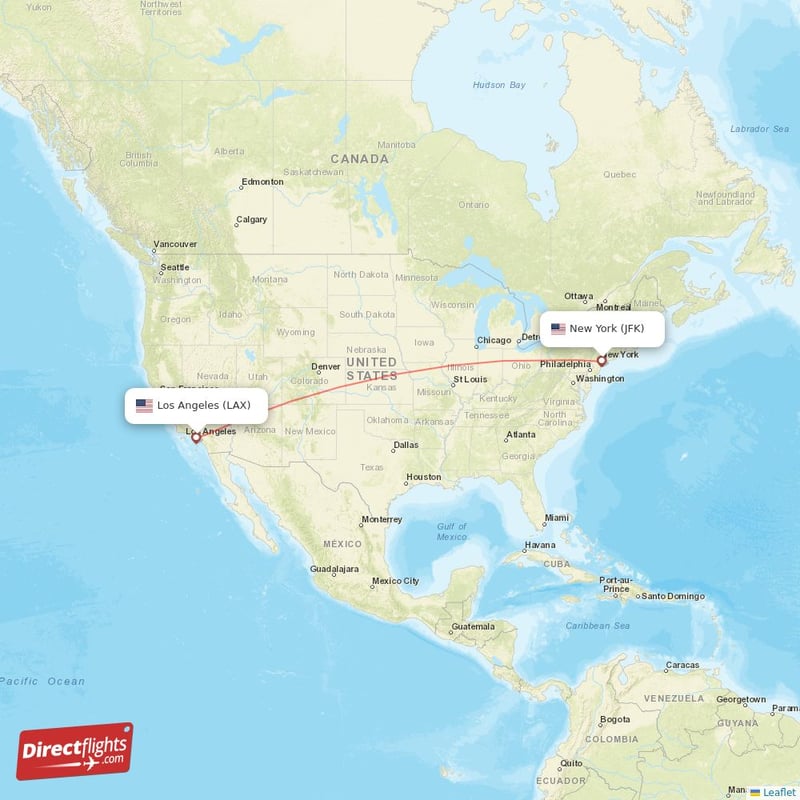
Embarking on a transcontinental journey across the United States is an exciting prospect, whether for business or leisure. The flight from Los Angeles on the West Coast to New York on the East Coast is one of the most frequently traveled domestic routes, connecting two of the nation’s most vibrant and influential cities. For many travelers, the primary question isn’t just about the destination but the journey itself: “How long is a flight from Los Angeles to New York?”
While a direct answer might seem straightforward, the actual duration of a flight between these two major hubs can vary significantly based on a multitude of factors. On average, a non-stop flight typically ranges from 5 to 6 hours. However, this is merely a baseline, as elements such as the type of aircraft, prevailing weather conditions, air traffic control, the specific airports chosen, and even the direction of travel can all play a crucial role in the total time spent in the air. Beyond the flight itself, understanding the nuances of planning such a trip, from choosing the right airline and airport to managing time zone changes, can greatly enhance the overall travel experience. This comprehensive guide will delve into these variables, offer tips for a smoother journey, and highlight some of the incredible experiences awaiting you at both ends of this iconic route.
Unpacking the Flight Duration: Factors at Play
The seemingly simple question of flight duration between Los Angeles and New York hides a fascinating interplay of aeronautical science, logistical planning, and natural phenomena. Understanding these factors can help travelers anticipate their journey more accurately and appreciate the complexity involved in modern air travel.
Non-Stop vs. Connecting Flights
The most significant differentiator in flight time is whether you choose a non-stop or a connecting flight. A direct, non-stop flight from a Los Angeles area airport to a New York area airport is the quickest option. These flights typically clock in at around 5 hours and 30 minutes to 6 hours and 15 minutes airborne. This streamlined approach minimizes ground time and maximizes efficiency, making it the preferred choice for business travelers and those with tight schedules. Major carriers like American Airlines, Delta Air Lines, United Airlines, JetBlue Airways, and Alaska Airlines frequently operate these non-stop routes, offering various classes of service from economy to premium transcontinental options.
Conversely, connecting flights, while often more budget-friendly, can substantially extend your travel time. A flight with one stop can easily stretch the total journey duration to 8 to 12 hours or even more, depending on the layover city and the length of the wait. Common layover cities for cross-country flights include major hubs like Chicago (O’Hare International Airport), Dallas (Dallas/Fort Worth International Airport), Denver (Denver International Airport), or Atlanta (Hartsfield-Jackson Atlanta International Airport). While connecting flights offer an opportunity to stretch your legs or grab a meal in a new city, they require more patience and planning, particularly when considering potential delays.
Aircraft Type and Airspeed
The type of aircraft plays a role in how quickly you traverse the country. Modern commercial airplanes, such as the Boeing 737 and Airbus A320 series, or larger wide-body jets like the Boeing 757, Boeing 787 Dreamliner, and Airbus A330, typically cruise at speeds between 500 and 600 miles per hour (800-965 km/h) at altitudes of 30,000 to 40,000 feet. While there isn’t a dramatic difference in speed between these aircraft types on a standard transcontinental route, newer, more aerodynamically efficient planes might shave a few minutes off the total flight time due to better fuel efficiency and slightly higher cruising speeds.
A more significant factor is the jet stream. Flights traveling from west to east (e.g., Los Angeles to New York) often benefit from the powerful high-altitude tailwinds of the jet stream, which can add 50-100 mph to the plane’s ground speed. This phenomenon can reduce flight times by 30 minutes to an hour compared to the return journey from east to west, where planes face headwinds. It’s why you’ll often find the LA-NY leg slightly faster than the NY-LA leg.

Weather and Air Traffic Control
Weather conditions are critical determinants of flight duration. Strong headwinds, as mentioned, can prolong a flight, especially when traveling against the jet stream. Conversely, tailwinds can shorten it. Beyond wind, severe weather events like thunderstorms, blizzards, or heavy fog can lead to rerouting, holds, or delays. Air traffic controllers might instruct planes to fly longer routes to avoid turbulent areas, adding minutes or even hours to the flight time.
Air traffic congestion, particularly around major hubs like Los Angeles International Airport (LAX) and John F. Kennedy International Airport (JFK) in New York, also plays a significant role. The Federal Aviation Administration (FAA) manages a complex system of flight paths and arrival/departure queues. During peak travel times or unexpected incidents, planes might be held on the tarmac before takeoff, placed in holding patterns in the air, or assigned longer flight paths to manage the flow of traffic. These delays, though often minor, accumulate and can affect the punctuality of a flight.
Time Zones and Perceived Travel Time
While not affecting the actual airborne duration, the three-hour time difference between Pacific Standard Time (PST) in Los Angeles and Eastern Standard Time (EST) in New York significantly impacts the perceived travel time and introduces the concept of jet lag. When you depart Los Angeles at, say, 9:00 AM PST, a 5.5-hour flight means you will arrive in New York at approximately 5:30 PM EST. Although you’ve only been airborne for a little over five hours, your body’s internal clock will feel like it’s much later than it actually is. This “loss” of three hours from your day can be disorienting and often leads to jet lag, characterized by fatigue, disrupted sleep patterns, and difficulty concentrating.
Adjusting to the new time zone quickly is crucial for making the most of your trip. Strategies include staying hydrated on the flight, adjusting your sleep schedule a few days before departure, and trying to adapt to the local time immediately upon arrival by exposing yourself to daylight and avoiding naps.
Planning Your Transcontinental Journey
A flight from Los Angeles to New York is more than just the time spent in the air; it’s a comprehensive travel experience. Thoughtful planning can transform a potentially grueling cross-country trip into a seamless and enjoyable adventure, encompassing everything from airport selection to in-flight comfort.
Choosing Your Departure and Arrival Airports
Both Los Angeles and New York are served by multiple airports, each with its own advantages and disadvantages concerning location, airlines, and ground transportation.
For departures from the Los Angeles area, the primary hub is Los Angeles International Airport (LAX). LAX offers the most frequent flights, the widest range of airlines, and often the most competitive prices for transcontinental routes. However, it’s also known for its size and potential for heavy traffic and congestion. Alternative airports include Hollywood Burbank Airport (BUR) and Long Beach Airport (LGB). These smaller airports often provide a less hectic experience, shorter security lines, and easier access depending on your starting point in Southern California. While they may have fewer direct flights to New York, they can be excellent choices for specific airlines like Southwest Airlines or for travelers seeking a quieter start to their journey.
In the New York metropolitan area, travelers have three main options for arrival: John F. Kennedy International Airport (JFK) in Queens, Newark Liberty International Airport (EWR) in New Jersey, and LaGuardia Airport (LGA), also in Queens.
- JFK is the largest and farthest from Manhattan, but it offers extensive public transportation options, including the AirTrain JFK connecting to subway and commuter rail lines. Many premium transcontinental flights land here.
- EWR is a major hub for United Airlines and is a convenient option for those heading to Downtown Manhattan or destinations in New Jersey. It also has an AirTrain system that connects to NJ Transit trains.
- LGA is the closest to Manhattan and primarily handles domestic flights. While traditionally known for its older facilities, extensive renovations have transformed it into a modern and efficient airport, making it a popular choice for its proximity. However, public transport options traditionally involved buses, though new AirTrain LGA plans are underway.
Consider your final destination in the New York area and the available ground transportation when selecting your arrival airport.
Optimizing Your Booking: Best Time to Fly and Airlines
Booking your flight strategically can save you money and enhance your experience. Generally, purchasing tickets 2-3 months in advance yields the best prices, though flexibility with dates can uncover last-minute deals. Mid-week flights (Tuesday through Thursday) are often cheaper than weekend travel, and red-eye flights (late-night departures) can also be more economical. Traveling during the off-season, such as late fall or early winter (excluding holidays), typically offers lower fares and less crowded airports.
As mentioned, several major airlines operate non-stop service between Los Angeles and New York. When choosing an airline, consider not just the price and flight time but also the in-flight amenities. For a nearly six-hour flight, features like seat pitch, Wi-Fi availability, entertainment systems, and complimentary food and beverage service can significantly impact your comfort. Some airlines offer dedicated premium transcontinental services with lie-flat seats and enhanced dining, ideal for those seeking a luxury travel experience or needing to work productively. For budget-conscious travelers, airlines like Southwest Airlines (often with a connection) provide competitive fares, although with fewer frills.
Essential Pre-Flight and In-Flight Tips
To ensure a comfortable and healthy journey across the country, especially with the time zone shift, keep these tips in mind:
- Hydration is Key: Airplane cabins have low humidity, which can lead to dehydration. Drink plenty of water before and during your flight, and limit caffeine and alcohol.
- Dress for Comfort: Opt for loose-fitting, comfortable clothing and layers, as cabin temperatures can fluctuate. Compression socks can also be beneficial to prevent swelling on longer flights.
- Move Around: To minimize the risk of deep vein thrombosis (DVT) and improve circulation, stand up, stretch, and walk the aisle periodically. Perform simple leg and foot exercises in your seat.
- Stay Entertained: Load your devices with movies, TV shows, podcasts, or e-books. Consider noise-canceling headphones to block out cabin noise and help you relax or sleep.
- Snacks: While airlines provide snacks or meals, bringing your own healthy options (nuts, fruit, energy bars) can be a lifesaver, especially if you have dietary restrictions.
- Adjust to the Time Zone: Try to adjust your watch to New York time as soon as you board. Upon arrival, expose yourself to natural light and try to adhere to the local sleep schedule to mitigate jet lag.
- Plan Ground Transportation: Book your taxi, ride-share, or research public transportation options from your arrival airport to your accommodation in advance to avoid last-minute stress.
Beyond the Flight: Exploring Los Angeles and New York
While the flight duration is a practical consideration, the real adventure lies in experiencing the unique cultures and iconic attractions of these two magnificent cities. Both Los Angeles and New York offer a diverse array of activities, from world-famous landmarks to hidden local gems, catering to every type of traveler – be it luxury, budget, family, or business.
Iconic Experiences in the City of Angels
Los Angeles, the sprawling metropolis of Southern California, is synonymous with glamour, entertainment, and a laid-back lifestyle.
- Hollywood Glamour: No visit is complete without strolling the Hollywood Walk of Fame, seeing the Hollywood Sign from Griffith Observatory (which also offers stunning city views), or exploring the magic of Universal Studios Hollywood.
- Beach Life: Embrace the quintessential California beach scene at Santa Monica Pier with its iconic Ferris wheel, or soak in the vibrant, eclectic atmosphere of Venice Beach and its boardwalk performers.
- Luxury and Shopping: Indulge in high-end shopping and celebrity spotting in Beverly Hills, particularly along Rodeo Drive.
- Culture and Cuisine: Los Angeles boasts world-class museums like The Getty Center and a diverse culinary scene ranging from gourmet food trucks to Michelin-starred restaurants.
For accommodation, Los Angeles offers everything from opulent resorts like The Beverly Wilshire in Beverly Hills and The Standard Downtown LA for a more urban-chic experience, to charming boutique hotels in beach communities or apartments for longer stays. Whether you’re planning a family trip to the theme parks or a luxury getaway, Los Angeles has a perfect base for your adventures.
The Unforgettable Allure of the Big Apple
New York City, the “City That Never Sleeps,” is a global icon of culture, commerce, and innovation, offering an unparalleled urban experience.
- Iconic Landmarks: Witness the dazzling lights of Times Square, find serenity in Central Park, gaze upon the majestic Statue of Liberty, and enjoy panoramic views from the Empire State Building or Top of the Rock.
- Arts and Culture: Catch a world-class show on Broadway, explore masterpieces at the Metropolitan Museum of Art or the Museum of Modern Art (MoMA), and discover the vibrant music and art scenes in neighborhoods like Greenwich Village and Harlem.
- Diverse Neighborhoods: Beyond Manhattan, explore the trendy boutiques and eateries of Brooklyn or the historic charm of The Bronx, Queens, and Staten Island.
- Culinary Capital: From classic New York-style pizza and bagels to Michelin-starred dining and diverse international cuisines, the city is a paradise for foodies.
Accommodation options in New York City range from historic luxury hotels like The Plaza Hotel and St. Regis New York to trendy boutique hotels such as Ace Hotel New York or stylish apartments available for short-term stays. Whether you’re visiting for a quick business trip, a romantic getaway, or a family vacation, New York offers an unparalleled array of hotels, suites, and resorts to suit every preference and budget, promising an unforgettable urban experience.
In conclusion, while the direct flight from Los Angeles to New York typically spans about 5.5 to 6.5 hours, the total journey is influenced by a dynamic blend of aviation logistics, environmental factors, and personal choices. By understanding these elements and meticulously planning your travel, you can ensure a smooth transition between these two iconic American cities, ready to immerse yourself in the distinct wonders each destination holds. This transcontinental route is more than just a means of transport; it’s a gateway to diverse experiences, vibrant cultures, and unforgettable memories.
LifeOutOfTheBox is a participant in the Amazon Services LLC Associates Program, an affiliate advertising program designed to provide a means for sites to earn advertising fees by advertising and linking to Amazon.com. Amazon, the Amazon logo, AmazonSupply, and the AmazonSupply logo are trademarks of Amazon.com, Inc. or its affiliates. As an Amazon Associate we earn affiliate commissions from qualifying purchases.