
Embarking on a transcontinental journey across the United States is an experience that promises a blend of adventure and anticipation. Among the most popular routes is the vibrant connection between the sprawling metropolis of Los Angeles on the West Coast and the iconic New York City on the East Coast. Whether you’re traveling for business, pleasure, or a blend of both, understanding the nuances of this flight, from its duration to the best ways to maximize your journey, is key to a seamless travel experience. This guide delves into everything you need to know about flying from Los Angeles (LA) to New York, offering insights that cater to various aspects of travel, accommodation, tourism, and lifestyle choices, ensuring your trip is as enjoyable as the destinations themselves.
The allure of both Los Angeles and New York is undeniable. Los Angeles, with its Hollywood glamour, diverse cultural scene, and beautiful beaches, offers a distinctly Californian lifestyle. New York City, on the other hand, is a global hub of finance, fashion, art, and theatre, bustling with an energy that’s uniquely its own. Bridging these two titans of American culture requires a flight that, while significant in duration, opens up a world of possibilities at either end.
Understanding the Flight Path and Duration
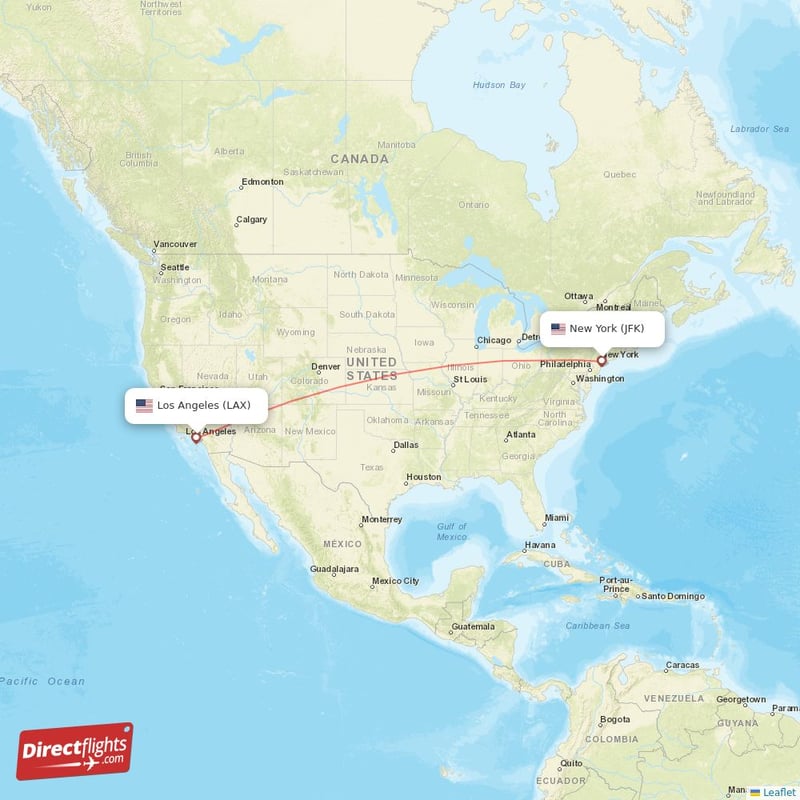
The direct air distance between Los Angeles and New York is approximately 2,475 miles (3,983 kilometers). However, the actual flight time can vary considerably based on several factors, including the type of flight, prevailing weather conditions, and air traffic control considerations.
Non-Stop Flights: The Direct Route
For most travelers, a non-stop flight is the preferred option, offering the quickest and most convenient way to traverse the continent. These flights typically depart from Los Angeles International Airport (LAX) and arrive at one of New York’s major airports: John F. Kennedy International Airport (JFK), Newark Liberty International Airport (EWR) in New Jersey (serving the New York City area), or LaGuardia Airport (LGA).
The average duration for a non-stop flight from LAX to JFK, EWR, or LGA is generally between 5 hours and 30 minutes to 6 hours and 30 minutes when flying eastbound. This shorter duration is often attributed to the powerful jet stream that flows from west to east across the United States, providing a beneficial tailwind. Conversely, flights from New York to Los Angeles flying westbound against the jet stream tend to be slightly longer, typically ranging from 6 hours to 7 hours.
Major airlines offering frequent non-stop services on this route include Delta Air Lines, United Airlines, American Airlines, JetBlue Airways, and Alaska Airlines. These carriers often provide a range of cabin classes, from basic economy to premium first class, allowing travelers to choose an option that best suits their budget and comfort preferences.

Flights with Layovers: Adding Time to Your Journey
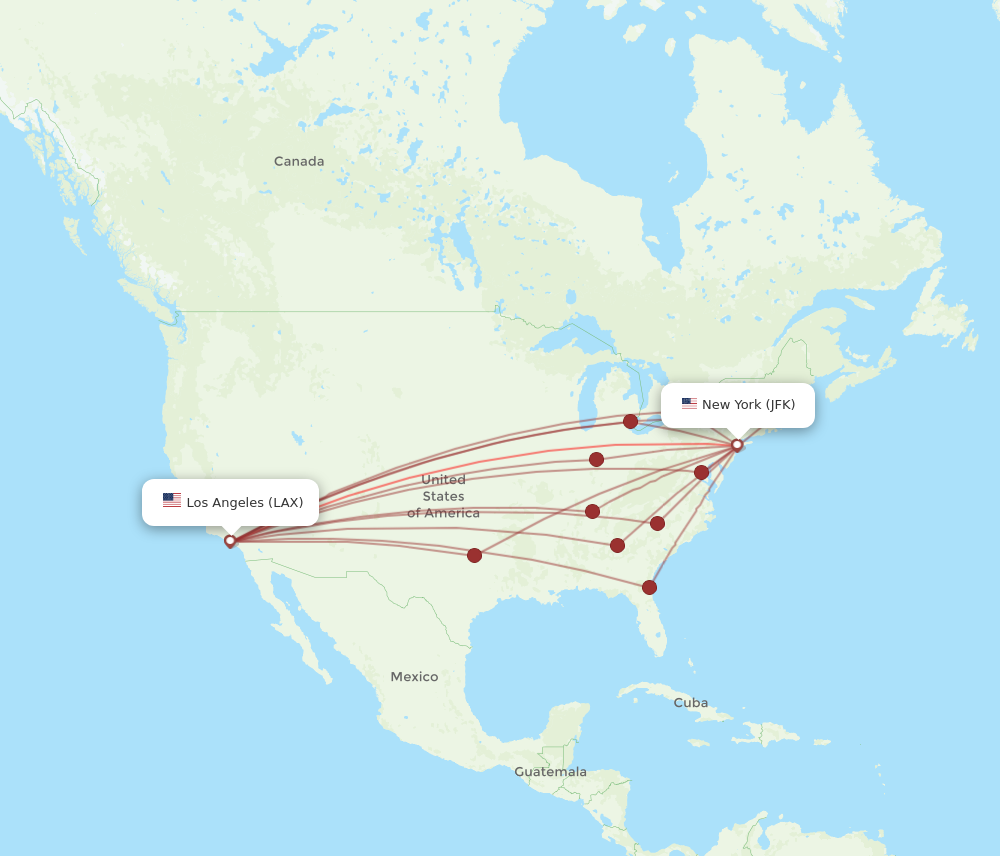
While non-stop flights are convenient, sometimes a flight with a layover can be a more economical choice, or it might be the only option available depending on your specific travel dates and times. Flights with one or more stops can significantly extend your total travel time. Common layover cities for this route include major airline hubs such as Chicago (O’Hare International Airport), Dallas (Dallas/Fort Worth International Airport), Denver (Denver International Airport), and Atlanta (Hartsfield-Jackson Atlanta International Airport).
The total duration for a flight with a layover can range anywhere from 8 hours to 12 hours or more, depending on the length of the layover and the connection efficiency. While this adds considerable time to your journey, it can sometimes be an opportunity to stretch your legs, grab a meal, or even explore a new airport before continuing your journey. It’s crucial to factor in layover times when planning your itinerary, especially if you have connecting flights or appointments upon arrival.
Factors Influencing Flight Duration
Beyond the basic direct flight versus layover distinction, several dynamic factors can influence the actual time you spend in the air:
- Jet Stream: As mentioned, the powerful atmospheric currents of the jet stream play a significant role. Eastbound flights benefit from tailwinds, reducing flight time, while westbound flights face headwinds, increasing it.
- Air Traffic Control (ATC): Both LAX and New York’s airports are among the busiest in the world. ATC delays due to congestion, runway availability, or ground holds can add minutes, and sometimes hours, to your scheduled travel time.
- Weather Conditions: Adverse weather, such as strong winds, thunderstorms, or snowstorms at either departure or arrival airports, or along the flight path, can lead to route deviations, holding patterns, or even diversions, all of which extend flight duration.
- Aircraft Type: While less impactful than the jet stream or weather, different aircraft models have varying cruising speeds and efficiencies. Modern, fuel-efficient planes might shave a few minutes off the journey compared to older models.
Preparing for Your Transcontinental Journey
A long flight, even a non-stop one across the country, requires some preparation to ensure maximum comfort and minimize travel stress.
Choosing Your Ideal Flight and Airline
Selecting the right flight involves more than just looking at the price tag. Consider the following:
- Departure and Arrival Times: A red-eye flight (departing late at night) might save you a day, but ensure you can sleep on a plane to avoid arriving exhausted. Morning flights allow you to arrive refreshed and make the most of your first day.
- Airline Loyalty and Amenities: If you’re loyal to a particular airline, consider the benefits (mileage accrual, status perks). Also, research in-flight amenities such as Wi-Fi availability, entertainment systems, seat pitch, and complimentary meals or snacks. Some airlines offer lie-flat seats in premium cabins, transforming a long flight into a comfortable, productive, or restful experience.
- Booking Strategy: Booking your flight in advance, typically 2-3 months out, often yields the best fares. Utilize flight comparison websites to scout for deals, but also check airline websites directly, as they sometimes offer exclusive promotions. Consider flying during off-peak seasons or weekdays for potentially lower prices and less crowded airports.
Making the Most of Your Time in the Air
Once you’ve chosen your flight, focus on making the journey itself enjoyable:
- Comfort is Key: Dress in loose, comfortable clothing and layers, as cabin temperatures can fluctuate. A neck pillow, eye mask, and noise-canceling headphones are invaluable for rest and relaxation.
- Stay Entertained: While most modern planes offer in-flight entertainment, it’s wise to bring your own. Download movies, TV shows, podcasts, audiobooks, or e-books onto your devices. A good old-fashioned book can also be a perfect companion.
- Hydrate and Move: Air travel can be dehydrating. Drink plenty of water and avoid excessive alcohol or caffeine. Get up and walk around the cabin every hour or two to promote circulation and prevent stiffness. Simple stretches in your seat can also help.
- Time Zone Adjustment: Los Angeles is three hours behind New York (Pacific Time vs. Eastern Time). Upon boarding, adjust your watch to the destination time. Try to sleep during what would be nighttime in New York and stay awake during daytime hours to help minimize jet lag.
Beyond the Flight: Experiencing Los Angeles and New York
The flight is merely the bridge between two incredibly distinct and vibrant travel destinations. Both Los Angeles and New York offer a wealth of experiences, from world-class dining and cultural institutions to iconic landmarks and unique local attractions.
Arriving in the Big Apple: First Steps in New York City
Upon landing at JFK, EWR, or LGA, your first task will be navigating into the heart of New York City. Options include the AirTrain JFK connecting to the MTA subway and commuter rail, NJ Transit from Newark, express buses, taxis, or ride-sharing services. Each offers varying levels of convenience and cost, depending on your final destination in Manhattan or other boroughs.
Once settled, New York opens up with an endless array of tourism opportunities. Must-see landmarks include the dazzling lights of Times Square, the tranquil expanses of Central Park, the majestic Statue of Liberty and Ellis Island, and panoramic views from the Empire State Building or Top of the Rock.
Accommodation in New York ranges from opulent luxury hotels like The Plaza Hotel overlooking Central Park to chic boutique hotels in Greenwich Village and more budget-friendly options in outer boroughs. Booking in advance is highly recommended, especially during peak tourist seasons, to secure your preferred location and price point. Consider an apartment rental for a more local experience, particularly for longer stays.
The Allure of Los Angeles: Before You Depart or After You Arrive
If Los Angeles is your destination, or if you’re spending time there before heading to New York, the city offers its own distinct charm. Navigating Los Angeles typically requires a car, though ride-sharing services and a growing public transport system are available.
Explore the iconic Hollywood Walk of Fame and the glamour of Beverly Hills, perhaps spotting a celebrity. Relax on the sandy shores and vibrant boardwalk of Santa Monica Pier, or hike to the Griffith Observatory for stunning views of the city skyline and the Hollywood Sign. Disneyland Resort in nearby Anaheim is another major draw for families and theme park enthusiasts.
Los Angeles boasts a diverse range of accommodation. From historic luxury hotels like The Beverly Hills Hotel to stylish resorts along the coast, and family-friendly hotels near attractions, there’s an option for every budget and lifestyle. For those seeking a long-term stay, serviced apartments and villas offer an ideal solution.
Maximizing Your Travel Experience Between Coasts
Making the most of your journey between these two powerhouse cities involves thoughtful planning of both the travel itself and your time at each destination.
Seamless Accommodation and Lifestyle Choices
When planning your trip, consider your overall lifestyle preferences and budget. For those embracing luxury travel, both cities offer world-class hotels, suites, and resorts with unparalleled amenities, from concierge services to Michelin-starred dining. Options such as The Peninsula Beverly Hills or The St. Regis New York provide exquisite experiences. If budget travel is more your style, hostels, guesthouses, and strategically chosen hotels or apartment rentals can provide comfortable stays without breaking the bank. Family trips often benefit from suites or apartments with extra space and kitchenettes, while business stays might prioritize locations close to financial districts or convention centers. Comparison sites and advance booking are crucial for securing the best accommodation deals.
Embracing Local Culture and Cuisine
Beyond the major landmarks, diving into the local culture and food scene in both Los Angeles and New York enriches the travel experience.
In New York, explore diverse neighborhoods such as the historic charm of Greenwich Village, the culinary delights of Little Italy and Chinatown, or the artistic vibe of Brooklyn. A visit to Broadway for a world-class show is a quintessential New York experience. The city’s food scene is legendary, offering everything from street food vendors to upscale fine dining, reflecting its incredibly diverse population.
Los Angeles similarly boasts a vibrant cultural tapestry. Explore the museums of Exposition Park, stroll through the Fashion District, or discover the vibrant street art scene. The culinary landscape is just as diverse, known for its healthy eating trends, world-class Mexican food, innovative fusion cuisine, and celebrity chef restaurants. Don’t forget to experience a quintessential California beach day at Malibu or Laguna Beach.
Tips for a Smooth Journey
To ensure your entire journey, from departure to arrival, is as smooth as possible:
- Pack Smart: Travel light if possible to avoid baggage fees and streamline airport navigation. Consider a carry-on only if feasible for your trip duration.
- Airport Security: Familiarize yourself with TSA guidelines regarding liquids, electronics, and prohibited items to ensure a swift passage through security.
- Stay Connected: Carry a portable charger for your devices. If traveling internationally or planning to rely heavily on data, consider a local SIM card or an international e-SIM.
- Travel Insurance: For any significant trip, travel insurance is a wise investment, providing peace of mind against unforeseen events like flight delays, lost luggage, or medical emergencies.
In conclusion, the flight duration from Los Angeles to New York is primarily between 5.5 and 7 hours for a non-stop journey, with layovers extending this considerably. However, the true measure of this trip lies not just in the time spent in the air, but in the experiences crafted around it. By understanding the factors influencing your flight, preparing thoughtfully, and immersing yourself in the unique offerings of both Los Angeles and New York City, you can transform a simple transcontinental crossing into an unforgettable adventure. Whether you’re chasing the California sun or embracing the relentless energy of the Big Apple, this journey is a testament to the diverse beauty and dynamic spirit of travel across the United States.
LifeOutOfTheBox is a participant in the Amazon Services LLC Associates Program, an affiliate advertising program designed to provide a means for sites to earn advertising fees by advertising and linking to Amazon.com. Amazon, the Amazon logo, AmazonSupply, and the AmazonSupply logo are trademarks of Amazon.com, Inc. or its affiliates. As an Amazon Associate we earn affiliate commissions from qualifying purchases.