
New York, often referred to as the Empire State, is a global epicenter of culture, commerce, and tourism. From the iconic skyscrapers of Manhattan to the serene landscapes of the Hudson Valley and the majestic beauty of Niagara Falls, this diverse state offers an unparalleled array of experiences. For millions of travelers arriving each year, their journey begins and ends at one of New York’s many airports. But exactly how many airports facilitate this incredible influx of visitors and keep the state connected to the world?
The answer is multifaceted, depending on whether one considers only the primary international gateways serving New York City (NYC), or the broader network of commercial and regional airports spread across the entire state. While most travelers immediately think of the big three serving the metropolitan area – John F. Kennedy International Airport (JFK), Newark Liberty International Airport (EWR), and LaGuardia Airport (LGA) – the truth is that New York is home to a robust system of dozens of public and private airfields. For the purposes of commercial passenger travel, however, we primarily focus on a handful of key airports that serve as vital arteries for travel, tourism, and business. Understanding this network is crucial for anyone planning a visit, seeking efficient accommodation near an airport, or simply exploring the vast travel opportunities within the state.
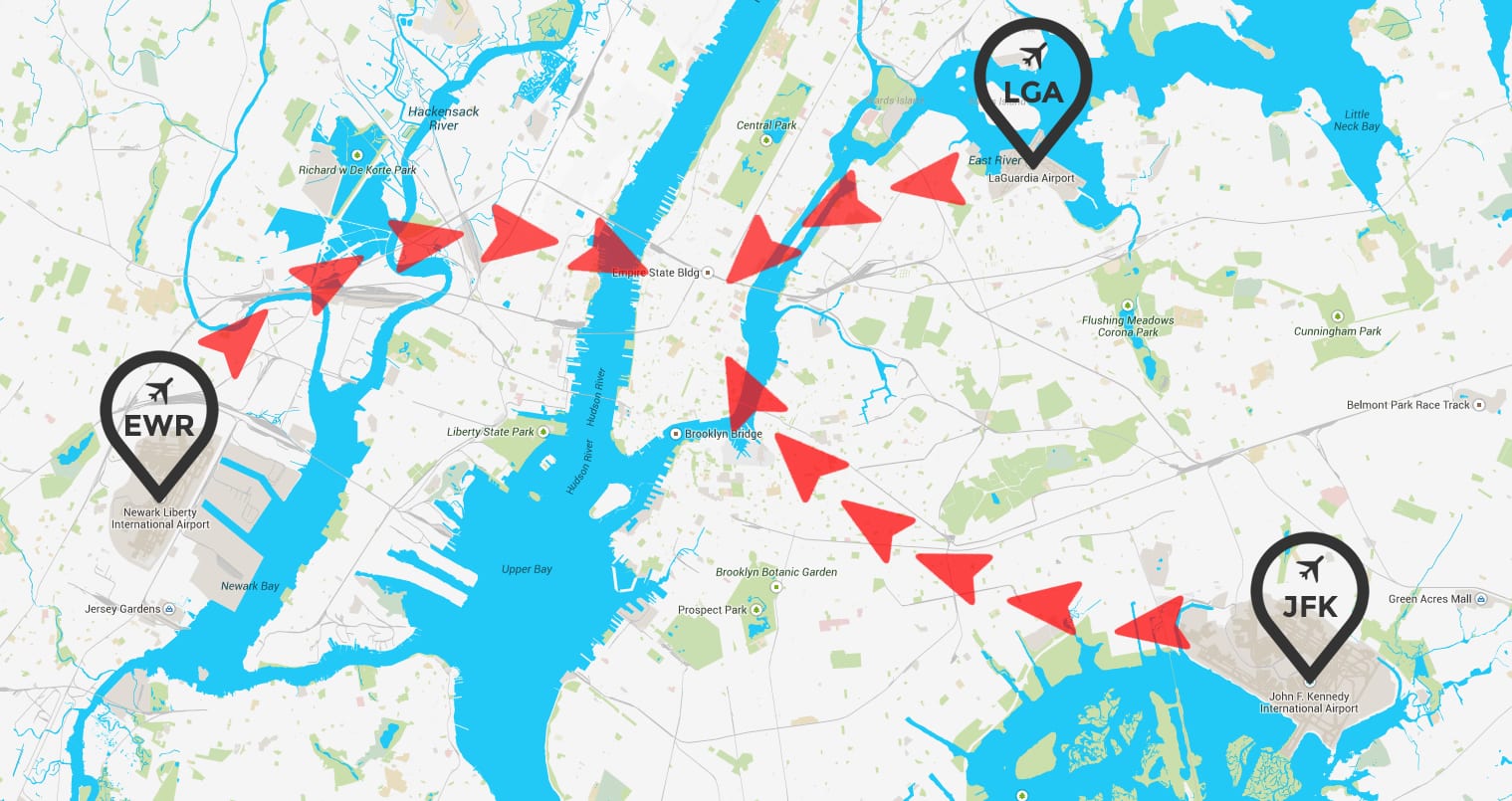
New York City’s Primary Air Hubs: Gateways to the Empire State
When most people ask about airports in New York, they are typically referring to the three major international airports that serve the greater metropolitan area. Managed by the Port Authority of New York and New Jersey, these hubs are not just points of transit but integral parts of the New York experience, shaping everything from travel logistics to the very first impressions of the city.
John F. Kennedy International Airport (JFK): The Iconic International Gateway
Located in Queens, New York, JFK is arguably the most famous and largest of New York City’s airports. As a premier international hub, it welcomes millions of visitors from across the globe each year, making it a critical entry point for international tourism and business travel. JFK boasts an impressive array of terminals, each offering a distinct experience with a wide variety of dining, shopping, and services, including luxurious airport lounges.
Navigating to and from JFK is facilitated by several transport options. The AirTrain connects all terminals to both the Long Island Rail Road (LIRR) and the NYC subway system, providing efficient, albeit sometimes crowded, routes into Manhattan and other boroughs. Taxis, ride-shares, and private car services are also readily available, offering convenience at a higher cost. For those with early morning flights or late arrivals, numerous hotels are located near the airport, including the iconic TWA Hotel at JFK, which offers a unique retro-chic experience right on airport grounds.
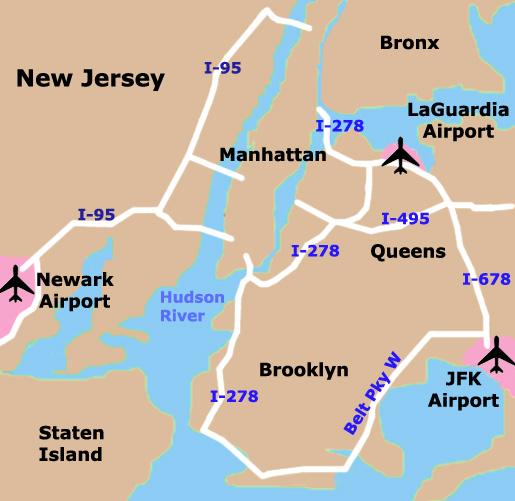
Newark Liberty International Airport (EWR): A Vital Link to NYC and Beyond
Though physically located in Newark, New Jersey, EWR is an indispensable part of the New York City metropolitan airport system. It serves as a major hub for several airlines, handling both domestic and international flights, and often provides alternative flight options and pricing for travelers heading to NYC. Its proximity to Manhattan makes it a popular choice, especially for those looking to explore both New York and neighboring New Jersey.
Similar to JFK, EWR offers its own AirTrain system, which connects passengers to NJ Transit and Amtrak lines, providing direct train service to New York Penn Station in Manhattan. Bus services, taxis, and ride-shares also operate extensively. The amenities at EWR have undergone significant modernization, offering a comfortable experience with diverse dining and shopping options. Many reputable hotel chains, such as various Marriott Hotels, are situated just minutes from the terminals, ideal for a convenient overnight stay.
LaGuardia Airport (LGA): Revitalized for Domestic Convenience
Also located in Queens, LGA has long been the preferred airport for domestic travelers seeking closer proximity to Manhattan. While historically known for its older infrastructure, LGA has recently completed a monumental multi-billion-dollar redevelopment, transforming it into a state-of-the-art facility. Its modern terminals now feature stunning architecture, abundant natural light, a wide array of upscale dining establishments, and enhanced traveler amenities, making for a significantly improved experience.
LGA primarily handles domestic flights, though it does serve some short-haul international destinations, notably within Canada. Transportation to and from LGA typically involves bus services connecting to subway lines, taxis, and ride-shares. An AirTrain link is under construction, promising to further streamline travel to and from the airport. Its closer location makes it particularly appealing for business travelers and those visiting Brooklyn or Queens, reducing ground travel time significantly compared to JFK or EWR.
Exploring Beyond the Metropolis: Regional Airports Across New York State
While the NYC airports dominate the conversation, New York State is a vast and diverse region, supported by a network of smaller, yet equally crucial, regional airports. These airports play a vital role in connecting local communities, facilitating internal state travel, and offering convenient access to various attractions outside the immediate metropolitan area.
Stewart International Airport (SWF): A Strategic Alternative
Located in Newburgh in the Hudson Valley, about 60 miles north of Manhattan, Stewart International Airport (SWF) offers a compelling alternative for travelers. It caters primarily to budget airlines and those seeking to avoid the congestion and higher costs often associated with the larger NYC airports. SWF is an excellent gateway for exploring upstate New York’s picturesque landscapes, historic sites, and charming towns. It’s particularly convenient for visitors heading to destinations like West Point, the Woodbury Common Premium Outlets, or the burgeoning wine regions of the Hudson Valley. Regular bus services connect SWF to the Port Authority Bus Terminal in Manhattan, making it a viable option even for city-bound travelers who prioritize cost savings.
Upstate Connectivity: Albany, Buffalo, and More
Beyond SWF, several other commercial airports serve various regions of New York State:
- Albany International Airport (ALB): Serving the state capital, Albany, this airport is crucial for government officials, business travelers, and tourists visiting the Capital Region, the Adirondacks, or attending events at local universities. It offers connections to major hubs across the United States.
- Buffalo Niagara International Airport (BUF): Located in western New York, BUF is the primary gateway for visitors to the city of Buffalo, the surrounding Niagara Frontier, and, most famously, Niagara Falls. It also serves as a convenient point of entry for Canadians living across the border.
- Greater Rochester International Airport (ROC): In the Finger Lakes region, ROC connects travelers to Rochester and its vibrant cultural scene, as well as the renowned wineries and natural beauty of the surrounding area.
- Syracuse Hancock International Airport (SYR): Serving Syracuse and Central New York, SYR is an essential link for university students, local businesses, and visitors exploring the region’s diverse offerings, from outdoor recreation to historical sites.
These regional airports, along with several smaller general aviation airports scattered throughout the state, collectively ensure that all corners of New York are accessible by air, supporting both local communities and the state’s broader tourism industry.
Navigating Your Arrival: Choosing the Best Airport for Your New York Adventure
With multiple airports serving New York and its surrounding areas, selecting the right one can significantly impact your travel experience, overall budget, and convenience. Making an informed choice involves considering several factors, aligning with your personal travel lifestyle and trip objectives.
Factors for Selection: Proximity, Cost, and Convenience
When planning your trip to New York, here are key considerations for choosing your arrival or departure airport:
- Your Final Destination: If your primary destination is Manhattan, LGA might offer the shortest ground travel time, especially to Midtown or the Upper East Side. For Brooklyn or Queens, JFK or LGA are often most convenient. If you’re heading to New Jersey, Staten Island, or even parts of Lower Manhattan, EWR could be your best bet due to its excellent rail connections. For upstate New York, a regional airport like SWF or ALB will save you significant time and effort.
- Flight Costs and Airlines: Airfares can vary significantly between the airports. Budget travelers might find better deals flying into EWR or even SWF, particularly if they are flexible with travel dates and willing to use public transportation. Major international flights are almost exclusively handled by JFK and EWR.
- Ground Transportation Costs and Time: While a flight into LGA might seem cheaper, factor in the cost and time of getting to your hotel. Taxis from JFK or EWR into Manhattan can be expensive, especially with tolls and potential traffic. Public transport options like the AirTrain and subway/train are more economical but take longer.
- Time of Day/Week: Traffic in the NYC metropolitan area can be notoriously heavy. Landing at an airport during peak commuting hours can add considerable delays to your journey. Consider off-peak arrivals or departures when possible.
- Traveler Preferences: Some travelers prioritize the modern amenities of a newly renovated airport like LGA, while others might seek the diverse international connections of JFK. Business travelers might opt for the closest and most efficient airport to their meeting location, while leisure travelers might prioritize cost savings and the overall experience.
Enhancing Your Airport Experience: Accommodation and Amenities
Beyond simply arriving or departing, airports have become destinations in themselves, offering a range of services that cater to modern traveler lifestyles. For those with long layovers, early morning flights, or late arrivals, considering accommodation options near the airport can significantly reduce stress. The TWA Hotel at JFK is a prime example of an on-site hotel offering convenience and a unique experience. Similarly, both EWR and LGA are surrounded by various hotel options, from budget-friendly inns to full-service establishments, ensuring travelers can find a suitable place to rest.
Furthermore, the major New York airports have invested heavily in enhancing the passenger experience. Travelers can enjoy world-class dining, from quick bites to gourmet meals, extensive retail therapy at duty-free shops and boutiques, and access to exclusive airport lounges that offer comfort, connectivity, and complimentary refreshments. These amenities transform the airport from a mere transit point into a comfortable extension of your travel journey, embodying aspects of luxury travel even during layovers.

The Economic and Cultural Significance of New York’s Airports
The network of airports in New York is far more than just concrete runways and terminal buildings; they are vital engines driving the state’s economy, cultural exchange, and global connectivity.
Fueling Tourism and Economic Growth
New York’s airports are the primary gateways for the millions of domestic and international tourists who flock to the state each year. This influx directly fuels the massive tourism industry, supporting hotels, restaurants, attractions, entertainment venues, and a myriad of related services. Beyond tourism, the airports facilitate critical business travel, enabling companies to connect with clients, partners, and markets worldwide. This connectivity is essential for New York’s status as a financial, media, and fashion capital. The airports themselves are massive employers, creating tens of thousands of jobs directly and indirectly, contributing significantly to local economies in Queens, Newark, and upstate regions.
Historical Footprints and Future Horizons
The history of New York’s airports is intertwined with the history of aviation itself. From the early days of commercial flight to the jet age, airports like JFK (originally Idlewild Airport) have witnessed groundbreaking moments, from the arrival of world leaders to the welcoming of immigrants pursuing the American dream. They stand as enduring landmarks, symbols of arrival and departure, connecting personal stories to global narratives.
Looking ahead, New York’s airports continue to evolve. Ongoing modernization projects, like the transformation of LGA, and continuous investments in technology and infrastructure at JFK and EWR ensure they remain competitive and capable of handling future growth in air travel. These developments not only improve efficiency and passenger comfort but also solidify New York’s position as a global leader in travel and connectivity.
In conclusion, while the precise number of airports in New York depends on the definition – ranging from the three major NYC hubs to dozens of commercial and regional facilities across the state – their collective importance cannot be overstated. They are essential not just as points on a map but as vibrant gateways that shape travel experiences, drive economic prosperity, and connect the Empire State to the rest of the world. Whether you’re planning a luxurious escape, a budget-friendly adventure, or a family trip, understanding the breadth and depth of New York’s airport system is the first step towards a seamless and unforgettable journey.
LifeOutOfTheBox is a participant in the Amazon Services LLC Associates Program, an affiliate advertising program designed to provide a means for sites to earn advertising fees by advertising and linking to Amazon.com. Amazon, the Amazon logo, AmazonSupply, and the AmazonSupply logo are trademarks of Amazon.com, Inc. or its affiliates. As an Amazon Associate we earn affiliate commissions from qualifying purchases.