
New York City, a global epicenter of culture, finance, and innovation, is renowned for many things: its towering skyscrapers, iconic landmarks, vibrant arts scene, and, perhaps most famously, its unparalleled culinary landscape. For visitors and residents alike, the question isn’t if you’ll find something delicious to eat, but rather how you’ll choose from the overwhelming abundance of options. The sheer number of restaurants in New York City is staggering, reflecting the city’s diverse population, dynamic economy, and insatiable appetite for new flavors and experiences. It’s a city where every street corner, every neighborhood, and every borough tells a unique gastronomic story, making it a dream destination for any food enthusiast.
From humble street food vendors to Michelin-starred fine dining establishments, the culinary ecosystem of New York City is a microcosm of the world itself. It’s a place where you can savor authentic Ethiopian injera, experience the delicate artistry of Japanese omakase, indulge in a classic Italian-American feast, or grab a quintessential New York bagel and coffee – all within a short distance. This incredible density and diversity of eateries not only fuel the city’s residents and millions of annual tourists but also serve as a significant engine for its economy, fostering innovation and maintaining its status as a leading global tourism destination. Understanding the scale and scope of this culinary empire is key to appreciating the city’s vibrant lifestyle and the unforgettable experiences it offers. Whether you’re planning a trip focused on luxury travel, seeking budget-friendly eats, or simply curious about the economic impact of food on a megalopolis, New York City’s restaurant scene offers endless avenues for exploration.
The Astonishing Scale of New York’s Culinary Scene
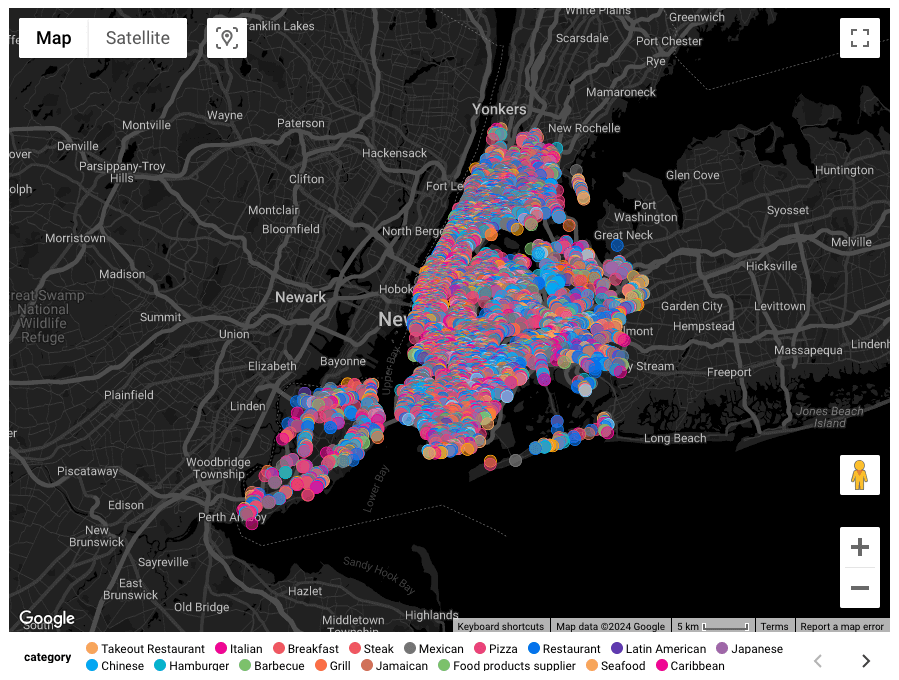
Pinpointing the exact number of restaurants in New York City is akin to trying to count the stars in the night sky – it’s constantly changing, with new establishments opening and others closing their doors every day. However, official statistics and industry reports provide a fascinating glimpse into the colossal scale of this gastronomic hub. Typically, estimates range from 25,000 to over 35,000 active food establishments across the five boroughs, including full-service restaurants, cafes, bars with food service, delis, bakeries, and street food carts. The New York City Department of Health and Mental Hygiene (DOHMH) is responsible for inspecting and licensing these establishments, and their public data often reflects this massive inventory.
This incredible density isn’t just about quantity; it’s about the sheer variety and innovation that thrive within such a competitive market. Every neighborhood, from the bustling streets of Manhattan to the diverse enclaves of Queens and the trendy boulevards of Brooklyn, contributes to this rich tapestry. The city’s status as a top travel destination means there’s a constant demand for diverse dining options to cater to a global audience, whether they’re seeking a casual bite near Times Square or a gourmet meal before a Broadway show. This robust restaurant scene is a testament to the city’s entrepreneurial spirit and its ability to attract talent from around the globe, making it a truly unique culinary playground.
Unpacking the Numbers: A Moving Target
While the exact number fluctuates, industry reports regularly place New York City at the forefront of urban dining density. Consider that Manhattan alone hosts thousands of restaurants, often clustered so tightly that one block can offer dozens of distinct dining experiences. This density is fueled by a competitive market, high population density, and a culture that values eating out as a primary social and leisure activity. The numbers also include the vast network of food carts and trucks, especially prevalent around business districts and tourist attractions like Central Park or near the Empire State Building, offering quick, affordable, and often incredibly diverse options.
The dynamics of this market are intense. Restaurants face high operating costs, including rent and labor, making it challenging to sustain business. This leads to a continuous cycle of openings and closures, which, while sometimes heartbreaking for proprietors, ensures a constant refresh of the dining landscape. New trends emerge rapidly, chefs innovate tirelessly, and culinary concepts are tested daily on a discerning public. This fluid environment guarantees that there’s always something new and exciting to discover, reinforcing New York City’s reputation as a dynamic culinary frontier. For visitors looking for unique experiences, this constant evolution means there’s always a fresh guide to explore, whether it’s a new pop-up or an established institution perfecting its craft.
Why So Many? A City Built on Food and Diversity
The proliferation of restaurants in New York City is deeply rooted in its history as a melting pot of cultures and an economic powerhouse. Immigrants from every corner of the globe have historically brought their culinary traditions with them, establishing community eateries that not only served their compatriots but eventually introduced new flavors to the broader New York palate. This organic growth of diverse food scenes is evident in areas like Chinatown, Little Italy, and Koreatown, each a vibrant culinary destination in its own right.
Beyond immigration, the city’s status as a global business and tourism hub drives demand. Millions of tourists visit annually, seeking everything from iconic New York pizza slices to gourmet meals. Business travelers and locals with demanding schedules also rely heavily on convenient and varied dining options. Furthermore, the sheer population density means a vast customer base within a small geographical area, making even niche culinary ventures viable. The competitive nature of the market also encourages excellence and innovation, pushing chefs and restaurateurs to constantly refine their offerings and create unique dining experiences that stand out. This vibrant interplay of culture, commerce, and community solidifies New York City’s position as an unmatched culinary capital.
A World on a Plate: Exploring NYC’s Gastronomic Neighborhoods
New York City’s culinary landscape isn’t monolithic; it’s a vibrant mosaic spread across its five boroughs, with each neighborhood boasting its own distinct gastronomic identity. Exploring these unique food zones is an adventure in itself, a journey that allows travelers to taste the world without ever leaving the city limits. From the storied streets of Manhattan to the sprawling diversity of Queens and the trendy enclaves of Brooklyn, every corner offers a different flavor profile and dining experience. This geographic distribution of culinary treasures is a key aspect of New York City’s allure as a travel destination, providing an endless array of local culture and food activities.
Whether you’re looking for a quick, cheap eat or planning a lavish evening, knowing where to go can significantly enhance your experience. These culinary hubs aren’t just about food; they’re about the ambiance, the history, and the people that define them, offering a holistic immersion into the city’s vibrant lifestyle. From the historic charm of Greenwich Village to the bustling energy of the Financial District, each area provides a distinct backdrop for your dining adventures. Understanding these districts is crucial for anyone planning their travel itinerary, ensuring they hit the gastronomic highlights aligned with their preferences for budget travel, luxury, or family trips.
Iconic Culinary Hubs and Hidden Gems
Manhattan is arguably the most famous for its culinary prowess, hosting a concentration of high-end restaurants, celebrity chef establishments, and diverse ethnic eateries. Greenwich Village is a perennial favorite for its charming cafes, historic diners, and eclectic mix of international cuisines. The Lower East Side and East Village are legendary for their vibrant bar scenes, innovative small plates, and traditional Jewish delis like Katz’s Delicatessen. For those seeking Asian flavors, Chinatown offers an authentic immersion into Cantonese, Fujianese, and Sichuan cuisines, while Koreatown near Herald Square is a haven for Korean BBQ and vibrant nightlife.
Beyond Manhattan, the other boroughs offer equally compelling culinary journeys. Brooklyn, particularly neighborhoods like Williamsburg, Bushwick, and Dumbo, has emerged as a powerhouse of culinary innovation, home to farm-to-table restaurants, artisan bakeries, and trend-setting cafes. Queens stands out as arguably the most ethnically diverse borough, boasting an incredible array of authentic international cuisines. In areas like Jackson Heights and Flushing, you can find everything from exquisite Indian and Tibetan food to vibrant Latin American and Chinese regional dishes. Even The Bronx offers gems like Arthur Avenue, often called the “real Little Italy,” where traditional Italian bakeries, butchers, and restaurants have thrived for generations. These distinctive areas provide travelers with a deep dive into local culture and authentic dining experiences.
From Street Eats to Michelin Stars: A Spectrum of Experiences
The diversity in New York City’s restaurants extends beyond cuisine types to the very nature of the dining experience itself. Travelers can find options to suit every budget, occasion, and mood. For quick and affordable meals, the city’s vast network of street food vendors offers everything from classic New York hot dogs and pretzels to gourmet falafel wraps and halal platters. Local delis and diners provide quintessential comfort food and a glimpse into classic New York life. Casual dining options, including beloved chains like Shake Shack and countless independent bistros, offer delicious meals in relaxed settings.
At the other end of the spectrum, New York City is a global leader in fine dining, boasting dozens of Michelin-starred restaurants. Establishments like Eleven Madison Park, Per Se, and Le Bernardin offer unparalleled culinary artistry, impeccable service, and unforgettable gastronomic journeys. These establishments often require reservations months in advance and represent the pinnacle of luxury travel experiences. Many high-end hotels, such as the historic Waldorf Astoria or the modern Grand Hyatt Hotel, also house acclaimed restaurants, blending world-class cuisine with luxurious accommodation amenities. This spectrum of choices ensures that whether you’re on a budget trip, a family vacation, or a high-end business stay, New York City has a dining experience tailored just for you.
The Economic and Cultural Heartbeat of the City
The restaurant industry in New York City is far more than just a place to eat; it’s a colossal economic engine and a fundamental pillar of the city’s cultural identity. Its sheer scale contributes billions of dollars to the local economy annually, making it one of the most vital sectors. This industry supports hundreds of thousands of jobs, from chefs and servers to delivery personnel and food suppliers, providing livelihoods for a significant portion of the city’s diverse workforce. The economic ripple effect extends further, benefiting farmers, distributors, real estate owners, and various service providers. For tourism, the dining scene is a primary attraction, drawing visitors from across the United States and the world, influencing their travel decisions, accommodation choices, and overall spending in the city.

Beyond the numbers, restaurants are integral to the social fabric of New York City. They are gathering places, community hubs, and stages for cultural expression. The culinary landscape reflects the city’s history, its immigrant journeys, and its constant evolution. It’s where business deals are made, relationships blossom, and celebrations are held. The resilience of this industry, especially through challenging times, underscores its foundational importance to the spirit and daily life of New Yorkers. It’s a testament to the city’s vibrant lifestyle and the enduring appeal of communal dining experiences.
Fueling New York’s Economy and Identity
The restaurant sector is a major employer in New York City, often ranking among the top private-sector job creators. It offers entry-level positions and career opportunities for skilled professionals, attracting talent from culinary schools worldwide. This steady employment base is critical for the city’s diverse population, including many new immigrants who find their first jobs and build careers within the hospitality sector. The demand for restaurant space also influences the real estate market, driving commercial rents in prime locations like Fifth Avenue and contributing to the dynamic urban landscape.
Culturally, New York City’s food scene is a source of immense pride and a key part of its global branding. Culinary trends often originate or are perfected here before spreading elsewhere. The city’s status as a food capital attracts aspiring chefs and restaurateurs, fostering a competitive environment that constantly pushes the boundaries of cuisine. This cultural dynamism is evident in landmark eateries that have stood the test of time, like Peter Luger Steak House in Brooklyn or Joe’s Shanghai in Chinatown, which have become institutions, drawing generations of diners and cementing their place in the city’s rich history. These establishments are not just restaurants; they are part of the city’s living history and cultural heritage, much like the Statue of Liberty or the Brooklyn Bridge are physical landmarks.
The Ever-Evolving Trends and Innovations
New York City’s restaurant scene is a hotbed of culinary innovation, constantly adapting to new tastes, technologies, and social movements. Trends in dining, from farm-to-table movements and sustainable sourcing to plant-based menus and fusion cuisines, often gain traction here before going global. The city’s adventurous diners and experimental chefs drive this evolution, ensuring that the culinary landscape remains fresh and exciting. Technological advancements also play a significant role, with online ordering platforms, delivery services, and reservation apps transforming how people interact with restaurants. These tools not only enhance convenience for customers but also provide vital operational support for eateries, helping them navigate the complexities of a fast-paced urban environment.
Furthermore, the city’s restaurants are often at the forefront of design and ambiance. From minimalist Nordic-inspired spaces to opulent gilded dining rooms, the aesthetics of New York City eateries are as diverse as their menus. Chefs and restaurateurs invest heavily in creating immersive experiences, understanding that dining is about more than just food; it’s about atmosphere, service, and storytelling. This commitment to innovation and comprehensive experience ensures that New York City remains a benchmark for global culinary standards, constantly offering new tips and experiences for intrepid food explorers.
Navigating the Urban Epicurean Journey
With tens of thousands of restaurants spanning countless cuisines and price points, navigating New York City’s dining scene can be an exhilarating, yet daunting, prospect for any visitor or newcomer. The sheer volume of choices means that planning is often key, especially for those with specific preferences or limited time. However, embracing spontaneity can also lead to some of the most memorable culinary discoveries. Whether you’re seeking the ultimate Michelin-starred meal, a budget-friendly ethnic feast, or a family-friendly restaurant, the city offers endless possibilities. The key is to approach it with an open mind and a willingness to explore, leveraging both traditional guides and modern tools to enhance your epicurean journey.
Dining in New York City isn’t just about eating; it’s an integral part of the travel experience, allowing visitors to connect with local culture, explore diverse neighborhoods, and create lasting memories. It’s an activity that fits seamlessly into any travel itinerary, whether you’re visiting famous places like the Metropolitan Museum of Art or simply strolling through a historic district. From booking considerations to understanding local dining etiquette, a few tips can help optimize your culinary adventures and ensure a smooth and enjoyable experience in the Big Apple.
Tips for Dining in the Big Apple
For popular restaurants, especially those with high ratings or Michelin stars, making reservations well in advance is crucial. Websites like OpenTable or Resy are indispensable tools. For highly coveted spots like Momofuku Ko, reservations can be notoriously difficult to secure, often requiring quick fingers the moment they open. If you’re on a budget, explore lunch specials at upscale restaurants, which often offer a taste of their fine dining experience at a fraction of the dinner price. Don’t shy away from food trucks and street carts for delicious and affordable meals – many have garnered cult followings. Checking out reviews on platforms like Yelp or Google Maps can also provide valuable insights into quality and atmosphere.
Consider the neighborhood you’re exploring. If you’re near Grand Central Terminal, you’ll find a different array of options than if you’re wandering through Harlem or Long Island City. Embrace the diverse offerings: try a slice of authentic New York pizza, grab a classic bagel, or venture into an ethnic enclave for a truly immersive culinary experience. Don’t forget to factor in tipping etiquette, typically 18-20% for good service, as it’s an important part of the local dining culture. For those with specific dietary needs, many New York City restaurants are accommodating, but it’s always best to call ahead or check their online menus.
Beyond the Plate: Food Tours and Experiences
To truly immerse yourself in New York City’s food scene, consider embarking on a dedicated food tour. These guided experiences, often focused on specific neighborhoods like the Lower East Side, Greenwich Village, or Flushing, offer curated tastings, historical context, and insights into local culture that you might otherwise miss. They’re an excellent way to discover hidden gems and learn the stories behind the food, making them perfect for both first-time visitors and seasoned travelers looking for unique experiences.
Beyond tours, culinary classes are also popular, allowing you to learn how to prepare specific dishes or explore different cooking techniques. Many restaurants and culinary schools offer workshops, providing a hands-on experience of New York City’s gastronomic prowess. Events like Smorgasburg in Brooklyn, a massive open-air food market, offer a vibrant weekend experience where you can sample dozens of innovative dishes from local vendors. Similarly, seasonal food festivals, like those celebrating specific cuisines or products, provide temporary yet unforgettable culinary adventures. These activities move beyond mere eating to offer deeper engagement with the city’s food culture, enriching your travel experience and providing a memorable backdrop to the city’s famous places and landmarks like the Rockefeller Center or Washington Square Park.
In conclusion, the question “How Many Restaurants In New York?” transcends a simple number. It speaks to the soul of a city that thrives on diversity, innovation, and an unwavering passion for food. With tens of thousands of establishments offering an endless array of cuisines and experiences, New York City is not just a city of landmarks and skyscrapers, but a boundless culinary destination waiting to be explored. Every meal offers a chance to connect with its vibrant culture, making dining an essential part of any visit or stay.
LifeOutOfTheBox is a participant in the Amazon Services LLC Associates Program, an affiliate advertising program designed to provide a means for sites to earn advertising fees by advertising and linking to Amazon.com. Amazon, the Amazon logo, AmazonSupply, and the AmazonSupply logo are trademarks of Amazon.com, Inc. or its affiliates. As an Amazon Associate we earn affiliate commissions from qualifying purchases.