
For travelers, tourists, and lifestyle enthusiasts planning an adventure to the Empire State, understanding the political landscape might seem like a niche interest. Yet, the leadership at the helm of New York State profoundly influences everything from the sprawling beauty of its state parks and the efficiency of its transportation networks to the vibrancy of its cultural institutions and the economic climate that underpins its world-class hotels and diverse accommodations. The question of “How many terms can a governor serve in New York?” might sound like a purely governmental query, but its answer has tangible implications for your travel experiences, your luxury getaways, your budget explorations, and even your long-term stay planning.
Unlike many other states or the presidency of the United States, the Governor of New York serves a four-year term, and critically, there are no term limits. This absence of a cap on consecutive or non-consecutive terms allows for a degree of long-term vision and continuity that is rare in American politics. A governor can theoretically serve indefinitely, as long as they continue to win re-election. This unique aspect has shaped the state’s trajectory, allowing powerful figures to leave indelible marks over decades, influencing everything from urban planning in New York City to the preservation efforts in the Adirondack Park. For those exploring New York’s vast offerings, from the bustling streets of Manhattan to the serene landscapes of the Finger Lakes, understanding this political framework provides a deeper appreciation for the infrastructure, policies, and initiatives that shape their journey.

The Foundations of Governance in the Empire State
The office of the Governor of New York is one of the oldest and most influential gubernatorial positions in the United States. Established with the first New York State Constitution in 1777, the role has evolved significantly but has always retained its robust executive powers. The decision to forgo term limits was not an oversight but a deliberate choice, reflecting a belief that voters should have the ultimate say in determining how long their chosen leader serves. This political philosophy has permitted some truly monumental tenures, allowing governors to embark on ambitious, multi-decade projects that transcend typical electoral cycles.
Understanding New York’s Gubernatorial System
The governor serves as the chief executive of the state, responsible for implementing state laws, overseeing the executive branch, proposing the state budget, and commanding the New York State National Guard. The four-year term provides a substantial period for a governor to develop and execute their agenda, especially when compared to states with two-year terms. Without term limits, a successful governor can build unparalleled expertise, institutional knowledge, and relationships, both within the state and on the national stage. This continuity can be a double-edged sword: offering the stability needed for long-term planning and complex infrastructure projects, but also potentially leading to entrenchment or a lack of fresh perspectives.
From a traveler’s perspective, this continuity can mean more consistent funding for state parks, predictable progress on transportation upgrades, and sustained support for cultural attractions. For instance, a governor who prioritizes tourism could implement multi-year marketing campaigns or invest in improving tourist infrastructure without fear of being unseated before the benefits materialize. Conversely, a governor focused solely on other areas might inadvertently deprioritize aspects important to the travel and hospitality industry.
A Historical Perspective: Long-Serving Leaders and Their Legacies
The history of New York’s governorship is replete with individuals who served multiple terms, leaving indelible legacies that continue to shape the state’s identity and appeal. These prolonged tenures have often coincided with periods of significant growth and transformation, demonstrating the profound impact a long-serving leader can have.
One of the most prominent examples is George Clinton, New York’s first governor, who served seven consecutive terms from 1777 to 1795 and then an eighth non-consecutive term from 1801 to 1804. His nearly 21 years in office helped establish the nascent state’s government and guide it through its formative years. More recently, figures like Franklin D. Roosevelt, who served two terms before becoming president, and Nelson Rockefeller, who served four terms over 15 years, epitomize the potential for long-term influence.
Rockefeller’s tenure, from 1959 to 1973, was marked by massive public works projects, including the construction of the Empire State Plaza in Albany (a striking architectural complex that draws visitors today), and significant expansion of the State University of New York (SUNY) system. These developments, driven by a long-term vision, transformed the physical and educational landscape of the state, indirectly benefiting future generations of residents and visitors who utilize these facilities and infrastructure. For travelers, the long-term commitment allowed for ambitious projects that created new landmarks, improved accessibility, and fostered cultural development.
The Uncapped Mandate: Implications for Policy and Progress
The absence of term limits for the Governor of New York offers a unique dynamic in governance, often debated for its merits and drawbacks. For the average traveler, these discussions might seem distant, but the outcomes directly affect how one experiences the Empire State.
Stability vs. Fresh Perspectives: The Ongoing Debate
Advocates for no term limits argue that it allows a governor to gain invaluable experience, cultivate deep relationships with legislative bodies and local leaders, and implement complex, long-range projects that require years to mature. This stability can lead to greater efficiency and less political turnover, potentially fostering an environment conducive to sustained economic growth and consistent policy application. A governor with a long tenure can push through large-scale infrastructure improvements, environmental protections, or economic development initiatives that might otherwise be abandoned or delayed by a change in leadership. For instance, the expansion and modernization of airports like JFK and LaGuardia, or public transportation networks like the MTA in New York City, often require multi-year commitments that benefit from consistent leadership.
On the other hand, critics suggest that the lack of term limits can lead to entrenched power, reduced accountability, and a resistance to new ideas. A governor who serves for a very long time might become insulated, less responsive to changing public sentiment, or more susceptible to special interests. This could, in theory, stifle innovation and prevent the state from adapting quickly to new challenges or opportunities. However, the ultimate check on gubernatorial power remains the electorate, who must continually re-elect the individual for their tenure to continue. The very act of re-election implies a mandate and public satisfaction, or at least tolerance, for the governor’s direction.
From Policy to Pedestrian: How Gubernatorial Decisions Shape Your New York Experience
The decisions made by the governor and their administration reverberate throughout the state, directly influencing various aspects of the visitor experience. Think about the condition of the roads you drive on through the Hudson Valley or the Catskills, the cleanliness and safety of New York’s world-renowned state parks, or the funding available for iconic cultural institutions.
- Infrastructure: A governor prioritizing transportation can ensure well-maintained highways, modern train systems like Amtrak routes through the state, and efficient public transit, all crucial for seamless travel. Projects like the replacement of the Tappan Zee Bridge (now the Governor Mario M. Cuomo Bridge) are multi-billion dollar endeavors that require sustained political will over several years.
- Tourism Promotion: Gubernatorial support for state tourism agencies can lead to effective marketing campaigns that showcase New York’s diverse attractions, from the beaches of Long Island to the historic sites in Upstate New York. These efforts are vital for drawing visitors and boosting the local economy.
- Environmental Protection: Policies enacted by the governor can protect New York’s natural beauty, preserving everything from the scenic Niagara Falls State Park to the wilderness of the Adirondacks, ensuring these natural landmarks remain pristine for future generations of outdoor adventurers and nature lovers.
Notable Governors and Their Enduring Impact on New York’s Landscape
The freedom from term limits has allowed several New York governors to become national figures and implement transformative agendas within the state, leaving legacies that define eras.
Architects of Modern New York: Governors Who Defined Eras
- Franklin D. Roosevelt (1929-1932): Though he served only two terms before ascending to the presidency, FDR‘s governorship was crucial. He laid the groundwork for many of the progressive policies later expanded in his New Deal and initiated significant state projects, particularly in conservation and public power, setting a precedent for activist state government. His influence can still be seen in the numerous state parks and public works that sprang from his vision.
- Nelson Rockefeller (1959-1973): As mentioned, Rockefeller’s 15-year tenure was a period of monumental public investment. Beyond the Empire State Plaza, he spearheaded the expansion of the state university system, built new housing, and invested heavily in infrastructure. These projects profoundly shaped the physical and institutional landscape of New York, from its educational opportunities to its governmental facilities in Albany.
- Mario Cuomo (1983-1994): Serving three terms, Mario Cuomo was known for his eloquent oratory and his commitment to social justice and public service. His administration navigated challenging economic times and focused on strengthening the state’s social safety net and environmental protections. His philosophical approach to governance helped reinforce New York’s identity as a progressive leader. The Governor Mario M. Cuomo Bridge, a vital artery in the Hudson Valley connecting Westchester and Rockland counties, stands as a modern testament to the long-term infrastructure vision associated with powerful gubernatorial tenures.
- George Pataki (1995-2006): As a three-term governor, Pataki guided New York through the aftermath of the September 11th attacks, focusing on recovery and rebuilding efforts in New York City. His administration also pursued significant environmental initiatives, particularly concerning the preservation of open spaces and the Adirondack Park, which are key attractions for eco-tourists and outdoor enthusiasts.
The Contemporary Era: Navigating Challenges and Opportunities
- Andrew Cuomo (2011-2021): Serving three full terms and part of a fourth, Andrew Cuomo’s governorship was marked by ambitious infrastructure projects, including the new Governor Mario M. Cuomo Bridge, the transformation of Moynihan Train Hall, and the expansion of the Javits Center in New York City. These undertakings directly impact travel and tourism, improving accessibility and capacity for events and visitors. His administration also championed efforts to boost state tourism and economic development in various regions like Buffalo, Rochester, and Syracuse.
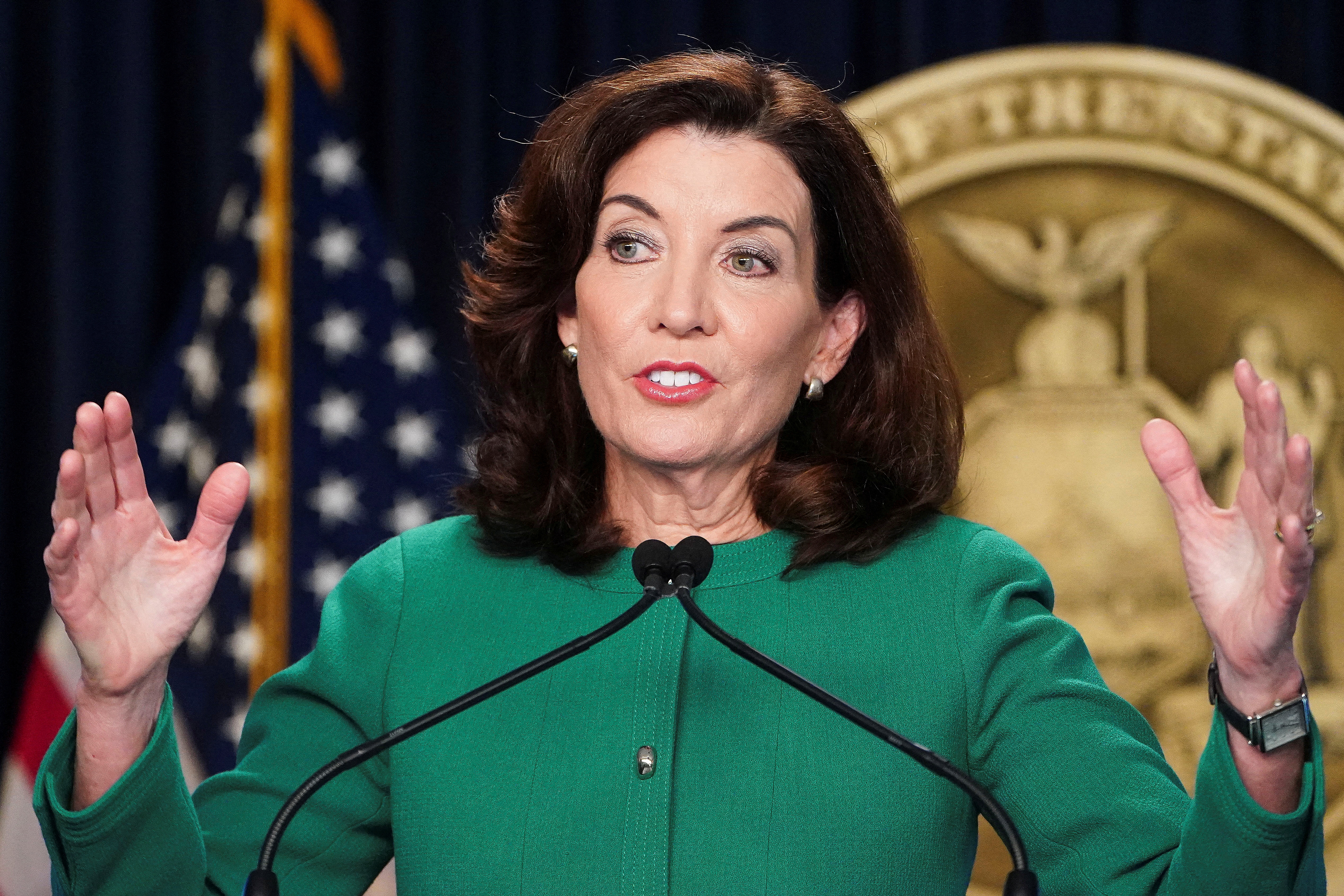
- Kathy Hochul (2021-Present): As New York’s first female governor, Kathy Hochul ascended to the office and was subsequently elected to a full term. Her focus includes economic recovery, public safety, and continued investment in infrastructure and green energy. Her leadership will undoubtedly shape the future landscape for tourism, accommodation, and lifestyle in the Empire State, influencing everything from urban redevelopment projects to rural tourism initiatives.
Connecting Governance to the Guest Experience: What it Means for Travelers
The question of how many terms a governor can serve in New York ultimately boils down to the potential for sustained vision and policy. For anyone planning a trip – whether it’s a luxury escape, a budget adventure, a family vacation, or a business stay – this political reality translates into tangible impacts on their experience.
Infrastructure, Accessibility, and the Visitor’s Journey
A long-serving governor can champion multi-year initiatives that dramatically improve transportation infrastructure. Enhanced public transit, upgraded airports, better-maintained roads, and efficient rail services are all critical components of a smooth and enjoyable travel experience. Consider the ongoing efforts to modernize New York’s transportation hubs: smoother airport operations at JFK and LaGuardia Airport, more reliable MTA service for navigating New York City, and well-maintained state highways for scenic drives. These are not one-term fixes but the results of consistent policy and funding, often overseen by administrations with the longevity to see them through. For destinations like Albany or Buffalo, improved road and rail links mean easier access for tourists, boosting local economies and supporting hotels and attractions.
Preserving New York’s Treasures: State Parks, Cultural Sites, and More
The governor plays a pivotal role in the allocation of state funds for environmental conservation and cultural institutions. Sustained leadership can ensure robust budgets for the maintenance and improvement of New York’s 200+ state parks and historic sites. This means well-kept hiking trails, clean picnic areas, improved visitor centers, and protected natural habitats for birdwatchers and nature enthusiasts. Iconic landmarks such as Niagara Falls State Park, the Mohonk Mountain House (a historic resort and landmark), and the vast Adirondack Park rely on consistent state support. Similarly, funding for world-class museums like the Metropolitan Museum of Art and numerous performing arts centers across the state often depends on gubernatorial priorities, directly enriching the cultural tourism landscape.

Economic Vibrancy and Hospitality: A Governor’s Influence
A stable and proactive gubernatorial administration can foster an economic climate that encourages investment in the hospitality sector. Policies supporting business growth, workforce development, and targeted tourism initiatives can lead to the development of new hotels, resorts, and unique accommodation options, from luxury suites in Manhattan to charming bed-and-breakfasts in the Finger Lakes region. This economic vibrancy creates jobs, enhances visitor services, and ultimately contributes to a more appealing and diverse range of experiences for travelers. Governors with extended tenures are often able to see through comprehensive economic development plans that might take years to bear fruit, such as revitalizing downtown areas or attracting major conferences to facilities like the Javits Center.
In conclusion, while the question of gubernatorial term limits might initially seem far removed from the world of travel and lifestyle, in New York, the answer—no limits—has profoundly shaped the state’s character. It has enabled leaders to pursue ambitious, long-term visions that have directly influenced the infrastructure, cultural landscape, and natural preservation efforts that make New York an unparalleled destination for travelers worldwide. From the smooth flow of traffic to the grandeur of its landmarks and the quality of its hospitality, the decisions made by its long-serving governors continue to enhance the allure of the Empire State.
LifeOutOfTheBox is a participant in the Amazon Services LLC Associates Program, an affiliate advertising program designed to provide a means for sites to earn advertising fees by advertising and linking to Amazon.com. Amazon, the Amazon logo, AmazonSupply, and the AmazonSupply logo are trademarks of Amazon.com, Inc. or its affiliates. As an Amazon Associate we earn affiliate commissions from qualifying purchases.