
Venturing into the sprawling metropolis of New York City is an experience unlike any other, a vibrant tapestry of culture, commerce, and unparalleled energy. While the city offers a myriad of transportation options, from iconic yellow cabs to convenient rideshares, none capture the authentic pulse and efficiency of New York life quite like its legendary subway system. A labyrinthine network of tracks and stations, the subway isn’t just a way to get around; it’s an essential part of the urban fabric, connecting residents and visitors alike to every corner of the five boroughs. For travelers exploring New York City, understanding how to navigate and, crucially, how much it costs to ride the subway, is paramount to a seamless and budget-friendly trip.
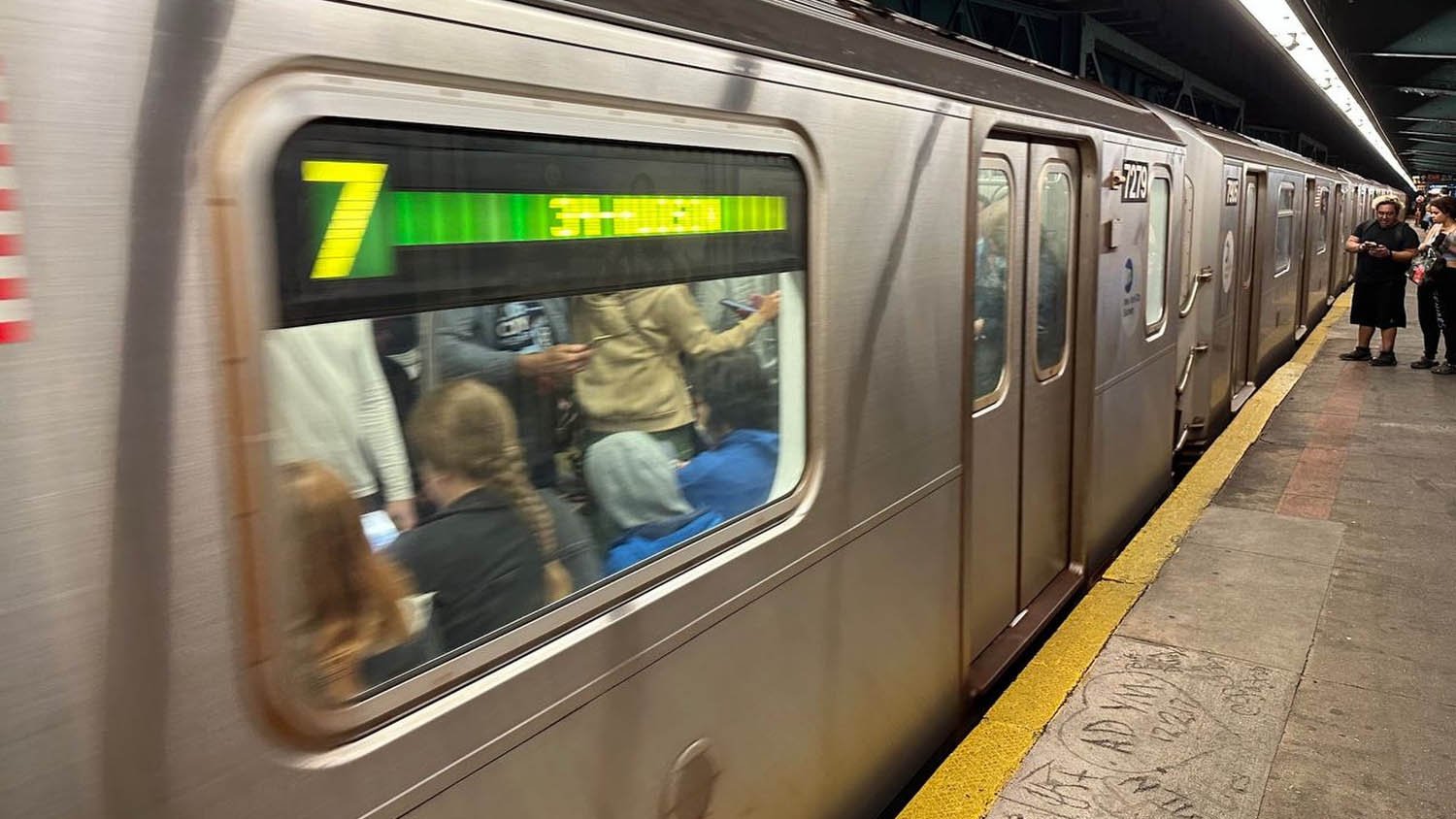
The New York City subway, operated by the Metropolitan Transportation Authority (MTA), is one of the most extensive public transit systems in the world, running 24 hours a day, seven days a week. It serves over 472 stations across Manhattan, Brooklyn, Queens, and The Bronx, making it the backbone of urban exploration. Whether you’re planning to visit world-famous landmarks like Times Square and the Empire State Building, immerse yourself in the art at the Museum of Modern Art, catch a Broadway show, or explore the eclectic neighborhoods of Greenwich Village and Harlem, the subway will undoubtedly be your most reliable and often fastest companion. But before you tap your way through the turnstile, let’s break down the costs and payment methods to ensure you ride smart and save money.
Understanding New York City Subway Fares
The cost of riding the subway in New York City is designed to accommodate various types of riders, from those making a single journey to visitors planning an extended stay. The MTA offers a straightforward fare structure, primarily revolving around per-ride costs and unlimited passes. Understanding these options is key to optimizing your travel budget.
The Standard Single Ride Fare
For most casual riders or those who only anticipate taking the subway a few times during their visit, the standard single ride fare is the most direct option. As of recent updates, the base fare for a single subway ride is typically $2.90. This flat rate applies regardless of how far you travel within the system, whether it’s one stop or an entire borough. This fare allows for free transfers between subway lines and to local buses, provided you transfer within two hours of your initial tap. However, it’s important to note that a single ride fare does not include a free transfer from a subway to an express bus, which incurs a different fare.
While convenient for infrequent use, repeatedly paying the single ride fare can quickly add up, especially if you plan on using the subway multiple times a day. For instance, a round trip would cost you $5.80, and just two round trips in a day would already be $11.60. This is where the value of unlimited passes often becomes apparent for tourists and those staying longer. When using a physical MetroCard (which we’ll discuss shortly), there’s also a $1 fee for purchasing a new card, so factor that into your initial cost. This fee is waived if you refill an existing MetroCard.

Unlimited Ride Passes for Extended Stays
For visitors who plan to explore New York City extensively, utilizing the subway frequently throughout their trip, an unlimited ride pass offers significant savings and unparalleled convenience. These passes allow for unlimited subway and local bus rides for a set period, eliminating the need to calculate fares for each journey.
The most popular option for tourists is the 7-Day Unlimited MetroCard. Priced at approximately $34, this pass becomes cost-effective very quickly. If you consider the standard $2.90 per ride, you would need to take about 12 rides (or 6 round trips) within the seven-day period to break even. Given the sheer number of attractions and destinations accessible by subway – from Central Park to the Financial District, and across the Brooklyn Bridge to DUMBO – it’s highly likely that a tourist will exceed this number of rides. This pass is ideal for those spending a week or less in New York City and planning to move around frequently.
For visitors staying longer, the 30-Day Unlimited MetroCard is available, typically costing around $132. This option is more suited for individuals on an extended vacation, business trip, or those temporarily residing in the city. The break-even point for this pass is approximately 46 rides within the 30-day period. While perhaps less common for the average tourist, it provides excellent value for long-term stays, aligning with “Long-term Stay” accommodation options and comprehensive “Travel Guides.” Both unlimited passes simplify your travel experience, allowing you to hop on and off trains without a second thought, fostering a sense of freedom as you explore. Remember the initial $1 MetroCard fee applies when purchasing a new card for these unlimited options as well.
Other Fare Options and Considerations
While the single ride and unlimited passes cover the majority of traveler needs, it’s worth noting a few other points. The MTA also offers a Reduced-Fare program for eligible seniors (65 and older) and people with disabilities, allowing them to ride for half the base fare. However, this typically requires an application process and specialized MetroCard, making it less practical for short-term visitors.
Additionally, the fare structure for the New York City subway generally operates on a per-ride basis once you enter the system. This means that unlike some other transit systems, there are no special “zone” fares or peak-hour surcharges for the subway itself (though express buses do have different fare rates). The $2.90 base fare covers your entire subway journey, including all necessary transfers between subway lines, provided you do not exit the system and re-enter. This simplicity helps with budgeting, as you won’t face unexpected charges once inside the turnstiles.
Navigating Payment Methods: MetroCard vs. OMNY
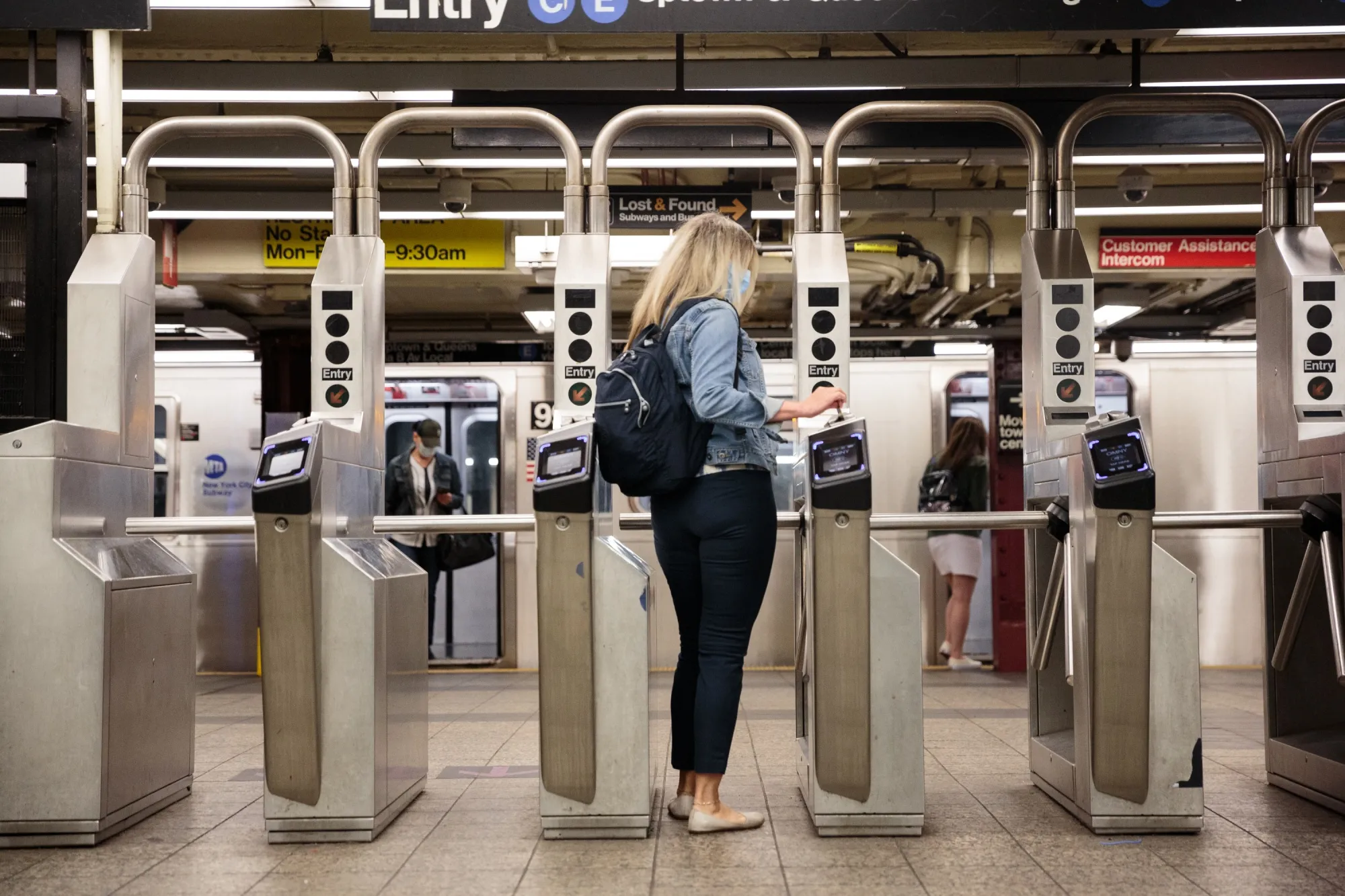
Once you understand the fare options, the next step is knowing how to pay. The New York City subway system offers two primary payment methods: the traditional MetroCard and the modern tap-and-go system, OMNY. Each has its advantages, depending on your travel style and duration.
The Classic MetroCard
For decades, the physical MetroCard has been the gateway to the New York City subway. These iconic yellow or blue plastic cards can be purchased and refilled at any subway station vending machine (which accepts cash, credit, and debit cards) or at authorized vendors throughout the city. When purchasing a new MetroCard, there is a $1 fee. This fee is a one-time charge for the card itself and is waived if you refill an existing card.
You can load a MetroCard with either a specific dollar amount (Pay-Per-Ride) or an unlimited pass (7-Day or 30-Day). For Pay-Per-Ride, when you add money, the MTA often provides a 5-10% bonus on your purchase, effectively slightly reducing the cost per ride. For example, adding $20 might give you $21 in value. This can be beneficial for those who don’t anticipate hitting the unlimited pass break-even point but still want a slight discount.
The MetroCard is reliable and widely accepted across the entire subway and bus network. Its main drawback for short-term tourists is the initial $1 card fee and the need to carry a physical card. However, for those committing to a 7-day or 30-day unlimited pass, the MetroCard remains a solid, widely understood option. It’s particularly useful if you prefer to pay with cash, as not all OMNY readers accept cash payments directly (though you can load cash onto digital wallets).
Embracing OMNY: Tap-and-Go Convenience
OMNY (One Metro New York) represents the MTA’s leap into modern payment technology. This contactless fare payment system allows riders to simply tap their own credit or debit card, smartphone, or wearable device directly on an OMNY reader at the turnstile. This eliminates the need for a physical MetroCard altogether and avoids the $1 card fee.
For tourists, OMNY is incredibly convenient. You don’t have to worry about finding a vending machine, navigating its interface, or carrying a separate card. As long as your credit/debit card has contactless payment capabilities (look for the wave symbol) or you use a mobile wallet like Apple Pay or Google Pay, you’re ready to ride. Each tap costs the standard $2.90 single ride fare.
One of the most appealing features of OMNY is its fare capping system. For a single payment method (e.g., the same physical credit card or the same digital wallet), once you spend the equivalent of a 7-Day Unlimited pass ($34) within a calendar week (Monday to Sunday), all subsequent rides for the remainder of that week become free. This means you get the benefit of an unlimited pass without having to purchase one upfront. For example, if you tap your card 12 times between Monday and Friday, reaching $34.80, all your rides on Saturday and Sunday using that same card will be free. This offers the best of both worlds: pay-per-ride flexibility with the potential for unlimited ride savings. This system is perfect for travelers unsure of how much they’ll use the subway or whose plans might change, fitting seamlessly into a “Lifestyle” of spontaneous travel.
Maximizing Your Subway Experience: Tips for Travelers
Understanding the fares and payment methods is just the beginning. To truly enhance your New York City subway experience, especially as a visitor, a few strategic tips can make all the difference, helping you save money, time, and stress.
Strategic Planning and Budgeting
Before you even arrive, consider your itinerary. How many days will you be in New York City? How often do you anticipate using the subway? If you’re staying for three days and only plan a couple of trips to a specific attraction, paying per ride with OMNY might be fine. If you’re here for five to seven days and plan to visit multiple neighborhoods and landmarks daily, a 7-Day Unlimited MetroCard or relying on OMNY’s fare capping will likely be your most economical choice. Factor the cost of your chosen subway payment method into your overall travel budget, alongside expenses for “Accommodation,” “Food,” and “Activities.” This upfront calculation can prevent surprises and ensure a more relaxed trip.
Remember that while taxis and rideshares offer door-to-door convenience, they are significantly more expensive and often slower in Manhattan’s notorious traffic. The subway is almost always the fastest way to traverse distances in New York City, especially during peak hours.
Connecting to New York City’s Landmarks and Attractions
The New York City subway is your direct link to virtually every major attraction and hidden gem. From Grand Central Terminal’s majestic architecture to the bustling energy of Times Square, the tranquility of Central Park, or the historical significance of Wall Street, the subway gets you there. You can take a train down to Lower Manhattan for ferries to the Statue of Liberty and Ellis Island, explore the vibrant streets of Chinatown and Little Italy, or head north to catch a Yankees game at Yankee Stadium in The Bronx. In Brooklyn, you can ride out to Coney Island for a taste of classic Americana.
The subway’s extensive reach means you can stay in more affordable “Accommodation” options outside of prime Manhattan neighborhoods, such as parts of Brooklyn or Queens, and still have quick and easy access to all the “Destinations” and “Attractions” on your list. This accessibility significantly impacts “Budget Travel” by allowing flexibility in where you choose to book your “Hotels” or “Apartments.”
Safety and Etiquette
While generally safe, riding the subway in New York City requires a degree of awareness, especially for first-time visitors. During rush hour (typically 7-9 AM and 4-7 PM on weekdays), trains can be extremely crowded. Be prepared for close quarters and allow extra travel time. Always stand behind the yellow line on the platform, and step aside to let passengers exit before boarding. Keep an eye on your belongings, especially in crowded trains and stations.
Utilize smartphone apps like Google Maps or Citymapper for real-time train schedules, delays, and navigation. These apps are invaluable for planning your routes, identifying express vs. local trains (express trains skip stops and are marked with a diamond symbol, local trains stop at every station and are marked with a circle), and understanding transfers. Don’t be afraid to ask for directions from MTA personnel or friendly locals if you’re feeling lost; New Yorkers are often more helpful than their reputation suggests. Embracing the rhythm of the subway is part of the “Local Culture” experience, offering a glimpse into the daily lives of millions.
The Subway’s Role in Your New York City Lifestyle
Beyond its function as a mere mode of transportation, the New York City subway plays a significant role in shaping your overall experience and even your “Lifestyle” choices while in the city.
Beyond Just Transit: A Cultural Immersion
Riding the subway is an immersive cultural experience in itself. It’s a melting pot where you’ll encounter people from all walks of life, hear a multitude of languages, and often be entertained by talented street performers. From impromptu musical acts to mesmerizing dancers, the subway platforms and cars are stages for vibrant expressions of New York art and talent. This direct engagement with the city’s diverse population offers a unique perspective on “Local Culture” that you simply can’t get from a taxi window. It’s an authentic slice of New York life, a bustling microcosm that reflects the city’s dynamic spirit and serves as a backdrop for countless “Experiences.”
Moreover, the subway allows you to explore the distinct character of New York City’s many neighborhoods without the barrier of expensive private transport. You can easily transition from the high-end boutiques of SoHo to the historic brownstones of the Upper West Side, or the chic eateries of the Upper East Side. This effortless connectivity is central to experiencing New York like a local, not just a tourist.
Economic Travel and Accommodation Access
For those traveling on a budget, the subway is an indispensable tool. It dramatically reduces transportation costs compared to continuous taxi or rideshare use, making “Budget Travel” in an otherwise expensive city much more feasible. The affordability of subway travel, especially with unlimited passes or OMNY’s fare capping, means you can allocate more of your budget towards “Food,” “Activities,” or even splurge on a nicer “Hotel” or “Suite” in a well-connected area.
Furthermore, the subway opens up a wider range of “Accommodation” options. Areas outside central Manhattan, such as those in Brooklyn (like Williamsburg or Bushwick) or Queens (like Long Island City), often offer more competitive prices for “Hotels,” “Apartments,” and even “Villas.” With the subway, these locations are just a short, inexpensive ride away from Manhattan’s core attractions. This flexibility allows travelers to make smart financial decisions without sacrificing convenience or access to the city’s vibrant offerings, effectively extending the reach of your travel dollar.
In conclusion, riding the subway in New York City is not just a pragmatic choice but an integral part of the authentic New York experience. With a standard single fare of $2.90, the flexibility of a 7-Day Unlimited MetroCard for $34, and the modern convenience and fare capping of OMNY, there are cost-effective options for every traveler. By understanding these fares, choosing the right payment method, and applying a few savvy tips, you can navigate the city like a seasoned local, connecting effortlessly to its endless wonders and truly making the most of your adventure in the Big Apple.
LifeOutOfTheBox is a participant in the Amazon Services LLC Associates Program, an affiliate advertising program designed to provide a means for sites to earn advertising fees by advertising and linking to Amazon.com. Amazon, the Amazon logo, AmazonSupply, and the AmazonSupply logo are trademarks of Amazon.com, Inc. or its affiliates. As an Amazon Associate we earn affiliate commissions from qualifying purchases.