
Embarking on a journey to New York, whether it’s for the bustling energy of New York City or the serene beauty of Upstate New York, promises an unforgettable experience. From iconic landmarks and world-class dining to unparalleled shopping and vibrant cultural scenes, the Empire State offers an endless array of attractions and experiences. However, like any travel destination, understanding the local financial landscape is key to a smooth and budget-friendly trip. One of the most common financial considerations that often catches visitors by surprise is sales tax. This guide will demystify New York sales tax, offering insights tailored specifically for travelers, ensuring you can manage your finances effectively and fully immerse yourself in all the state has to offer without unexpected surprises.
Sales tax is a consumption tax imposed by state and local governments on the sale of goods and services. In New York, this seemingly small percentage can add up significantly, impacting everything from your morning coffee to a luxurious hotel stay in Manhattan. For those planning their travel itinerary and lifestyle expenses, a clear understanding of what’s taxed, what’s exempt, and how these rates vary across different regions of the state is invaluable. This knowledge empowers you to budget smarter, make informed purchasing decisions, and ultimately enhance your overall New York tourism adventure.
Unpacking the Fundamentals: New York Sales Tax Explained for Visitors
Navigating the intricacies of sales tax can be daunting, especially when you’re visiting from out of state or another country. New York State has a system that combines a statewide rate with various local rates, creating a mosaic of different tax percentages depending on where you are within the state. For travelers, understanding these fundamentals is the first step towards a financially savvy trip.
The Dual Nature of New York Sales Tax: State and Local Rates
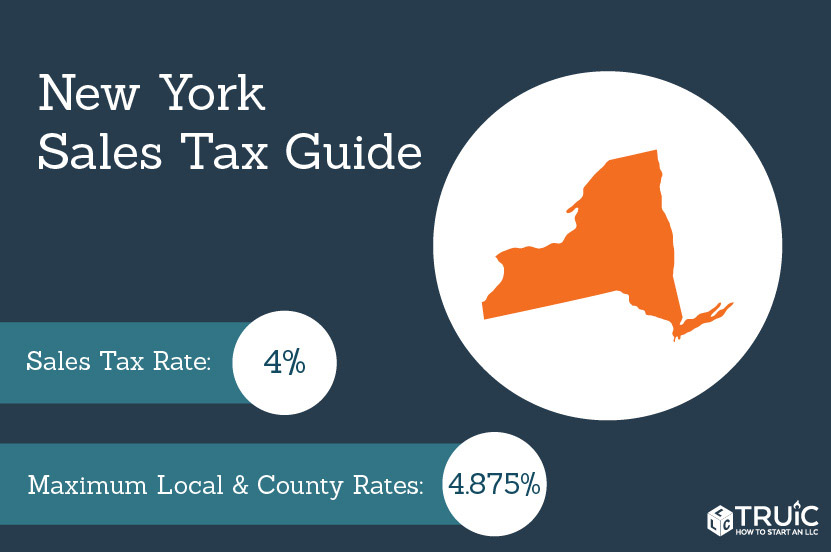
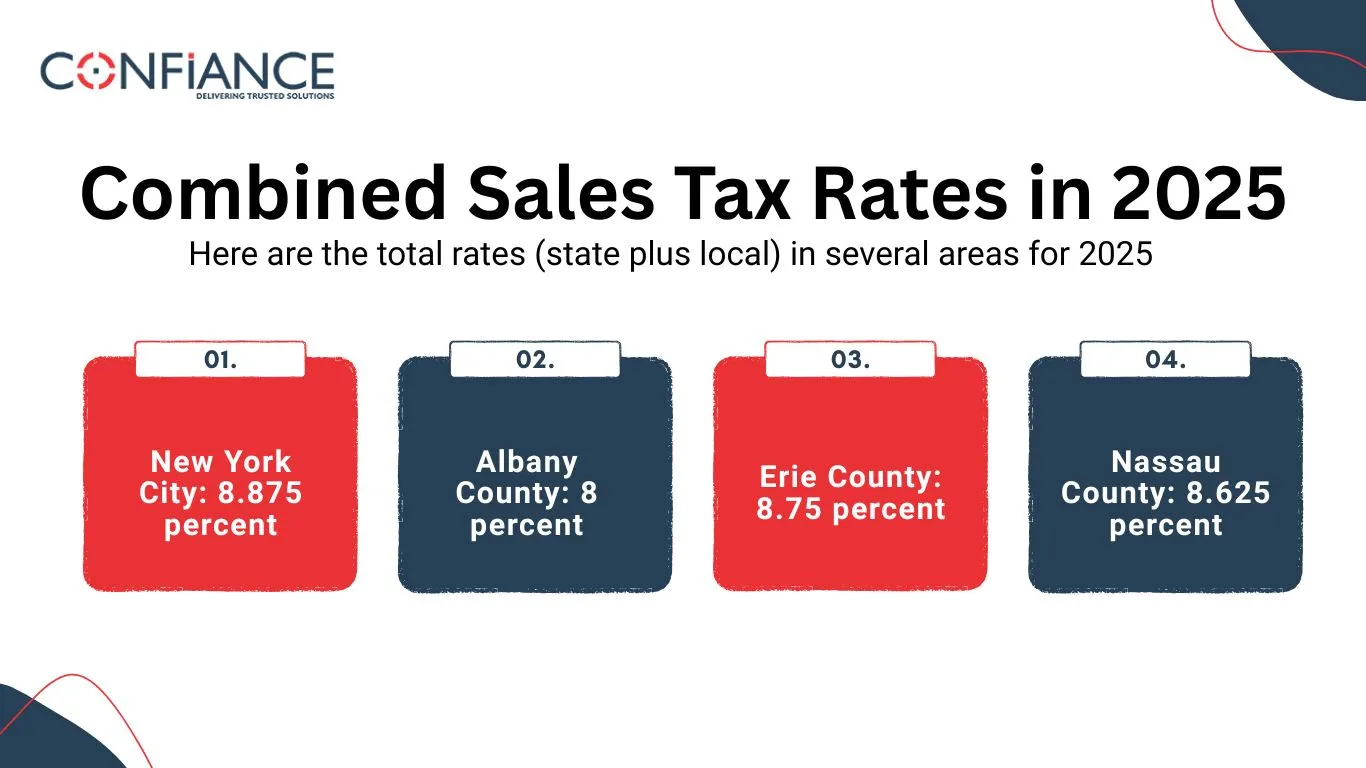
At its core, New York State imposes a 4% sales tax. However, this is rarely the final rate you pay, especially in popular tourist destinations. Counties and cities within the state are permitted to add their own local sales taxes. The most prominent example, and one that impacts a vast majority of visitors, is New York City. NYC adds an additional 4.5% city sales tax, along with a 0.375% Metropolitan Commuter Transportation District (MCTD) surcharge. This brings the combined sales tax rate in New York City to a robust 8.875%.
This combined rate applies to most taxable sales within the five boroughs: Manhattan, Brooklyn, Queens, The Bronx, and Staten Island. Other counties across New York State will have their own local rates, typically resulting in combined rates ranging from 7% to 8.875%. For instance, a trip to Long Island might incur a different rate than a shopping spree in SoHo. Always be mindful that the sticker price you see may not be the final price you pay, especially for larger purchases.
What Falls Under the Taxable Umbrella? Common Purchases for Travelers
In New York, most tangible personal property and certain services are subject to sales tax. For a traveler, this broadly includes a wide range of common purchases. Think of nearly everything you might buy to enhance your trip:
- Souvenirs: T-shirts, keychains, replicas of landmarks.
- Electronics: New cameras, headphones, or charging accessories.
- Prepared Food and Beverages: Meals at restaurants, take-out from delis, coffee shop purchases, and alcoholic drinks at bars.
- Certain Services: Hair salon services, taxi rides (though specific rules apply to transportation), gym memberships (if applicable for longer stays).
- Rental items: Car rentals are subject to sales tax, as are equipment rentals.
Understanding these broad categories helps in anticipating where sales tax will be applied to your expenses. It’s often the small, frequent purchases that, when combined, can lead to a significant sum by the end of your trip.
Decoding Exemptions: Smart Savings on Specific Items
While sales tax is widespread, New York does offer some key exemptions that can be beneficial for travelers. The most notable exemption applies to clothing and footwear. In New York State (including New York City), individual items of clothing and footwear sold for less than $110 are exempt from state and local sales tax. This is a fantastic benefit for shoppers looking to update their wardrobe or grab fashionable items from Fifth Avenue boutiques or department stores like Macy’s Herald Square. However, if an item costs $110 or more, the entire purchase price is taxable. This exemption applies per item, not per transaction, meaning if you buy two pairs of shoes at $100 each, both are exempt.
Another significant exemption relates to food items. Most unprepared food items purchased at grocery stores or food markets are exempt from sales tax. This includes essentials like fresh produce, meats, dairy, and packaged goods. However, if food is prepared and ready for immediate consumption (like hot coffee, sandwiches from a deli, or meals at a restaurant), it becomes taxable. This distinction is vital for those planning to prepare some of their own meals in an apartment rental or extended-stay accommodation. Additionally, certain cultural institutions and non-profit organizations may be exempt from charging sales tax on admissions or specific purchases.
The Cumulative Effect: Why Sales Tax Matters for Your Travel Budget
While 8.875% might seem like a small number, its cumulative effect on a travel budget can be substantial. Consider a traveler spending an average of $200 per day on taxable goods and services (meals, souvenirs, a few drinks). Over a seven-day trip, that’s $1,400 in taxable spending. At an 8.875% rate, that adds up to nearly $124 in sales tax alone, not including specific hotel or occupancy taxes.
For those planning a luxury travel experience with high-end shopping, expensive meals, and premium accommodation, this figure can skyrocket. Even for budget travel enthusiasts, neglecting to account for sales tax can lead to overspending in other areas. Factoring sales tax into your initial budget for all categories – from dining to shopping and entertainment – helps prevent any unpleasant financial surprises and allows for a more relaxed and enjoyable trip.
Sales Tax Across Your New York Experience: From Stays to Souvenirs
The practical application of sales tax touches nearly every aspect of a New York visit. Understanding how it applies to your specific activities, whether you’re booking a luxurious suite or grabbing a quick street snack, is crucial for effective financial planning.
Accommodation Costs: Navigating Hotel and Occupancy Taxes
One of the largest components of any travel budget is accommodation. In New York City, hotel stays are subject to several layers of taxation, which can significantly inflate the advertised room rate. Beyond the standard 8.875% NYC sales tax, hotels also charge an additional 5.875% hotel occupancy tax, plus a per-room, per-night fee of $1.50 (for rooms costing $100 or more). This means that a room advertised at $300 a night could easily cost over $350 after taxes and fees.
For a five-night stay, this adds up to a considerable sum. For example, staying at an upscale hotel like The Plaza Hotel or a modern resort near Times Square will incur these taxes. This applies not just to traditional hotels but also to short-term apartment rentals booked through platforms like Airbnb, which are now largely subject to the same taxes and regulations as hotels in NYC. When comparing hotel prices or searching for long-term stay options, always look for the final price including all taxes and fees to avoid sticker shock at checkout.
Dining Out in the Big Apple: Food, Beverages, and the Tax Bill
New York is a global culinary capital, offering everything from Michelin-starred restaurants to iconic street food vendors. When dining out, prepared food and beverages are generally subject to the full combined sales tax rate (8.875% in New York City). This applies whether you’re enjoying a gourmet meal in Greenwich Village, grabbing a slice of pizza in Brooklyn, or picking up a sandwich and coffee at a deli.
The key distinction, as mentioned, is between prepared and unprepared food. If you purchase groceries to cook yourself, most items will be tax-free. However, if a grocery store has a hot food bar or prepares sandwiches, those items are typically taxable. Alcoholic beverages served in restaurants, bars, or purchased at liquor stores are also subject to sales tax, often at the standard rate. Remember to factor in sales tax when calculating your total bill, especially before adding a tip, which is another significant financial consideration in New York.
Shopping Sprees: Understanding Tax on Fashion, Souvenirs, and Electronics
New York is a shopper’s paradise. From the luxury brands on Fifth Avenue to the eclectic boutiques of SoHo and the artisanal goods at Chelsea Market, there’s something for every taste and budget. The clothing and footwear exemption (for items under $110) is a major perk for fashion-forward visitors. It means you can often save a substantial amount on numerous purchases.
However, many other items you might buy are fully taxable. This includes accessories like handbags, jewelry, hats, and scarves (if not considered clothing), as well as electronics, books, artwork, and most souvenirs that aren’t clothing. If you’re planning on purchasing a new smartphone or a high-end camera, the 8.875% sales tax in New York City will be applied to the full price, making a noticeable difference to the final cost. Keep an eye on the price tags and remember the $110 threshold when shopping for apparel.
Experiencing Culture and Entertainment: Tax on Attractions and Shows
New York is renowned for its world-class entertainment and cultural landmarks. Tickets to Broadway shows, museums like the Metropolitan Museum of Art or the Museum of Modern Art (MoMA), guided tours to the Statue of Liberty and Ellis Island, or observation decks such as the Empire State Building or Rockefeller Center are often subject to sales tax.
While many cultural institutions are non-profit and may have certain exemptions on memberships or donations, general admission tickets for entertainment and commercial attractions will typically include sales tax. It’s always a good idea to check the final price when booking tickets online or at the venue. This also applies to tickets for concerts, sporting events, or other live performances you might catch during your visit.
Practical Strategies for Managing Sales Tax During Your New York Trip
Armed with knowledge about New York sales tax, you can implement practical strategies to manage your spending and ensure a seamless financial experience. A proactive approach to budgeting and understanding your purchases will go a long way.
Pre-Trip Planning: Budgeting for the Unseen Costs
The most effective strategy is to incorporate sales tax into your budget from the very beginning. When estimating costs for accommodation, food, shopping, and attractions, always add an extra 9-10% (especially for New York City based expenses) to account for sales tax. For hotels, remember the higher occupancy tax rates. Many travel planning apps and websites allow you to create detailed budgets, and manually adding a “tax contingency” line item can be incredibly helpful. This ensures that the quoted prices you see for various destinations or amenities don’t mislead your overall financial planning.
Receipt Scrutiny: Knowing What You’re Paying For
Always review your receipts. Sales tax is typically listed as a separate line item, making it easy to identify. This practice not only helps you track your spending but also ensures that you haven’t been overcharged or incorrectly taxed. If you notice any discrepancies, you can promptly address them with the vendor. This is also useful for differentiating sales tax from other charges that might appear on a bill, such as service charges in restaurants or resort fees at hotels. Understanding your receipts is a good habit for any traveler, regardless of destination.
Leveraging Exemptions to Maximize Your Spending Power
Make the most of the clothing and footwear exemption if you plan on shopping. Prioritize purchases of individual apparel items costing less than $110 to take advantage of the tax savings. If you’re staying in an accommodation with kitchen facilities, consider buying some groceries for breakfast or simple meals. This can save you money on prepared food that would otherwise be taxed. Look for opportunities to visit cultural institutions that might offer tax-exempt admissions or purchases, contributing to a more budget travel friendly experience.
Beyond NYC: Sales Tax Variations in Other New York Regions
While New York City is a primary draw, many visitors also explore other parts of New York State, such as the scenic Hudson Valley, the beautiful Finger Lakes region, or the historic sites in Albany. It’s important to remember that sales tax rates outside NYC can vary. Some counties might have a lower combined rate than New York City, while others might be similar. If your itinerary includes venturing beyond the five boroughs, a quick online search for the specific county’s sales tax rate can provide useful information for your budget planning.
Enhancing Your New York Experience: Beyond Sales Tax Financial Tips
While sales tax is a significant factor, a truly comprehensive financial plan for your New York trip should encompass other common expenditures. These aspects are deeply intertwined with the lifestyle and tourism culture of the state.
Tipping in New York: A Cultural and Financial Imperative
Tipping is an integral part of the service industry in the United States, and New York is no exception. For most services, a tip of 15-20% is standard. This applies to restaurant staff, bartenders, taxi drivers, hotel porters, and even tour guides. Unlike sales tax, which is automatically added, tips are usually added manually, either to your credit card payment or in cash. Failing to tip appropriately can be considered rude and is a significant oversight in many visitors’ budgets. Factor tipping percentages into your dining and service expenses, in addition to sales tax, for an accurate reflection of your overall costs. This is a crucial element of adapting to the local lifestyle.
Navigating Public Transportation Costs
For many visitors to New York City, public transportation is the most efficient and cost-effective way to get around. The subway and bus system is extensive. While sales tax generally doesn’t apply directly to MetroCard purchases or individual fares, the cost of transit is a vital component of your budget. Consider purchasing an unlimited weekly MetroCard if you plan on using public transport frequently, as it can offer significant savings over individual rides. Understanding the transit system is key to exploring New York’s vast array of destinations like Central Park, Wall Street, or Grand Central Terminal.
Beware of Hidden Fees: Resort Fees, Service Charges, and Surcharges
Beyond sales tax, travelers should be aware of other potential “hidden fees.” Many hotels, particularly those in popular resort areas or luxury accommodation categories, might charge a “resort fee” or “destination fee” per night. These fees, which cover amenities like Wi-Fi or fitness center access, are added on top of the room rate and taxes. Similarly, some restaurants might add a “service charge” to large groups or for specific events, which is separate from a tip. Always read the fine print when booking or when reviewing your bill to identify any additional charges.
Conclusion: A Smart Traveler’s Guide to Enjoying New York
Exploring New York is an extraordinary adventure filled with iconic landmarks, diverse food, and endless opportunities for travel and discovery. By taking the time to understand “What Is New York Sales Tax?”, you’re not just learning a financial detail; you’re equipping yourself with the knowledge to navigate the state’s commercial landscape confidently. From the combined rates in New York City to the valuable clothing exemptions and the nuances of hotel occupancy taxes, every piece of information helps in crafting a well-planned and enjoyable trip.
Remember to budget proactively, scrutinize your receipts, and leverage available exemptions. By doing so, you can prevent unexpected expenses from detracting from your journey. Coupled with an understanding of tipping etiquette and other potential fees, you’ll be well-prepared to manage your finances effectively, allowing you to focus on creating unforgettable memories amidst the vibrant energy of New York. So, go forth, explore the incredible destinations, indulge in the local lifestyle, and discover all that this magnificent state has to offer, without a single financial surprise to cloud your experience.
LifeOutOfTheBox is a participant in the Amazon Services LLC Associates Program, an affiliate advertising program designed to provide a means for sites to earn advertising fees by advertising and linking to Amazon.com. Amazon, the Amazon logo, AmazonSupply, and the AmazonSupply logo are trademarks of Amazon.com, Inc. or its affiliates. As an Amazon Associate we earn affiliate commissions from qualifying purchases.