
New York City, a global icon of ambition, diversity, and innovation, pulsates with an energy unlike any other urban center. From the dazzling lights of Times Square to the serene paths of Central Park, every corner tells a story. At the heart of this unparalleled dynamism lies its immense and incredibly diverse population. Understanding “what’s the population in New York City?” is more than just grasping a number; it’s about appreciating the sheer scale, the vibrant local culture, and the intricate human tapestry that defines one of the world’s most captivating destinations. This article will delve into the figures, explore the demographics, and examine how such a vast populace shapes the city’s unique travel and tourism landscape, influencing everything from accommodation options to the quintessential New York lifestyle.

A Metropolis of Millions: Understanding NYC’s Scale
The first step in understanding New York City is to grasp its monumental scale. It is a city that consistently ranks among the largest and most densely populated in the world, a testament to its enduring appeal and economic prowess.
The Numbers Game: How Many Call NYC Home?
According to the latest estimates from the U.S. Census Bureau, the population of New York City proper hovers around 8.4 to 8.5 million residents. This figure positions it as the most populous city in the United States, far surpassing other major urban centers. But the influence of New York City extends far beyond its five official boroughs. The broader New York-Newark-Jersey City Metropolitan Statistical Area, which encompasses parts of New Jersey, Connecticut, and Pennsylvania, boasts a population of over 20 million people. This colossal metropolitan footprint highlights its role as a regional economic engine and a magnet for human activity, a factor that profoundly impacts travel, commuting, and daily life. The sheer density, especially in Manhattan, creates an unparalleled urban experience, where millions move with purpose through a labyrinth of skyscrapers and bustling streets, creating a perpetual motion that fascinates visitors and residents alike.
The Five Boroughs and Their Inhabitants
New York City is famously composed of five distinct boroughs, each with its own character, demographic makeup, and contribution to the city’s overall vibrancy. While interconnected, they offer diverse experiences for both residents and those seeking unique travel adventures.
- Brooklyn: Often the most populous borough, Brooklyn is home to over 2.6 million residents. Known for its distinct neighborhoods, brownstone streets, thriving arts scene, and burgeoning culinary landscape, it represents a diverse mix of families, artists, and young professionals. Its residential charm and vibrant cultural hubs make it a fascinating area for exploration and a popular choice for longer stays or finding apartments for an authentic local experience.
- Queens: With a population similar to Brooklyn, Queens is often lauded as the most ethnically diverse urban area in the world. Its vast expanse hosts communities speaking hundreds of languages, creating an incredible mosaic of cultures and cuisines. Areas like Jackson Heights are microcosms of global diversity, offering a smorgasbord of international food and authentic cultural immersion, a true hidden gem for adventurous travelers.
- Manhattan: Though not the most populous residentially (around 1.6 million), Manhattan is the dense economic and cultural heart of the city. Its daytime population swells to several millions with commuters and tourists, making it the epicenter of activity. Home to iconic landmarks, world-class hotels, Broadway theaters, and countless businesses, Manhattan is where much of the city’s legend is forged.
- The Bronx: With approximately 1.4 million residents, The Bronx offers a rich historical narrative and vibrant neighborhoods. It is the birthplace of hip-hop and home to iconic attractions like Yankee Stadium and the expansive Bronx Zoo. Its diverse communities contribute significantly to the city’s cultural tapestry, providing a different perspective on the New York lifestyle.
- Staten Island: The smallest of the boroughs with around 480,000 inhabitants, Staten Island offers a quieter, more suburban feel. Accessible via the famous (and free) Staten Island Ferry, which provides stunning views of the Statue of Liberty and the Manhattan skyline, it represents a different facet of New York City lifestyle.
The Tapestry of Humanity: Diversity and Demographics
The immense population figures of New York City are merely a prelude to its most defining characteristic: its extraordinary diversity. The city is a living, breathing testament to the globalized world, where people from every corner of the planet converge.
A Melting Pot of Cultures
Often referred to as a true “melting pot,” New York City is better described as a “salad bowl” where distinct cultures coexist, enriching each other while maintaining their unique flavors. It is estimated that over 800 languages are spoken within the city’s limits, making it the most linguistically diverse city in the world. This incredible mix is fueled by generations of immigration, creating vibrant enclaves that feel like stepping into another country. From the bustling streets of Chinatown and Little Italy in Manhattan to the South Asian communities in Jackson Heights, the Orthodox Jewish neighborhoods of Brooklyn, and the rich Latin American heritage found throughout The Bronx and Queens, the cultural mosaic is endless. This diversity isn’t just a statistical anomaly; it’s the very fabric of the city’s identity, influencing its food, art, music, and overall lifestyle. For travelers, it means an unparalleled opportunity for cultural immersion without ever leaving the city, offering a taste of the world in one dynamic urban setting.
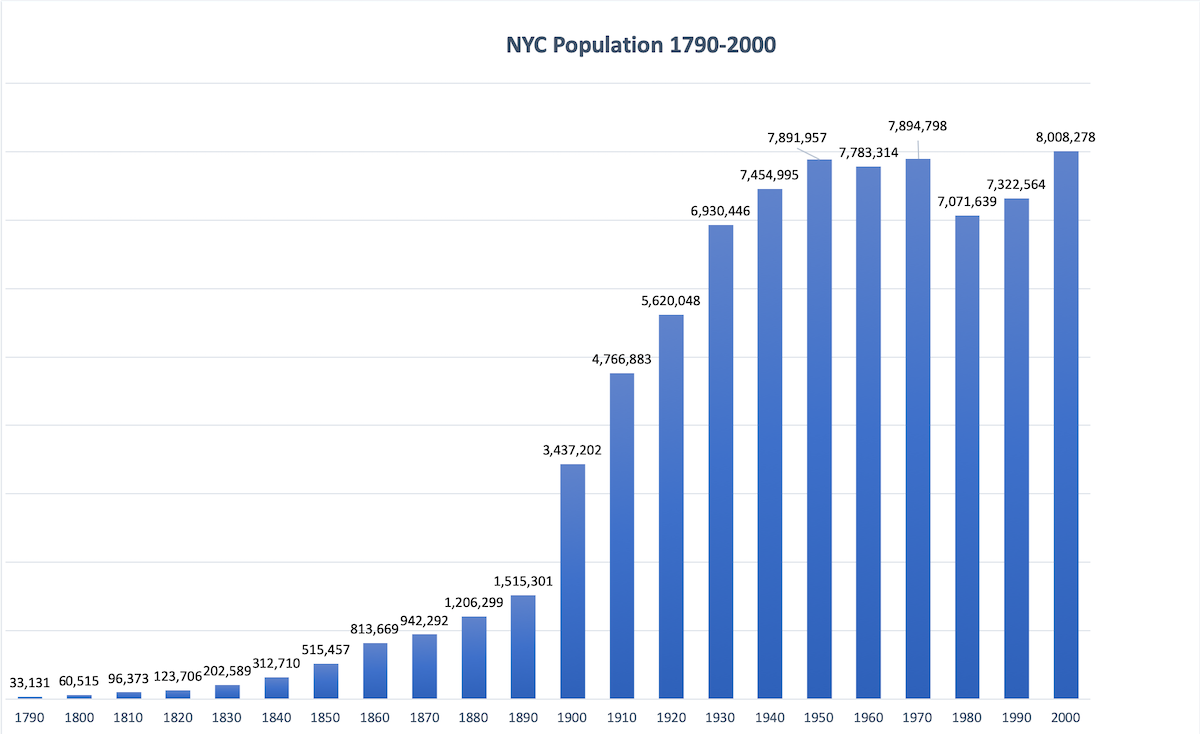
Demographic Trends and Urban Dynamics
New York City’s population is not static; it is constantly evolving, driven by both internal shifts and global migration patterns. The city continues to attract young professionals, families, and entrepreneurs seeking opportunities and a vibrant lifestyle. This continuous influx fuels innovation, keeps the city’s economy robust, and ensures a constant refresh of its cultural landscape. While gentrification and changing demographics present challenges, they also contribute to the city’s perpetual reinvention. The concentration of talent, ambition, and diverse perspectives creates a dynamic environment where new trends emerge, and established institutions thrive. This constant churn, powered by millions of individuals pursuing their dreams, is what truly makes New York City the “city that never sleeps.”
The Population’s Pulse: Impact on Travel and Tourism
The sheer volume of people living in New York City fundamentally shapes the experience for its millions of annual visitors. It creates both thrilling opportunities and unique challenges, demanding careful planning and an embrace of the city’s energetic rhythm.
Navigating the Crowds: Attractions and Public Spaces
With millions of residents and an additional 60-70 million tourists visiting annually, navigating New York City’s popular attractions can be an exercise in patience. Iconic spots like Times Square, the Empire State Building, and the Metropolitan Museum of Art are almost always bustling. However, this bustling energy is also part of the city’s charm – the feeling of being at the center of the world.
To make the most of your visit, savvy travelers often plan visits to major landmarks during off-peak hours (early mornings or late evenings), purchase tickets in advance online to skip lines, and utilize the incredibly efficient MTA subway system, which is designed to move millions of people daily. The subway itself is an experience, reflecting the city’s diverse population as people from all walks of life share a ride. Public spaces like Central Park and the Brooklyn Bridge are vast enough to absorb crowds, yet still offer moments of tranquility or breathtaking views, showcasing the city’s ability to balance scale with intimate experiences.
Accommodation and Hospitality in a Densely Populated City
The high population density and constant influx of travelers mean that accommodation in New York City is both abundant and competitive. The city boasts an unparalleled array of hotels, ranging from ultra-luxury hotels with opulent suites and bespoke amenities in Midtown or SoHo, to stylish boutique hotels, and more budget-friendly hostels in various boroughs. Given the consistent demand, prospective visitors are strongly advised to plan their booking well in advance, especially during peak seasons or major events. Comparison sites and reading reviews are essential tips for finding the best value. For longer stays or those seeking a more authentic residential feel, serviced apartments or vacation rentals can be an excellent alternative to traditional hotels, offering more space and flexibility. While villas and resorts are rare within the city limits, nearby regions of New York state offer such options for those combining a city trip with a quieter escape.
Culinary Delights and Cultural Experiences
The city’s diverse population directly translates into an extraordinary culinary scene and a vibrant cultural landscape. Every ethnic group contributes its authentic food traditions, meaning visitors can embark on a global gastronomic journey without ever leaving the five boroughs. From Michelin-starred restaurants to humble food trucks, from a classic New York-style pizza slice to exotic Ethiopian stews, the options are endless. This culinary richness is a direct reflection of the millions of people who call New York City home. Similarly, the city’s cultural offerings are fueled by its massive audience. Broadway performances, world-class museums (like the Museum of Modern Art or the American Museum of Natural History), live music venues, independent art galleries, and community festivals thrive because there’s a constant supply of both performers and appreciative audiences. These activities and experiences are an intrinsic part of the New York lifestyle and a major draw for tourism.
Living and Thriving: NYC Lifestyle and Visitor Experience
Beyond the numbers and demographics, the population of New York City defines its very essence – the “feel” of the city that draws millions to its shores.
The Energy of the City
The sheer concentration of people creates an undeniable energy. It’s in the constant hum of traffic, the chatter of multiple languages, the buzz of street performers, and the urgency in the footsteps of pedestrians. This dynamic atmosphere is a significant part of the New York allure, inviting both residents and visitors to participate in its relentless motion. Whether it’s the 24/7 nature of its food scene, the late-night entertainment options, or the constant flow of ideas and commerce, the city truly never sleeps. This vibrant pulse contributes to a unique lifestyle that is both exhilarating and, at times, overwhelming, but always memorable. It’s a city that rewards those who embrace its fast pace and endless possibilities.
Navigating the Urban Landscape
For visitors, truly immersing oneself in the New York lifestyle means more than just ticking off famous places. It means walking the streets, exploring diverse neighborhoods, and utilizing public transport like a local. Each borough and indeed, each neighborhood, offers a distinct character, from the historic architecture of Greenwich Village to the modern marvel of One World Trade Center and the 9/11 Memorial & Museum. Finding quiet moments amidst the bustle, perhaps in a hidden garden or a less-trafficked park, is part of the city’s charm. Guides can often provide tips on how to experience this contrast effectively, allowing you to appreciate both the grandeur and the intimate details of this massive city.
Planning Your NYC Adventure
Given the high population and resulting demand, meticulous planning is paramount for any New York City travel adventure. This includes securing accommodation well in advance, whether you’re seeking luxury travel suites or a budget travel option. Researching attractions and making reservations for popular restaurants or Broadway shows are also highly recommended. Considering long-term stay apartments if you plan an extended visit, or looking at hotels in different boroughs like Brooklyn or Queens for potentially better value, can enhance your overall experience. From family trips focusing on educational museums and Central Park activities, to business stays requiring proximity to Midtown financial hubs and convenient transportation to Grand Central Terminal or Rockefeller Center, tailoring your trip to the city’s unique ebb and flow ensures a rewarding journey.
In conclusion, the answer to “what’s the population in New York City?” is a staggering 8.4 to 8.5 million people within its core, swelling to over 20 million in the broader metropolitan area. This monumental figure is not just a statistic; it is the lifeblood of a city that constantly reinvents itself. It’s a testament to the magnetic draw of a place where countless narratives intertwine, creating a singular urban experience that is vibrant, diverse, and utterly unforgettable. For any traveler, immersing oneself in this colossal yet intimate metropolis is an adventure in itself, a journey into the heart of human aspiration and global connectivity.
