
The mere thought of snow falling in Florida, the Sunshine State, often elicits a chuckle or a bewildered stare. Known for its pristine beaches, balmy temperatures, and endless array of theme parks, Florida is synonymous with warmth and sunshine, especially during the winter months when much of the northern hemisphere is shrouded in ice and snow. So, to answer the burning question directly: Is it snowing in Florida? For the vast majority of residents and visitors, the answer is a resounding no. Snowfall in this subtropical paradise is an exceedingly rare phenomenon, a quirky footnote in its history rather than an anticipated seasonal event.
However, the very query “Is It Snowing In Florida?” speaks to a deeper curiosity about the state’s climate, its unique allure as a winter escape, and the vibrant travel experiences it offers when cold weather blankets other parts of the United States. This article delves into the fascinating history of Florida’s sporadic encounters with snow, explores its typical winter weather, and highlights why it remains a premier destination for travelers seeking warmth, adventure, and relaxation year-round. From the bustling streets of Miami to the magical theme parks of Orlando and the historic charm of St. Augustine, Florida promises an unforgettable experience, utterly devoid of the need for snow boots and heavy coats.

The Sunshine State’s Uncommon White Blanket: A Historical Glimpse
While the image of a snow-covered Florida seems almost paradoxical, the state has, on extremely rare occasions, witnessed snowfall. These events are so infrequent and localized that they become legendary, passed down through generations and etched into local lore. Understanding these rare occurrences requires a look at Florida’s unique geography and climate patterns.
Documented Snowfall Events in Florida
The historical records show that while frost is common in Florida’s northern and central regions during winter, actual snowflakes are a different story. The earliest widely documented snowfall in Florida occurred in 1774, described by some accounts as a “white rain” in Jacksonville. More significantly, the “Great Snow of 1886” brought measurable snow to much of the state, including flakes as far south as Fort Myers. This was a truly anomalous event, impacting citrus groves and causing widespread surprise.
The 20th century saw even fewer occurrences. Perhaps the most famous and widespread snowfall event for many contemporary Floridians happened on January 19, 1977. On this remarkable day, snow fell across much of Central Florida, including parts of Orlando and even further south into Miami-Dade County, though it was mostly flurries that didn’t stick for long in the southern parts. This was a significant weather anomaly, and many current residents vividly recall the excitement of witnessing real snow in a place utterly unaccustomed to it. Children rushed outside to catch flakes, and local news channels ran continuous coverage of the extraordinary event. The rarity of it made it a shared, memorable experience for an entire generation.
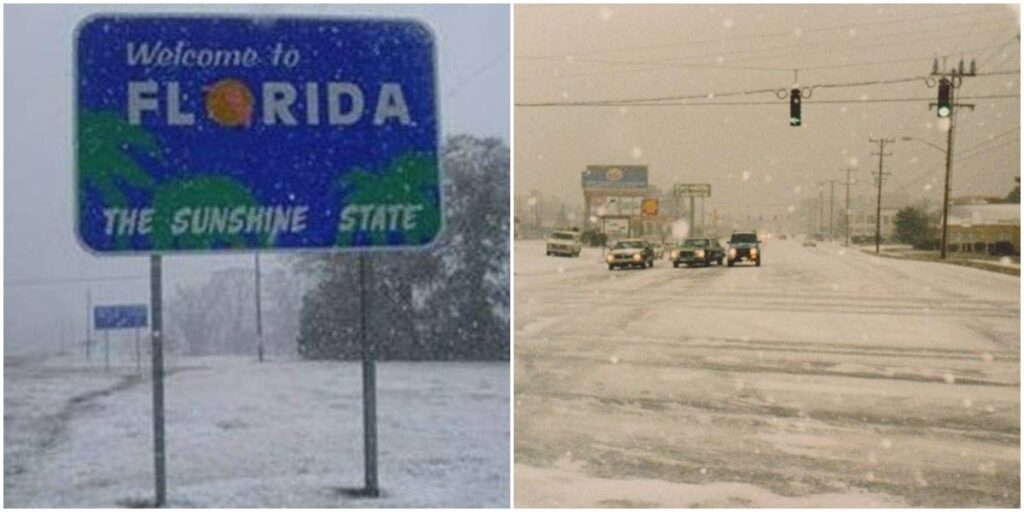
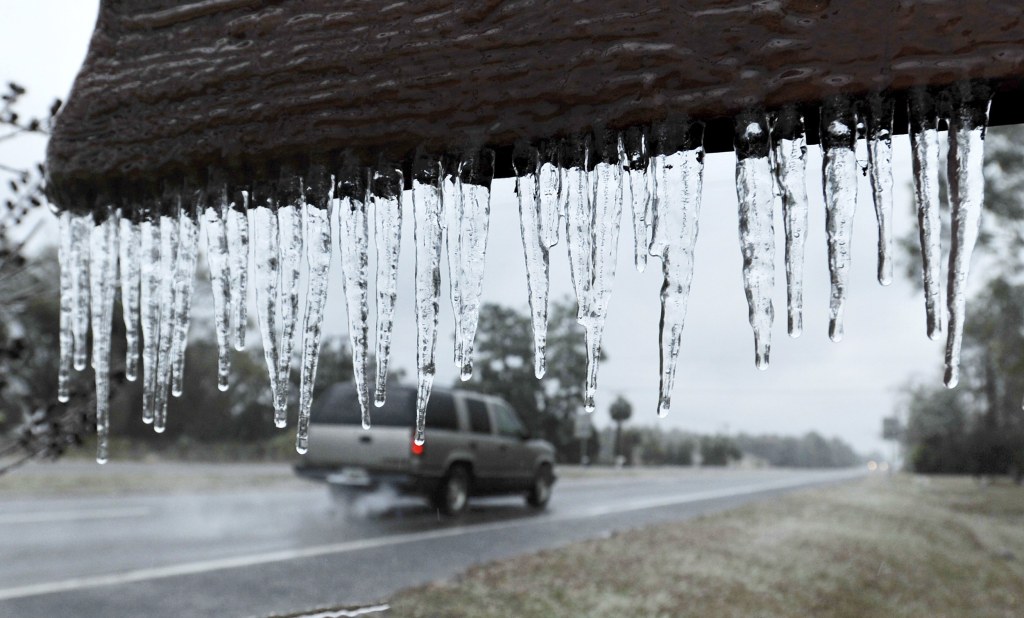
More recently, in January 2018, cold weather brought flurries and light accumulation to parts of the Florida Panhandle, particularly around Tallahassee. While these events are exciting novelties, they are isolated incidents caused by specific, extreme cold fronts combined with sufficient moisture – conditions that rarely align in this southern state. These glimpses of winter wonderland are fleeting, serving as a reminder of nature’s unpredictable artistry rather than a sign of changing seasons in Florida.
Understanding Florida’s Subtropical Climate
The infrequency of snow in Florida is directly attributable to its subtropical and, in the southern parts, tropical climate. The state is largely surrounded by warm ocean waters — the Atlantic Ocean to the east and the Gulf of Mexico to the west. These large bodies of water act as natural temperature moderators, keeping winter temperatures mild. The Gulf Stream, a powerful ocean current, further contributes to the warmth, especially along the state’s eastern coast.
For snow to form and accumulate, temperatures must be at or below freezing both at the ground level and throughout the atmosphere. While Florida can experience cold snaps, especially in its northern regions, the duration and depth of these cold air masses are usually insufficient for significant snowfall. The air typically warms as it moves over the relatively warmer ocean waters before reaching the peninsula, reducing the chances of precipitation falling as snow. This consistent warmth is precisely what makes Florida such an attractive destination for winter travel, providing a stark contrast to colder climates.
Beyond the Blizzard: What to Expect from a Florida Winter
Instead of snow, a Florida winter offers glorious sunshine, comfortable temperatures, and an abundance of activities that make it a premier travel destination. This is the season when the state truly shines, attracting millions of tourists seeking respite from colder climes and a chance to experience the best of Florida’s tourism offerings.
Embracing the Outdoors: Beaches and Nature Escapes
Florida’s beaches are legendary, and winter is arguably the best time to enjoy them. With daytime temperatures typically ranging from the low 60s to high 70s Fahrenheit (15-25°C), conditions are perfect for sunbathing, leisurely strolls, shelling, and even swimming for the brave. Destinations like South Beach in Miami come alive with vibrant energy, while the pristine sands of Siesta Key near Sarasota offer serene beauty. The Florida Keys, stretching into the tropical zone, boast even warmer temperatures, making them ideal for snorkeling, diving, and fishing in places like Key West and Key Largo.
Beyond the coastline, Florida’s natural landscapes beckon. Winter is the prime season for exploring Everglades National Park, where the lower humidity and fewer mosquitoes make airboat tours and wildlife viewing exceptionally pleasant. Visitors can spot alligators, wading birds, and even the elusive Florida panther. Other natural landmarks like the crystal-clear springs of Central Florida, perfect for kayaking and paddleboarding, also become more accessible and enjoyable. Big Cypress National Preserve offers another unique ecosystem for hiking and birdwatching, showcasing the diverse nature that thrives away from the beaches.
Thrills and Magic: Florida’s World-Class Attractions
For many, a trip to Florida means one thing: theme parks. Winter is an excellent time to visit the renowned attractions of Orlando and Tampa Bay. The cooler temperatures mean more comfortable walking conditions and often shorter wait times compared to the sweltering summer months.
Walt Disney World Resort, encompassing Magic Kingdom, Epcot, Hollywood Studios, and Animal Kingdom, transforms into a festive wonderland during the holidays, with special decorations, parades, and events that draw millions. Similarly, Universal Orlando Resort, home to The Wizarding World of Harry Potter, offers a magical escape with thrilling rides and immersive experiences. Other popular attractions like SeaWorld Orlando and Busch Gardens Tampa Bay also provide unique animal encounters and exhilarating roller coasters. Beyond the parks, the Kennedy Space Center Visitor Complex offers a fascinating journey into space exploration, a landmark that provides educational entertainment for all ages.
Cultural Experiences and Culinary Delights
Florida is not just about sun and rides; it also boasts a rich tapestry of local culture, history, and a burgeoning culinary scene. Cities like St. Augustine, the nation’s oldest continuously inhabited European-established settlement, offer a deep dive into history with landmarks like the Castillo de San Marcos and quaint cobblestone streets. Miami’s Art Deco Historic District in South Beach showcases stunning architecture and a vibrant nightlife.
The state’s diverse population has also fostered a dynamic food scene. From fresh seafood straight from the Gulf and Atlantic to Cuban influences in Miami’s Little Havana and upscale dining in Naples, there’s a taste for every palate. Winter is also festival season, with numerous art shows, food festivals, and music events taking place across the state, offering visitors a chance to engage with local culture and traditions.
Planning Your Florida Getaway: Accommodation and Lifestyle
When planning a trip to Florida, especially during the popular winter months, considering your accommodation and desired lifestyle is crucial. The state offers an unparalleled range of options to suit every budget, preference, and travel style, ensuring a seamless and enjoyable experience for all.
Choosing Your Perfect Stay: From Luxury Resorts to Cozy Villas
Florida’s hotel and accommodation sector is vast and varied. For those seeking opulence and pampering, luxury resorts abound in destinations like Palm Beach, Naples, and Orlando. Establishments such as The Breakers Palm Beach offer world-class amenities, including private beaches, championship golf courses, and exquisite dining. Ritz-Carlton Orlando, Grande Lakes and Four Seasons Resort Orlando at Walt Disney World Resort provide a luxurious base for theme park adventures.
Mid-range hotels and suites offer comfortable and convenient options, especially around popular tourist hubs, catering to families and couples looking for excellent value. For longer stays or larger groups, booking a private apartment, condo, or villa through platforms specializing in accommodation provides the comforts of home, often with private pools and fully equipped kitchens. This can be a particularly appealing option for those looking for a long-term stay, escaping the entirety of a harsh winter back home. Reviews and comparison tools are invaluable for finding the best deals and ensuring your chosen accommodation meets your expectations. Whether you prioritize amenities like a kids’ club, a spa, or pet-friendly facilities, Florida’s diverse offerings ensure a perfect match.
Navigating Destinations: Iconic Cities and Hidden Gems
Deciding where to stay in Florida often depends on the type of experience you seek.
- For theme park enthusiasts: Orlando is the undisputed capital, with a plethora of hotels and resorts ranging from budget-friendly to ultra-luxury, often with shuttle services to the major parks.
- For beach lovers and city life: Miami offers iconic beaches, a vibrant nightlife, and a unique cultural blend. Nearby Fort Lauderdale, often called the “Venice of America,” provides beautiful canals and a relaxed beach atmosphere.
- For history buffs and charming towns: St. Augustine and Key West offer rich historical narratives, unique architecture, and a slower pace of life.
- For nature and wildlife: Destinations around Everglades National Park or the Florida Panhandle provide access to pristine natural environments.
- For arts and culture: Sarasota is known for its vibrant arts scene, including the renowned Ringling Museum of Art and St. Pete Pier in St. Petersburg.
Each destination offers a distinct flavor of Florida, catering to different interests and ensuring that every traveler finds their perfect spot in the sun.
Travel Styles: Family Fun, Romantic Escapes, and Budget-Friendly Adventures
Florida’s versatility as a travel destination extends to catering to various lifestyles and travel budgets.
- Family Trips: With its world-famous theme parks, animal encounters, and family-friendly beaches, Florida is a dream destination for families. Many resorts offer extensive children’s programs, water parks, and entertainment tailored for all ages, making family travel enjoyable and stress-free.
- Romantic Escapes: Couples can find secluded beaches, upscale dining experiences, and luxurious spa resorts for a romantic getaway. The sunset cruises in the Keys or quiet strolls along historic streets create perfect backdrops for romance.
- Budget Travel: While Florida can be a luxury destination, it also offers numerous budget-friendly options. Camping in state parks, staying in vacation rentals, and utilizing travel guides for free activities like beach days or nature trails can significantly reduce costs. Booking accommodations and flights during the shoulder seasons (late fall or early spring) can also yield better deals.
- Business Stays: Major cities like Miami, Orlando, and Tampa are hubs for conferences and business events, with many hotels offering state-of-the-art facilities and business amenities.
In conclusion, while the idea of snow in Florida might be a charming, albeit rare, curiosity, the reality of a Florida winter is far more appealing for most. It’s a season of vibrant tourism, comfortable outdoor adventures, and endless opportunities for relaxation and fun under the warm Florida sun. So, pack your swimsuits and sunglasses, because a white Florida winter means pristine sandy beaches, not snowdrifts.
LifeOutOfTheBox is a participant in the Amazon Services LLC Associates Program, an affiliate advertising program designed to provide a means for sites to earn advertising fees by advertising and linking to Amazon.com. Amazon, the Amazon logo, AmazonSupply, and the AmazonSupply logo are trademarks of Amazon.com, Inc. or its affiliates. As an Amazon Associate we earn affiliate commissions from qualifying purchases.