
The question of when New York last voted Republican for president often sparks curiosity, especially given its contemporary reputation as a staunchly Democratic stronghold. For travelers and history buffs alike, understanding the political currents of a state as iconic as New York offers a deeper appreciation of its evolution, from its early days as a booming industrial hub to its present status as a global epicenter of culture, finance, and progressive thought. The answer, specifically concerning presidential elections, takes us back to 1984, when Ronald Reagan, the charismatic former California governor, secured a landslide victory across the United States, including New York, in his re-election bid. This marked the last time a Republican presidential candidate carried the Empire State, a moment that now feels like a distant historical footnote given the state’s consistent blue leanings over the past three decades.
New York’s political journey is a microcosm of America’s broader story, reflecting shifts in demographics, economic landscapes, and ideological alignments. From its bustling metropolises like New York City to its serene Adirondack Mountains and fertile Finger Lakes region, the state presents a mosaic of distinct communities, each with its own history and political leanings. Understanding this shift helps illuminate not only presidential politics but also the underlying cultural and social transformations that shape travel experiences, local economies, and the very fabric of New York life.
A Look Back: New York’s Republican Past
While modern New York is synonymous with liberal politics, its history reveals a far more complex and often competitive political landscape. For much of the 19th and early 20th centuries, New York was a swing state, frequently electing Republican governors and presidential candidates. Figures like Theodore Roosevelt, a New Yorker who served as governor before becoming president, exemplified the state’s significant Republican influence during a period of rapid industrialization and urban growth.
The Reagan Era: The Last Republican Triumph
The 1980 and 1984 presidential elections stand out as the most recent instances of a Republican candidate winning New York’s coveted electoral votes. In 1980, Ronald Reagan defeated incumbent Democrat Jimmy Carter, carrying New York with 46.67% of the vote. This victory was largely attributed to a nationwide wave of conservative sentiment, frustration with economic stagnation, and the lingering effects of the Iran hostage crisis. Reagan’s message of renewed national pride, tax cuts, and a strong defense resonated even in diverse states like New York.
His re-election campaign in 1984 solidified his popular appeal, leading to an even more resounding victory. Reagan faced Democrat Walter Mondale and won New York with a commanding 53.37% of the vote. This triumph was part of a national landslide, with Reagan winning 49 out of 50 states. His broad appeal transcended traditional party lines, capturing the votes of many working-class Americans and suburban dwellers who might have otherwise leaned Democratic. For New York, this was a significant moment, marking the last time its electoral college votes would contribute to a Republican presidential victory.
The 1984 election also highlights the shifting demographics and political allegiances of the time. While New York City itself was already trending heavily Democratic, the more conservative Upstate New York regions, and even some Long Island suburbs, still provided enough Republican support to tip the statewide balance in Reagan’s favor. This era represents a fascinating contrast to the state’s political identity today, showcasing a time when its diverse regions could still coalesce around a single presidential candidate, regardless of party.

A More Diverse Political Landscape
Before the Reagan years, New York had a history of electing prominent Republicans to both state and national offices. Figures like Thomas E. Dewey, who served multiple terms as governor and ran for president twice in the 1940s, demonstrated the robust nature of the Republican Party in the state. Dewey, known for his progressive Republicanism, represented a strain of the party that appealed to a broader electorate, focusing on good governance and efficient public services.
Even after Reagan’s victories, there were still pockets of Republican strength throughout New York, particularly in the rural areas and some affluent suburbs. This historical context is vital for understanding New York’s identity; it was not always the reliably blue state it is today. Its transformation is tied to profound changes in its economy, population, and cultural values, making it an ever-evolving destination for those interested in American history and contemporary life. For travelers exploring beyond the vibrant urban centers, regions like the Hudson Valley or the areas around Buffalo and Rochester offer glimpses into the state’s diverse political heritage, where communities often reflect a blend of traditional values and modern influences.

The Shifting Tides: Why New York Turned Blue
Following Ronald Reagan’s re-election, New York embarked on a consistent path toward becoming a solid Democratic state in presidential politics. Starting with the 1988 election, every Democratic presidential candidate has won New York’s electoral votes, often by significant margins. This dramatic shift wasn’t sudden but rather the culmination of several interconnected demographic, economic, and ideological transformations that reshaped the state’s political identity.
Demographic and Economic Transformations
One of the most significant drivers of New York’s political realignment has been its evolving demographics. Over the past few decades, New York has continued to attract a diverse array of immigrants from around the world, particularly to New York City and its surrounding metropolitan area. These new populations, often hailing from Latin America, Asia, and beyond, have predominantly gravitated towards the Democratic Party, which is often perceived as more welcoming and responsive to their needs. This influx has significantly altered the voter base, especially in key areas like Brooklyn, Queens, and the growing suburbs of Long Island and Westchester.
Economically, New York has transitioned from a manufacturing-heavy state to one dominated by service industries, finance, technology, and information. The decline of traditional industrial jobs, particularly in Upstate New York cities like Buffalo, Rochester, and Syracuse, has weakened traditional Republican strongholds that were once tied to industrial labor. Meanwhile, the boom in finance on Wall Street, the creative industries in Manhattan, and the burgeoning tech sector have fostered a different kind of workforce—one that often holds more progressive social views and aligns with the Democratic Party’s platforms on issues like environmental protection, social justice, and workers’ rights.
This economic shift has also led to a significant disparity in wealth and opportunity, particularly between the thriving urban centers and some struggling rural areas. The Democratic Party’s focus on social safety nets, affordable housing, and healthcare reform has resonated strongly with many of those impacted by economic restructuring, solidifying their support.
Ideological Realignment and National Politics
Beyond demographics and economics, the national ideological realignment of both major parties played a crucial role. As the Republican Party embraced a more conservative platform, particularly on social issues, it increasingly alienated the more socially liberal electorate in New York. Issues such as LGBTQ+ rights, abortion access, and gun control became flashpoints where the national Republican Party’s stance often conflicted with the prevailing sentiments of New Yorkers, especially in urban and suburban areas.
Conversely, the Democratic Party moved to embrace a more progressive stance on these social issues, along with advocating for stronger environmental regulations, expanded social programs, and diversity initiatives. This ideological shift aligned much more closely with the values of a growing segment of New York’s population, particularly its educated urban professionals, younger voters, and diverse ethnic communities.
The 1988 election, where George H.W. Bush lost New York to Democrat Michael Dukakis, marked a turning point. Although Bush won the national popular vote, Dukakis’s victory in New York foreshadowed the state’s consistent Democratic lean. This trend continued with Bill Clinton, who won New York twice, and further solidified with Al Gore, John Kerry, Barack Obama, Hillary Clinton, and Joe Biden, all of whom carried the state comfortably.
The Influence of Urban Centers
New York City’s outsized influence on statewide election results cannot be overstated. As one of the world’s most populous and diverse cities, New York City consistently delivers an overwhelming number of Democratic votes, often enough to overcome any Republican strength in Upstate New York or even in some suburban areas. The sheer density of Democratic voters in Manhattan, Brooklyn, Queens, The Bronx, and Staten Island forms an electoral bulwark for the Democratic Party.
The cultural and political identity of New York City itself has become a powerful magnet for those seeking progressive environments. Its landmarks, from the Statue of Liberty to the Empire State Building, symbolize a melting pot ideal that aligns with Democratic principles of inclusion and diversity. The vibrant arts scene, the progressive activism, and the sheer concentration of different cultures create a political ecosystem that is inherently Democratic. This influence extends beyond the city limits, shaping the political discourse and expectations in neighboring suburban counties that increasingly lean Democratic.
New York’s Enduring Political Identity in the Modern Era
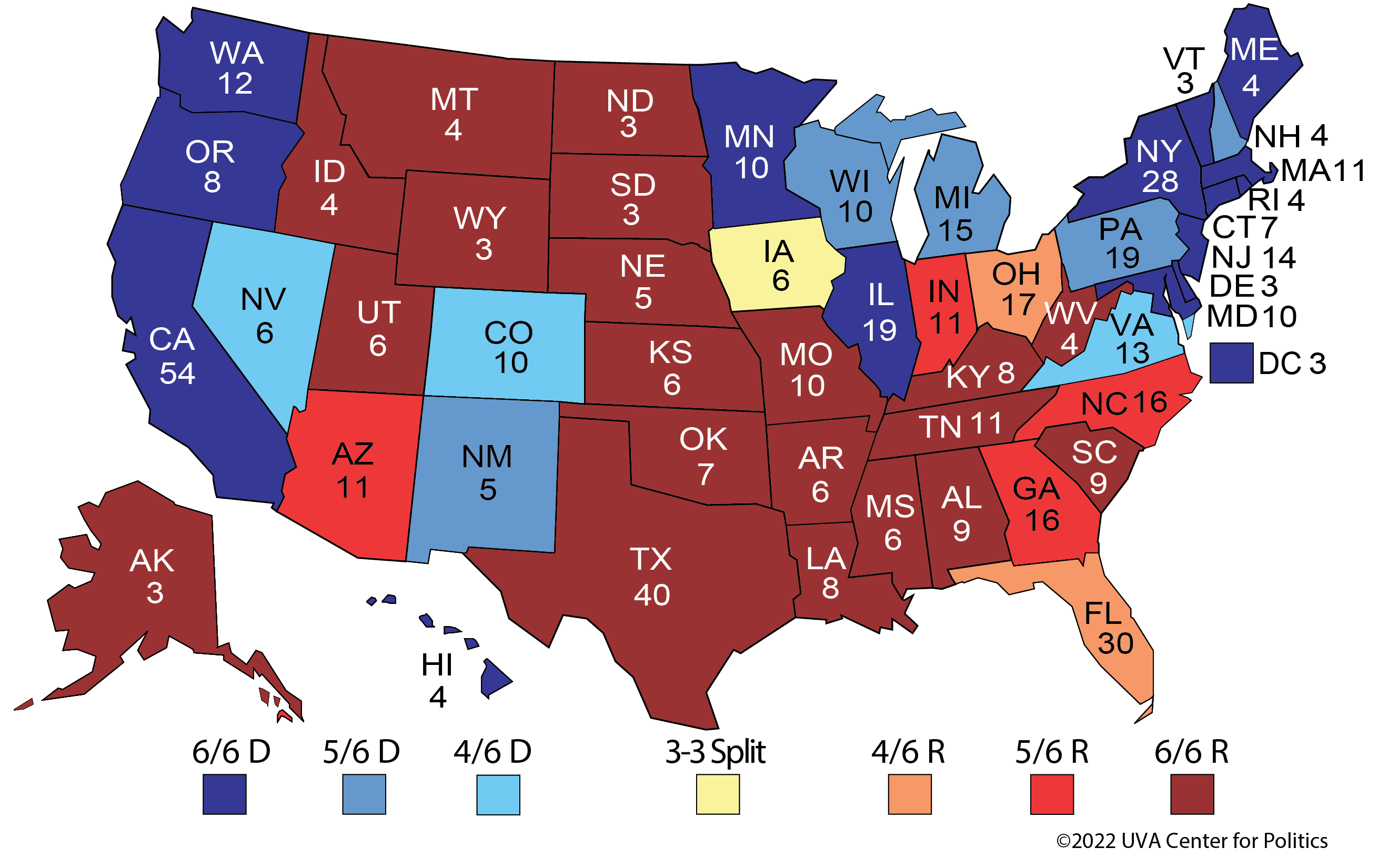
Today, New York is widely considered a safe Democratic state in presidential elections, a stark contrast to its historical swing-state status. This modern political identity is deeply intertwined with its appeal as a global travel destination, a center for diverse lifestyles, and a hub for cutting-edge cultural and economic trends.
A Democratic Stronghold: What It Means Today
Since 1988, New York has consistently voted Democratic in presidential elections. The margins of victory have often been substantial, reflecting the deep-rooted Democratic leanings of its large urban and suburban populations. For instance, Hillary Clinton, a former New York Senator, won the state by a significant margin in 2016 against Donald Trump, a native New Yorker. Similarly, Joe Biden secured a comfortable victory in 2020.
This consistent voting pattern means that New York is no longer a battleground state in presidential contests, allowing national Democratic campaigns to largely take its electoral votes for granted. However, this doesn’t diminish its importance. New York serves as a critical fundraising base for the Democratic Party and a laboratory for progressive policies that often later gain national traction. Its political stability also contributes to a predictable environment for businesses, tourism, and accommodation providers, who can largely anticipate state-level priorities.
For tourists, this political alignment often translates into robust public services, an emphasis on cultural institutions, and a generally tolerant and inclusive atmosphere that welcomes visitors from all walks of life. The state’s commitment to environmental protection, visible in its national parks and conservation efforts, also enhances its appeal for ecotourism and outdoor adventures, from the hiking trails of the Adirondacks to the natural beauty of Niagara Falls.
Beyond the Presidency: Nuances in State and Local Elections
While presidential elections showcase New York as a solid blue state, the political picture becomes more nuanced in state and local races. Republicans still hold power in various local governments and some state legislative districts, particularly in Upstate New York and certain suburban areas of Long Island. This creates a fascinating dynamic where state-level politics can still be highly competitive, with ongoing debates between the more liberal New York City and its surrounding areas, and the more conservative rural and northern regions of the state.
Even within New York City, mayoral and council races often feature diverse candidates and lively debates, reflecting the city’s complex internal politics. Understanding these local nuances provides a richer context for travelers interested in local culture and community life, revealing that “blue state” status does not imply monolithic political thought across all levels of government or within every community. These local elections highlight the unique identities of places like Albany, Syracuse, and smaller towns along the Erie Canal, each with its own political flavor and priorities, influencing everything from local festivals to infrastructure projects.
New York as a Trendsetter: Its Impact on American Culture and Policy
New York’s enduring Democratic leanings are not just a reflection of its population but also contribute to its role as a cultural and policy trendsetter for the entire nation. The state has often been at the forefront of progressive legislation, from environmental protections and workers’ rights to social justice reforms and innovative public health initiatives. These policies often emanate from Albany, the state capital, but are heavily influenced by the demands and values of its largest urban areas.
This progressive stance also defines much of the New York lifestyle and tourism experience. From the diverse culinary scene in New York City that celebrates global flavors, to the accessibility of its world-class museums, theaters on Broadway, and the inclusive atmosphere of places like Central Park and Times Square, the state embraces a forward-thinking, cosmopolitan identity. Its commitment to diversity and innovation attracts not only residents and businesses but also millions of tourists seeking vibrant experiences that reflect a modern, inclusive America.
Whether it’s luxury travel experiences in Manhattan hotels, exploring the local culture of Hudson Valley towns, or embarking on an adventure through the state’s natural landmarks along the Hudson River, New York’s political identity is inextricably linked to its reputation as a dynamic and welcoming destination. It is a place where history meets progress, where diverse communities thrive, and where the echoes of past political battles inform the lively, evolving culture of today.
In conclusion, the last time New York voted Republican for president was in 1984, for Ronald Reagan. This historical fact underscores a remarkable political transformation driven by demographic shifts, economic restructuring, and ideological realignment. Today, New York stands as a beacon of progressive values and a consistent Democratic stronghold, influencing national politics and setting trends in culture and policy. For anyone traveling to, living in, or simply observing this fascinating state, its political journey offers a unique lens through which to appreciate its enduring complexity, diversity, and dynamic spirit.
LifeOutOfTheBox is a participant in the Amazon Services LLC Associates Program, an affiliate advertising program designed to provide a means for sites to earn advertising fees by advertising and linking to Amazon.com. Amazon, the Amazon logo, AmazonSupply, and the AmazonSupply logo are trademarks of Amazon.com, Inc. or its affiliates. As an Amazon Associate we earn affiliate commissions from qualifying purchases.