
The Oregon Trail stands as one of the most iconic and arduous journeys in American history, a testament to the pioneering spirit that shaped the United States. From the early 1840s to the late 1860s, hundreds of thousands of emigrants embarked on this perilous 2,000-mile odyssey across the vast North American continent, seeking new opportunities, fertile lands, and a fresh start in the Pacific Northwest. Yet, behind the romanticized images of covered wagons and westward expansion lies a stark reality: the trail was a graveyard for many. The enduring question, “How many people died in the Oregon Trail?” carries with it the heavy weight of human suffering, resilience, and the immense cost of forging a nation. While exact figures remain elusive, historical research provides sobering estimates that paint a vivid picture of the trail’s deadly toll. This article delves into the statistics, the causes of death, and the lasting legacy of those who perished on their westward quest.
The Lure of the West: Embarking on the Oregon Trail
The decision to embark on the Oregon Trail was rarely made lightly. It was a commitment to an uncertain future, a gamble against the formidable forces of nature, disease, and the sheer physical demands of overland travel. For many, it represented the ultimate form of “budget travel” – a self-funded, self-guided expedition where the currency was often grit, determination, and the willingness to face unimaginable hardships. The journey began in various jumping-off points in Missouri and Iowa, drawing hopefuls from across the burgeoning nation.
A Path Forged by Hope: Route and Destination
The historic Oregon Trail stretched approximately 2,000 miles (3,200 kilometers) from its primary starting points in Independence, Missouri, and Council Bluffs, Iowa, to the fertile Willamette Valley in present-day Oregon. This monumental overland route traversed six modern-day states: Missouri, Kansas, Nebraska, Wyoming, Idaho, and Oregon. It was not a single, defined road but rather a network of paths carved out by successive waves of wagons, animals, and pioneers.
For those undertaking this epic journey, the trail represented more than just a means of transport; it was a ribbon of hope unwinding towards a promised land. Travelers would typically gather in spring, aiming to complete the arduous trek before winter snows made passage impossible, a trip that usually took four to six months. This timeframe was crucial for pioneers, who needed to arrive in Oregon with enough time to build shelter, plant crops, and prepare for the harsh winter ahead. The route passed through diverse landscapes, from the rolling prairies of the Great Plains to the formidable passes of the Rocky Mountains and the rugged terrain of the Snake River plains. Each stretch presented its own unique set of challenges, demanding unwavering courage and resourcefulness from every man, woman, and child who dared to follow the path. Understanding this geography is essential for comprehending the vast scope of this historical “travel” experience, an experience unlike any modern “destination” trip, fraught with peril at every turn.

The Pioneer’s Call: Who Journeyed West?
The motivations behind this mass migration were as diverse as the individuals who participated. Many sought economic prosperity, drawn by the promise of cheap, abundant land in Oregon to cultivate farms and escape the crowded, increasingly industrialized East. The economic depressions of the 1830s and 1840s, coupled with the “Manifest Destiny” ideology that fueled American expansionism, provided powerful incentives. Others were driven by religious fervor, seeking freedom from persecution and the opportunity to establish new communities based on their beliefs. Missionaries were among the earliest trailblazers, establishing outposts that would later serve as waypoints for subsequent emigrants.
Families, often large ones, made up a significant portion of the travelers, packing their entire lives into cumbersome covered wagons. Young men seeking adventure, traders looking for new markets, and even those simply yearning for a fresh start away from past failures also joined the ranks. The journey itself became a defining “lifestyle” for these individuals for half a year, characterized by relentless physical labor, communal living, and an absolute dependence on self-sufficiency and cooperation within their wagon trains. These were not luxury travelers enjoying curated “experiences”; they were settlers, driven by necessity and the dream of a better life. The preparations involved meticulous planning, from securing essential supplies like flour, bacon, and coffee to selecting sturdy oxen and wagons. It was a complete overhaul of one’s existing “lifestyle,” trading comfort and predictability for the raw, untamed wilderness.
The Harsh Realities: Mortality Rates and Causes of Death
The romantic ideal of the westward journey often overshadows the grim reality of the trail’s immense human cost. The Oregon Trail, along with its sister routes like the California Trail and the Mormon Trail, earned a fearsome reputation as a place where life was cheap and death was a constant companion. The journey’s length, the primitive conditions, the lack of medical care, and the sheer unpredictability of the wilderness combined to create a deadly gauntlet.
Counting the Cost: Unveiling the Statistics
Estimating the precise number of deaths on the Oregon Trail is a challenging endeavor for historians. Records were often incomplete, unkept, or lost to time. Many graves were shallow, unmarked, and eventually obliterated by weather and subsequent wagon trains. However, by piecing together extant diaries, letters, census data, and various historical accounts, researchers have arrived at compelling estimates.
It is widely accepted that between 400,000 and 500,000 individuals embarked on the Oregon Trail and its related branches during its peak years. Of this vast number, historical estimates suggest that anywhere from 20,000 to 40,000 people perished along the way. This translates to an average mortality rate of about one in ten emigrants, a stark figure that underscores the extreme risks involved. Some estimates even push this figure higher, suggesting that for every mile of the trail, an average of 10 to 15 graves could be found. Children and the elderly were particularly vulnerable, but individuals of all ages succumbed to the trail’s hardships. These statistics serve as a powerful reminder of the ultimate sacrifice made by countless pioneers in their pursuit of the American dream. This human cost is a poignant aspect of the “history” and “culture” associated with the trail, reminding modern “tourism” of the profound struggles faced by those who came before.
The Scourge of Sickness: Disease as the Primary Killer
By far, the most prolific killer on the Oregon Trail was disease. Accounting for an estimated 60-70% of all deaths, various ailments swept through the close-knit, unsanitary confines of wagon trains like wildfire. The primitive understanding of hygiene and medicine at the time meant that once an illness took hold, it often spread rapidly with devastating consequences.
- Cholera: This bacterial infection, often contracted from contaminated water sources, was the most feared and deadliest disease on the trail. Its symptoms—severe diarrhea, vomiting, dehydration, and rapid decline—could kill a healthy individual within hours. Cholera epidemics were particularly rampant in the early years of the trail, especially through the Platte River Valley, where stagnant water and poor sanitation created ideal breeding grounds.
- Dysentery: Another common intestinal ailment, dysentery, caused severe diarrhea, fever, and abdominal pain. While often less immediately fatal than cholera, it led to extreme dehydration and weakness, making individuals more susceptible to other illnesses or accidents.
- Other Diseases: Typhoid fever, smallpox, measles, mumps, and scurvy also contributed significantly to the death toll. Poor nutrition, lack of fresh produce, and weakened immune systems due to constant exertion made pioneers vulnerable to these illnesses. The close proximity of hundreds of people and livestock, combined with limited access to clean water and sanitation, created an environment where infectious diseases thrived, turning the wagon trains into mobile incubators of sickness. The stark contrast between the lack of basic hygiene on the trail and the “amenities” offered by modern “hotels” highlights the immense progress in public health and “accommodation” standards.
Dangers Beyond Illness: Accidents and Other Perils
While disease was the primary killer, accidents of various kinds also claimed thousands of lives on the Oregon Trail. The unforgiving terrain, heavy equipment, and constant movement created a perpetually hazardous environment.
- River Crossings: Swollen rivers like the Platte River, the Snake River, and the Columbia River posed immense dangers. Wagons could capsize in strong currents, animals could drown, and pioneers, many of whom could not swim, were swept away. Drowning was a significant cause of accidental death, particularly during the spring thaws.
- Wagon Accidents: Covered wagons, while essential, were also inherently dangerous. Children, especially, were vulnerable to falling beneath the wheels of moving wagons, resulting in fatal crushing injuries. Accidental shootings from carelessly handled firearms, often loaded for protection against perceived threats, also added to the toll. Runaway teams of oxen or horses could lead to horrific crashes, injuring or killing anyone in their path.
- Environmental Hazards: The trail presented myriad environmental challenges. Stampedes of buffalo could cause chaos and injury. Extreme weather, including sudden thunderstorms, hailstorms, and dust storms, could lead to disorientation and exposure. Falls from cliffs or into ravines were not uncommon in mountainous regions.
- Native American Encounters: Contrary to popular myth, attacks by Native American tribes accounted for a relatively small percentage of deaths on the Oregon Trail, estimated to be around 3-4% of the total fatalities. While conflicts did occur, often stemming from misunderstandings, competition for resources, or retaliation for previous emigrant aggressions, the vast majority of interactions were peaceful, involving trade or guidance. The romanticized and often prejudiced narrative of widespread, violent encounters has often overshadowed the more complex historical reality. These encounters, whether peaceful or confrontational, form a critical part of the “history” and “local culture” of the trail, albeit one often misinterpreted.
Enduring Legacy: Remembering the Oregon Trail’s Human Cost
The Oregon Trail was more than just a route; it was a crucible that forged the American identity of perseverance and determination. The human cost, however, serves as a sobering reminder of the sacrifices demanded by this monumental undertaking. Understanding the daily “lifestyle” of these pioneers and the “landmarks” they passed provides profound insight into their struggles and triumphs.
The Daily Grind: Life’s Challenges on the Move
Life on the Oregon Trail was a relentless cycle of hardship. Each day began before dawn, with the breaking of camp, yoking of oxen, and packing of wagons. The days were spent walking alongside the wagons, covering 10 to 15 miles in dusty, hot, or muddy conditions. Pioneer women faced the grueling tasks of cooking over open fires, caring for children, and tending to the sick, all while in constant motion. There were no “hotels” or “resorts” offering respite; “accommodation” meant a canvas tent or sleeping under the stars.
Food was monotonous and often scarce, consisting mainly of salted meats, flour, and coffee. Water sources were frequently unreliable or contaminated. The psychological strain was immense—isolation, fear of the unknown, the constant threat of death, and the grief of losing loved ones profoundly impacted the emigrants. Diaries and letters reveal deep wells of courage, but also moments of despair, exhaustion, and loneliness. This intense “lifestyle,” stripped of modern comforts and conveniences, truly defines the pioneer experience, showcasing the ultimate in “budget travel” out of necessity.
Silent Markers: Landmarks and Grave Sites
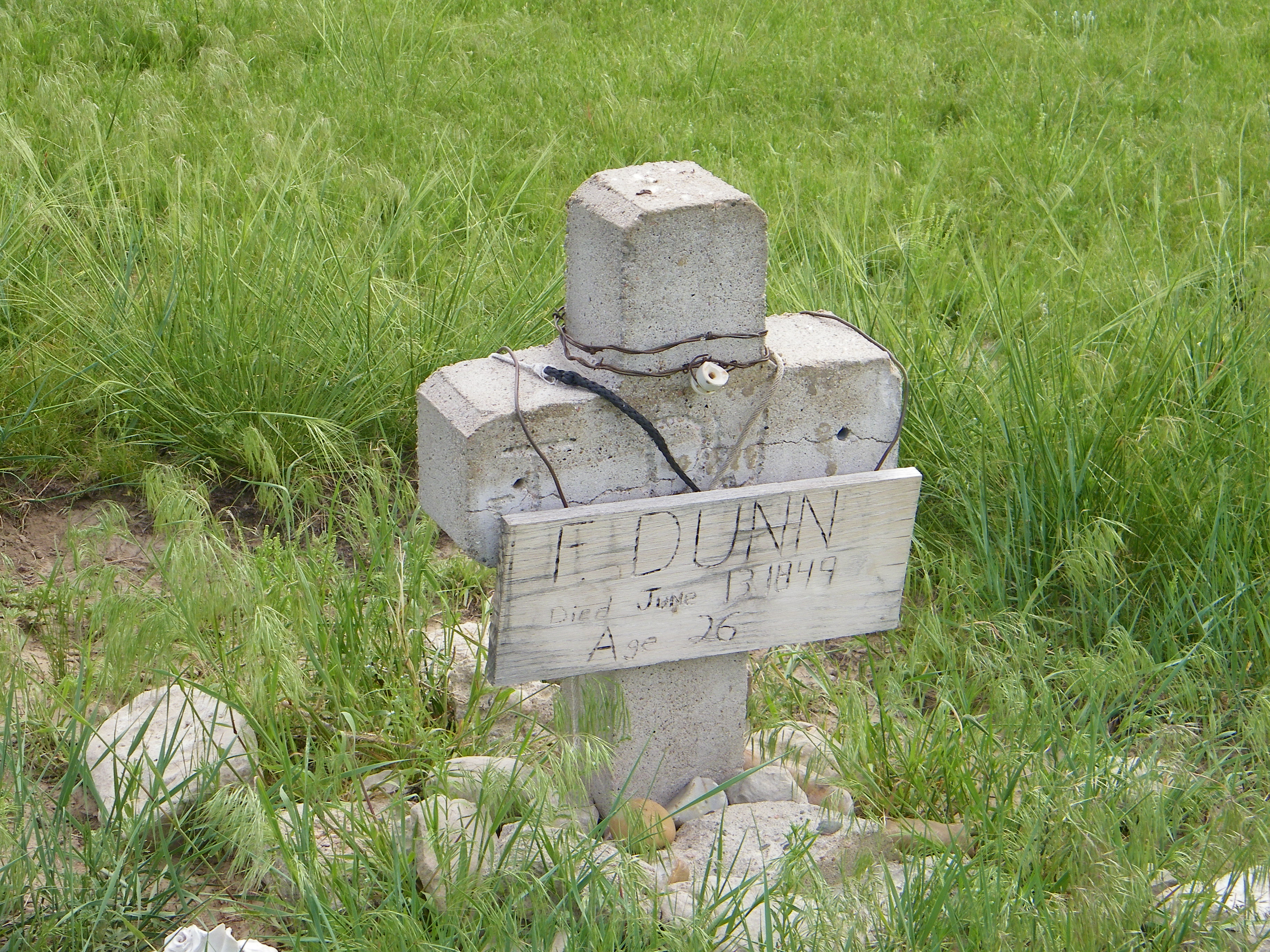
Along the 2,000-mile stretch of the Oregon Trail, countless graves lay scattered, marking the final resting places of those who succumbed. Many were shallow, unmarked, or simply commemorated with a rough wooden cross that quickly deteriorated. Over time, the elements and subsequent travelers erased much of the evidence, leaving the vast majority of deaths unrecorded and forgotten in terms of specific burial locations.
However, certain prominent natural and man-made “landmarks” served as vital navigational points, and often, as places of both hope and despair. These “famous places” often also witnessed many burials.
- Chimney Rock in Nebraska: A towering geological formation that signaled the end of the relatively flat plains and the approach of the Rocky Mountains. For pioneers, it was a welcome sign of progress, yet also a reminder of the more difficult terrain ahead. Today, it’s a National Historic Site and a major tourist attraction.
- Scotts Bluff National Monument in Nebraska: Another massive geological landmark, often mistaken for a fortress or castle. It offered breathtaking views but also presented formidable challenges for wagons to navigate around.
- Independence Rock in Wyoming: Known as the “Great Register of the Desert,” thousands of emigrants carved their names onto its surface, creating an indelible record of their passage. Reaching it by July 4th was a critical benchmark for staying on schedule.
- Fort Laramie in Wyoming: A significant trading post and later a military fort, it offered a brief respite, supplies, and repairs. It was a crucial waypoint for interaction, news, and preparing for the next leg of the journey.
These “landmarks” served as powerful symbols for the emigrants, often representing hope, progress, or, tragically, a final resting place. Today, many sections of the original trail and these iconic sites are preserved as National Historic Trails or monuments, offering opportunities for “tourism” and reflection. They allow modern visitors to connect with the “history” and understand the scale of the challenges faced by those who passed through.
A Testament to Resilience: The Trail’s Lasting Impact
The question of how many people died on the Oregon Trail is more than just a statistical inquiry; it’s an exploration of human resilience, sacrifice, and the profound impact of westward expansion on the American landscape and psyche. The approximately 20,000 to 40,000 deaths represent individual stories of shattered dreams, enduring pain, and the ultimate price paid for a new life.
Yet, despite the immense human cost, the Oregon Trail was ultimately successful in its primary goal. It facilitated one of the largest voluntary migrations in human history, profoundly shaping the demographics, culture, and political landscape of the American West. The experiences of the pioneers, their struggles, and their triumphs became foundational myths in the narrative of American self-reliance and progress.
Today, the Oregon Trail remains a powerful reminder of a pivotal era. Preserved sections of wagon ruts, interpretive centers, museums, and historical reenactments offer modern visitors a glimpse into this bygone era. It’s a “destination” for history buffs, a challenging “attraction” for hikers, and a source of profound reflection on the courage required to pursue a dream against incredible odds. While the grim statistics of death can be unsettling, they highlight the extraordinary determination of those who risked everything for a better future, leaving an indelible mark on the land and the spirit of a nation. The trail’s legacy is not just about those who died but also about the millions who ultimately succeeded, forever altering the course of American history and solidifying the ideal of human endurance.
LifeOutOfTheBox is a participant in the Amazon Services LLC Associates Program, an affiliate advertising program designed to provide a means for sites to earn advertising fees by advertising and linking to Amazon.com. Amazon, the Amazon logo, AmazonSupply, and the AmazonSupply logo are trademarks of Amazon.com, Inc. or its affiliates. As an Amazon Associate we earn affiliate commissions from qualifying purchases.