
When planning a trip to the picturesque state of Oregon, travelers often immerse themselves in researching stunning natural landmarks, vibrant cities, and unique cultural experiences. However, an increasingly relevant aspect of travel preparation in today’s world involves understanding local laws and regulations, particularly concerning substances that might be treated differently from one jurisdiction to another. The question, “Is cocaine legal in Oregon?” touches upon a nuanced legal landscape that every responsible visitor should comprehend before arrival. While the straightforward answer is no, cocaine is not legal in Oregon, the state has adopted a distinctive approach to drug policy that has garnered significant national attention and warrants a closer look for anyone considering a visit. This article aims to clarify Oregon’s current stance on drug laws, particularly concerning controlled substances like cocaine, and provide essential travel advice to ensure a safe, enjoyable, and law-abiding experience in the Beaver State. Our focus remains on helping you navigate your journey with confidence, emphasizing responsible tourism and informed decision-making.
Understanding Oregon’s Drug Laws: What Travelers Need to Know
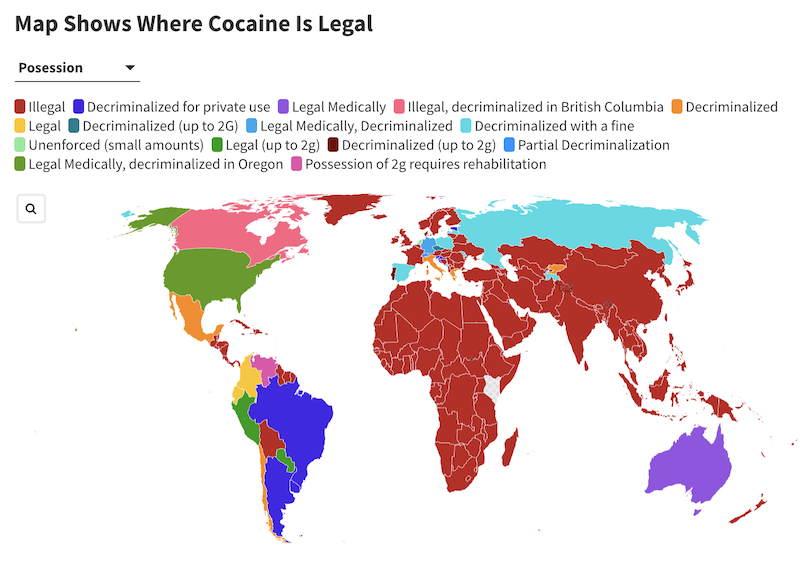
Oregon has pioneered a unique path in drug policy reform within the United States. In November 2020, voters passed Measure 110, the Drug Addiction Treatment and Recovery Act, which fundamentally reshaped how the state addresses personal possession of small amounts of illicit drugs, including cocaine. For travelers, understanding the implications of Measure 110 is crucial, as it distinguishes Oregon from many other states and even federal law. The intent behind this landmark legislation was to reclassify minor drug possession from a criminal misdemeanor to a Class E violation, akin to a traffic ticket, thereby shifting the focus from punitive justice to public health and treatment.
Decriminalization vs. Legalization: A Key Distinction for Visitors
It is imperative to differentiate between decriminalization and legalization. Measure 110 decriminalized the personal possession of small amounts of controlled substances. This means that possessing a “personal use amount” of cocaine or other illicit drugs no longer results in an arrest or a criminal record in Oregon state courts. Instead, individuals found with such quantities face a maximum fine of $100, which can be waived if they undergo a health assessment at an addiction recovery center. This shift is designed to encourage individuals struggling with addiction to seek help rather than face incarceration.
However, decriminalization does not mean legalization. Cocaine remains an illegal substance under both Oregon state law (for amounts exceeding the personal use threshold, or for manufacturing and distribution) and federal law. This distinction is paramount for travelers. While you might not be arrested for a tiny amount of cocaine in Oregon by state authorities, any involvement with larger quantities, sale, manufacture, or distribution carries severe legal penalties. Moreover, using or possessing any amount of cocaine remains prohibited in federally owned areas such as national parks, forests, and other federal properties within Oregon. Ignorance of the law is never an excuse, and understanding these nuances is a cornerstone of responsible travel.

Federal Law vs. State Law: A Traveler’s Dilemma
The dual legal framework in the United States, where federal laws coexist with state laws, creates a complex environment for travelers, especially concerning drug policies. Despite Oregon’s decriminalization efforts, cocaine is still classified as a Schedule II controlled substance under the federal Controlled Substances Act. This means that federal agencies, such as the Drug Enforcement Administration (DEA), the Federal Bureau of Investigation (FBI), or US Customs and Border Protection, retain the authority to enforce federal drug laws within Oregon’s borders.
For visitors, particularly those arriving from international destinations or other states, this can pose significant risks. Federal authorities are not bound by Oregon’s Measure 110 and can pursue charges for drug possession or related offenses under federal law, which carries much harsher penalties, including substantial fines and lengthy prison sentences. This dichotomy underscores a critical piece of advice for all travelers: it is always safest to abide by the strictest applicable law. For controlled substances like cocaine, this unequivocally means avoiding them entirely. Responsible travel includes respecting all applicable laws and regulations, ensuring your trip remains memorable for its incredible experiences rather than unforeseen legal troubles.
Prioritizing Safety and Well-being in Oregon
Beyond the legal complexities surrounding controlled substances, prioritizing personal safety and well-being is paramount for any traveler. Oregon is a welcoming state with breathtaking landscapes and diverse attractions, but like any travel destination, awareness and preparation are key to a smooth journey. Responsible travel extends to making informed choices about your surroundings, health, and interactions.
Navigating Oregon Safely: Tips for Responsible Tourism
When exploring Oregon’s cities, natural parks, and hidden gems, adopting a few safety practices can significantly enhance your experience. For instance, in urban centers like Portland or Bend, be aware of your personal belongings and surroundings, especially in crowded areas or at night. Stick to well-lit and populated streets. When venturing into Oregon’s vast natural areas, such as the Columbia River Gorge, Crater Lake National Park, or the Oregon Coast, always inform someone of your itinerary, stay on marked trails, and be prepared for changing weather conditions.
Choosing reputable accommodation is another vital aspect of travel safety. Whether you opt for luxury hotels, cozy boutique resorts, or practical apartments, ensure your booking is through trusted platforms and that the property has positive reviews regarding safety and security. Always lock your doors and windows, and utilize in-room safes for valuables.
Furthermore, responsible tourism involves respecting local communities and their norms. Engage positively with residents, support local businesses, and be mindful of your impact on the environment. Understanding the legal framework around drugs is part of this broader commitment to being a respectful and responsible visitor. The focus should always be on enjoying Oregon’s legitimate offerings without engaging in activities that could jeopardize your safety or legal standing.

Health and Emergency Services for Travelers
Even the most carefully planned trips can encounter unexpected health issues or emergencies. Travelers to Oregon should ensure they have comprehensive travel insurance that covers medical emergencies, including emergency evacuation if necessary. Before your trip, identify the locations of urgent care centers and hospitals near your accommodation and planned destinations. In case of any emergency, dial 911 for immediate assistance from police, fire, or ambulance services.
For less urgent health concerns, many cities in Oregon offer walk-in clinics or telehealth services. Travelers should also carry any necessary prescription medications in their original packaging, along with a copy of their prescription, especially if they are crossing international borders or flying within the United States. Being prepared for health eventualities contributes significantly to peace of mind and allows you to fully enjoy your Oregon adventure.
Exploring Oregon Responsibly: Beyond Legalities
Oregon is a state of stunning contrasts, offering an incredible array of experiences for every type of traveler. From the rugged beauty of its Pacific coastline to the majestic peaks of the Cascade Range, and from the sophisticated urban culture of Portland to the serene vineyards of the Willamette Valley, there is an abundance of legitimate and enriching activities to fill your itinerary. Focusing on these positive aspects ensures a memorable and hassle-free journey.
Discovering Oregon’s Natural Wonders and Urban Charms
Oregon’s natural beauty is unparalleled. The iconic Columbia River Gorge offers breathtaking vistas and countless hiking trails leading to spectacular waterfalls. Crater Lake National Park, with its impossibly blue water, is a testament to volcanic forces and a must-see landmark. For those who love the mountains, Mount Hood provides year-round recreation, from skiing in winter to hiking and camping in summer.
The Oregon Coast beckons with its dramatic cliffs, pristine beaches, and charming seaside towns like Cannon Beach, Newport, and Tillamook. Wildlife viewing, tidepooling, and lighthouse visits are popular activities here. Inland, the Willamette Valley is renowned for its world-class Pinot Noir wineries, offering delightful tasting experiences amidst picturesque rolling hills.
Cities like Portland captivate with their unique blend of quirky culture, innovative culinary scene, craft breweries, and extensive parks. Bend offers an outdoor enthusiast’s paradise with access to rafting, climbing, and skiing, while Ashland, nestled in the Siskiyou Mountains, is famous for its Shakespeare Festival and vibrant arts scene. These diverse destinations provide ample opportunities for adventure, relaxation, and cultural immersion, all within the bounds of a lawful and enjoyable travel experience.
Engaging with Local Culture and Community
One of the most rewarding aspects of travel is the opportunity to connect with local culture and communities. Oregon boasts a rich history, a thriving arts scene, and a strong emphasis on sustainability and local produce. Travelers can delve into the state’s pioneering past at historical sites, explore diverse art galleries, or attend local festivals and events that showcase Oregon’s unique spirit.
Supporting local farmers’ markets, dining at farm-to-table restaurants, and purchasing crafts from independent artisans are excellent ways to contribute positively to the local economy and experience authentic Oregon hospitality. Engaging respectfully with the local populace, learning about their traditions, and participating in community-focused activities can transform a simple vacation into a deeply meaningful cultural exchange. This mindful approach to tourism fosters a genuine appreciation for the destination and its people, creating lasting memories that go far beyond any transient legal discussions.
Making Informed Choices: Resources for Travelers
For any traveler planning a trip to Oregon, knowledge is your best companion. While this article provides a comprehensive overview of the legal landscape concerning cocaine and related travel advice, staying informed through official and reliable sources is always recommended. This includes checking the latest travel advisories, understanding specific local ordinances, and knowing where to turn for assistance.
Always consult official government websites for the most up-to-date information on drug laws in Oregon and the United States. Websites for the Oregon State Legislature and the United States Department of Justice can provide detailed legal texts and clarifications. For general travel advisories and entry requirements, especially for international visitors, the U.S. Department of State website is an invaluable resource.
For health-related information and travel safety tips specific to your itinerary, reputable travel guides and tourism boards (such as Travel Oregon) offer practical advice on everything from weather preparedness to emergency contacts. Before departing, jot down the contact information for your country’s embassy or consulate in the United States, particularly if you are an international traveler. Being proactive in gathering information ensures you are well-equipped to make informed choices throughout your journey.
In conclusion, while Oregon has adopted progressive drug policies through Measure 110, it is crucial for travelers to remember that cocaine is not legal. Decriminalization for personal use comes with specific conditions and does not negate federal laws. Responsible travel prioritizes safety, adherence to all laws (state and federal), and an earnest desire to experience the legitimate wonders of a destination. By making informed choices and respecting the local environment and community, your trip to Oregon can be an incredibly rewarding and unforgettable experience, focused on its stunning landscapes, vibrant culture, and welcoming people.
LifeOutOfTheBox is a participant in the Amazon Services LLC Associates Program, an affiliate advertising program designed to provide a means for sites to earn advertising fees by advertising and linking to Amazon.com. Amazon, the Amazon logo, AmazonSupply, and the AmazonSupply logo are trademarks of Amazon.com, Inc. or its affiliates. As an Amazon Associate we earn affiliate commissions from qualifying purchases.