
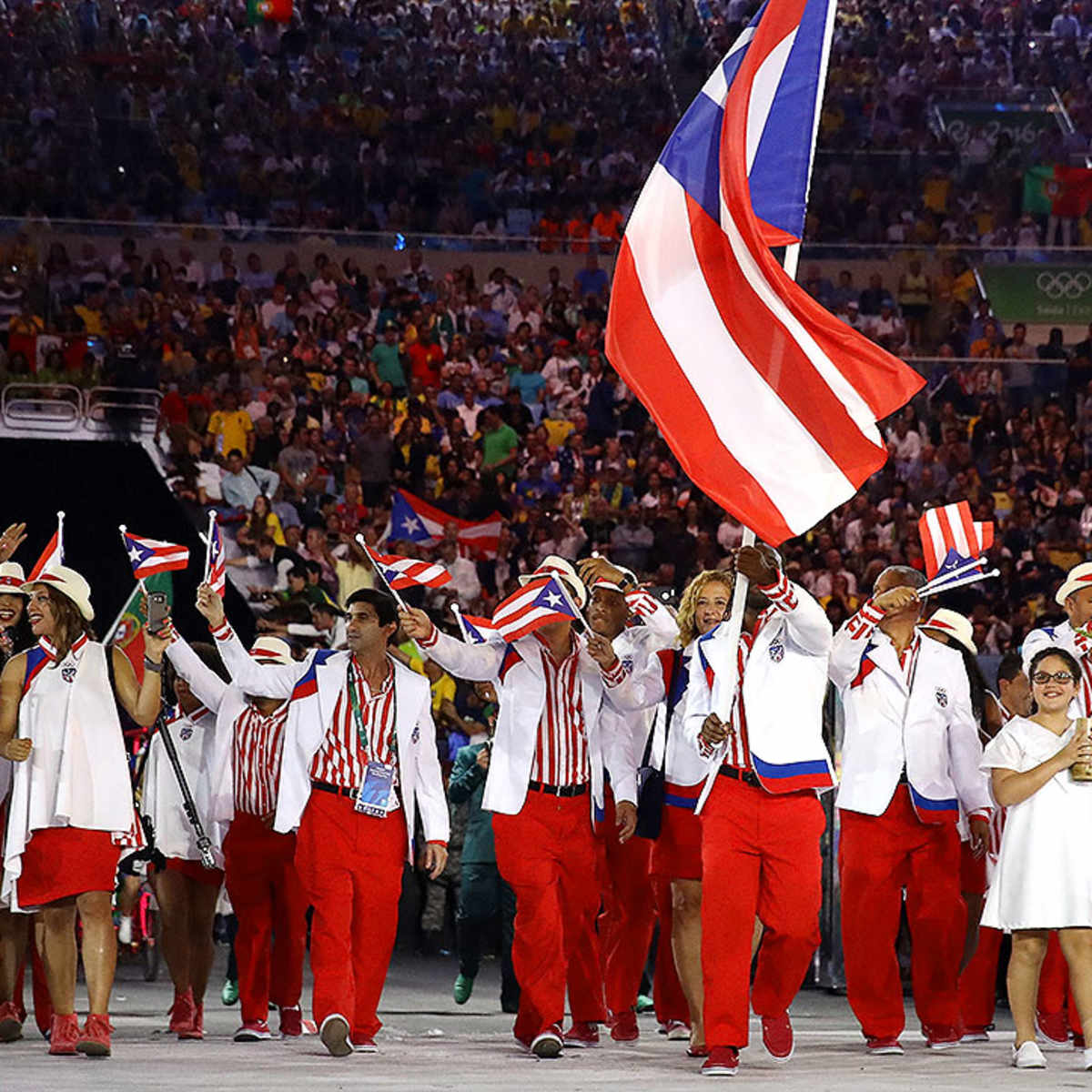
The sight of Puerto Rican athletes proudly marching under their own flag at the Olympic Games, competing independently from the United States, often sparks curiosity. For many travelers and sports enthusiasts, it’s a puzzling scenario: how can a U.S. territory have its own distinct Olympic Committee and team? This unique arrangement is a testament to a rich history, a vibrant national identity, and the nuanced relationship between Puerto Rico and the International Olympic Committee (IOC). Beyond the sporting arena, this independent representation profoundly influences Puerto Rico’s global image, subtly drawing attention to its distinct culture, breathtaking landscapes, and welcoming tourism scene. Understanding the “why” behind Puerto Rico’s Olympic presence provides a deeper appreciation for this Caribbean jewel, inspiring travelers to explore its unique blend of history, natural beauty, and fervent national pride.
A Unique Political and Sporting Identity: The IOC’s Stance
The primary reason Puerto Rico competes as an independent nation in the Olympics stems from a specific rule adopted by the International Olympic Committee in 1950. Prior to this, colonies and territories generally competed under the flag of their colonial power. However, the IOC decided that any “country” (defined loosely as an identifiable geographic entity with an independent National Olympic Committee) could compete independently, regardless of its political status as a sovereign nation. This rule change was particularly significant for regions like Puerto Rico, which, while being a U.S. territory, possessed a strong and distinct cultural identity.
The Puerto Rico Olympic Committee was officially recognized by the IOC in 1948, making its first appearance as an independent team at the 1948 London Games. This predates the 1950 rule, but the subsequent clarification cemented their status. The committee was formed in 1938 and spent years lobbying for independent recognition, arguing for the distinct cultural and national identity of the Puerto Rican people. Despite being U.S. citizens, Puerto Ricans have their own language (Spanish), distinct customs, music, and a strong sense of national pride that transcends their political affiliation.
This unique status allows Puerto Rican athletes the choice to represent either Puerto Rico or the United States, provided they meet the eligibility requirements for either nation’s Olympic Committee. Most, driven by a deep sense of connection to their homeland and the opportunity to represent its unique identity on a global stage, choose to compete for Puerto Rico. This decision is not merely about sports; it’s a profound statement of cultural identity and national pride, reverberating through every corner of the island and captivating visitors who wish to immerse themselves in this vibrant local culture.
The Journey to Independent Olympic Status
The road to independent Olympic recognition for Puerto Rico was a long and dedicated effort, deeply intertwined with the island’s broader search for self-determination and identity. In the early 20th century, following the Spanish-American War and Puerto Rico’s acquisition by the United States, the idea of a distinct Puerto Rican identity began to crystallize even more strongly. Sports, particularly boxing and baseball, quickly became powerful avenues for expressing this identity.
The establishment of the Puerto Rico Olympic Committee in 1938 was a critical milestone. Led by visionaries who understood the power of international sports, the committee began its tireless campaign for independent recognition from the IOC. They presented compelling arguments highlighting Puerto Rico’s unique cultural heritage, distinct governance, and fervent passion for sports. The IOC, recognizing these compelling factors and its own evolving policies regarding non-sovereign entities, granted provisional recognition in 1947 and full recognition in 1948.
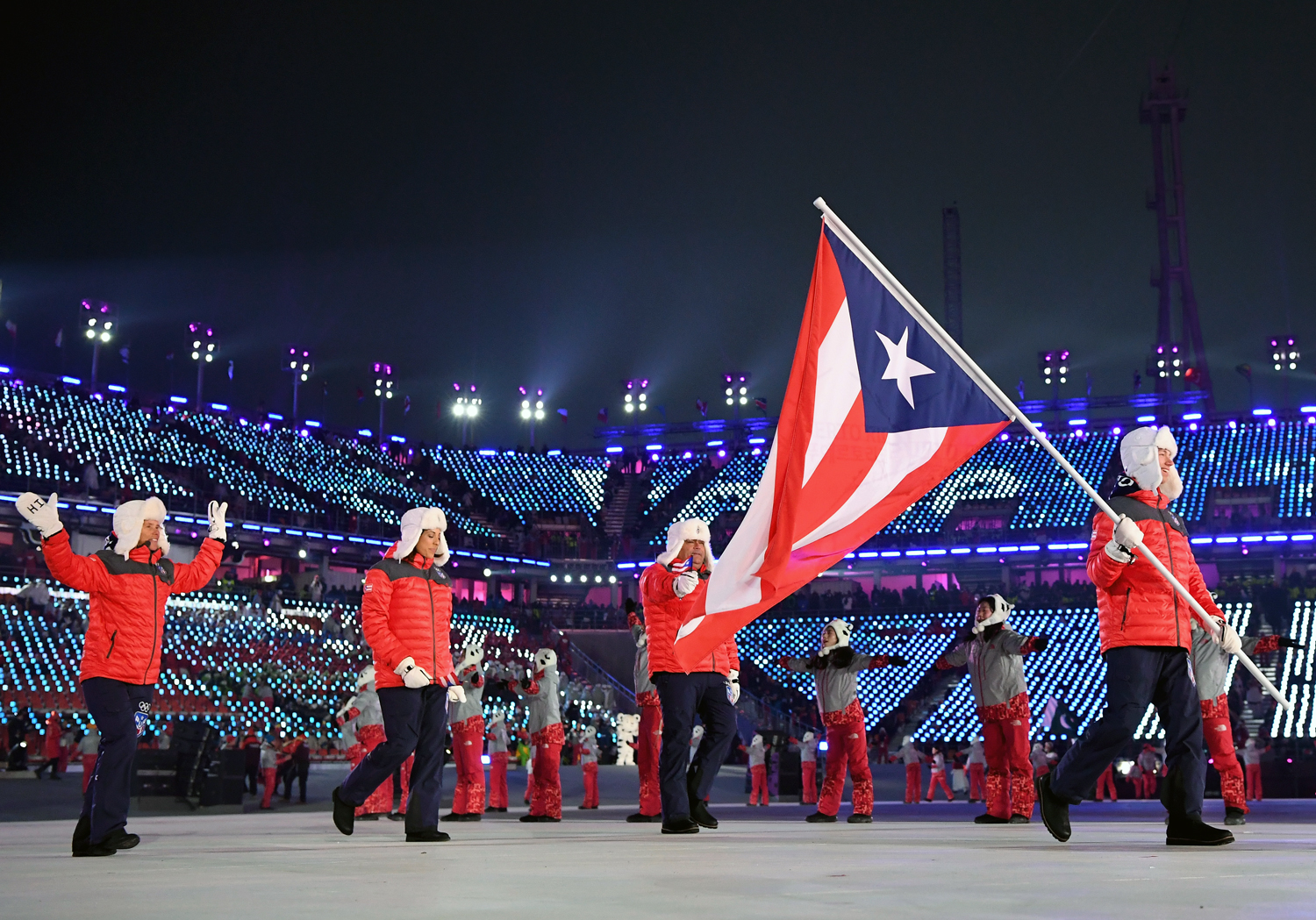
This pivotal decision allowed Puerto Rico to send its first independent delegation to the 1948 Summer Olympics in London. Since then, Puerto Rican athletes have continuously represented their island, accumulating a respectable number of medals across various sports. Each medal won, each athlete competing under the Puerto Rican flag, serves as a powerful symbol of national pride and a reminder of their distinct place on the global stage. This journey mirrors the island’s broader narrative, emphasizing resilience, cultural endurance, and a deep-seated desire to celebrate its unique identity. It’s a compelling story that enhances the island’s appeal as a destination where history and culture are palpable in everyday life.
The Cultural Heartbeat: How Sports Define a Nation
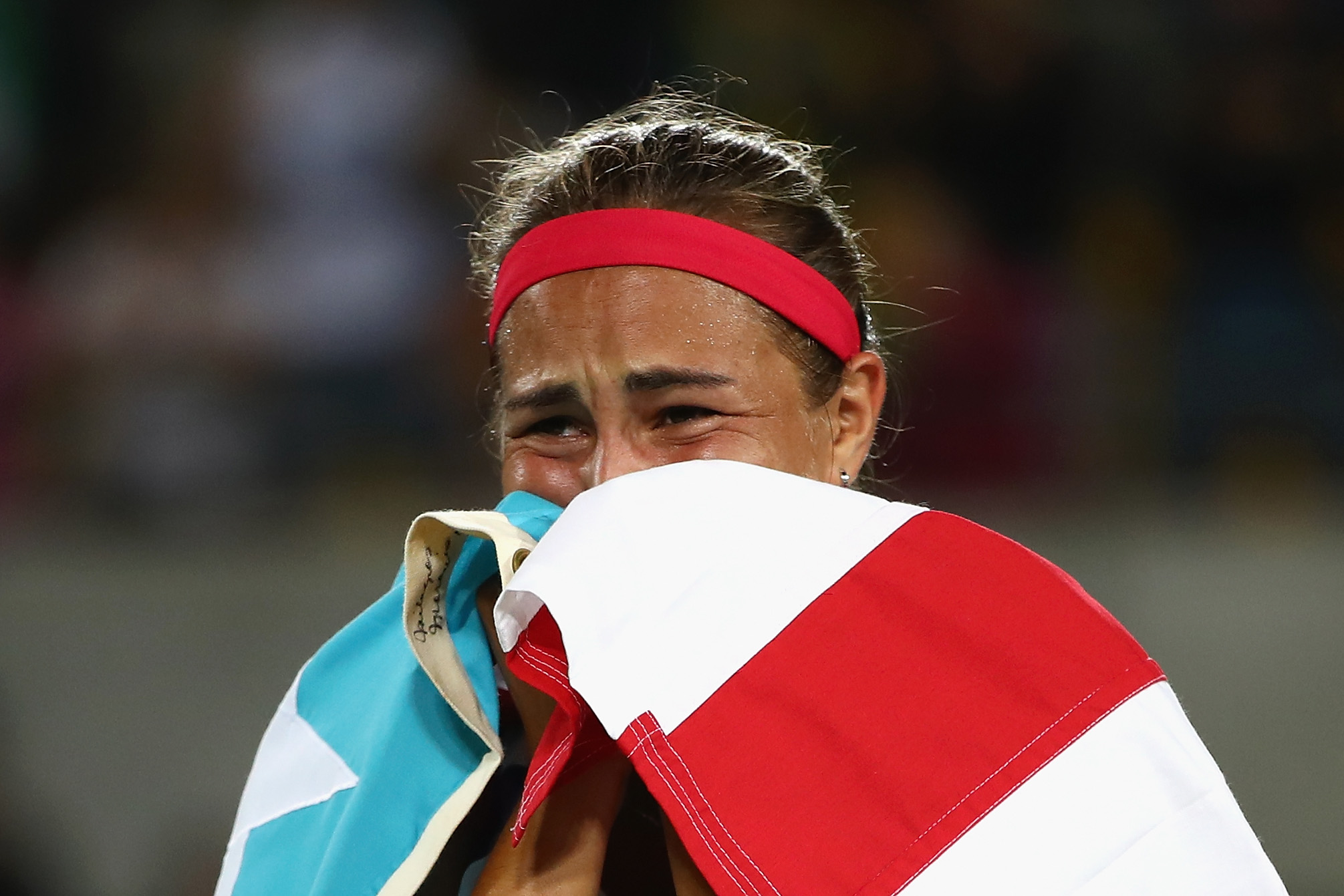
For Puerto Rico, the Olympics are far more than just a sporting event; they are a profound expression of national identity, a source of immense pride, and a unifying force for the entire island. When Puerto Rican athletes compete, the whole island watches, often pausing daily life to cheer for their representatives. The emotional connection is palpable, whether it’s for a medal hopeful in tennis like Monica Puig or a team in basketball. This collective enthusiasm is infectious, extending to every facet of Puerto Rican culture and daily life.
The independence of the Puerto Rican Olympic Team allows the island to showcase its unique culture and heritage to billions worldwide. The opening ceremonies, with athletes adorned in traditional colors and symbols, become a global parade of Puerto Rican identity. This exposure is invaluable for tourism, putting Puerto Rico on the map not just as a beautiful Caribbean destination, but as a vibrant nation with a passionate spirit. Visitors often comment on the warmth and exuberance of the Puerto Rican people, qualities that are amplified during major sporting events.
This sporting identity also fosters a sense of unity among Puerto Ricans, regardless of their political views on statehood, independence, or commonwealth status. The flag flown at the Olympics becomes a common symbol, transcending internal debates and uniting the population in shared celebration and support. It’s a powerful reminder that despite external political arrangements, Puerto Rico possesses an undeniable and vibrant national soul, eager to share its stories and accomplishments with the world. This profound connection between sports and identity is a key aspect of understanding and appreciating the island’s allure as a travel destination.
Puerto Rico’s Olympic Milestones
Over the decades, Puerto Rico has celebrated numerous triumphs and memorable moments at the Olympic Games, solidifying its place in the international sporting community. The island’s first Olympic medal came in 1948, a bronze in boxing won by Juan Evangelista Venegas. This historic achievement set the stage for future generations of athletes.
One of the most iconic moments in Puerto Rican Olympic history occurred at the 2016 Rio Games, when Monica Puig captured the island’s first-ever gold medal in tennis. Her victory was met with an outpouring of emotion across the island, marking a monumental achievement that resonated deeply with the Puerto Rican people. It was a moment of pure national euphoria, showcasing the talent and fighting spirit that define Puerto Rican athletes.
Beyond individual medals, Puerto Rico has consistently sent competitive teams in sports like basketball, volleyball, and track and field, often punching above its weight given its relatively small population. These consistent appearances and occasional upsets against larger nations further amplify the island’s pride and visibility. Each Olympic cycle brings new heroes, new stories, and a renewed sense of anticipation and excitement that sweeps through local communities, creating an atmosphere that is both thrilling and uniquely Puerto Rican. These milestones are not just about sports; they are about inspiring future generations and reminding the world of Puerto Rico’s vibrant, resilient spirit.
Beyond the Games: Exploring Puerto Rico’s Allure
While the Olympics offer a glimpse into the passionate heart of Puerto Rico, the island itself is a treasure trove of experiences waiting to be discovered. Its status as an independent Olympic entity often sparks international interest, leading curious travelers to explore its shores. From its stunning natural landscapes to its rich historical sites and vibrant cultural scene, Puerto Rico offers an unforgettable travel experience that caters to every type of visitor.
For those interested in history and architecture, Old San Juan is a must-visit. Its colorful colonial buildings, cobblestone streets, and formidable fortresses like El Morro and San Cristóbal tell tales of centuries past. These landmarks, beautifully preserved, offer a tangible connection to the island’s storied history under Spanish rule and its subsequent relationship with the United States. Walking through Old San Juan is like stepping back in time, with every corner revealing a new photographic opportunity or a charming local eatery.
Nature lovers will be captivated by Puerto Rico’s diverse ecosystems. The El Yunque National Forest, the only tropical rainforest in the U.S. National Forest System, offers lush hiking trails, cascading waterfalls, and incredible biodiversity. For beach enthusiasts, the pristine shores of Vieques and Culebra, particularly Flamenco Beach, are consistently ranked among the world’s best. The bioluminescent bays, especially in Fajardo and Vieques, provide magical nighttime kayaking experiences that are truly unique. This blend of history and nature makes Puerto Rico a multifaceted destination, appealing to adventurers and relaxation seekers alike.
Culinary Delights and Vibrant Festivals
No visit to Puerto Rico is complete without indulging in its incredible culinary scene, which is as vibrant and diverse as its culture. Puerto Rican cuisine, often called “Cocina Criolla,” is a delicious fusion of Spanish, African, and Taíno influences. Staples like mofongo (fried plantain mashed with garlic and pork cracklings), lechón (slow-roasted suckling pig), and arroz con gandules (rice with pigeon peas) are a must-try. The street food scene, particularly in San Juan, offers a tantalizing array of frituras, from alcapurrias to empanadillas. Fresh seafood, caught daily, is another highlight, often served with a view of the sparkling Caribbean Sea.
Beyond food, Puerto Rico’s calendar is packed with lively festivals and celebrations that showcase its rich cultural heritage. The San Sebastián Street Festival in Old San Juan is one of the largest and most famous, transforming the historic streets into a massive block party with live music, dancing, artisan markets, and parades. Traditional bomba and plena music and dance, deeply rooted in African traditions, are a common sight and sound, inviting visitors to partake in the rhythm of the island. These cultural expressions, combined with the island’s natural beauty, create an immersive experience for travelers seeking to connect with the authentic spirit of Puerto Rico.
Planning Your Visit: Experiencing Puerto Rican Culture Firsthand
For travelers intrigued by Puerto Rico’s unique Olympic status and vibrant identity, planning a trip to the island offers an unparalleled opportunity to experience this rich culture firsthand. The island caters to a wide range of travel styles, from luxury escapes to budget-friendly adventures, ensuring an unforgettable stay for every visitor.
Accommodation options in Puerto Rico are diverse and plentiful. In San Juan, you can find everything from opulent resorts along Condado Beach and Isla Verde, offering world-class amenities and direct beach access, to charming boutique hotels nestled within the historic walls of Old San Juan. Major international chains like Marriott, Hilton, and Hyatt operate luxurious properties, while independent guesthouses offer a more local and intimate experience. For those seeking seclusion and high-end living, exclusive resorts like Dorado Beach, A Ritz-Carlton Reserve, provide unparalleled luxury and personalized service, perfect for a special occasion or a relaxing retreat.
Beyond San Juan, regions like Rincón on the west coast are renowned for surfing and offer laid-back accommodations, including surf lodges and villas. The southern city of Ponce, known for its unique architecture and art museums, features historic hotels and guesthouses that reflect its distinctive charm. For a truly immersive nature experience, consider staying in eco-lodges or guesthouses near El Yunque National Forest or on the serene islands of Vieques or Culebra, where you can find charming rentals and small inns. Booking in advance, especially during peak season (December to April) or around major festivals, is always recommended to secure the best rates and desired accommodations.
Connecting with Local Culture and Lifestyle
To truly understand the essence of Puerto Rico, engage with its people and participate in local activities. Take a cooking class to learn how to prepare traditional mofongo or pastelillos. Visit local markets, like the Plaza del Mercado Santurce, to experience the vibrant daily life and sample fresh produce. Explore the Bacardi Distillery for a taste of the island’s rum-making heritage, or simply enjoy a night out dancing salsa in a local bar.
Embracing the “lifestyle” aspect of Puerto Rico means understanding its rhythm. It’s a blend of relaxed Caribbean vibes with a passionate, energetic spirit. The resilience of the Puerto Rican people, evident in their recovery from natural disasters and their enduring spirit, is a profound aspect of their national character. Whether you’re seeking a luxury escape, a budget-friendly adventure, a family trip filled with discovery, or a business stay with cultural excursions, Puerto Rico offers a deeply rewarding journey. Its independent Olympic identity is just one fascinating facet of an island that is rich in history, breathtaking in its beauty, and always warm in its welcome. Come for the curiosity about its Olympic status, but stay for the unforgettable experiences that only Puerto Rico can offer.
LifeOutOfTheBox is a participant in the Amazon Services LLC Associates Program, an affiliate advertising program designed to provide a means for sites to earn advertising fees by advertising and linking to Amazon.com. Amazon, the Amazon logo, AmazonSupply, and the AmazonSupply logo are trademarks of Amazon.com, Inc. or its affiliates. As an Amazon Associate we earn affiliate commissions from qualifying purchases.